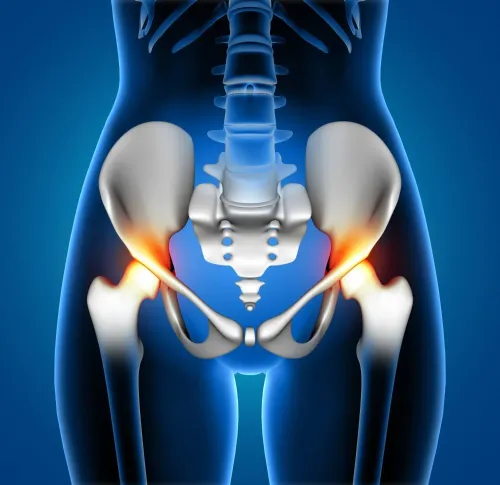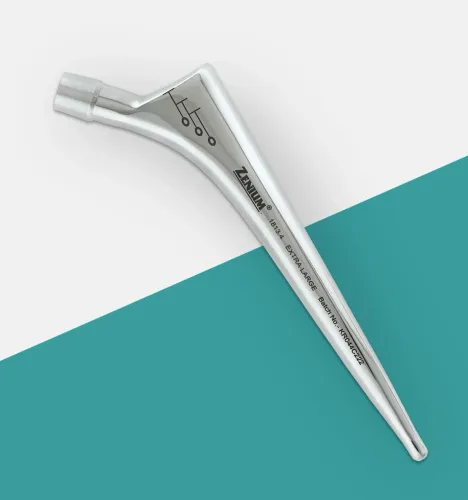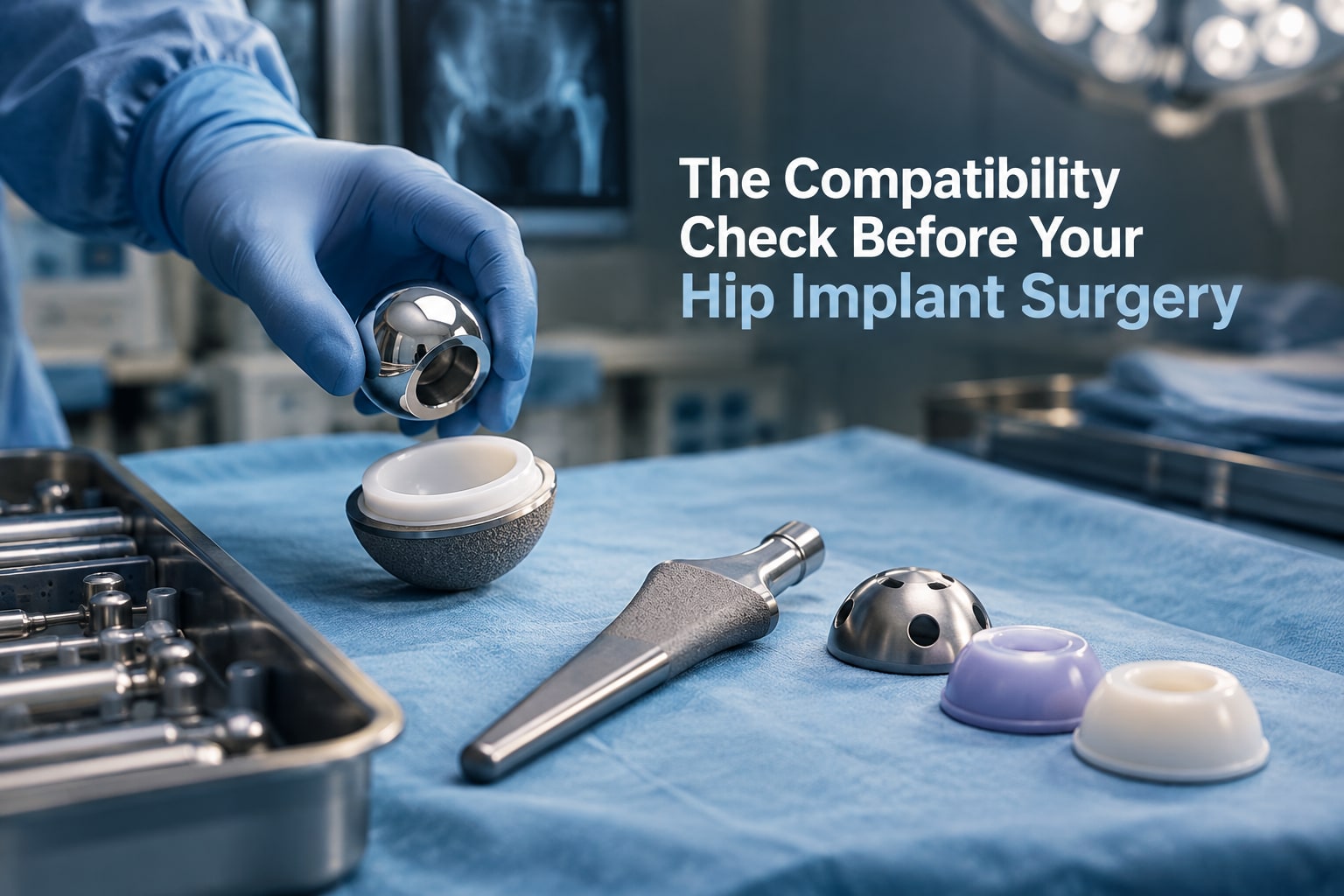
Choosing a hip implant means deciding whether to preserve the native acetabulum or replace it, then matching the femoral components to the patient’s anatomy, activity and bone quality. By the end, you will be able to distinguish bipolar, unipolar and total-hip constructs, identify when each is unsuitable, and check whether a modular combination is genuinely compatible.
Key takeaways
- A bipolar implant replaces the femoral head while preserving the native acetabulum.
- Choose bipolar hemiarthroplasty when the acetabular cartilage remains suitable.
- Check cup diameter, head size, taper and stem compatibility before surgery.
- Use total hip replacement when the acetabulum also needs reconstruction.
What a modular bipolar component actually replaces
A modular bipolar hemiarthroplasty replaces the femoral head while leaving the patient’s acetabulum intact. Its outer metal shell moves against native acetabular cartilage; its inner polyethylene bearing moves around a separate femoral head attached to the stem by a taper.
| Option | Inner articulation | Outer articulation | Pelvic side |
|---|---|---|---|
| Modular bipolar | Femoral head against polyethylene bearing | Metal shell against native acetabulum | Not implanted |
| Fixed bipolar | Internal bearing within a fixed head assembly | Shell against native acetabulum | Not implanted |
| Moore-type unipolar | None | One head directly against native acetabulum | Not implanted |
| Total hip arthroplasty | Femoral head against acetabular liner | No native-acetabulum bearing | Implanted shell and liner |
| Dual-mobility THA | Femoral head captured inside mobile polyethylene insert | Insert moves inside implanted acetabular shell | Implanted shell |
The practical modular bipolar cup comparison depends on separate specifications: outer-shell diameter, internal femoral-head diameter, polyethylene bearing geometry, taper, neck length and retaining mechanism. The outer diameter matches acetabular anatomy and coverage; the internal diameter must match the stem taper and bearing design. One catalogue head size does not describe all hip implant component options.
A fixed bipolar prosthesis uses an integrated head-and-stem assembly rather than a separate head, taper connection, retaining mechanism and polyethylene bearing. Bipolar motion does not make it dual mobility: dual-mobility THA implants an acetabular shell and liner, while bipolar hemiarthroplasty places its outer shell directly against the native acetabulum.
Which patients fit a bipolar implant, and which need another reconstruction
A bipolar hemiarthroplasty suits a displaced intracapsular femoral-neck fracture in a low-demand older patient whose acetabular cartilage remains usable. It preserves the native acetabulum, so it is a poor choice for avascular necrosis with collapse, inflammatory disease, established acetabular arthritis or significant cartilage loss.
For hip implant component options, compare the modular bipolar cup head versus hip implants that replace the acetabulum:
| Option | Acetabular surface | More appropriate use |
|---|---|---|
| Modular bipolar hemiarthroplasty | Native acetabulum | Low-demand older fracture patient with preserved cartilage |
| Total hip arthroplasty | Implanted acetabular shell and liner | Active, medically suitable fracture patient or diseased acetabulum |
| Other reconstruction | Individualised fixation, staged replacement or revision construct | Infection, severe bone loss or inadequate reconstruction stock |
After fracture, consider THA when the patient was independently mobile outdoors with no more than a stick, is medically suitable for the operation, and is expected to remain independent in daily activities beyond two years. These criteria identify a group; they do not make THA preferable for every fracture patient.
Do not use a straightforward bipolar construct when you find:
- Acetabular protrusio or a damaged surface that cannot support the outer shell
- Active infection requiring treatment before definitive reconstruction
- Severe femoral or acetabular bone loss that prevents stable fixation
- High-demand activity where replacing the acetabulum offers a better functional target
The surgeon must decide whether the patient needs complete acetabular replacement rather than simply a different bipolar head size. A dual-mobility THA is another option, not a bipolar substitute: it implants an acetabular shell and mobile liner.
What you gain and give up with bipolar hemiarthroplasty
A hemiarthroplasty usually avoids preparing and fixing an acetabular cup, so surgery and early recovery are often simpler than THA. The trade-off is continued loading of native cartilage: a unipolar or bipolar head can cause groin pain, erosion, migration, protrusio and eventual conversion to THA.
| Option | Main gain | Main cost or failure concern |
|---|---|---|
| Unipolar hemiarthroplasty | Simplest construct; one articulation with the acetabulum | Direct head-to-cartilage loading, erosion and groin pain |
| Modular bipolar hemiarthroplasty | Inner head-bearing plus a potentially larger, stable outer shell | Polyethylene wear, liner dissociation, shell problems, locking-mechanism failure and loss of outer-shell motion |
| THA | Replaces the acetabular bearing and can improve function for selected active patients | Acetabular loosening, liner wear, impingement and dislocation |
The modular bipolar cup comparison is not simply “bipolar versus THA.” Bipolar construction does not guarantee lower wear: fibrous tissue, shell position, loading and time can reduce motion between the outer shell and acetabulum. It also does not eliminate dislocation.
The modular bipolar cup head versus hip implants decision must include approach, cup orientation, stem version, femoral offset, head-neck geometry, soft-tissue repair, patient factors and the retaining mechanism. A larger outer diameter may improve stability, but it adds an inner bearing, liner, shell and locking interface that a fixed unipolar head lacks.
For younger or highly active patients, cumulative cartilage loading can outweigh the simpler hemiarthroplasty pathway. Existing acetabular damage, protrusio or expected high activity may favour THA; infection or severe bone loss requires a different reconstruction plan.
How to select the modular bipolar head, cup and stem
Start modular bipolar head selection with the femoral canal, not the catalogue’s cup diameter.
- Assess canal shape, bone quality and femoral-neck resection level, then insert a trial stem at the planned depth.
- Confirm stem size, neck length and femoral offset. Trial reduction must restore leg length, abductor tension and stable range of motion without excessive tightness.
- Select the internal head diameter only after confirming the stem taper and available polyethylene-bearing geometry.
- Select the outer cup against the patient’s native femoral head or acetabular anatomy, trial reduction, soft-tissue tension and stable coverage. Do not treat a 37–55 mm catalogue range as a universal sizing guide.
- Keep measurements separate: outer shell diameter is not internal head diameter. Check taper angle, neck length, offset and locking features as distinct hip implant component options.
| Option | Outer articulation | Fixation and acetabular side |
|---|---|---|
| Unipolar or Moore-type | One head contacts native acetabulum | Stem may be cemented or uncemented; no bipolar shell |
| Modular bipolar | Metal shell contacts native acetabulum; polyethylene bearing moves around inner head | Stem fixation is a separate decision |
| Total hip arthroplasty | Femoral head contacts an implanted liner | Acetabular shell and liner replace the native socket |
Choose cemented stems for many older patients with poor bone quality; choose uncemented fixation when bone stock and surgical goals support it. The bipolar head does not determine fixation.
Cobalt-chrome offers toughness, established compatibility and lower cost. Ceramic can suit compatible ceramic-on-polyethylene or ceramic-on-ceramic bearings, but requires a clean, correctly seated taper because contamination or mal-seating increases fracture risk.
How to verify compatibility before the implant reaches the operating room
Do not release a modular bipolar system because two catalogue dimensions match. Modular bipolar head selection requires confirmation of the cup, polyethylene bearing, internal head, taper, neck length, stem and instruments against the same manufacturer’s instructions for use, surgical technique guide and compatibility chart.
Use this purchasing and surgical checklist:
1. Confirm a validated same-system combination, including shell diameter, internal head diameter, taper angle, offset, locking geometry and available neck lengths. The modular bipolar cup comparison must separate outer coverage from inner bearing dimensions.
2. Reject unapproved substitutions. Matching millimetres do not prove identical fatigue, wear, corrosion, sterilization or clinical compatibility. Obtain written manufacturer authorization and regulatory support for the relevant market before accepting any exception.
3. Inspect every package for an intact seal, correct sterilization method, expiry date, lot number and UDI where applicable. Record each identifier in the patient and inventory records.
4. Check the radiographic marker configuration and confirm that the implant can be identified after surgery. Link the cup, bearing, head and stem to one traceability record.
5. Confirm the stem’s cemented or uncemented use, taper seating requirements and planned revision or conversion pathway. A bipolar construct does not replace a complete stability plan.
For professional buyers, Komal Health Care Pvt Ltd is relevant when its documentation identifies a defined compatible system, supplies traceable component records and supports hospital verification rather than offering a generic product label.
Related products
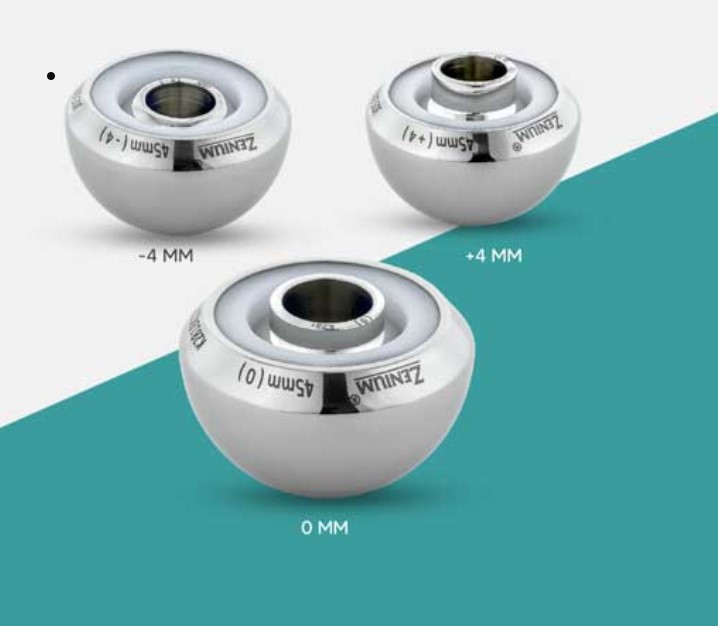 | Joint Replacement Modular Bipolar Cup (With Head) Manufacturer The Modular Bipolar Cup (With Head) is an advanced hip implant system used in hemiarthroplasty procedures, particularly for treating femoral neck... View product → |
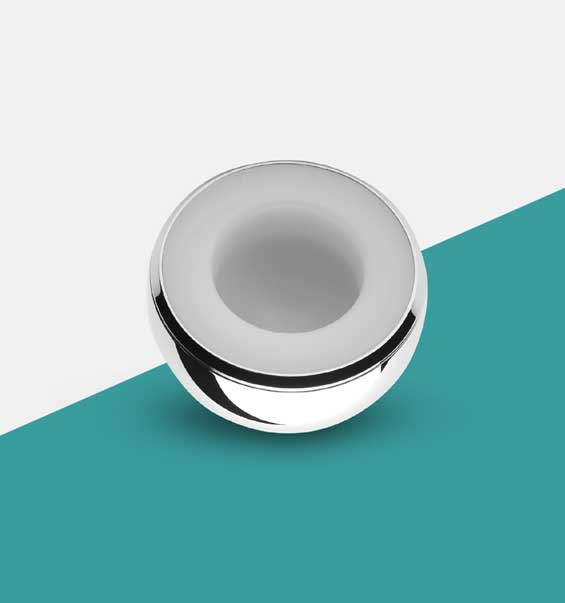 | Joint Replacement Modular Bipolar Cup Manufacturer A Modular Bipolar Cup Manufacturer specializes in producing advanced orthopedic components used in hip replacement surgeries. View product → |
Frequently asked questions
What does a modular bipolar component replace?
It replaces the femoral head and uses a metal outer shell against the patient’s native acetabulum, while retaining the acetabulum itself.
Which patients fit a bipolar implant?
Bipolar hemiarthroplasty fits patients needing femoral-head replacement when the acetabular cartilage remains suitable; acetabular disease may call for total hip replacement.
What are the advantages and trade-offs of bipolar hemiarthroplasty?
It avoids acetabular component implantation and can simplify reconstruction, but it leaves the native acetabulum exposed to contact with the outer shell.
How do you select a modular bipolar head, cup and stem?
Match the outer cup to the acetabular anatomy, select the correct inner head and bearing dimensions, and confirm the stem taper, neck length and intended offset.
How do you verify compatibility before surgery?
Compare the implant system’s compatibility chart, cup and head dimensions, taper specification, stem interface, catalog numbers and lot documentation before opening the components.
Related products
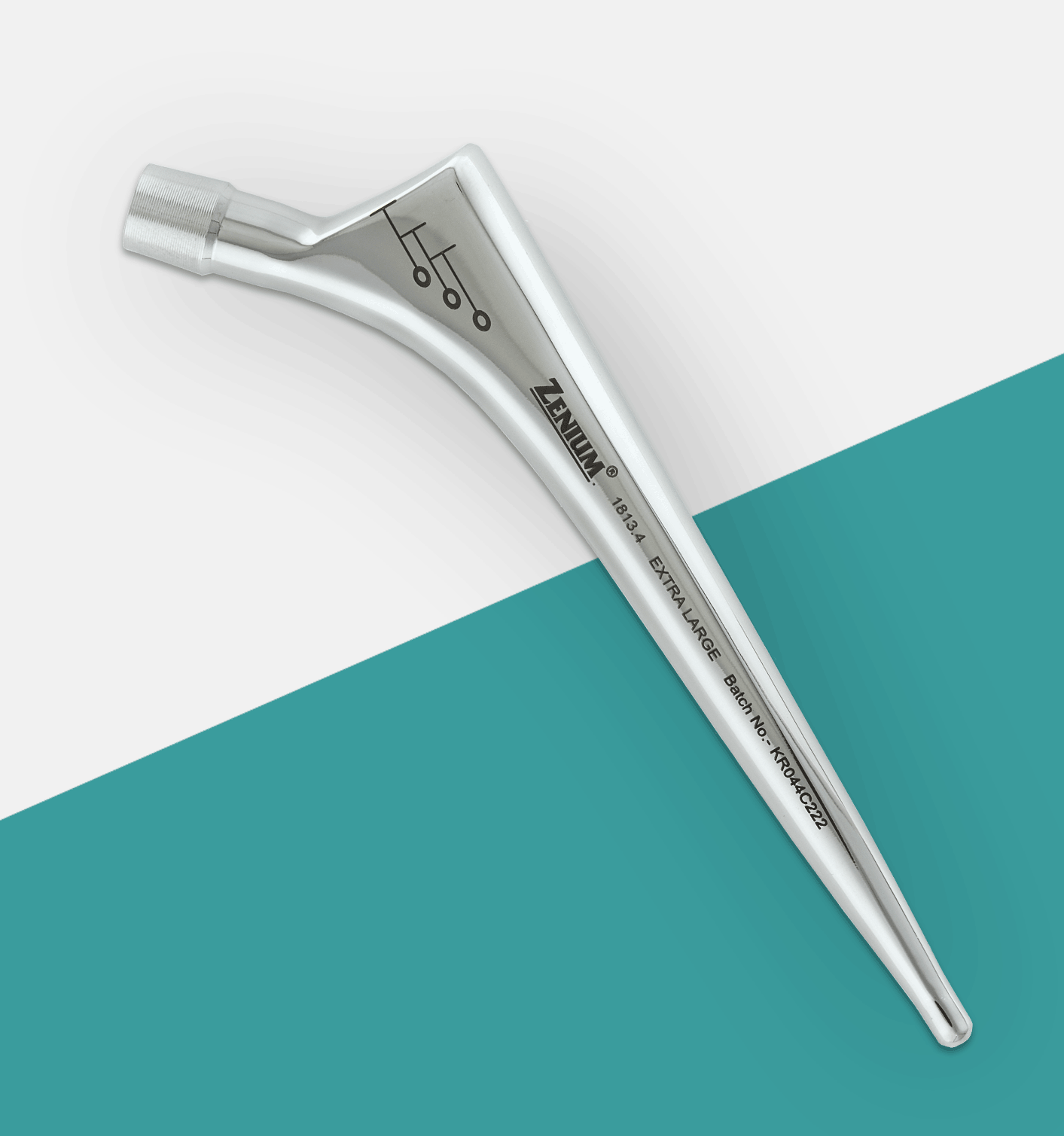 | Joint Replacement Bipolar Modular Stem (Cemented) Manufacturer The Bipolar Modular Stem (Cemented) is an orthopedic implant used in hip replacement surgeries, especially for elderly patients with fractured or... View product → |
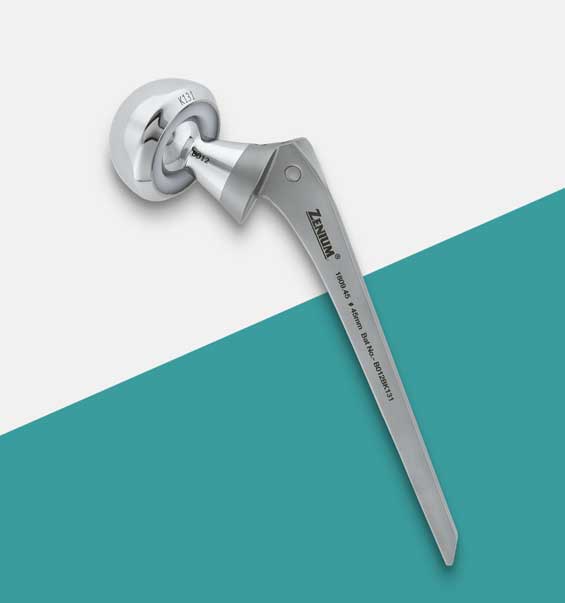 | Joint Replacement Bipolar Prosthesis (Non Fenestrated) Manufacturer The Bipolar Prosthesis (Non-Fenestrated) is a type of hip implant commonly used in hemiarthroplasty procedures, especially for treating femoral neck... View product → |
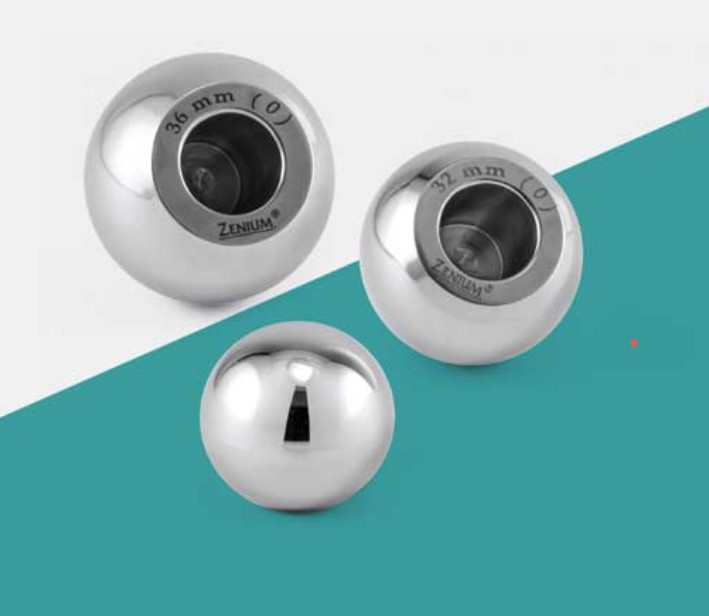 | Joint Replacement An Internal Head Manufacturer specializes in producing internal femoral heads used in hip replacement systems. View product → |