A bipolar modular stem is used to reconstruct the femoral side of the hip when the surgeon replaces the broken or damaged femoral head but retains the patient’s acetabulum. By the end, you will be able to distinguish its components, understand when hemiarthroplasty is preferred over total hip replacement, and identify the clinical and procurement details that determine whether a system is suitable.
Key takeaways
- A bipolar stem replaces the femoral head while leaving the acetabular socket intact.
- Choose hemiarthroplasty mainly when the socket remains suitable for a femoral implant.
- Compare cemented fixation with cementless fixation against bone quality and surgical priorities.
- Verify sizes, materials, sterilization records, traceability, and regulatory documents before purchase.
Which part of the hip does a bipolar modular stem replace?
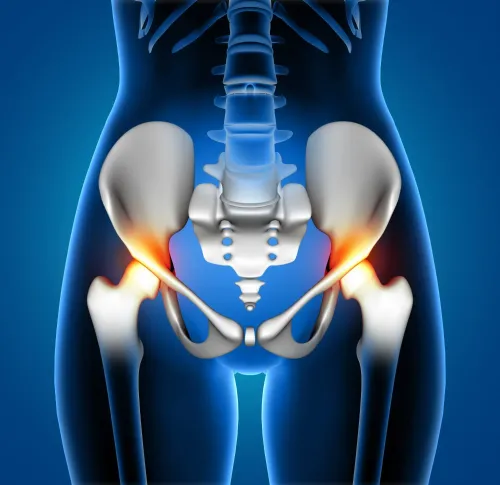
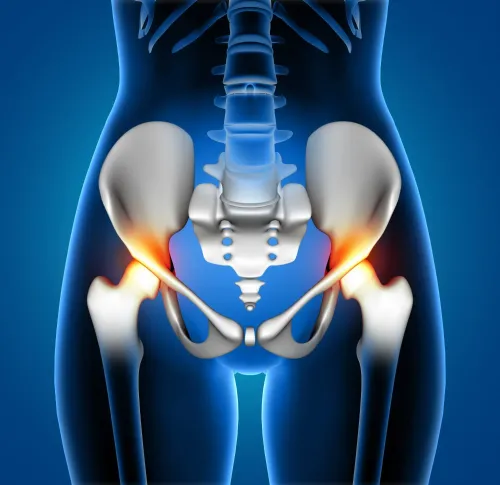
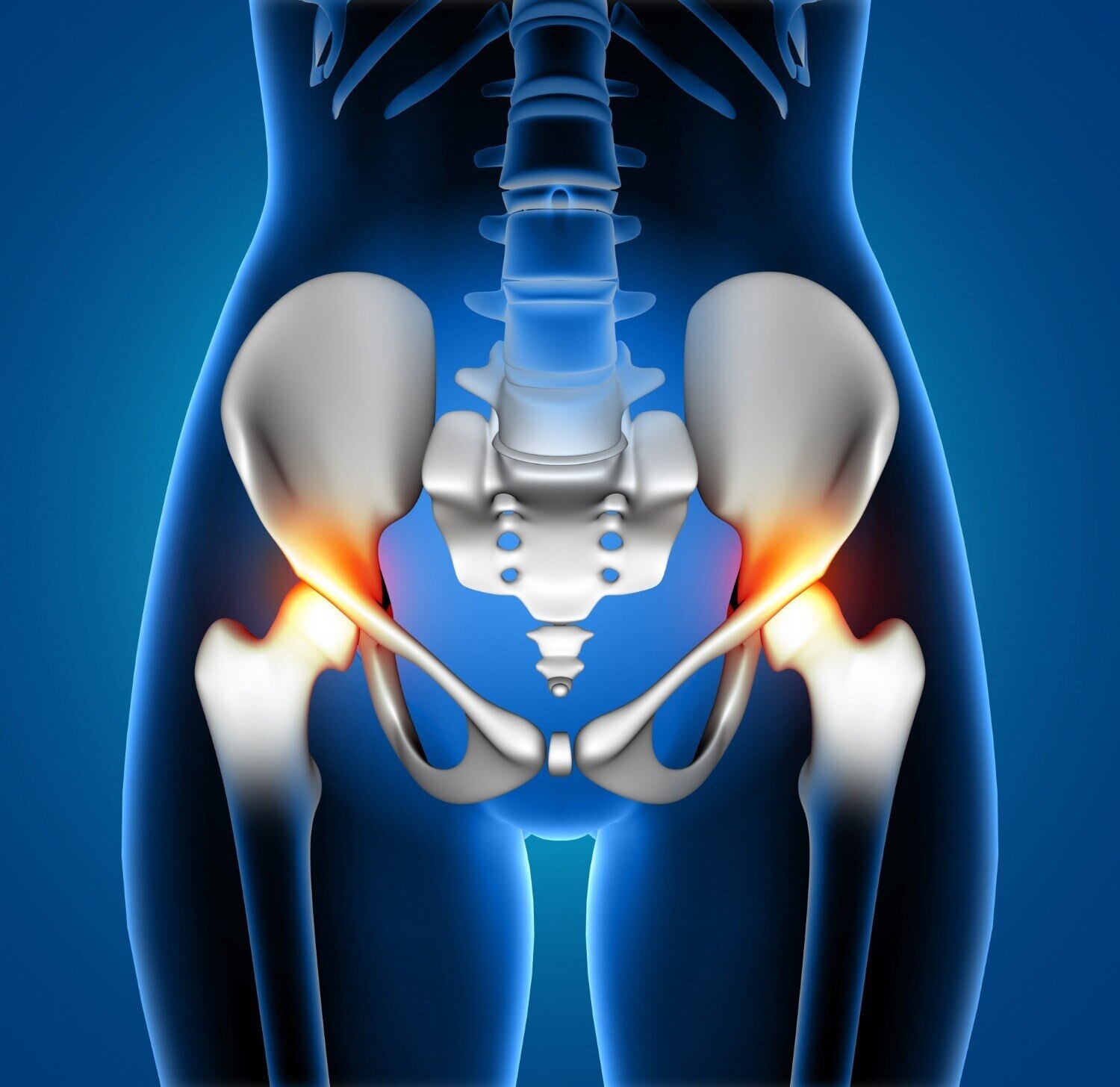
If you are asking what is a bipolar modular stem used for, it reconstructs the femoral side of the hip during hemiarthroplasty, commonly after a displaced femoral-neck fracture. It replaces the damaged femoral head and supports a new bearing while the patient’s acetabular socket remains in place.
| Part | What it does |
|---|---|
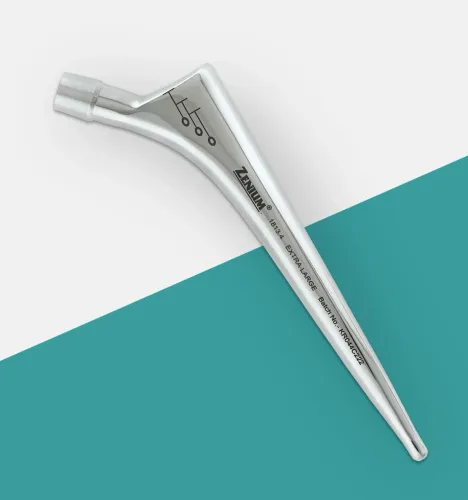
| Femoral stem | Sits inside the prepared femoral canal and anchors the implant in the thigh bone. |
| Modular femoral head or neck-head assembly | Connects to the stem and restores the head-and-neck geometry selected by the surgeon. |
| Bipolar cup or outer shell | Encloses the modular head and takes the place of the removed native femoral head. |
| Native femoral head | The patient’s damaged head, which is removed during hemiarthroplasty. |
| Acetabulum | The patient’s retained pelvic socket, against which the bipolar shell moves. |
The shell therefore replaces the removed femoral head, not the socket. The smaller internal interface lies between the modular head and shell; the outer interface lies between the shell and the retained acetabulum.
A bipolar modular stem is not an acetabular cup for total hip replacement. It does not resurface or replace the socket; total hip arthroplasty uses a separate component fixed inside the acetabulum.
How does the bipolar articulation work during hemiarthroplasty?
The bipolar modular stem explained in practical terms has two potential movement interfaces during hemiarthroplasty: a smaller inner articulation between the modular femoral head and the bipolar shell, and a larger outer articulation between that shell and the patient’s native acetabulum.
| Interface | What moves | What it means |
|---|---|---|
| Inner bipolar articulation | Femoral head inside the shell | Permits movement within the implant, but soft tissues, component contact, or bearing stiffness can restrict it |
| Outer articulation | Shell against the retained acetabular cartilage | Provides the main hip movement while leaving the socket unreplaced |
| Unipolar hemiarthroplasty | Femoral head directly against the acetabulum | Has no separate inner bearing between a head and shell |
“Modular” refers to separable implant connections, not simply to the bipolar bearing. Within a validated bipolar modular hip implant system, the surgical team can select stem size, neck length, head diameter, offset, or version to address leg length and soft-tissue tension.
The second articulation does not guarantee greater motion. Inner movement can contribute little in vivo, and the shell still loads acetabular cartilage; erosion remains possible. Compared with unipolar hemiarthroplasty, bipolar designs have not shown a universal clinical advantage in pain, function, revision, or acetabular erosion.
Selection therefore depends on the patient, implant system, surgeon judgment, and cost.
Which patients are candidates, and when is total hip replacement better?
A bipolar modular stem is most often considered for an older patient with a displaced intracapsular femoral-neck fracture, where the native femoral head cannot heal reliably. Selection depends on bone quality, walking ability before the fracture, outdoor activity, medical frailty and expected life expectancy.
| Option | Typical fit | Why |
|---|---|---|
| Hemiarthroplasty | Lower-demand, frail, or limited-mobility patient | Avoids preparing the acetabulum and usually involves less operative burden than total hip replacement |
| Total hip arthroplasty | Independently mobile outdoor patient without a major contraindication | Replaces both the femoral head and acetabular socket, offering a better fit when long-term function and activity matter |
| Neither without further planning | Infection, unusable femoral bone stock, or a revision problem needing another reconstruction | The stem may not achieve secure fixation, or the implant may not address the underlying problem |
Total hip arthroplasty deserves consideration when you were independently mobile outdoors and are expected to remain functionally independent. Pre-existing acetabular arthritis strengthens that case because a bipolar shell does not replace diseased socket cartilage.
A bipolar hemiarthroplasty is the wrong choice when advanced acetabular arthritis requires socket replacement, infection is present, the femur cannot securely support the selected stem, or a revision situation demands a different reconstruction.
Lower activity, substantial frailty and limited life expectancy often favour hemiarthroplasty because reducing operative complexity and dislocation risk may outweigh the advantages of replacing the socket.
Why choose a cemented stem instead of a cementless stem?
Cemented fixation gives the stem immediate stability, while a cementless stem depends on press-fit contact and later bone ingrowth. Cement is therefore strongly recommended for appropriate patients receiving arthroplasty for unstable or displaced femoral-neck fractures, especially when osteoporotic bone cannot reliably grip a press-fit implant.
| Option | How fixation works | Main trade-off |
|---|---|---|
| Cemented stem | Bone cement fills the prepared canal and fixes the stem immediately | Cement preparation and insertion can cause bone-cement implantation syndrome |
| Cementless stem | Oversized geometry grips bone by press fit, with biological ingrowth over time | Weak osteoporotic bone can provide inadequate initial fixation |
The National Institute for Health and Care Excellence recommends cemented implants for these fractures, and the American Academy of Orthopaedic Surgeons gives cemented stems a strong recommendation for arthroplasty of unstable or displaced femoral-neck fractures.
Cemented does not mean risk-free. Bone-cement implantation syndrome can produce hypoxia, hypotension, pulmonary hypertension, or cardiovascular collapse.
Risk controls belong in the operating plan:
- Identify cardiopulmonary risk before surgery.
- Establish explicit surgeon–anesthetist communication before cementing.
- Lavage and dry the femoral canal.
- Use retrograde cement delivery where appropriate.
- Insert the stem slowly and under control, while monitoring the patient closely.
What happens during implantation, and what can go wrong?
After exposing the fracture, the surgical team removes the native femoral head through the femoral-neck cut. The removed head is measured to guide bipolar shell sizing, while the femoral canal is opened, prepared, and broached to create the fit for trial stem sizes.
The team then tests the validated combinations available for that implant system:
| Trial decision | What the team assesses | Why it matters |
|---|---|---|
| Stem size | Canal fill and alignment | Reduces fracture and loosening risk |
| Modular neck and head | Leg length, offset, and soft-tissue tension | Restores hip mechanics |
| Bipolar shell and head | Fit and articulation | Prevents mismatch between components |
If cemented fixation is selected, the canal is lavaged, dried, filled with bone cement, and the stem is inserted under controlled pressure. After the cement sets, the team assembles the bipolar shell and modular head, reduces the hip, and tests stability, leg length, offset, and range of motion.
The operating team and follow-up clinicians monitor for:
- Dislocation from inadequate stability or soft-tissue tension
- Infection requiring antibiotics or further surgery
- Periprosthetic fracture during preparation or later loading
- Cemented-stem subsidence or loosening
- Leg-length or offset error causing limp, pain, or instability
- Acetabular erosion from shell contact
- Reoperation for any of these failures
What should hospitals verify before buying a bipolar modular stem?
A search for a cemented bipolar stem supplier in Santiago is a procurement task, not a clinical indication. Before comparing price or delivery terms, verify the complete implant system:
1. Confirm the exact stem model, cemented fixation method, size range, taper dimensions and taper angle, neck geometry, modular neck options, shell diameters, head diameters, and bearing materials.
2. Request written compatibility information for the specified bone cement, cement restrictor, centraliser, broaches, trials, impactors, extraction tools, and every instrument required for implantation. Missing instruments can delay surgery or force an unvalidated workaround.
3. Check that each component is supplied sterile, with its sterilization method, intact packaging requirements, lot number, expiry date, and traceability records. Obtain Spanish-language instructions for use covering assembly, cement handling, contraindications, and warnings.
4. Review regulatory documentation for the exact models, not a similar product family. Ask who handles complaints, field safety notices, replacement stock, training, and post-market surveillance.
5. Examine the manufacturer’s quality system and audit evidence. Do not combine components labelled 12/14, modular, or bipolar unless the manufacturer validates that exact combination; a similar label does not prove taper fit, locking strength, corrosion resistance, or clearance.
Komal Health Care Pvt Ltd belongs on the supplier comparison alongside system compatibility and documentation, never as a substitute for the surgeon’s implant selection.
Related product
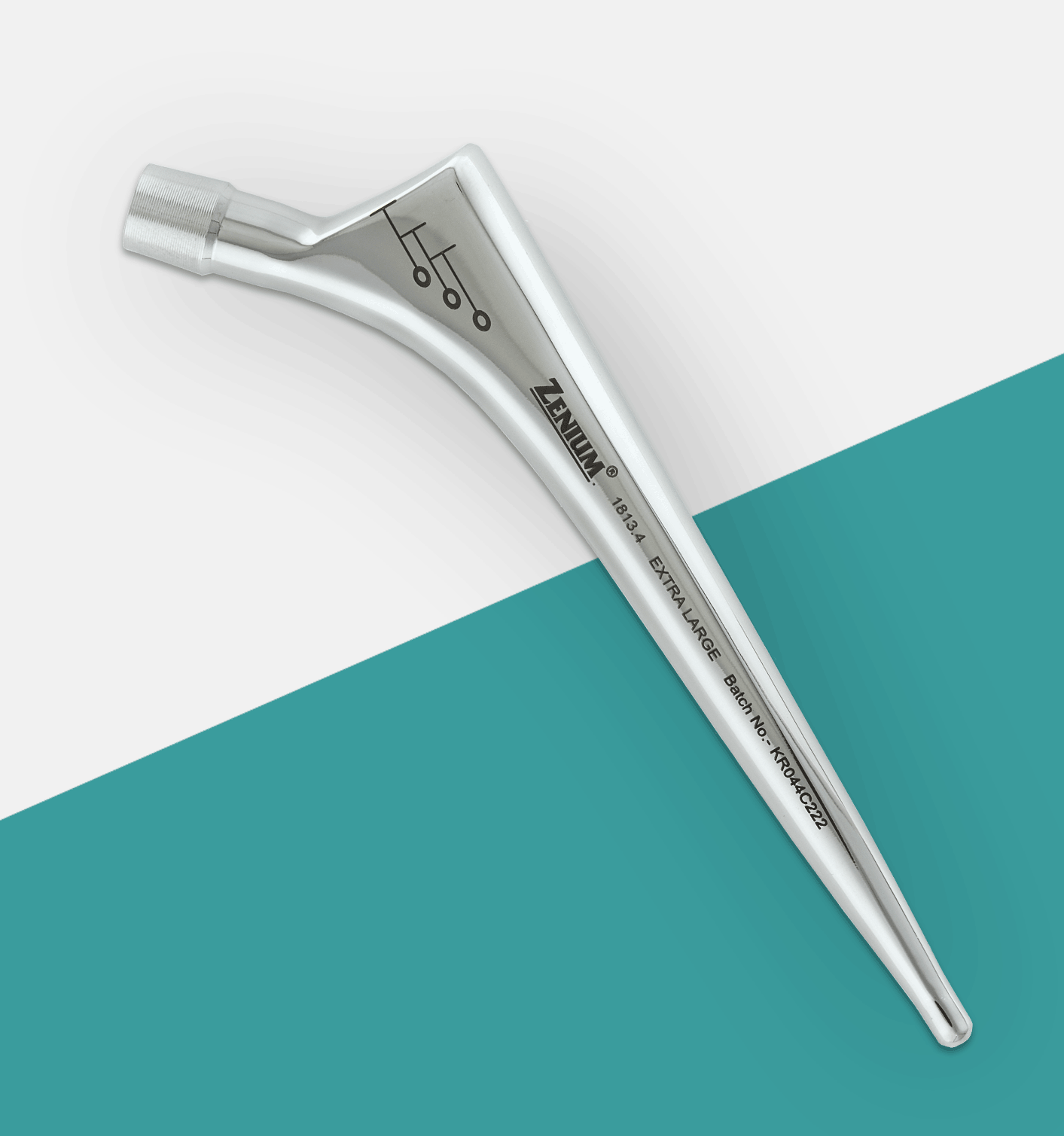 | Joint Replacement Bipolar Modular Stem (Cemented) Manufacturer The Bipolar Modular Stem (Cemented) is an orthopedic implant used in hip replacement surgeries, especially for elderly patients with fractured or... View product → |
Frequently asked questions
Which part of the hip does a bipolar modular stem replace?
It replaces the damaged femoral head and reconstructs the femoral side of the hip. The patient’s acetabular socket remains in place during hemiarthroplasty.
How does the bipolar articulation work during hemiarthroplasty?
The implant has an inner articulation between the femoral head component and the stem assembly, plus an outer articulation between the component and the acetabulum. This design allows motion at both interfaces.
Which patients are candidates for a bipolar modular stem?
It is commonly used for displaced femoral-neck fractures when the acetabulum remains suitable and hemiarthroplasty is appropriate. Patient age, activity, bone quality, health, and socket condition guide the choice.
When is total hip replacement better than hemiarthroplasty?
Total hip replacement replaces both the femoral head and acetabular surface. It is considered when the socket has arthritis or damage, or when the patient’s function and health make the additional procedure worthwhile.
Why choose a cemented stem instead of a cementless stem?
Cemented fixation secures the stem with bone cement and can provide immediate stability in weaker bone. Cementless fixation relies on bone growth into the implant, so bone quality and the surgeon’s fixation plan matter.