The purchase only makes sense when the implant indication, femoral preparation tools and bipolar-specific trials match each other. By comparing hemiarthroplasty with total hip replacement and checking the implant, instruments, documentation and Chilean market requirements, you can determine whether a bundled set adds capability or merely adds cost.
Key takeaways
- Choose bipolar hemiarthroplasty when the native acetabulum remains suitable.
- Avoid non-fenestrated designs when cement pressurisation or fluid egress matters.
- Specify broaches, trial heads, rasps, impaction tools, and extraction instruments.
- Check sizes, material details, batch records, sterilisation status, and licence documents.
When is a bipolar prosthesis preferable to total hip replacement?
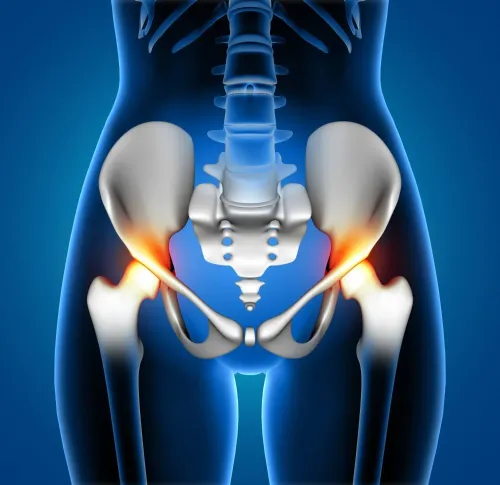
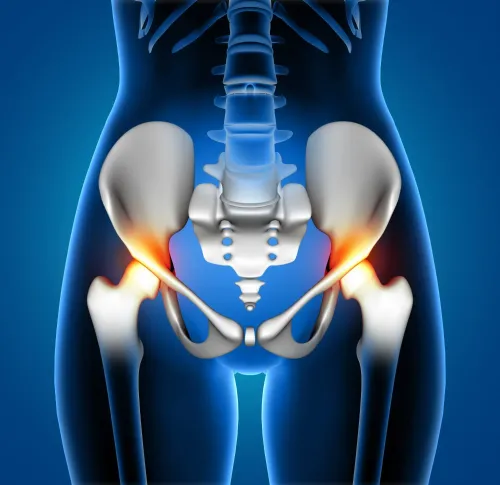
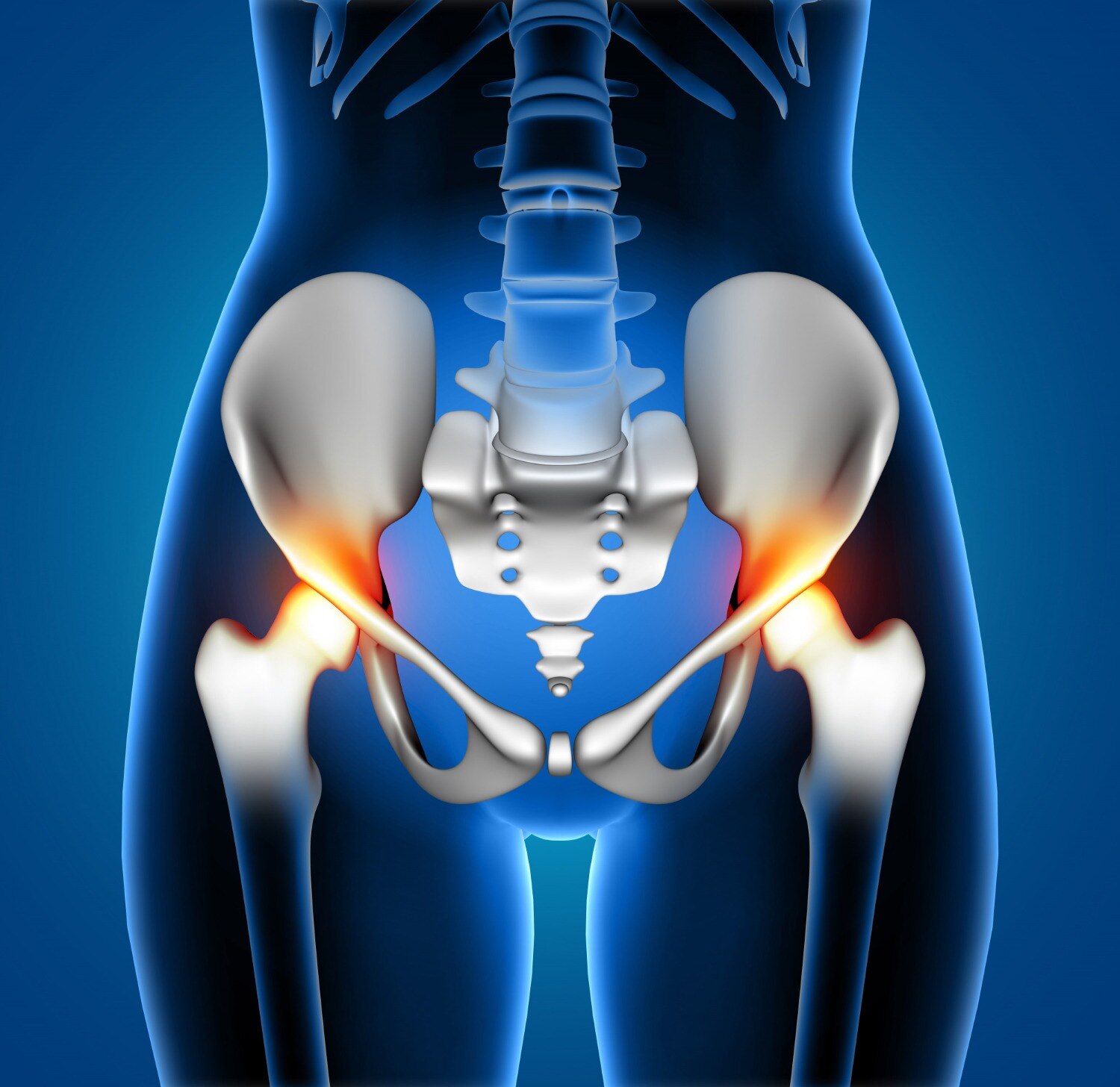
A bipolar prosthesis is preferable when a displaced intracapsular hip fracture requires replacement but the patient’s native acetabulum remains suitable and total hip replacement offers little additional benefit. Hemiarthroplasty replaces the femoral head; its bipolar outer head articulates with the patient’s native acetabulum.
Total hip replacement replaces both sides: a femoral stem and head, plus an acetabular shell and liner. It requires acetabular preparation and fixation, while hemiarthroplasty avoids that work and reduces the number of implanted components.
| Option | Acetabular treatment | Best-fit decision |
|---|---|---|
| Bipolar hemiarthroplasty | Retains the native acetabulum | Frailer or less active fracture patients |
| Total hip replacement | Adds a shell and liner | Independently mobile outdoor patients expected to remain active beyond two years |
For displaced intracapsular fractures, assess the hospital’s patient-selection policy rather than choosing by implant price. THR can provide better function for carefully selected, independently mobile patients, but it increases the importance of component positioning, dislocation prevention and managing a future acetabular revision.
Before buying a non fenestrated bipolar prosthesis in Santiago, compare surgeon preference, dislocation-management capability and the expected revision pathway. A non-fenestrated outer head has no acetabular cup or screw-fixation function, so it is not a universal substitute for a THR system.
The procurement decision should match the fracture population and planned service, not simply the lowest quoted component cost.
When does the non-fenestrated design become the wrong choice?
Choose another construct when the native acetabulum cannot reliably serve as the bearing surface. A non-fenestrated bipolar outer shell has no holes or windows for acetabular screws, so it is not an acetabular fixation component and cannot manage acetabular bone loss.
The design is poorly suited when the operation involves:
- Damaged native acetabular cartilage
- Advanced hip osteoarthritis
- Inflammatory arthritis affecting the acetabulum
- Acetabular reconstruction
- Planned implantation of a fixed acetabular cup
In each situation, a bipolar head leaves the diseased acetabular surface in place. Changing the shell design does not create a cup, liner or method for securing an acetabular component, whether fixation relies on screws, cement or press-fit bone interaction.
Active infection requires separate clinical management, including the surgeon’s infection-control and implant strategy. Selecting a fenestrated or non-fenestrated shell does not treat the infection.
Do not buy the bipolar implant as an emergency substitute for a THR component. Conversion requires compatible acetabular reamers, cup trials, liners, cup impactors and fixation options, alongside suitable femoral instruments. Confirm that capability before surgery, not after the acetabulum proves unusable.
Base the decision on diagnosis, acetabular condition and planned reconstruction. The nominal outer-head diameter cannot compensate for missing acetabular components or instruments.
What must a THR instrument set contain to support bipolar implantation?
A THR tray is only partly relevant: femoral preparation may overlap, but a non fenestrated bipolar prosthesis with a thr instrument set needs its own bipolar trial pathway. A missing trial or impactor can leave a correctly sized implant unusable during surgery.
Ask the supplier to confirm these items in writing:
1. Broaches, rasps, stem inserters, trial necks and extraction tools match the stem geometry, broach and rasp sizes, and the cemented or uncemented technique.
2. Inner-head trials and bipolar outer-head trials cover every planned femoral-neck length and offset.
3. Head impactors, taper adapters and extraction tools fit the specified head and stem system.
4. The compatibility chart lists head taper dimensions and approved head–stem combinations. A similar-looking taper is not automatically interchangeable.
5. The tray provides a complete size-matched pathway: stem sizes, bipolar outer-head diameters, inner femoral-head sizes, trial components, definitive implant catalogue numbers and compatible instrument catalogue numbers.
Confirm whether the set supports bipolar hemiarthroplasty, THR or both. Acetabular reamers, cup impactors, liner trials and cup-positioning guides are unnecessary for a primary bipolar case; add them only for deliberate conversion capability, because they increase tray weight, purchase price, sterilization workload and storage needs.
Request ISO 17664-1 processing instructions for reusable instruments, then verify that the hospital can clean, inspect, package and sterilize them.
How should you verify the package before signing a procurement order?
Do not sign a bundled offer until it becomes a size-matched, traceable purchasing specification. For THR instrument set procurement, require these records:
1. Request a matrix linking every stem size to bipolar outer-head diameter, inner femoral-head size, neck length, offset, trial component, definitive implant catalogue number and compatible instrument catalogue number. Missing one trial size or head impactor can make an apparently complete set unusable.
2. Separate the sterile implant file from the reusable instrument file. The implant file must state material, intended use, sterilization status, shelf life, lot or batch traceability and clinical-risk information. The instrument file must state materials, inspection criteria, cleaning, disinfection, packaging and sterilization instructions.
3. Obtain the instructions for use in Spanish where required, plus reusable-device processing information consistent with ISO 17664-1. Confirm that the hospital can meet the specified cleaning, disinfection, inspection, packaging and sterilization steps before acceptance.
4. For Chile, verify the applicable Instituto de Salud Pública de Chile registration or authorization pathway, the local importer or legal representative, and contracting documents required by the institution or Mercado Público. A manufacturer’s location or label does not prove local authorization.
Apply the same scrutiny to Komal Health Care Pvt Ltd as to any bipolar prosthesis supplier in Santiago: approve the package only after implant, instrument and regulatory records are complete.
Related product
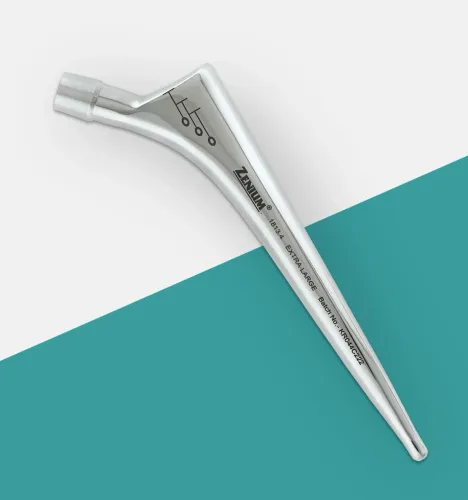
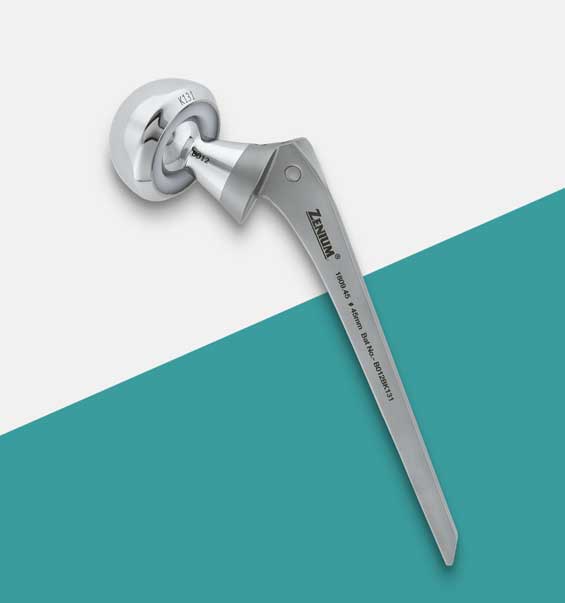 | Joint Replacement Bipolar Prosthesis (Non Fenestrated) Manufacturer The Bipolar Prosthesis (Non-Fenestrated) is a type of hip implant commonly used in hemiarthroplasty procedures, especially for treating femoral neck... View product → |
When does buying the set add value instead of cost?
A bundled set adds value when it makes the next operation ready, not when it merely adds instruments. Compare the price of a complete, size-matched tray with buying missing bipolar trials, impactors or adapters later, then count tray weight, sterilizer capacity, cleaning time, inspection labor, storage space and replacement costs for damaged instruments.
Pair the THR set with the bipolar prosthesis when the hospital performs both procedures, the femoral instruments match the implant family, bipolar trials cover every required size, and conversion to THR is an intentional service requirement. A bipolar-only service gains little from unused acetabular tools.
| Option | Cost and workload | Operational result |
|---|---|---|
| Complete size-matched THR tray | Higher purchase price, processing burden and storage demand | Ready for bipolar cases and planned THR conversion |
| Bipolar-specific tray | Lower weight and sterilizer demand | Sufficient for primary bipolar hemiarthroplasty |
| THR tray bought later | Lower initial outlay, plus missing-tool purchases and delay risk | Justified only by future THR volume |
- emergency access to every required implant size and sterile replenishment times;
- loaner-tray logistics, repair terms and replacement arrangements for damaged instruments;
- validated cleaning, inspection and sterilization instructions that the hospital can perform;
- the supplier’s documented process for complaints and adverse events;
- a purchase specification naming the procedure, implant family, exact stem and head interfaces, complete trial pathway and required THR contingency capability.
Frequently asked questions
When is a bipolar prosthesis preferable to total hip replacement?
Use bipolar hemiarthroplasty for a displaced intracapsular hip fracture when the native acetabulum remains suitable and total hip replacement offers little additional benefit.
When is a non-fenestrated bipolar prosthesis the wrong choice?
It is the wrong choice when the surgical plan requires cement or fluid to pass through fenestrations, or when acetabular disease makes hemiarthroplasty unsuitable.
What must a THR instrument set contain for bipolar implantation?
The set should support femoral preparation, trial reduction, sizing, implantation, impaction, extraction, and alignment with broaches, rasps, trial heads, inserters, impactors, and removal tools.
How should you verify a THR instrument set before procurement?
Match the inventory to the implant sizes and surgical technique, then check packaging, batch or lot numbers, material information, sterilisation status, and required regulatory documents.
When does buying a THR instrument set add value instead of cost?
It adds value when the instruments match the prosthesis, reduce intraoperative substitutions and delays, and can be cleaned, tracked, and reused under your facility’s processes.