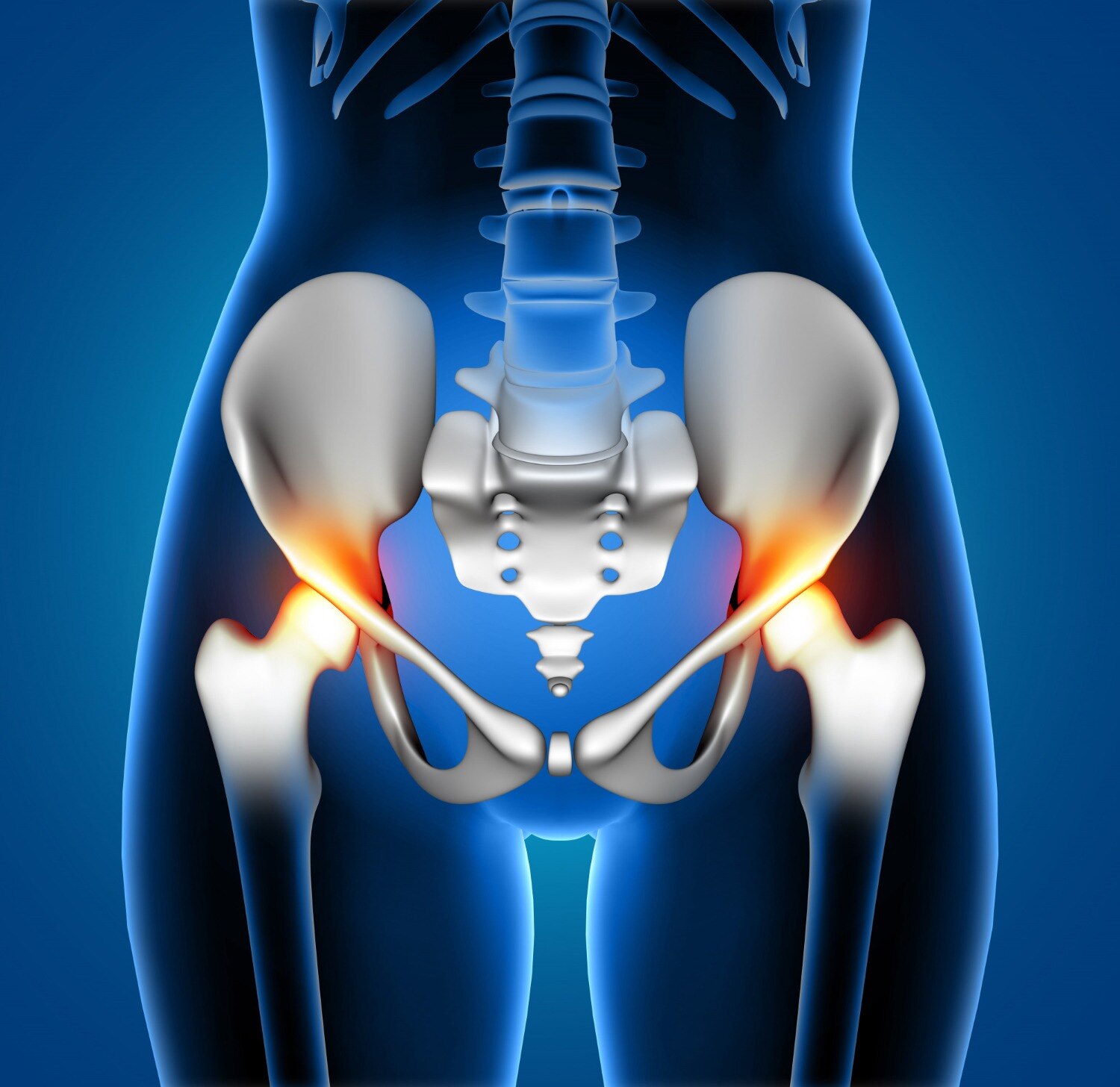
Choosing a hip cup fixation method requires more than comparing cemented and uncemented labels: bone quality, component design, surgical technique and the complete bearing construct all affect the result. By the end, you will be able to compare fixation options, identify the clinical conditions that change the decision, and build a practical specification and procurement checklist.
Key takeaways
- Use cemented cups when reliable cement interdigitation suits the patient’s bone and load demands.
- Choose press-fit fixation when bone quality supports primary stability and later bone ingrowth.
- Confirm cup inclination, anteversion, liner compatibility, and shell or cement specifications.
- Request material certificates, testing records, traceability data, and sterilisation details from suppliers.
How cemented and press-fit cups achieve fixation
The principal hip implant fixation options are PMMA-cemented cups, porous-coated press-fit shells, screw-assisted press-fit shells, and hybrid constructs. A cemented acetabular cup is usually all polyethylene; PMMA fills prepared cancellous bone and holds the cup through mechanical interdigitation. It does not invite bone growth.
A porous shell instead needs stable initial contact, followed by bone ongrowth or ingrowth.
| Option | Immediate stability | Load transfer and biology | Revision trade-off |
|---|---|---|---|
| Cemented cup | PMMA provides fixation during curing | Load passes through the cement mantle; no biological ingrowth | Removal can disrupt the mantle and bone, but avoids waiting for ingrowth |
| Press-fit shell | Stable hemispherical and rim contact is essential | Load transfers into host bone; porous coating supports ongrowth or ingrowth | Failed ingrowth can leave a loose shell and cause bone loss |
| Screw-assisted shell | Screws supplement shell fixation | Screws add initial purchase but cannot rescue an unstable shell-bone fit | Screw prominence or penetration adds risk during placement and revision |
| Hybrid construct | One component is cemented and another relies on press-fit fixation | Each interface has its own load path and failure pattern | Revision planning must address both fixation methods |
The practical question for hip implants—cemented acetabular cup versus alternative fixation—is whether the interface will remain stable under load. Excessive reaming, undersizing, poor bone, or an inadequate rim fit can leave a press-fit shell moving too much for ingrowth; screws do not correct that fundamental problem.
A cemented acetabular cup comparison must also include the stem, bearing, liner, head diameter, and articulation. Dual-mobility cups are a separate bearing strategy: their mobile liner can reduce instability but introduces intraprosthetic dislocation risk.
When patient and bone factors change the fixation decision
A cemented cup is a reasonable choice when the surgeon can obtain a continuous cement mantle and the patient’s bone will not reliably support initial press-fit stability. Poor cancellous bone, limited acetabular bone stock, fracture-related reconstruction, or a need for immediate mechanical stability can favour PMMA fixation.
For a primary elective total hip replacement, NICE recommends cemented implants rather than making uncemented fixation the default. That population-level recommendation does not make cemented fixation correct for every acetabular shape or patient.
A young, active patient is not automatically excluded, but a longer lifetime creates more opportunity for revision, so the complete bearing and fixation construct matters.
A cemented acetabular cup becomes the wrong choice when:
- Infection is present or the bone cannot provide a clean, prepared bed.
- Severe bone loss prevents containment, pressurisation, or a reliable cement mantle.
- The component design depends on porous biological ingrowth rather than PMMA fixation.
- The surgical team cannot achieve adequate exposure, lavage, drying, controlled cement delivery, pressurisation, and full seating.
The cemented acetabular cup comparison must also include age, activity, diagnosis, bone quality, femoral fixation, bearing materials, and revision goals; no universal age cut-off settles the decision. Hip implant fixation options carry different failure patterns.
Frailty and hip-fracture surgery raise concern for bone-cement implantation syndrome, requiring risk assessment, anaesthetic coordination, monitoring, and a controlled cementing sequence—not automatic rejection of cement.
What the cementing technique must accomplish
A durable cemented acetabular fixation depends on creating a clean, dry, uniformly bonded interface before PMMA cures. The cup specification alone cannot compensate for poor preparation, trapped fluid, soft-tissue interposition or incomplete seating.
- Prepare the acetabulum by removing loose cancellous debris and exposing sound bone. Lavage clears blood and particles; controlled drying prevents fluid from weakening cement interdigitation.
- Handle PMMA according to its instructions for use. Mix and deliver it consistently, avoid contamination, and introduce it at the specified working phase; delayed or poorly controlled delivery can leave voids and uneven coverage.
- Pressurise the cement into prepared cancellous bone before inserting the cup. Sustained, even pressure improves mechanical interlock, while inadequate pressure produces a thin or discontinuous mantle.
- Seat the cup fully at the planned position and hold it still. Cement trapped between the rim and bone, soft tissue at the interface or partial seating creates a weak zone and can produce radiographic defects.
- Maintain position until curing is complete. Movement during polymerisation can loosen the interface, alter cup orientation or create gaps that are difficult to correct later.
The cemented acetabular cup manufacturer should define the approved PMMA, delivery method, instruments and seating technique rather than leaving these decisions to assumption. A useful cemented acetabular cup comparison therefore assesses the complete, validated construct and its surgical protocol—not the cup label alone.
How to verify cup position and construct compatibility
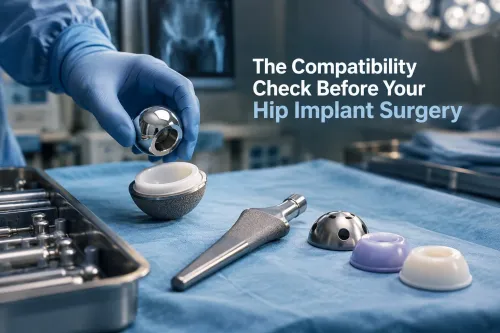
Accept a cup only after the team confirms its planned three-dimensional position and every mating component belongs to the same approved construct.
Record inclination and anteversion against the operative plan, then assess the hip centre of rotation, medialisation, superior-inferior position, acetabular coverage, leg length, femoral offset and combined anteversion. Trial reduction must show stable motion without neck-cup impingement or excessive laxity.
The hip implant fixation options determine which interface requires direct confirmation:
| Check | Cemented cup | Alternative cup |
|---|---|---|
| Position | Inclination, anteversion, centre and seating depth; check radiopaque markers and mantle continuity | Inclination, anteversion, hemispheric coverage, shell seating and screw trajectory |
| Fixation interface | Approved PMMA cement, cup-cement contact, full seating, no voids or soft-tissue interposition | Shell-bone contact, press-fit stability, porous surface engagement and screw purchase |
| Component interfaces | Cup inner diameter, liner, femoral head and stem taper must match the approved system | Shell, fixed or mobile liner, head and stem must match; confirm dual-mobility capture |
Review the acetabular cup specifications for fixation mode, outer diameter, internal diameter or head range, cup and liner materials, bearing, orientation options, screw-hole pattern, instruments, sterilization status and packaging shelf life. “Titanium cup” alone proves none of these.
Before acceptance, match the cement, cup, liner, head, stem and instruments to the manufacturer’s compatibility file and lot records. Reject substitutions that lack validated interface evidence, even when their dimensions appear identical.
What to compare in a cup specification and supplier file
A supplier file must identify the complete construct, not merely label a product “polyethylene cup” or “titanium cup.” For hip implants, cemented acetabular cup versus alternative fixation is a comparison of fixation, bearing and interfaces together; registry outcomes can change when the stem, liner, head and patient population change.
| Option | What to compare | Failure if absent |
|---|---|---|
| Cemented cup | Fixation mode, outer diameter, internal diameter, cup material, cement interface and approved PMMA cement | You cannot confirm the intended cement mantle or compatible cement |
| Press-fit cup | Shell alloy, porous coating, screw-hole pattern, liner lock and permitted screws | A shell may be confused with a complete bearing construct |
| Both systems | Liner material, head diameter and material, articulation, offsets, orientations and compatible femoral component | Mismatched components can alter stability, wear or range of motion |
Request these records from the cemented acetabular cup manufacturer:
- Validated cup-cement interface data, permitted preparation and pressurisation technique, radiographic marker layout, and compatible instruments.
- Size chart, liner and femoral-head compatibility matrix, approved femoral components, sterilization method, packaging shelf life and storage conditions.
- Device identifier, lot or batch number, implant label, instructions for use and a traceability process linking the implant to the patient and procedure.
- Clinical, randomized or registry evidence for the exact marketed cup, cement, bearing and stem combination—not a similar product family.
Komal Health Care Pvt Ltd should provide the same evidence package for comparison: the specification must show what the surgeon can implant together, not just what the catalogue names.
Related products
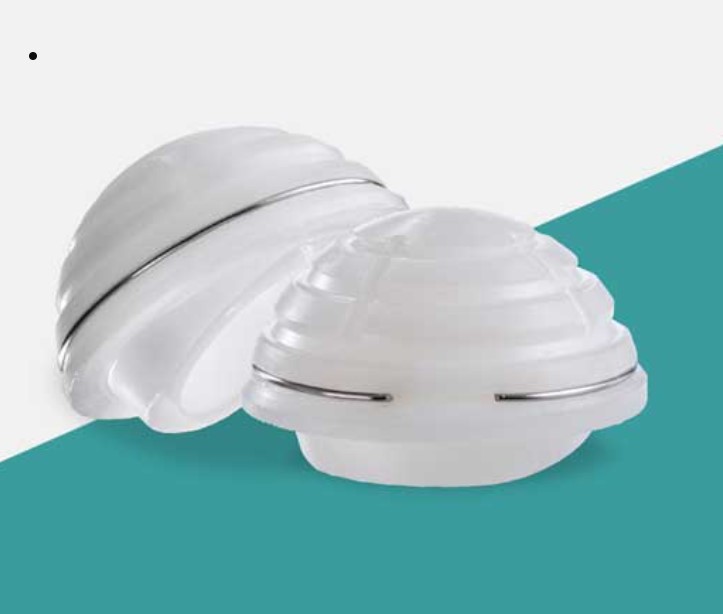 | Joint Replacement Acetabular Cup Cemented Manufacturer An Acetabular Cup Cemented Manufacturer produces acetabular components specifically designed for cemented fixation in total hip replacement... View product → |
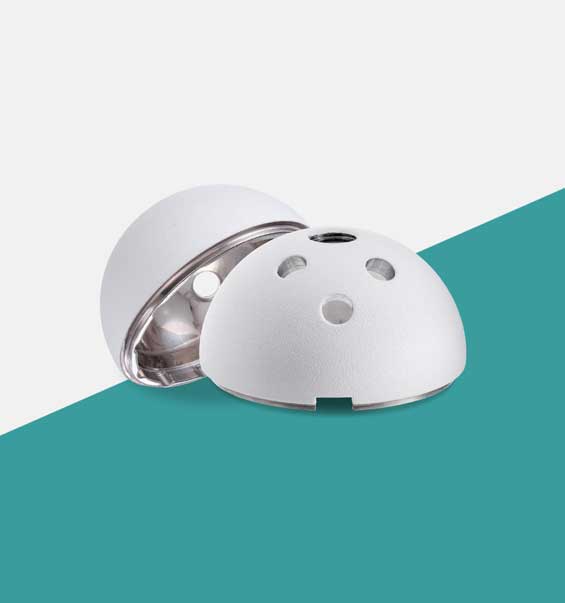 | Joint Replacement The Acetabular Cup is a key component in total hip replacement surgery, designed to fit into the hip socket (acetabulum). View product → |
Frequently asked questions
How do cemented and press-fit acetabular cups achieve fixation?
A cemented cup uses PMMA to fill prepared cancellous bone and secure the cup through mechanical interdigitation. A press-fit shell achieves initial stability through an interference fit, with porous surfaces intended for bone ingrowth; screws can provide additional fixation.
Which patient and bone factors affect the fixation decision?
Assess bone density, cancellous bone quality, deformity, age, activity level, fracture risk, and the need for immediate primary stability. Poor bone that cannot support an interference fit can favour cement, while strong bone can support press-fit fixation.
What must the cementing technique accomplish?
The technique must create a clean, dry, adequately prepared acetabular bed, pressurise PMMA into cancellous bone, remove excess cement, and seat the cup at the planned position before polymerisation.
How do you verify cup position and construct compatibility?
Check inclination, anteversion, centre of rotation, shell or cup seating, and radiographic alignment. Confirm that the liner, femoral head, shell, screws, cement, instruments, and locking features are designed to work together.
What should you compare in an acetabular cup specification and supplier file?
Compare cup material, sizes, geometry, fixation method, porous coating or cement interface, radiopacity, locking mechanism, compatible components, sterilisation method, shelf life, lot traceability, test reports, and regulatory documents.
Related products
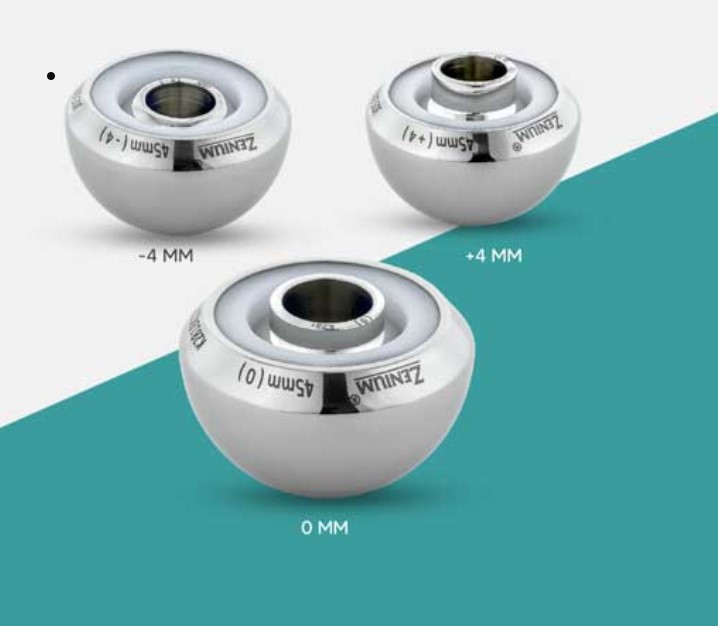 | Joint Replacement Modular Bipolar Cup (With Head) Manufacturer The Modular Bipolar Cup (With Head) is an advanced hip implant system used in hemiarthroplasty procedures, particularly for treating femoral neck... View product → |
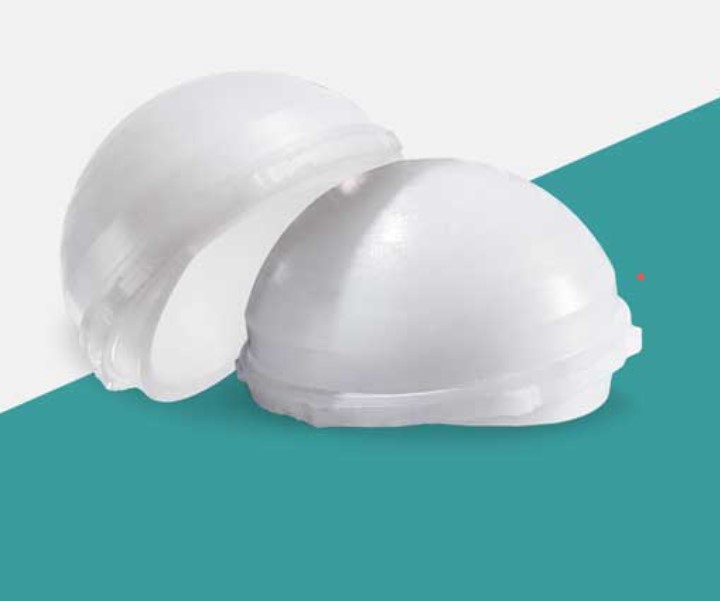 | Joint Replacement Acetabular Cup Liner Manufacturer An Acetabular Cup Liner Manufacturer specializes in producing liners that fit inside the acetabular cup during total hip replacement surgeries. View product → |
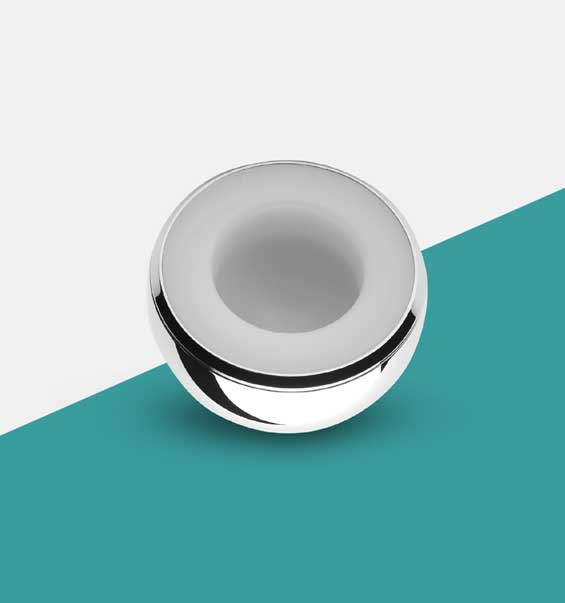 | Joint Replacement Modular Bipolar Cup Manufacturer A Modular Bipolar Cup Manufacturer specializes in producing advanced orthopedic components used in hip replacement surgeries. View product → |
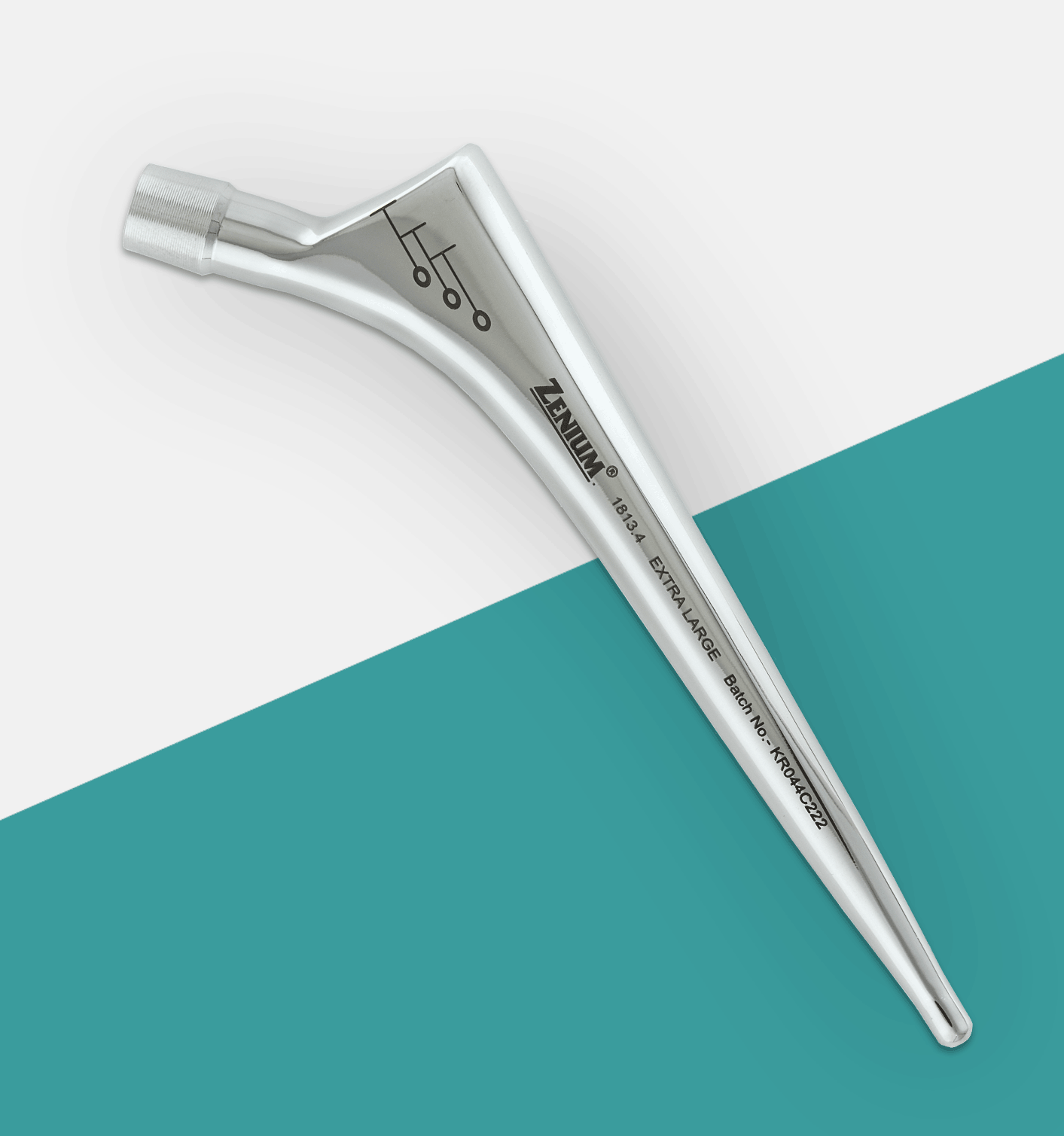 | Joint Replacement Bipolar Modular Stem (Cemented) Manufacturer The Bipolar Modular Stem (Cemented) is an orthopedic implant used in hip replacement surgeries, especially for elderly patients with fractured or... View product → |