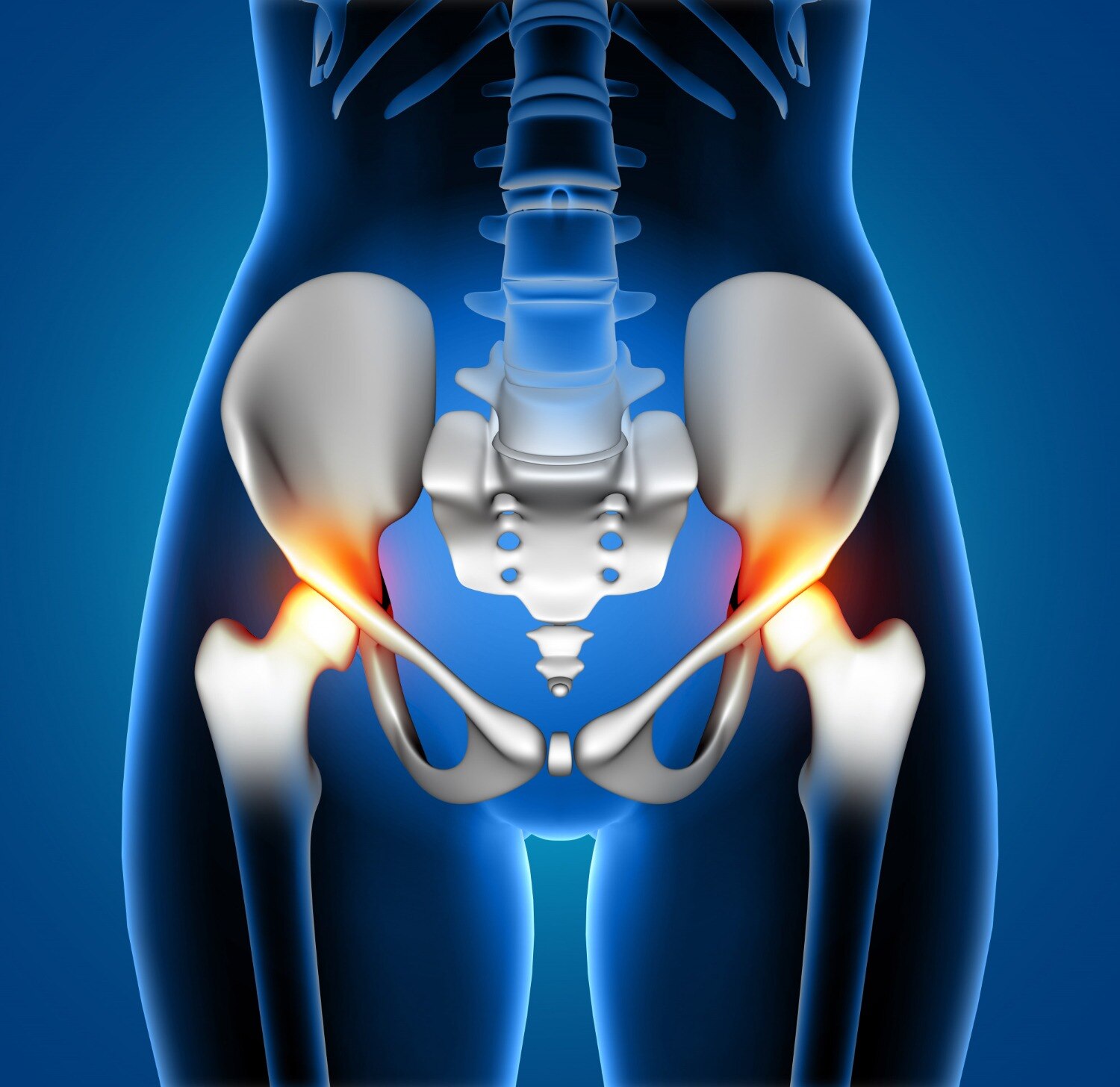
A distal cement restrictor can fail before the stem is implanted, or fixation can deteriorate later for reasons that have nothing to do with the plug. By tracing placement, cement handling, radiographic findings, fixation choice and purchasing controls, you can separate an intraoperative error from aseptic loosening, infection or an incompatible implant system.
Key takeaways
- Position the restrictor below the planned stem tip and preserve the distal cement mantle.
- Inspect for migration, cement leakage, canal perforation and inadequate cement during surgery.
- Compare serial radiographs for stem sinking, rotation, radiolucent lines and fracture.
- Verify sizing data, material details, traceability records and compatibility before ordering components.
How should a cemented restrictor be positioned and sized?
Position the restrictor below the planned stem tip at a depth that preserves the intended distal cement mantle. Measure canal depth with the named stem system’s broach, trial stem, depth gauge or calibrated insertion rod, accounting for stem length, the planned tip position and the required cement below it.
Use the manufacturer’s insertion instrument to place the restrictor, because canal geometry is not reliably represented by the stem diameter alone. Select its diameter from the combination of distal stem size, prepared canal diameter, taper, curvature and the system’s stated tolerances.
Hip implants fixation issues can begin with assuming that a generic plug fits every canal.
- Confirm the restrictor reaches the marked depth without excessive force.
- Check that it engages the canal circumferentially and remains below the planned stem tip.
- Verify seating after lavage and drying, then again during cement delivery and pressurisation.
- Stop if it rotates, migrates, cracks, leaks cement or obstructs the delivery tube.
| Restrictor choice | Likely consequence |
|---|---|
| Undersized | Cement can bypass the plug, reduce pressure, create distal voids and allow migration. |
| Oversized | Advancement can damage cancellous bone, resist safe seating or shorten the intended cement column. |
| Correct system-matched size | Limits cement escape and supports a continuous distal cement mantle. |
The restrictor controls cement escape; it is not a fixation device. Follow the femoral stem system’s instructions for use, including compatible cement, stem lengths and insertion depth. Poor lavage, drying, cement mixing or maintained pressurisation can still cause fixation defects even when the restrictor remains seated.
Which restrictor failures can be recognised during the operation?
A failing restrictor is identified before stem insertion when it migrates, will not reach the planned depth, rotates, cracks, or allows cement to bypass its seal. Obstruction of the cement delivery tube is another warning. If the plug will not hold during lavage, drying or trial pressurisation, stop and reassess rather than cement the stem.
Look for these intraoperative signs:
- The restrictor moves distally during insertion or lavage.
- It remains above the planned position or cannot be advanced safely.
- It rotates instead of engaging the prepared canal.
- It cracks during insertion or pressurisation.
- Cement passes around it, or a continuous distal cement plug cannot form.
- The delivery tube is blocked, preventing controlled cement placement.
Not every cement defect indicates a restrictor failure. Cemented restrictor hip implant problems must be separated from preparation and handling errors.
| Finding | More likely explanation | Consequence |
|---|---|---|
| Retained marrow, blood, fat or cancellous debris; inadequate lavage or drying | Poor femoral preparation | Weak cement–bone interlock despite a seated plug |
| Incorrect polymethylmethacrylate mixing, late insertion, inadequate pressurisation or pressure loss during polymerisation | Cement handling failure | Voids, poor penetration or an incomplete mantle |
| Malpositioned stem or visible mantle gap | Stem placement or cementation defect | Uneven mantle and early instability |
A radiopaque marker helps locate the device on imaging, but it does not prove mechanical retention or an intact mantle. Proceeding with a loose, leaking or cracked plug can reduce cement pressure, create distal voids and produce early stem instability.
How are later stem sinking, rotation and pain investigated?
Serial radiographs distinguish an early cementing defect from later fixation failure by showing whether the stem has moved from its original position. Compare stem subsidence, varus or rotational change, radiolucent lines at the cement–bone and stem–cement interfaces, cement mantle defects, distal pedestal formation and periprosthetic fracture.
| Stage | Radiographic or clinical pattern | Interpretation |
|---|---|---|
| Early postoperative | Inadequate mantle, visible cement void, poor cement penetration or malpositioned stem | Cementing defect; review canal preparation, cement viscosity and pressurisation |
| Later aseptic failure | Progressive subsidence, varus or rotation, interface lucencies, pedestal formation or new pain | Possible loosening; correlate serial images with examination |
| Any stage with systemic concern | Pain with fever, wound change, raised inflammatory markers or progressive lucency | Possible infection; the treating team decides testing and imaging |
A painful or migrating stem is not automatically a restrictor failure. Investigating hip implant fixation problems means assessing cemented restrictors and hip implants alongside stem geometry, canal preparation, cement handling, patient loading, fracture pattern and infection. Clinical examination, inflammatory assessment and imaging must be interpreted by the treating team.
A continuous distal plug can coexist with poor fixation if cement was contaminated, inserted at the wrong viscosity, insufficiently pressurised or unable to surround a malpositioned stem. The restrictor limits cement escape; it does not create fixation.
Revision planning must record the restrictor’s location and removal difficulty. A well-fixed plug can require extended exposure, cortical fenestration or specialised extraction instruments, turning a small primary-case component into a significant revision consideration.
When is cemented fixation or a restrictor the wrong system choice?
Cemented fixation is the wrong choice when the canal cannot be prepared cleanly, the cement mantle cannot be made continuous, or pressurisation cannot be maintained. Uncemented fixation is the wrong choice when reliable press-fit contact and later bone integration are unlikely. These are different fixation strategies, not interchangeable solutions to hip implants fixation issues.
| Option | Depends on | Main concern |
|---|---|---|
| Cemented stem | Prepared canal, correct cement viscosity, complete mantle and sustained pressurisation | Voids, subsidence, aseptic loosening or infection after inadequate cementation |
| Uncemented stem | Reliable bone–implant press fit and biological integration | Intraoperative instability, failed ingrowth, periprosthetic fracture or later migration |
| Cemented restrictor | Stem-specific distal plug geometry and a validated canal seal | Cement bypass, pressure loss and an incomplete distal mantle |
Reject a restrictor when the stem system specifies another distal plug, the device is unvalidated for the canal size, or the system requires a proprietary restrictor, centraliser or insertion tool. Polymer and expandable restrictors differ in sizing, seating and removal; a radiopaque marker does not make them interchangeable.
- Check the instructions for use for compatible stem lengths, cement types, insertion depth, canal range, insertion instruments and primary-versus-revision indication.
- Do not select a plug from a supplier’s “universal” claim. Demand dimensional ranges and validation for the exact stem, canal, cement and sterilisation method.
- Reconsider cemented restrictor hip implant problems if the plug migrates, leaks or cannot hold pressure; a restrictor controls cement escape but does not fix the stem.
What should buyers verify before ordering cemented hip components?
Buyers prevent orthopaedic implant procurement problems by making compatibility and traceability conditions of the order, not by accepting a generic hip implant plug description.
1. Name the compatible femoral stems, intended primary or revision use, canal diameter range, restrictor dimensions, dimensional tolerances and validated stem lengths. Require evidence for the actual canal sizes and stem designs; “universal” is not compatibility evidence.
2. Specify the intended bone cement, polymethylmethacrylate viscosity at insertion, mixing method, vacuum-mixing requirement and cementing technique. Cement handling affects penetration and pressurisation, so the restrictor must be validated as part of the complete system.
3. Identify the insertion instruments, recommended seating depth, radiopaque marker material and documented removal technique. A visible marker helps locate the device on radiographs but does not prove sealing, retention or an intact cement mantle.
4. Record whether the product is sterile, its sterilisation method, shelf life, expiry-control process and packaging integrity requirements. Reject packs with a broken seal, crushed barrier or missing lot information.
5. For Chilean purchases, verify applicable Instituto de Salud Pública registration or import documentation, authorised local representation where required, Spanish-language instructions for use, lot and serial traceability, sterilisation records, complaint handling and post-market corrective-action support.
6. A cemented restrictor supplier Chile search is only a starting point. Ask for validation covering the planned canal geometry, stem, cement, mixing method and insertion instruments.
Komal Health Care Pvt Ltd belongs in the comparison only when its file answers those configuration-specific questions and supports hospital traceability, not because a catalogue labels the component a hip implant plug.
Related products
 | Joint Replacement Cemented Restrictor Manufacturer A Cemented Restrictor Manufacturer produces medical devices used in orthopedic surgeries to control the depth of bone cement during joint replacement... View product → |
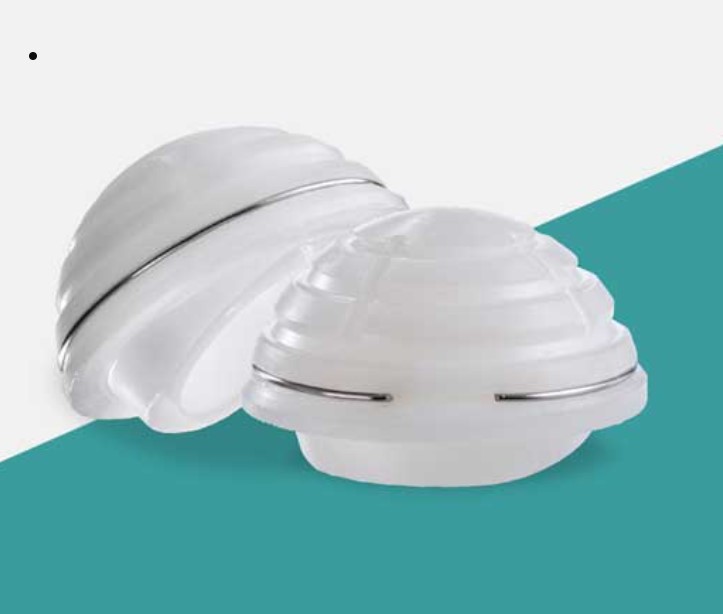 | Joint Replacement Acetabular Cup Cemented Manufacturer An Acetabular Cup Cemented Manufacturer produces acetabular components specifically designed for cemented fixation in total hip replacement... View product → |
Frequently asked questions
How should a cemented restrictor be positioned and sized?
Position it below the planned stem tip at a depth that preserves the intended distal cement mantle. Use the named stem system’s broach, trial stem, depth gauge or calibrated insertion rod to measure canal depth, then account for stem length, tip position and required cement below the stem.
Which cemented restrictor failures can be recognised during the operation?
Inspect for restrictor migration, incorrect depth, poor seating, canal perforation, cement leakage and inadequate cement distal to the stem. Confirm the restrictor remains stable during cement pressurisation and stem insertion.
How are later stem sinking, rotation and pain investigated?
Compare immediate postoperative and follow-up radiographs for changes in stem height, alignment, rotation, radiolucent lines, cement mantle defects and fractures. Correlate imaging with pain location, onset, activity-related symptoms and infection or loosening tests.
When is cemented fixation or a restrictor the wrong system choice?
Reconsider the system when the canal anatomy, bone quality, stem design or surgical approach prevents reliable cement containment and mantle formation. Select components only when the restrictor, cement, stem and instrumentation are compatible.
What should buyers verify before ordering cemented hip components?
Verify the exact stem and restrictor sizes, compatibility with the instrumentation, intended cement mantle dimensions, material and sterilisation information, lot traceability, shelf life, packaging integrity and required regulatory documents.
Related product
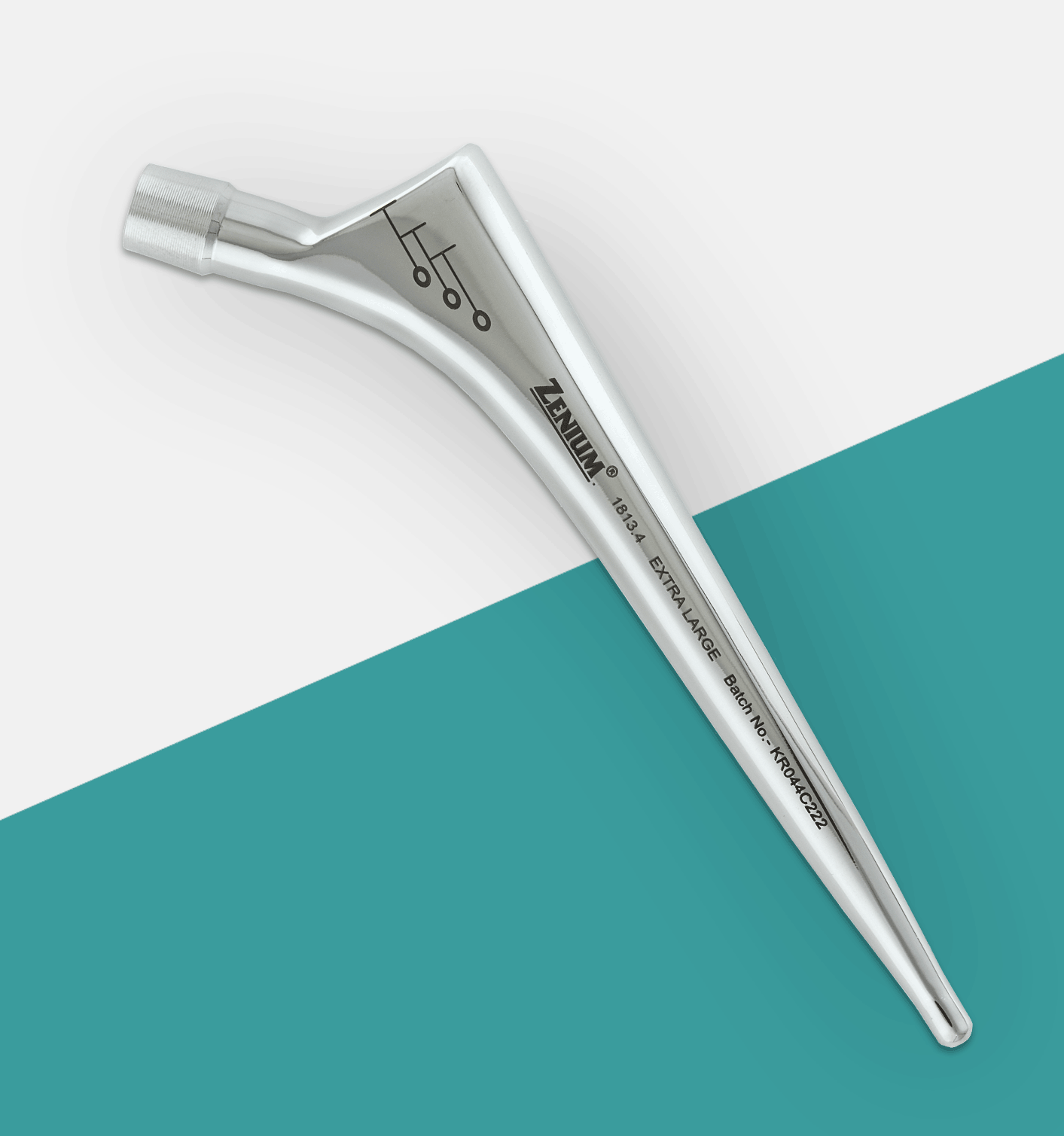 | Joint Replacement Bipolar Modular Stem (Cemented) Manufacturer The Bipolar Modular Stem (Cemented) is an orthopedic implant used in hip replacement surgeries, especially for elderly patients with fractured or... View product → |