Recovery depends on the surgeon’s fixation method, weight-bearing order and surgical approach—not on a universal six-week rule. You will be able to plan daily activities, recognise complications, prepare for hip replacement implant follow up and organise safe hospital support in Santiago or elsewhere in Chile.
Key takeaways
- Follow weight-bearing instructions based on the cup’s fixation method.
- Use a raised seat, supportive pillows and prescribed walking aids during early recovery.
- Contact the surgical team urgently for fever, wound drainage, calf pain or sudden breathlessness.
- Ask follow-up visits to record cup position, fixation and X-ray changes.
What to expect from hospital discharge through the first 12 weeks
Most patients stand and take a few steps with a frame on the day of surgery or the following day. Before discharge, a physiotherapist checks transfers, walking and stairs; you leave with weight-bearing instructions set by the cup’s fixation method, not by a generic six-week rule.
For acetabular cup recovery after total hip replacement in Santiago, request written Spanish-language instructions stating the walking aid, exercises, wound-care steps, prescribed anticoagulant, dose and duration, missed-dose advice, radiograph date, emergency numbers and the nearest service equipped to assess a dislocated or infected prosthetic hip.
Ask whether your care follows GES, Fonasa, Isapre or private arrangements.
Use the frame or crutches until your team clears a change. During the first two weeks, expect fatigue, bruising, swelling and help with bathing, dressing, meals and shopping; keep the wound clean and dry as instructed.
By weeks three to six, many people walk farther, manage stairs and perform basic daily tasks with less assistance, but a limp or weak hip is still common.
By weeks six to 12, you may reach independent household activities and return to desk work when pain control, alertness and transport make it safe. Do not drive until your surgeon and insurer permit it and you can brake firmly without hesitation.
- Take anticoagulant prophylaxis for the prescribed period, often 28–35 days after elective hip replacement.
- Follow bending, leg-crossing and sleeping restrictions when prescribed for your surgical approach.
- Contact the surgical team urgently for fever, increasing drainage, calf swelling, chest pain, breathlessness, sudden shortening or severe new hip pain.
How to sit, sleep, walk and protect the healing hip
Protecting the healing hip starts with following the surgeon’s written weight-bearing order, not a generic “full weight-bearing” rule. A cementless acetabular cup depends on initial press-fit stability and later bone ingrowth; a cemented cup uses bone cement. Bone grafting, an intraoperative fracture, revision surgery or poor stability can change the plan.
| Order | What you do | Why it matters |
|---|---|---|
| Unrestricted weight bearing | Walk as tolerated with the prescribed aid | Applies when fixation and bone support permit it |
| Protected weight bearing | Limit load with a frame or crutches | Protects grafts, fractures or a cup needing biological fixation |
| Temporary restriction | Follow the stated load and duration exactly | Prevents displacement while the repair heals |
For acetabular cup recovery care, sit in a firm, raised chair with arms and keep your knees lower than your hips. Use a raised toilet seat, avoid low sofas, and do not bend sharply, cross your legs, pivot, or turn the operated leg inward when those precautions appear in your discharge plan.
Approach and surgical stability determine which restrictions apply.
Sleep on your back or on the non-operated side with a pillow between your knees if instructed. Walk with the prescribed frame or crutches, take short steps, and turn by moving your feet rather than twisting. Remove loose rugs, secure electrical cords, improve lighting, and use handrails on stairs.
- Take anticoagulant prophylaxis exactly as prescribed; confirm the dose, duration, missed-dose instructions and bleeding warnings before discharge.
- Ask for written Spanish instructions listing exercises, weight-bearing status, radiograph dates and emergency contacts.
Which symptoms need urgent contact with the surgical team
Pain, swelling, bruising and stiffness are expected when they gradually ease with rest, prescribed medication and movement. Bruising can spread down the thigh, and swelling can increase later in the day; neither alone proves infection or implant trouble.
| Pattern | More consistent with expected recovery | Contact the surgical team urgently |
|---|---|---|
| Wound | Dry or lightly stained dressing, with pain and redness decreasing | Spreading redness, increasing wound pain, pus, persistent leakage, wound opening, fever or chills |
| Leg or calf | General thigh swelling and bruising that gradually improve | New one-sided calf swelling, warmth or tenderness; these can indicate a blood clot |
| Hip function | Stiffness and muscle weakness that improve with therapy | Sudden severe pain, inability to bear weight, a shortened or visibly displaced leg, or a fall followed by pain; suspect fracture or dislocation |
| Cup or implant symptoms | Gradual improvement without new mechanical symptoms | A new limp, groin pain, leg-length change, clicking, instability or loss of function; loosening, infection, wear or fracture requires examination and usually X-rays |
Call the named hospital contact rather than waiting for a scheduled review if wound symptoms or function are worsening. Do not dismiss a new limp or groin pain as “normal cup settling.” Treat sudden chest pain, shortness of breath, fainting or coughing blood as an emergency; call emergency services.
Avoid forcing the hip back into position after a suspected dislocation.
What follow-up visits and X-rays should document about the cup
At the wound review, the clinician checks incision closure, drainage, redness, swelling, temperature and pain, then records walking ability, leg length, hip stability and neurovascular findings. Increasing pain, spreading redness, wound opening, purulent drainage, fever or chills needs prompt assessment rather than waiting for the next appointment.
A useful hip replacement implant follow up compares each image with the previous one, not just with the operative result.
| Assessment | Imaging | What to document |
|---|---|---|
| Immediate postoperative baseline | Anteroposterior pelvis and hip radiographs | Cup position, inclination, migration, fractures and dislocation |
| Routine review | Anteroposterior pelvis plus lateral hip radiographs | Position change, loosening, wear, osteolysis and heterotopic bone |
| Unexplained pain or unclear X-ray | Repeat targeted radiographs; CT when the surgeon needs bone or component detail | Suspected fracture, loosening, impingement or bone loss |
Carry the discharge summary, operative report, implant stickers or electronic device record, cup and liner sizes, fixation method, serial or lot numbers, allergies, medication list and every radiology report. Keep the actual images accessible through the hospital portal or on a disc.
For acetabular cup hospital support in Santiago, request written Spanish instructions stating the radiograph schedule, weight-bearing limits, emergency number and nearest service for a dislocation or infected prosthesis. If Komal Health Care Pvt Ltd supplied a component, retain its traceability information with these records so a future surgeon can identify the exact implant.
Related products
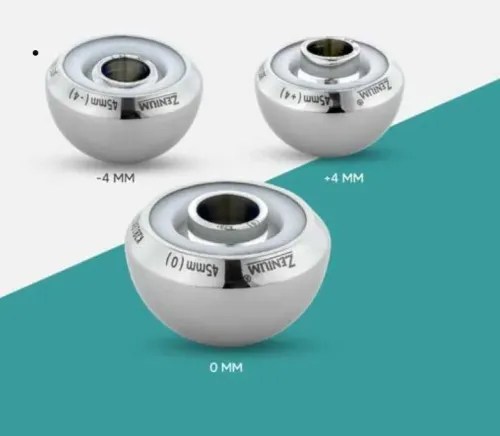
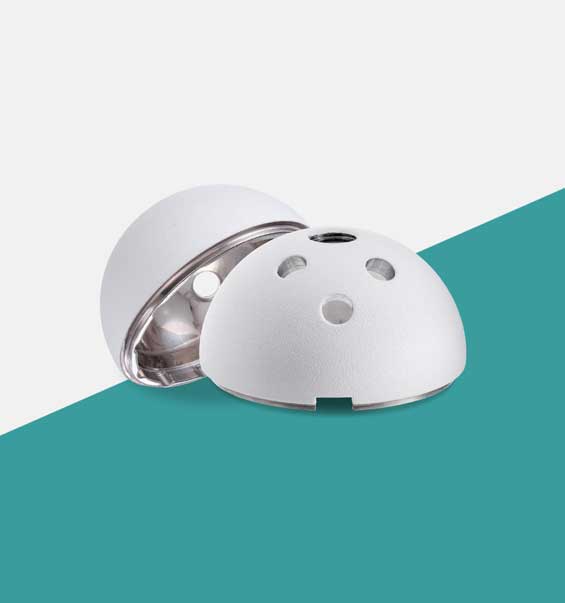 | Joint Replacement The Acetabular Cup is a key component in total hip replacement surgery, designed to fit into the hip socket (acetabulum). View product → |
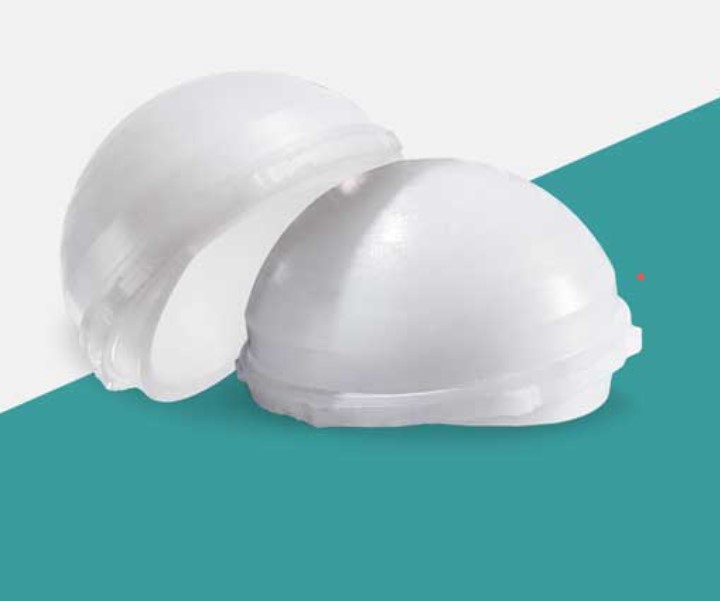 | Joint Replacement Acetabular Cup Liner Manufacturer An Acetabular Cup Liner Manufacturer specializes in producing liners that fit inside the acetabular cup during total hip replacement surgeries. View product → |
When to resume work, driving, exercise and normal independence
Your total hip replacement aftercare Chile plan must follow clinical milestones, not a fixed six-week release date. Follow the surgeon’s weight-bearing order: a cementless acetabular cup relies on bone ingrowth after press-fit fixation, while a cemented cup relies on bone cement. Operative stability determines progression.
Resume each activity only when pain, balance and gait permit it:
- Work: desk duties may restart when you can sit, stand and travel safely; physical work requires stronger gait, lifting clearance and an agreed graduated return.
- Driving: wait until you can enter the car, control the leg and perform an emergency stop without hesitation. Do not drive while taking sedating opioids; confirm your surgeon and insurer’s requirements.
- Exercise: continue prescribed physiotherapy, then add walking and low-impact cycling or swimming. Delay running, jumping, heavy lifting and forceful twisting until your surgeon clears them.
- Independence: progress from a frame or crutches to a cane, then unaided walking only when you are not limping. Keep fall-prevention measures until stairs, bathing and household tasks feel controlled.
Change the plan and contact the surgical team for persistent or increasing groin pain, a new limp, leg-length change, clicking with loss of function, instability or repeated giving-way. Sudden severe pain, a shortened or rotated leg, or inability to bear weight requires urgent assessment.
Examination and X-rays, rather than “normal cup settling,” distinguish weakness from loosening, fracture, infection or dislocation.
Frequently asked questions
How long does acetabular cup recovery take after total hip replacement?
The first 12 weeks cover wound healing, walking progression, strengthening and reviews. Your surgeon sets activity limits according to fixation, stability and progress.
How should you sit and sleep after hip replacement?
Use a firm, raised seat and follow the hip precautions supplied by your surgical team. Sleep in the position your team recommends, using pillows if prescribed to prevent unwanted leg movement.
Which symptoms need urgent contact with the surgical team?
Contact the team urgently for fever, increasing redness or drainage from the wound, worsening pain, a swollen painful calf, sudden leg shortening, chest pain or breathlessness.
What should hip replacement follow-up visits and X-rays check?
Ask the team to document pain and function, walking progress, leg length, cup position, fixation and any radiographic change around the implant.
When can you drive, work or exercise after total hip replacement?
Your surgeon or physiotherapist must confirm safe control before driving. Work, exercise and independent activities resume in stages according to pain, strength, mobility, job demands and medical clearance.
Related product
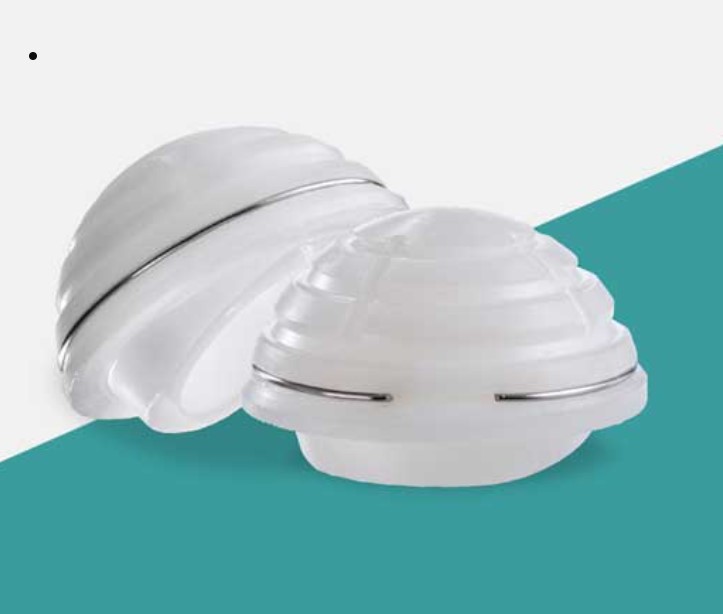 | Joint Replacement Acetabular Cup Cemented Manufacturer An Acetabular Cup Cemented Manufacturer produces acetabular components specifically designed for cemented fixation in total hip replacement... View product → |