A Cemented Stem in Chile is commonly considered when an orthopaedic team requires a femoral component that can be secured using bone cement during total hip replacement. Instead of depending mainly on natural bone growth for fixation, the cement helps establish immediate mechanical stability between the stem and the prepared femoral canal.
Why does product consistency matter so much? Even small variations in implant dimensions, surface finish, or instrument compatibility can affect surgical planning. Hospitals, distributors, and orthopaedic procurement teams therefore look beyond basic availability. They evaluate whether the selected cemented stem is supported by appropriate sizes, matching femoral heads, acetabular components, and clearly identified instruments.
A typical hip replacement system may include:
- Cemented femoral stem
- Femoral or internal head
- Cemented THR cup
- Trial components
- Compatible THR instrument set
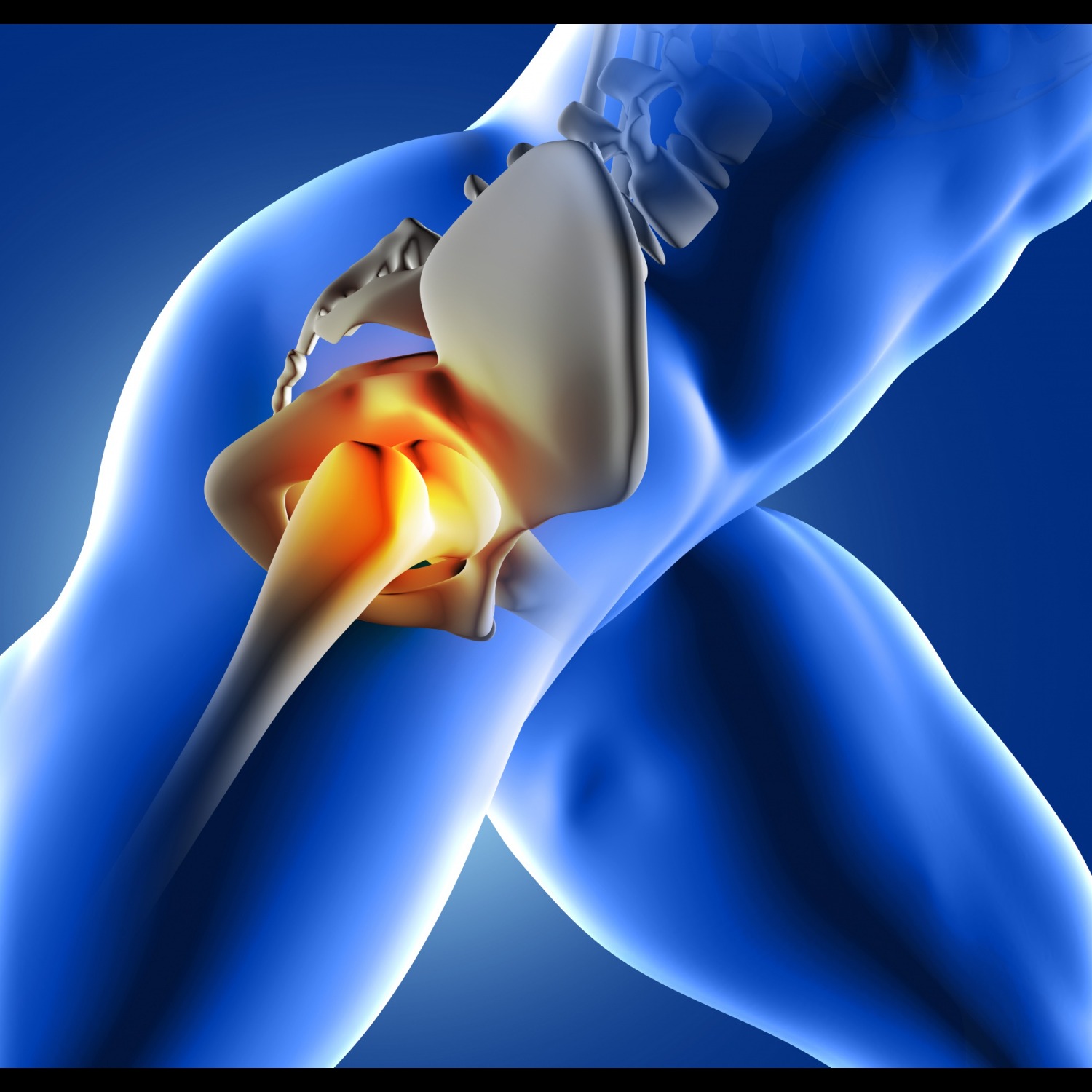
The femoral stem forms one of the main structural elements of a hip prosthesis, while the acetabular cup replaces the socket side of the joint. Their sizes and compatibility must be reviewed together rather than as isolated products.
For customers in Chile, reliable export coordination is another practical consideration. Product identification, protective packaging, documentation, order accuracy, and communication can all influence the procurement experience, particularly when multiple implant sizes are required.
Komal Health Care Pvt Ltd supplies orthopaedic implant solutions for healthcare buyers evaluating structured product options for hip replacement procedures. Clinical selection and final sizing remain the responsibility of qualified surgical teams based on the patient’s condition.
Connect with the team to discuss Cemented Stem requirements, available component combinations, and supply enquiries for Chile.