A modular bipolar cup head is usually a hemiarthroplasty component, not the acetabular cup used in a conventional total hip replacement. By the end, you will be able to distinguish the two procedures, assess when bipolar hemiarthroplasty fits the patient, verify component compatibility, and specify what a Mexico City hospital must document before purchase.
Key takeaways
- A bipolar head is used with the natural acetabulum, not a fixed total-hip cup.
- Choose hemiarthroplasty when preserving the native acetabulum suits the fracture and patient.
- Match head diameter, taper, stem system and instruments before ordering or assembly.
- Verify licences, traceability records, sterilisation status and compatibility documents before hospital delivery.
A bipolar head is not the acetabular cup in a total hip replacement
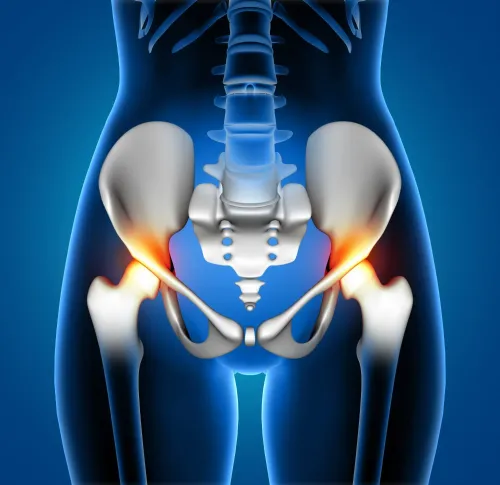
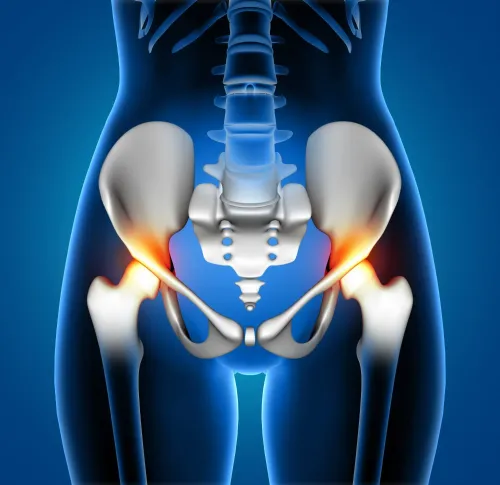
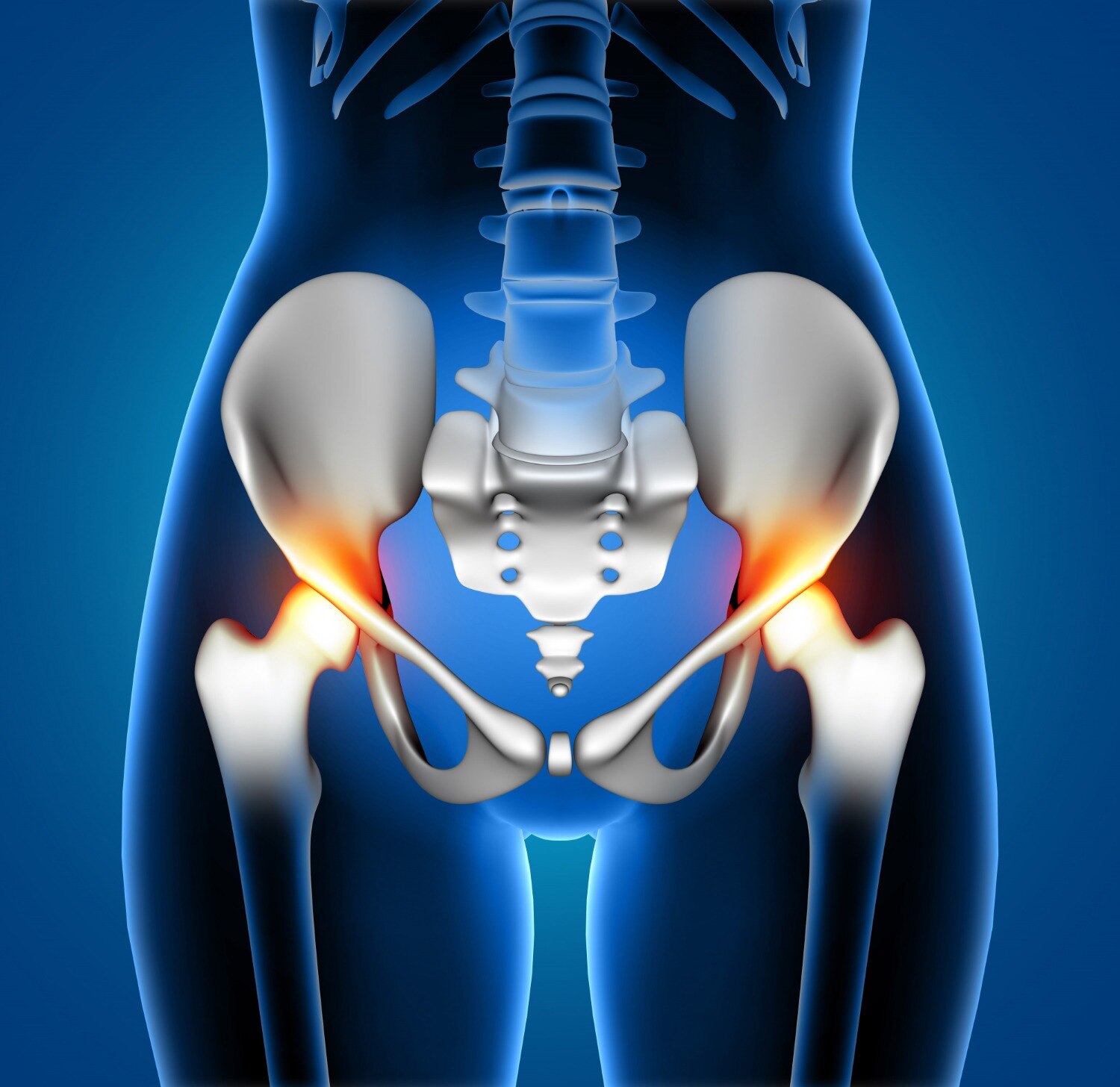
A modular bipolar cup head is a hemiarthroplasty component, not the fixed acetabular cup used in a total hip replacement. It is used mainly in primary fracture hemiarthroplasty: the patient keeps the natural acetabulum, while the prosthesis replaces the damaged femoral head and neck.
- Outer metal cup: moves against the patient’s native acetabular cartilage. It provides the larger outer articulation but does not resurface or replace the socket.
- Inner bearing: a polyethylene surface inside the cup allows the prosthetic femoral head to rotate within the outer shell.
- Femoral head: fits inside the inner bearing and transfers body load through the implant.
- Trunnion and stem connection: the head locks onto the stem’s taper, while the stem anchors in the femoral canal.
- Native acetabulum: remains the socket in a bipolar hemiarthroplasty, so its cartilage and bone still receive the outer cup’s motion and load.
| Procedure | Socket treatment | What moves against what |
|---|---|---|
| Bipolar hemiarthroplasty | Native acetabulum remains | Outer cup against native acetabulum; inner bearing around the femoral head |
| Total hip replacement | A metal acetabular shell and liner replace the socket | Femoral head against the implanted liner |
| Conversion to total hip arthroplasty | A later operation adds an acetabular shell and liner | Existing femoral component may be retained or revised after compatibility checks |
Therefore, do not describe a bipolar head as a routine total hip replacement component. Severe acetabular cartilage loss, erosion, inflammatory arthritis, infection, or major bone defects require separate acetabular planning rather than a bipolar cup alone.
When surgeons choose bipolar hemiarthroplasty instead of total hip replacement
A displaced intracapsular femoral-neck fracture in an older patient with preserved acetabular cartilage and limited activity is the classic indication for bipolar hemiarthroplasty. The fracture pattern leaves the acetabulum intact, while the patient’s lower functional demand reduces the immediate need to replace that socket.
The main modular bipolar cup head applications are primary fracture hemiarthroplasty and later conversion to total hip arthroplasty. In the first procedure, the outer metal shell moves against the native acetabulum. If pain, erosion or loosening develops, the bipolar construct can be removed and replaced with a fixed acetabular shell and liner.
That conversion is not the same as using a bipolar head as a total-hip acetabular component.
| Option | Acetabulum | Best fit | Main reason to choose |
|---|---|---|---|
| Bipolar hemiarthroplasty | Native socket remains | Older, lower-demand patient with a displaced intracapsular neck fracture and usable cartilage | Avoids acetabular implantation and shortens the reconstruction |
| Total hip replacement | Socket is replaced with a fixed shell and liner | Active patient, acetabular disease, or a fracture with pre-existing joint damage | Treats both femoral and acetabular pathology |
Choose total hip replacement when cartilage loss, acetabular erosion, inflammatory arthritis, infection, substantial bone defects or high functional demands make native-socket articulation unreliable. An acetabular fracture also requires separate assessment; a bipolar head does not repair that defect. Poor bone quality alone does not decide the operation, but it affects fixation and implant planning.
How sizing, trial reduction and compatibility prevent assembly errors
The team selects a modular bipolar cup head by measuring the patient’s femoral head and acetabulum, then matching the outer shell diameter to the prepared femoral head or trialled native socket. The inner bearing must match the femoral head size, while the stem’s neck length and offset restore leg length and soft-tissue tension.
A bipolar head remains a hemiarthroplasty component: its outer shell moves against the native acetabulum, unlike the fixed shell and liner used in a true total hip replacement.
Trial reduction exposes errors before implantation. The surgeon tests the selected head and shell through flexion, rotation and adduction, checking stability, impingement, leg length and offset. A head that feels stable in one position can still dislocate during ordinary movement if offset or soft-tissue tension is wrong.
For a conversion or revision, nominal diameter alone proves nothing. Confirm every interface against the implant system’s approved compatibility documentation:
- Stem manufacturer, model and taper specification
- Femoral head diameter, neck length and taper geometry
- Locking mechanism between the inner head and bipolar shell
- Shell, bearing and instrument catalog numbers
- Manufacturer-approved combinations and use instructions
Clean and inspect the trunnion before assembly; scratches, deformation or retained tissue can prevent full seating. Do not force a head onto a similar-looking taper, mix manufacturers, or reuse a component outside its instructions. If the existing stem or taper cannot be identified, plan a compatible revision solution rather than guessing.
Trade-offs after implantation: wear, stability and revision
Bipolar hemiarthroplasty preserves the patient’s native acetabulum, reducing operative scope but leaving that cartilage exposed to progressive wear and erosion. Total hip replacement resurfaces the acetabulum with a fixed shell and liner, treating both sides of the joint but adding preparation, implants and dislocation considerations.
| Option | Acetabular wear | Dislocation and complexity | Revision planning |
|---|---|---|---|
| Unipolar hemiarthroplasty | Metal contacts the native socket directly; erosion and pain are greater concerns | Simplest construct and usually low operative burden | Later conversion may be needed if socket damage develops |
| Modular bipolar hemiarthroplasty | The outer shell contacts native cartilage, while inner motion can reduce shell movement; wear is not eliminated | More components and assembly checks than unipolar surgery, with generally favourable stability | Modular head selection can support later conversion, but the acetabulum still needs assessment |
| Fixed bipolar design | Similar native-socket exposure; a fixed inner mechanism limits intraoperative flexibility | Fewer modular interfaces, but less freedom to adjust head-neck relationships | Revising the whole bipolar unit can restrict compatibility choices |
| Total hip replacement | A polyethylene or ceramic liner replaces the damaged socket surface; liner and bearing wear remain | More acetabular preparation and implant complexity, with dislocation risk influenced by approach, head size and soft-tissue tension | Revision planning begins with shell fixation, liner exchange, bone loss and stem compatibility |
For modular bipolar cup head applications, primary fracture hemiarthroplasty suits a patient whose acetabular cartilage remains acceptable and whose activity demands do not justify total hip replacement. Plan conversion when pain, erosion or arthritis develops; conversion requires acetabular preparation and a compatible shell, not merely a new bipolar head.
Choose total hip replacement initially for osteoarthritis, inflammatory arthritis, protrusio, dysplasia, infection or substantial bone loss.
What a Mexico City hospital should verify before ordering
An order labelled only “cup and head” is incomplete. For modular bipolar cup head total hip replacement applications in mexico city, specify whether the case is primary fracture hemiarthroplasty, conversion of a previous hemiarthroplasty, or primary total hip arthroplasty.
A bipolar head does not replace the fixed acetabular shell and liner used in total hip replacement.
1. Require the exact catalogue reference, outer-shell diameters, inner bearing or head sizes, shell and liner materials, femoral taper, available neck lengths, cemented or uncemented stem options, sterilisation status, expiry date, and instructions for use. Include trial components, extraction tools, and revision instruments in the specification.
2. Verify Mexican authorization with COFEPRIS. Request the registration or applicable import and distribution documents, Spanish labelling, importer details, and post-market surveillance contact. A CE mark or approval from another country does not by itself authorize commercial supply in Mexico.
3. Demand compatibility evidence for the complete assembly: taper geometry, locking mechanism, stem references, head offsets, cup clearances, and surgical instruments. Do not accept a cup that fits the shell diameter but mismatches the stem or taper.
4. Require lot number, serial or batch records, certificate of conformity, manufacturing date, shelf life, and a written recall-notification process. Ask how replacements, matching sizes, and revision components remain available.
For hip replacement component supply in mexico city, compare lead times, minimum order quantities, temperature-controlled storage needs, local stock, and documented back-up production. Komal Health Care Pvt Ltd should be assessed against the same evidence, not by catalogue description alone.
Related products
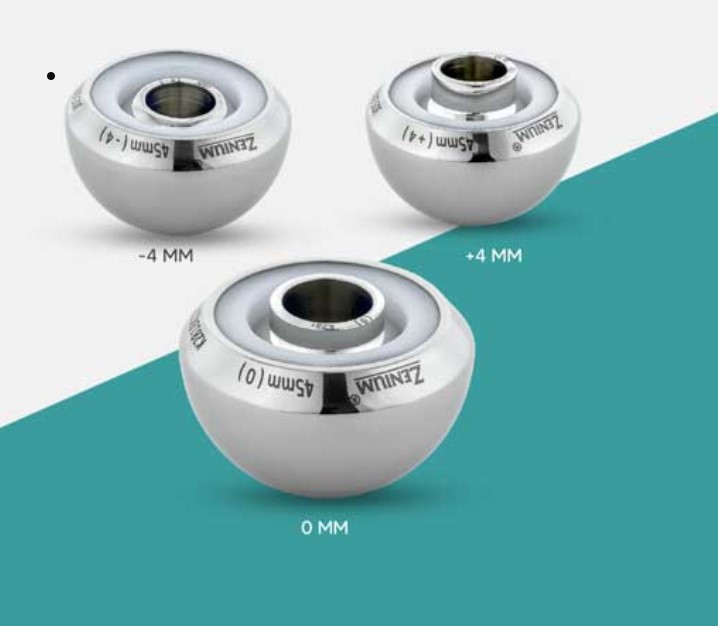 | Joint Replacement Modular Bipolar Cup (With Head) Manufacturer The Modular Bipolar Cup (With Head) is an advanced hip implant system used in hemiarthroplasty procedures, particularly for treating femoral neck... View product → |
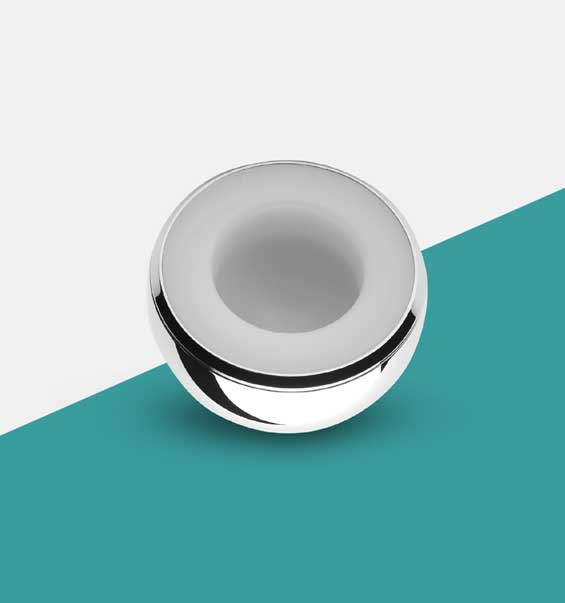 | Joint Replacement Modular Bipolar Cup Manufacturer A Modular Bipolar Cup Manufacturer specializes in producing advanced orthopedic components used in hip replacement surgeries. View product → |
Frequently asked questions
Is a modular bipolar cup head the acetabular cup in total hip replacement?
No. It is a hemiarthroplasty component that articulates with the patient’s natural acetabulum; total hip replacement uses a separate implanted acetabular cup.
When is bipolar hemiarthroplasty chosen instead of total hip replacement?
Surgeons may choose it for selected femoral-neck fractures when preserving the native acetabulum and reducing acetabular surgery fit the patient’s condition, activity level and treatment plan.
How do sizing and trial reduction prevent assembly errors?
The surgical team confirms femoral head diameter, neck length, taper, stem system and offset through trial reduction and manufacturer compatibility information before implantation.
What should a Mexico City hospital verify before ordering?
Verify the product’s intended use, sizes, taper and stem compatibility, batch traceability, sterilisation status, instructions for use, packaging integrity and supplier documentation.
Related products
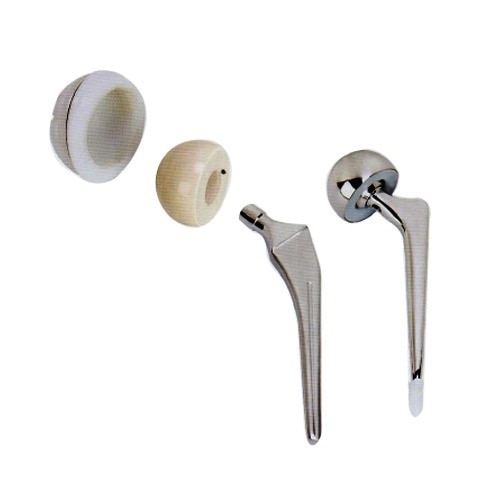 | Bipolar Hip Prosthesis ₹3500 We are manufacturer of Bipolar Prosthesis . Fix Bipolar and Modular Bipolar. Cup Size : 37 mm to 55 mm with 2 mm variation Material : S.S.316 L/LVM View product → |
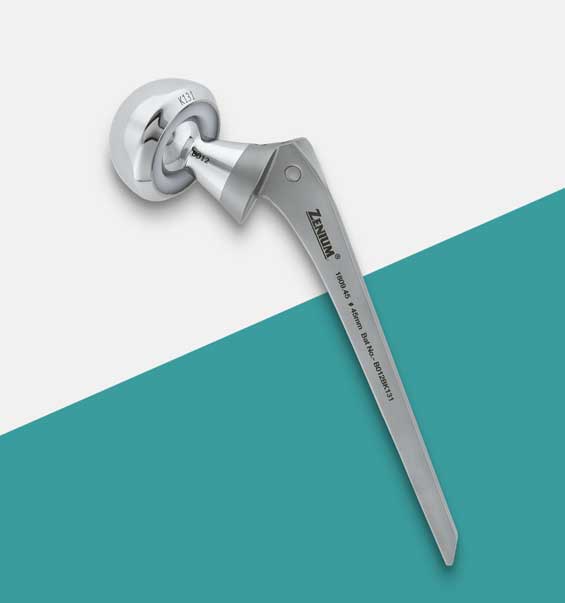 | Joint Replacement Bipolar Prosthesis (Non Fenestrated) Manufacturer The Bipolar Prosthesis (Non-Fenestrated) is a type of hip implant commonly used in hemiarthroplasty procedures, especially for treating femoral neck... View product → |
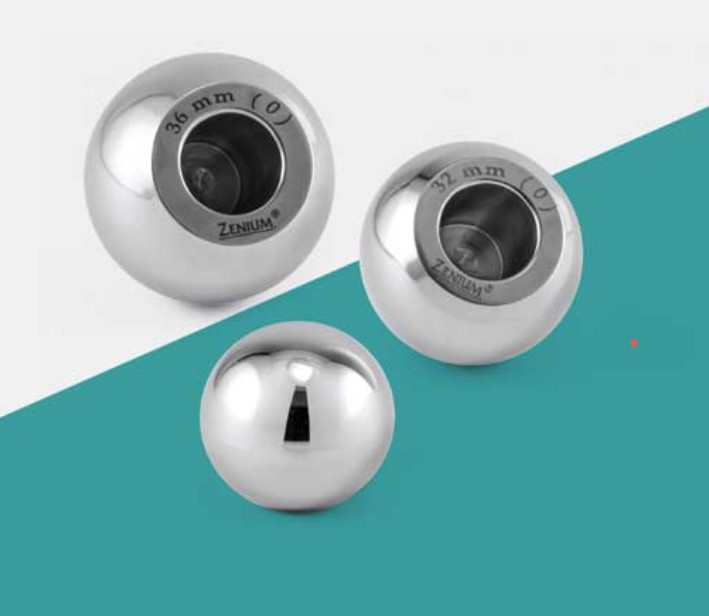 | Joint Replacement An Internal Head Manufacturer specializes in producing internal femoral heads used in hip replacement systems. View product → |