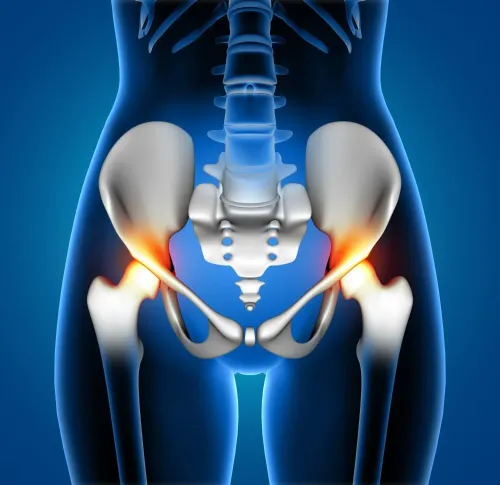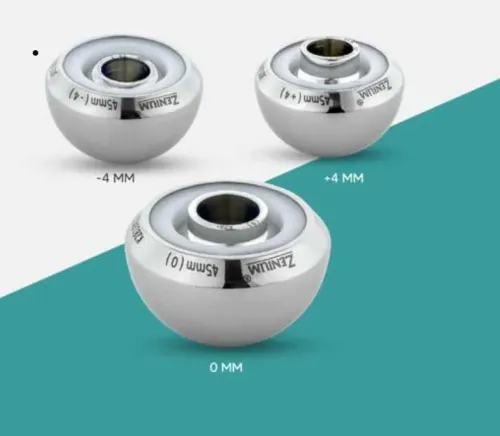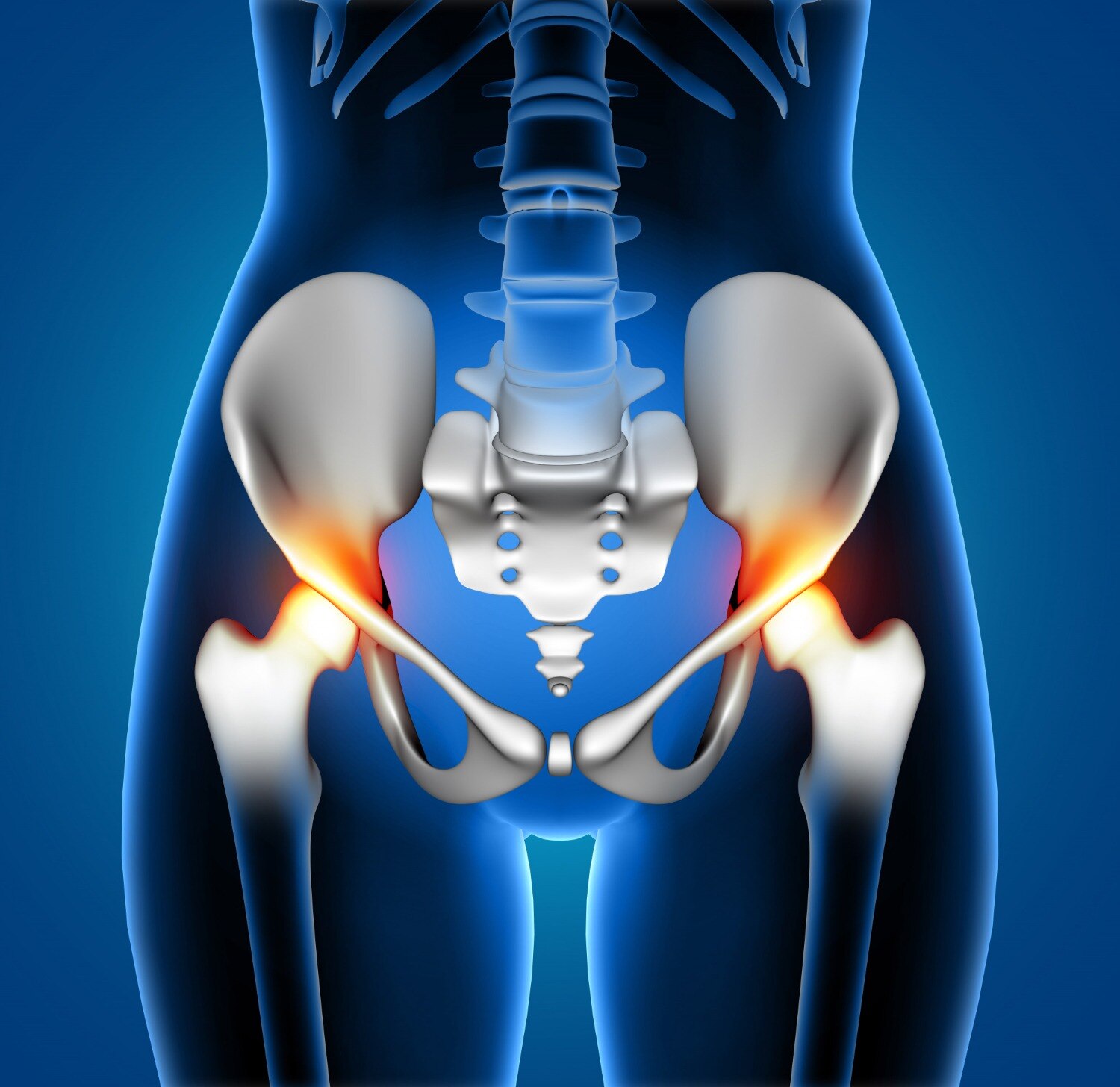
A total hip replacement can be disrupted when an implant, trial component, broach, reamer, impactor or extraction tool belongs to the wrong system or is missing from the operating room. By following the construct from preoperative inventory reconciliation through final reduction and closure, you can identify compatibility failures before they cause delay, instability, fracture or poor fixation.
Key takeaways
- Match every THR instrument to the implant system’s current Instructions for Use.
- Verify catalog numbers, sizes, taper compatibility and backup components before incision.
- Plan for fixation changes when calcar bone is deficient or findings differ.
- Record implant details and act promptly on postoperative pain, instability or infection signs.
How the THR implant and instrument set must match during surgery
A total hip replacement works as one planned construct, not as a collection of similar-looking parts. The thr instrument set must match the implant system’s current Instructions for Use and exact catalog numbers.
That link includes the femoral stem, acetabular cup, liner, head, trials, broaches, reamers, inserters and extraction tools; visual similarity is not proof of compatibility.
1. During acetabular preparation, use the system’s reamers and cup impactor to create the planned diameter, orientation and press-fit. A mismatched reamer can produce an incorrect cup fit, while the wrong liner inserter may damage the locking interface.
2. During femoral preparation, matching broaches establish the stem size, height, offset and version. Worn broach teeth can under-prepare or over-prepare the canal, and a bent impactor can drive the stem off-axis.
3. During trial reduction, the trial shell, liner, neck and head must reproduce the definitive joint replacement prosthesis. The surgeon assesses stability, leg length and range of motion before choosing the final dimensions.
4. During final insertion, use the approved stem, head, liner and impactors. Do not substitute an untracked instrument during navigation or robotic surgery; registration errors or array movement can make displayed cup position and leg-length data misleading.
5. During closure, confirm that the implanted components and lot details match the operative record. A missing extraction tool or backup component can force unsafe substitution or delay.
Hemiarthroplasty equipment is not interchangeable with a total hip construct. A bipolar prosthesis replaces the femoral head and articulates with the patient’s acetabulum; total hip replacement adds an acetabular shell and liner. Its head, taper, offset and instruments follow different interfaces, so a bipolar trial or inserter cannot validate or assemble a total hip system.
The component-matching checklist that prevents assembly errors
Verify the complete construct before selecting it: every definitive component and its trial must share the manufacturer-approved geometry, interface and catalog pathway. An apparently successful trial reduction can conceal the wrong neck length, offset, head diameter, liner or femoral stem size.
- Record the femoral stem family, size range, stem taper, intended fixation method, neck option, laterality and approved broach or rasp.
- Match femoral head diameter and neck length to the stem taper and the chosen liner; do not infer compatibility from a similar-looking taper.
- Confirm the acetabular shell size, screw-hole pattern, screw diameter and screw-length range, bearing surface and liner locking mechanism.
- Match the trial head, trial neck, liner, shell and stem to the definitive components, including offset, version and leg-length options.
- Link reamers, broaches, trial components, impactors, liner inserters and extraction tools to exact catalog or reference numbers in the current instructions for use.
- Check that the bearing combination, laterality and fixation plan appear on the same approved construct record.
| Check | Required match | Failure if wrong |
|---|---|---|
| Femoral side | Broach geometry, stem taper, size, neck and head | The stem can sit proud, sink, rotate or miss the intended press fit. |
| Acetabular side | Shell, liner, screws, locking interface and inserter | The liner may not lock, or screw placement may be unusable. |
| Trial set | Trial head, neck, liner and shell reproduce final geometry | Trial reduction can select an incorrect joint replacement prosthesis. |
A THR instrument set is not a universal sizing kit. Worn broach teeth, eccentric reamers or bent impactors can alter preparation even when catalog numbers match, so inspect condition before approving the set.
How to inspect trays, labels and backup components before incision
Confirm the THR instrument set and THR implants against the current manufacturer’s catalog and operative plan before the patient enters the room. Visual similarity, nominal size or a sealed tray does not prove compatibility, completeness or sterility.
1. Match every planned item to its exact catalog or reference number: acetabular shell, liner, screws, femoral stem, femoral head, neck option, trials, broaches, reamers, rasp, impactors, inserters and extraction tools. Check laterality, bearing combination, available sizes and the manufacturer’s locking or taper interfaces.
2. Count the trays against the set inventory and confirm the specific broach, matching impactor, trial neck, trial head, liner inserter and extraction tool required for the planned sizes. A missing backup component can force an unapproved substitution or delay the case.
3. Inspect reusable instruments under good light. Reject broaches with worn teeth, reamers with damaged or bent cutting edges, and impactors with bent shafts or damaged striking surfaces; these defects can alter canal preparation, cut eccentrically or deliver off-axis force.
4. Examine implants and trials for damaged packaging, broken seals, corrosion, scratches, deformation, contamination and unreadable labels. Record lot or batch numbers and expiry dates where supplied.
5. Verify the facility’s cleaning, inspection, packaging and sterilization record for reusable or loaner trays, including the sterilization indicator and load documentation. A sealed tray alone does not establish sterility.
6. Keep discrepancies out of the room until the manufacturer’s IFU or representative confirms compatibility. Inspect modular tapers before assembly, then clean and dry them as specified; blood, bone or fluid can prevent full engagement.
What changes with fixation method, deficient calcar bone and unexpected findings
Fixation choice changes the preparation sequence and the instruments opened before incision. The implant-system IFU and catalog numbers, not visual similarity, must determine the match.
- Cemented fixation: prepare a distal cement restrictor, canal brush, lavage and drying equipment, cement gun and pressurizer, and the specified stem centralizer. Missing any one can leave an inadequate cement mantle or alter stem position.
- Uncemented fixation: prepare the matching broaches, handles, calcar reamers and stem impactors for sequential press-fit preparation. A broach from another family can make the femoral stem sit proud, sink, rotate or fracture the femur during impaction.
- Keep the complete THR instrument set together. Trial necks, heads, acetabular reamers, cup impactors and liner inserters follow particular implant geometries; a nominally similar set can change offset, version or cup seating.
Deficient calcar bone requires a revised plan before broaching. Confirm whether the chosen system offers a shorter or revision stem, a calcar-replacing design, cables or another approved stabilisation method, then open the matching trials, extraction tools and backup implants. Do not force an oversized press-fit stem into weak bone.
Unexpected findings require a deliberate stop, not improvised substitution. If a fracture, poor press fit, damaged taper or incompatible component appears, document the finding and use only the manufacturer-approved contingency path.
- Keep compatible backup stems, heads, liners and fixation devices available.
- Inspect and dry every modular taper before assembly; blood, bone or lavage fluid can prevent full engagement.
- Do not mix manufacturers unless the combination is explicitly labelled for use.
The operational safeguards and postoperative warning signs
Procurement must verify the complete construct, not just the implant family. Link the shell, liner, femoral head, neck option, stem, trials, broaches, reamers and impactors by exact catalog or reference number, laterality, bearing combination and size. A joint replacement prosthesis can contain components that look compatible but are not approved for every combination.
Before shipment, ask the supplier for the current instructions for use, implant-system catalog, sterilization status, expiry date and unique device identification or lot numbers. Inspect loaner trays for worn broach teeth, damaged reamers and bent impactors; visual similarity is not compatibility.
Whether THR implants come from Komal Health Care Pvt Ltd or another supplier, retain the packing labels and record every implanted and unused component in the operative note and patient implant card.
Schedule the surgeon’s stated follow-up visits and take the implant record to every provider. Seek clinical review promptly for:
- Increasing wound redness, warmth, drainage, opening or fever
- New calf swelling or pain
- Sudden severe hip pain, a shortened or rotated leg, a new clunk, or inability to bear weight
- Persistent instability or repeated giving-way
Call emergency services for chest pain, fainting or sudden breathlessness. Do not wait for the next appointment when these signs appear after total hip replacement.
Related products
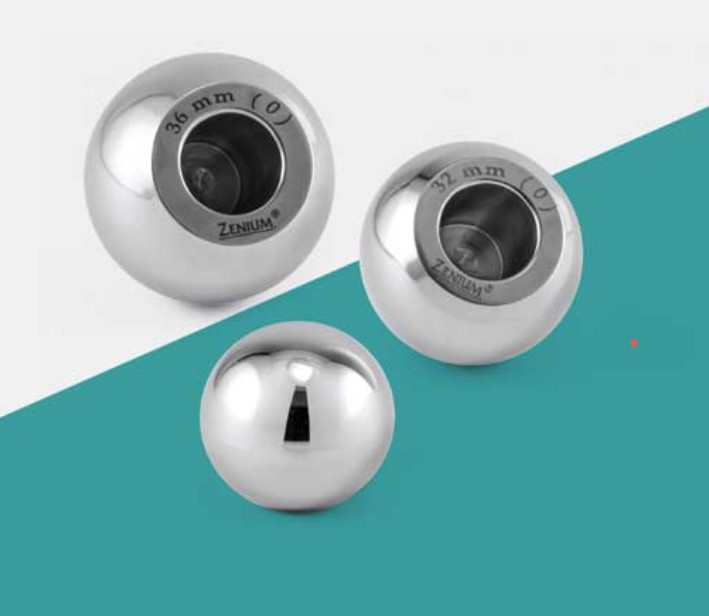 | Joint Replacement An Internal Head Manufacturer specializes in producing internal femoral heads used in hip replacement systems. View product → |
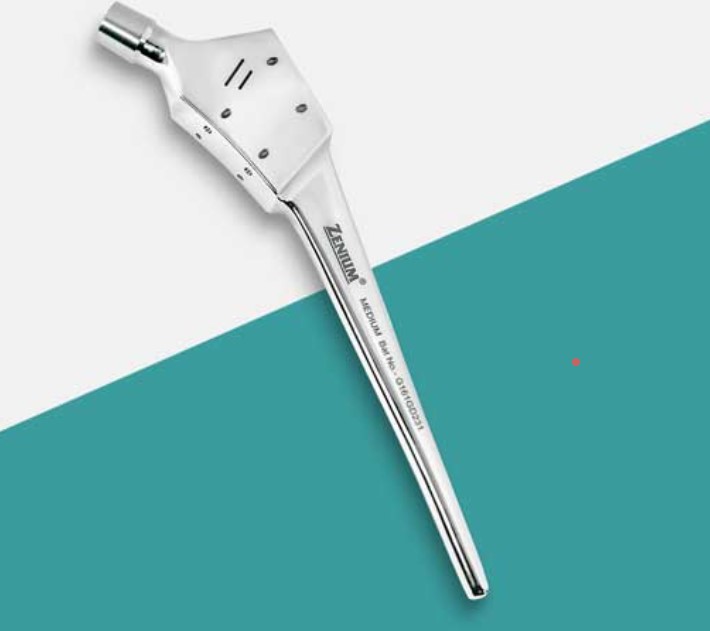 | Joint Replacement A Calcar Stem Manufacturer specializes in producing orthopedic implants designed for hip replacement surgeries, particularly when there is damage or... View product → |
Frequently asked questions
How must a THR implant and instrument set match during surgery?
Match the instrument set to the implant system’s current Instructions for Use, exact catalog numbers, component sizes and assembly requirements. Do not combine similar-looking parts from different systems.
What should you check before assembling a joint replacement prosthesis?
Confirm the implant name, catalog number, size, laterality, taper, locking mechanism and compatibility with the trial components. Check that the instrument’s labels and instructions correspond to the selected implant.
What should you inspect in trays and backup components before incision?
Inspect tray seals, sterilization indicators, labels, instrument condition and required sizes. Confirm that backup femoral stems, liners, heads, fixation supplies and extraction tools are available for the planned procedure.
What changes when fixation method or calcar bone changes?
A change from cemented to uncemented fixation, or from standard to revision components, requires the matching instruments and preparation technique. Deficient calcar bone can require a different femoral stem, cerclage equipment or a revision plan.
Which postoperative warning signs need prompt assessment?
Seek prompt clinical assessment for increasing pain, wound drainage, fever, redness, leg-length change, inability to bear weight, sudden swelling or a new feeling that the hip is unstable.
Related products
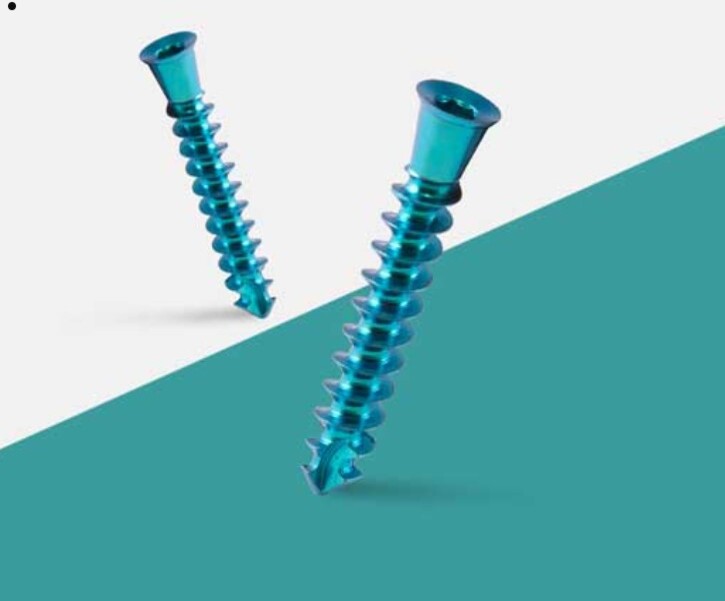 | Joint Replacement A THR Screw Manufacturer produces specialized screws used in Total Hip Replacement (THR) surgeries to secure implants and enhance joint stability. View product → |
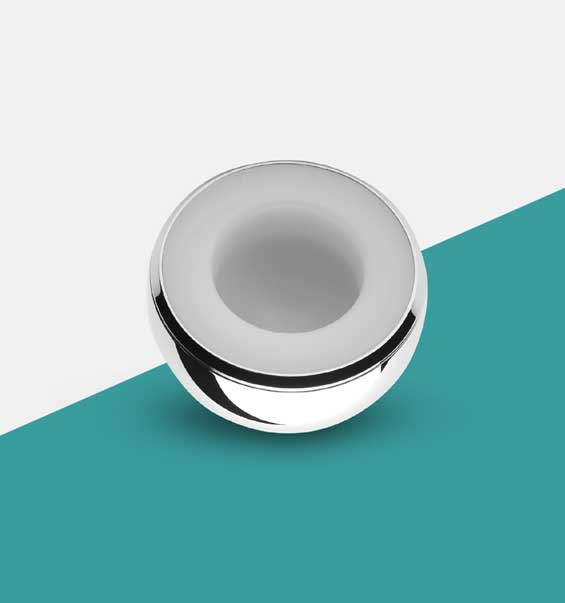 | Joint Replacement Modular Bipolar Cup Manufacturer A Modular Bipolar Cup Manufacturer specializes in producing advanced orthopedic components used in hip replacement surgeries. View product → |
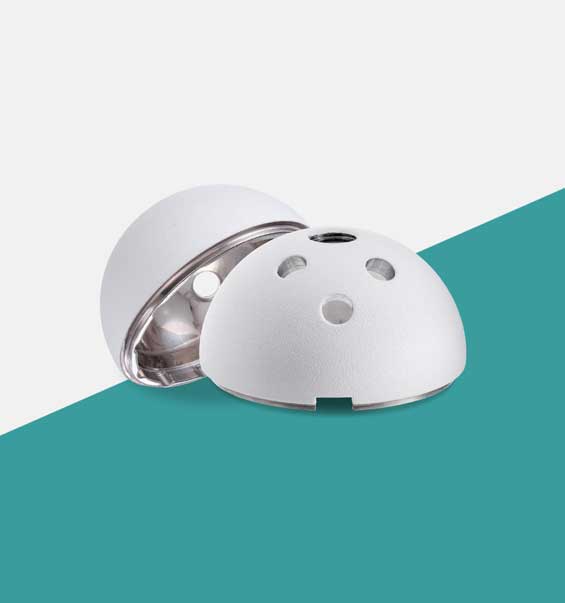 | Joint Replacement The Acetabular Cup is a key component in total hip replacement surgery, designed to fit into the hip socket (acetabulum). View product → |