A hospital order can fail even when the cup’s nominal diameter looks correct: fixation method, femoral-head compatibility, sterile presentation, regulatory status and delivery responsibility all affect whether the implant is usable. By following the order from the surgeon’s specification through receipt, you can issue a precise purchase order and identify problems before the component reaches the operating room.
Key takeaways
- Start with the surgeon’s full implant specification, not a generic cup name.
- Confirm cup dimensions, liner compatibility and every component in the surgical system.
- Request Mexican authorization documents, traceability records and clear quotation terms.
- Quarantine incoming implants until packaging, documents and batch details pass inspection.
Start with the surgeon’s implant specification, not a generic product name
Before requesting a quotation, the hospital must give the supplier a surgeon-approved implant specification, not merely “cemented acetabular cup.” That specification identifies the planned system, prevents an incorrect size from entering inventory, and starts a traceable cemented acetabular cup ordering process.
1. State the fixation method: cemented, not cementless press-fit. Provide the cup catalogue reference, cup or shell outer diameter, inner diameter, and the compatible femoral head or liner size. Use the surgeon’s templating measurements, and keep outer cup diameter separate from femoral head diameter; confusing them can produce a mechanically incompatible construct.
2. Identify the complete surgical plan: compatible femoral stem and head, laterality if applicable, quantity, definitive cup sterile-packaging requirement, and the delivery location. Ask whether the quotation includes bone cement, cement restrictor, lavage equipment, mixing or vacuum-mixing equipment, and cement pressurization instruments. These are separate products unless the supplier identifies a regulated kit.
3. Separate the definitive implant from trials and reusable instruments. Specify which components must arrive sterile and single-use, and which nonsterile trials or instruments will enter the hospital’s validated cleaning and sterilization process. Request the manufacturer’s instructions for use, Spanish-language labeling, storage conditions, expiry information, and lot traceability before comparing prices.
The quotation should also identify current availability and the exact configuration being offered. A generic size range or a cup without its compatible head, cement, and instruments does not answer the surgeon’s specification.
Confirm dimensions, compatibility and the complete surgical system
A cup is not matched by outer diameter alone. Compare the exact catalogue or reference number with the operative plan and the planned femoral system, then record the cup’s outer diameter, inner diameter or compatible femoral-head size, material, laterality, sterile-packaging presentation and cemented fixation method.
A 52 mm outer diameter does not guarantee the required head size or wall thickness.
Request the manufacturer’s compatibility matrix before approving the quotation. Check these points against the planned components and technique:
- Femoral head: approved materials, diameter, neck geometry and taper. A head with the correct diameter can still be unsuitable if its taper or material combination is not approved.
- Cement: specified bone-cement type and any stated mixing or pressurisation requirements. Cemented hip implant supply normally treats the cup and cement as separate products unless the quotation identifies a regulated kit.
- Instruments: compatible trials, reamers, impactors and insertion instruments, with the correct cup size range.
- Consumables: confirm whether cement restrictors, lavage equipment, mixing equipment, vacuum-mixing equipment and cement pressurisation instruments are included or must be ordered separately.
Do not substitute a cementless press-fit shell for a cemented cup. Its surface, geometry and instrumentation support a different fixation method.
Separate definitive implants from trials and reusable instruments on the order. The cup is commonly sterile and single-use; trials and instruments may arrive nonsterile and require the hospital’s validated cleaning and sterilisation process. Include every component needed for the planned operation, not only the cup.
Verify Mexican authorization, documents and the quotation terms
A missing COFEPRIS trail can make a technically suitable cup unusable in Mexico City. Confirm the device’s Mexican sanitary-registration status, the registration holder or authorized representative, and the seller’s authorization to import or distribute that specific reference; CE marking or FDA clearance alone does not permit commercial supply.
1. Request the COFEPRIS registration evidence, manufacturer name, registration-holder details, distributor or importer authorization, and the technical sheet submitted for the cup. Check that the approved indication, material, fixation method, dimensions, and sterile presentation match the surgeon’s specification and any tender.
2. Require the quotation to identify the exact catalog or reference number, cup design, outer diameter, inner diameter or compatible femoral-head size, laterality where applicable, quantity, packaging, and lot or batch availability. “UHMWPE cemented cup” is not enough: equal outer diameters can hide different internal diameters and head compatibility.
3. Obtain written confirmation of current stock, lot numbers, expiration dates, production or sterilization status, and the earliest delivery date. Ask what happens if the quoted lot is unavailable, delayed, damaged, or has insufficient remaining shelf life.
4. Make the Mexico City delivery terms explicit: price, taxes, importation, customs clearance, local distribution, sterile freight, insurance, and delivery to the hospital. State who supplies import documents and who bears delay or replacement costs.
Issue the purchase order only after attaching the accepted quotation and naming the manufacturer, importer or distributor, reference number, quantity, delivery address, required documents, and traceability records. That creates a record for rejecting a substitution without approval.
Compare suppliers on evidence and procurement risk, not unit price
A lower unit price does not compensate for a missing registration record, uncertain delivery responsibility or a cup that cannot be released for surgery. Compare each acetabular cup manufacturer in Mexico City or authorized supplier against the same evidence and failure points.
| Supplier evidence | Low-risk offer | Procurement risk |
|---|---|---|
| Mexican authorization | COFEPRIS registration status, registration holder and authorized distributor named | CE marking or FDA clearance presented as Mexican authorization |
| Product identity | Catalog number, dimensions, sterile status and single-use designation match the specification | Generic quotation, substituted size or unclear trial-versus-implant status |
| Cemented hip implant supply | Cup, cement and requested accessories listed separately, with quantities | Cement, restrictor, lavage, mixing or pressurization equipment omitted |
| Delivery accountability | Importation, customs, taxes, sterile freight and hospital delivery assigned in writing | “Delivered” stated without identifying who handles import documents |
| After-sales evidence | Lot traceability, warranty, replacement procedure and complaint contact supplied | No written remedy for damage, shortage or nonconforming product |
Ask every bidder to submit the same document set and score evidence rather than promises. For public procurement, reject an offer that fails the tender’s approved dimensions, fixation indication or documentary requirements, even when its price is attractive.
Whether the source is Komal Health Care Pvt Ltd or another supplier, require a named Mexican regulatory and distribution chain before issuing the purchase order. Also confirm stock or production lead time against the operative date; a cheap offer that arrives after the scheduled surgery is not a saving.
Related product
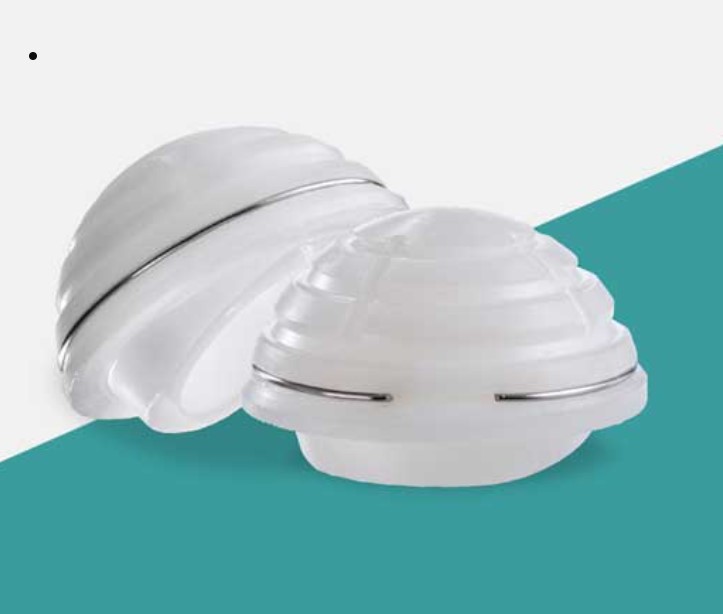 | Joint Replacement Acetabular Cup Cemented Manufacturer An Acetabular Cup Cemented Manufacturer produces acetabular components specifically designed for cemented fixation in total hip replacement... View product → |
Receive, quarantine and release the shipment for surgery
Ordering a cemented acetabular cup in Mexico City does not end at dispatch. Keep the shipment in quarantine until receiving staff match the physical device, sterile packaging and documents against the purchase order and planned case.
Use this receiving sequence:
- Compare the reference, cup size, outer and inner diameter, laterality, quantity, lot or serial number, and expiration date with the purchase order and packing slip.
- Inspect the carton for crushing, puncture, wetness or tampering, then inspect the sterile barrier for tears, broken seals, moisture or an unreadable label.
- Confirm that the definitive cup is sterile and single-use, and keep nonsterile trials or reusable instruments separate for the hospital’s validated reprocessing route.
- Check the promised instructions for use, traceability records and lot-specific documents. A missing document is a release hold, not an administrative detail.
- Record the receiver, delivery date, device details and pack condition in the inventory or implant-tracking record before release.
Quarantine a mismatched size, reference, quantity or laterality and notify procurement and the supplier; do not substitute a similar cup. Quarantine any breached sterile barrier, moisture intrusion or unclear traceability, and request disposition from the manufacturer or authorized distributor.
If the surgical request changes, stop release, obtain written confirmation of the new specification, and recheck compatibility with the head, stem, cement and instruments before issuing a revised order. This control is the final safeguard in the cemented acetabular cup ordering process.
Frequently asked questions
What information should a hospital provide when ordering a cemented acetabular cup?
Provide the surgeon-approved implant specification, including the planned system, cup dimensions, compatibility requirements and required components.
How can you confirm that a cemented acetabular cup fits the complete surgical system?
Check the cup dimensions, liner and instrument compatibility, fixation method, and the complete component list against the surgeon’s specification.
Which documents should you request for cemented acetabular cup supply in Mexico City?
Request Mexican authorization documents, product identification and traceability records, sterilization information, batch details and a quotation that states delivery and commercial terms.
What should a hospital do when a cemented acetabular cup shipment arrives?
Quarantine the shipment, inspect seals and packaging, match batch and product details to the documents, then release it only after the checks pass.