A modular bipolar cup head is usually ordered for hemiarthroplasty, while a total hip replacement requires a separate acetabular shell and liner. Before requesting a quotation, identify the procedure, separate the shell and femoral-head dimensions, and obtain written confirmation that every component belongs to one validated implant system.
Key takeaways
- Confirm bipolar hemiarthroplasty before selecting a modular cup head.
- Order shell size, bearing head and femoral component as separate decisions.
- Match taper dimensions and retention features before combining implant systems.
- Include sizes, compatibility details and traceability documents in the hospital order.
Start with the procedure, not the phrase “cup head”
A femoral-neck fracture treated with bipolar hemiarthroplasty requires an outer bipolar shell that articulates with the patient’s native acetabulum and an inner bearing that accepts the modular femoral head. The diagnosis alone cannot determine the component; confirm the planned procedure and native-acetabulum status.
| Procedure | Required construct | Acetabular relationship |
|---|---|---|
| Bipolar hemiarthroplasty | Bipolar shell, inner bearing and modular femoral head; stem if specified | Shell articulates with native acetabulum |
| Primary total hip arthroplasty | Femoral stem, modular femoral head, acetabular shell, liner, and specified screws or plugs | Head articulates with the implanted liner |
| Revision arthroplasty | Revision stem, larger head, constrained or dual-mobility construct, liner exchange, or system-specific component | Depends on the revision plan |
A bipolar shell does not replace the acetabular shell in total hip arthroplasty because it is not designed to articulate with a separately implanted liner. It is unsuitable when the surgeon plans to resurface or replace the acetabulum.
If an order says “modular bipolar cup head for total hip replacement,” ask the hospital to confirm:
- Diagnosis and planned procedure
- Native-acetabulum status
- Exact implant system and catalog reference
- Whether the stem, head and acetabular components are separate line items
Treat “modular bipolar cup head total hip replacement” as an ambiguous request until those details are confirmed. Revision surgery requires system-specific clarification before quotation.
Define exactly what “with head” includes
“With head” is not a single implant part. A modular bipolar assembly includes an outer metallic shell, an inner bearing, a modular femoral head, and a retention feature that captures the bearing and head inside the shell.
The bearing creates the inner articulation with the femoral head; the shell creates the outer articulation with the native acetabulum.
Before approving a modular cup head selection, confirm:
- Whether the bearing arrives factory assembled or is assembled by the surgeon.
- Whether capture uses a locking ring, snap-fit, retaining ring, or another mechanism.
- Whether the package contains only the implant or also trials and instruments.
- Whether the femoral stem is included; it is commonly a separate line item.
- Whether the implant is supplied sterile, the sterilization method, and whether resterilization is prohibited.
Do not use the shell’s outside diameter as the inner bearing diameter or femoral-head diameter. For a modular bipolar cup head total hip replacement request, clarify the bearing arrangement and complete contents rather than accepting a catalog-family name.
| Option | Bearing arrangement | What the order represents |
|---|---|---|
| Fixed bipolar prosthesis | Non-modular relationship between shell and femoral head | A fixed bipolar implant |
| Unipolar Austin-Moore-type head | One principal articulation with the native acetabulum | A unipolar hemiarthroplasty component |
| Total hip construct | Stem-mounted head articulates with an acetabular shell and liner | Separate acetabular and femoral components required |
Size the shell, head and femoral side as separate decisions
A 37–55 mm range is not a complete sizing instruction for modular bipolar cup head selection. Ask whether each catalog number identifies the shell’s outside diameter, inner diameter, or another nominal dimension. Choose the shell outside diameter from radiographs, templating, or intraoperative acetabular trials—not from stem size, age, or nominal femoral-head diameter.
Oversizing can impair seating and soft-tissue tension; undersizing can increase instability or migration.
| Decision | Use this evidence | Do not substitute |
|---|---|---|
| Shell outside diameter | Acetabular radiographs, templating, or trial fit | Stem size or patient age |
| Inner head diameter | Bearing specification and compatible modular head | Shell diameter |
| Femoral side | Taper, neck length, offset, leg-length plan, and recorded anatomy | Diagnosis code |
The order must state:
- Shell outside diameter and catalog number
- Intended inner femoral-head diameter
- Neck length, offset option, and planned leg length
- Stem taper and the femoral anatomy recorded by the surgeon
- Bearing and shell materials, fixation method, and sterile status
Request the surgeon’s templating sheet or completed implant request. Confirm that the selected head fits the inner bearing and that the proposed neck geometry achieves the planned offset and leg length. The supplier and surgical team must reconcile every dimension with manufacturer documentation before shipment.
A size range does not prove interchangeability, including among hip replacement component options in Mexico City.
Prove taper and retention compatibility before mixing systems
A bipolar shell cannot accept any femoral head merely because both carry a 22 mm or 28 mm label. For modular cup head selection, verify the inner bearing’s intended head diameter, stem taper specification, taper angle, diameter and length, neck geometry, offset, material pairing, assembly instructions, and manufacturer system.
“12/14 taper” and “Morse taper” labels do not prove interchangeability because tolerances, neck profiles, and capture requirements differ.
| Interface | Confirm | Failure if mismatched |
|---|---|---|
| Shell and bearing | Bearing diameter, shell dimensions, alloy, polyethylene specification, and retention mechanism | Excessive motion, poor capture, or assembly failure |
| Bearing and head | Intended head diameter, locking or capture feature, and assembly method | Head dislodgement or an unapproved construct |
| Head and stem | Taper angle, dimensions, neck geometry, offset, material pairing, and stem family | Fretting, fracture, instability, or loss of fixation |
Before a bipolar cup head hospital supplier quotes a mixed configuration, require:
- The manufacturer’s compatibility matrix and written confirmation for any shell, bearing, head, or stem from different catalog families.
- The instructions for use, system-level fatigue or endurance evidence, and documentation showing the applicable scope of ISO 7206 or ISO 21535.
- Records of shell alloy, polyethylene type, radiopacity features, coatings, and metal-sensitivity implications.
- Confirmation that the implant is supplied sterile, its sterilization method and expiry date, and whether the inner bearing is captured before delivery.
Use one validated product family unless technical documentation explicitly authorizes the combination.
Convert the clinical choice into a hospital-ready order
Put the procedure at the top: bipolar hemiarthroplasty, primary total hip arthroplasty, or revision. A bipolar shell is intended to articulate with the native acetabulum; a primary total hip order instead needs an acetabular shell and liner, femoral stem, modular head, and specified screws or plugs.
| Procedure | Component order | Purchasing warning |
|---|---|---|
| Bipolar hemiarthroplasty | Bipolar shell, inner bearing, captured or supplied femoral head, and compatible stem | Confirm native-acetabulum use and whether the stem is separate |
| Primary total hip arthroplasty | Acetabular shell, liner, screws or plugs, stem, and modular head | Do not substitute a bipolar shell for the acetabular shell |
| Revision | System-specific revision stem, liner exchange, constrained or dual-mobility components, or larger head | Obtain the surgeon’s exact revision construct and compatibility approval |
A hospital-ready order for a modular bipolar cup head for total hip replacement orders should state:
- Catalog or reference number; shell outside diameter; compatible inner head diameter; stem taper; offset or neck-length option; fixation method; bearing and shell materials; sterile status; and quantity.
- Whether the stem, trials, instruments, screws, plugs, and retention components are separate line items.
- Lot or serial traceability, sterilization method, expiry date or shelf-life statement, packaging-level UDI data when required, implant-card or patient-traceability information, instructions for use, and recall and complaint contacts.
- For hip replacement component options in Mexico City, the exact model’s Mexican market authorization, registration status, importer, intended use, and Spanish labeling. A CE mark or FDA clearance does not replace this check.
- Local stock, trial-instrument availability, replacement-bearing supply, and compatibility with existing stem inventory.
Evaluate Komal Health Care Pvt Ltd against this same evidence: a quotation must identify a validated configuration, not merely a size range or low unit price.
Related products
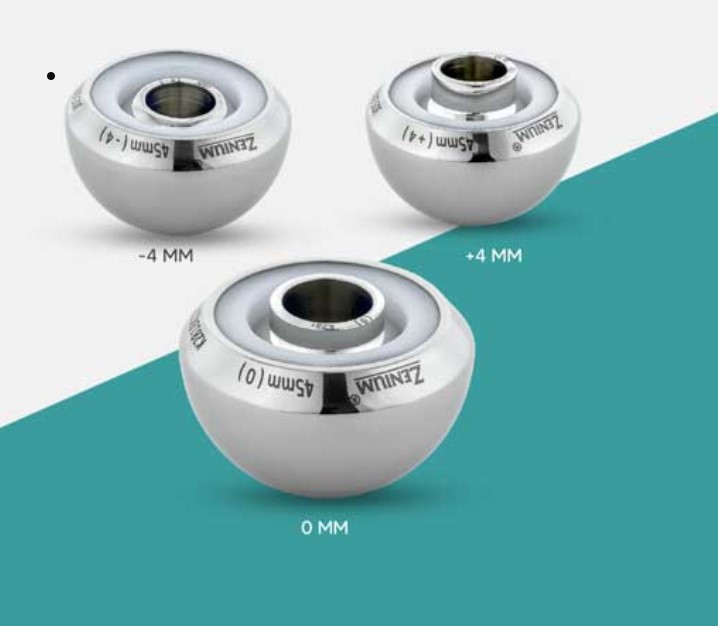 | Joint Replacement Modular Bipolar Cup (With Head) Manufacturer The Modular Bipolar Cup (With Head) is an advanced hip implant system used in hemiarthroplasty procedures, particularly for treating femoral neck... View product → |
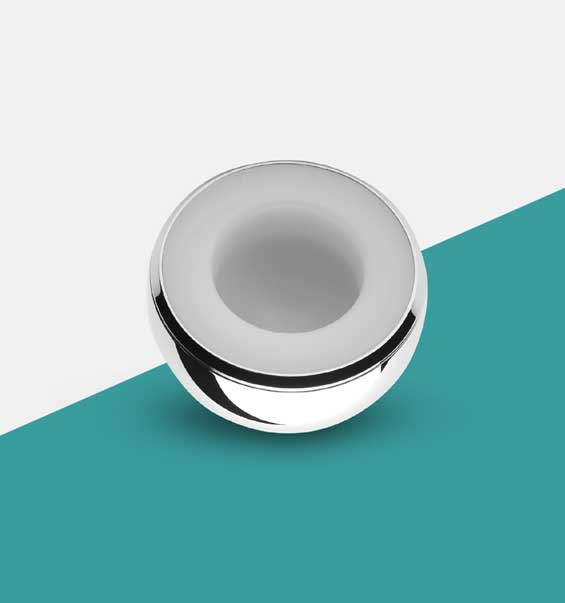 | Joint Replacement Modular Bipolar Cup Manufacturer A Modular Bipolar Cup Manufacturer specializes in producing advanced orthopedic components used in hip replacement surgeries. View product → |
Frequently asked questions
What does “with head” include in a modular bipolar cup head order?
Confirm whether “with head” means the bipolar outer shell and inner bearing supplied with a modular femoral head, rather than assuming it includes the femoral stem or every femoral component.
Can the shell, modular head and femoral component be selected as one size?
No. Select the bipolar shell for native-acetabulum fit, the inner head for the shell’s bearing, and the femoral component for the patient’s femoral anatomy and planned system.
What compatibility details must you verify before mixing implant systems?
Check the femoral head taper specification, taper size, locking geometry, head-neck interface and the bipolar shell’s retention mechanism against the manufacturer’s compatibility documentation.
What should a hospital-ready order for a modular bipolar cup head contain?
State the procedure, shell diameter, bearing and modular head specifications, femoral-side taper or stem details, laterality, quantity, sterility requirements, lot traceability and required documents.
Related products
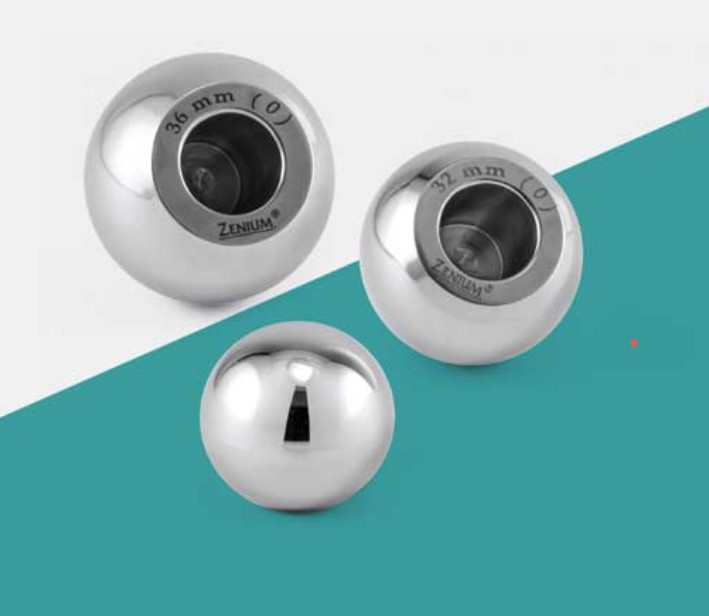 | Joint Replacement An Internal Head Manufacturer specializes in producing internal femoral heads used in hip replacement systems. View product → |
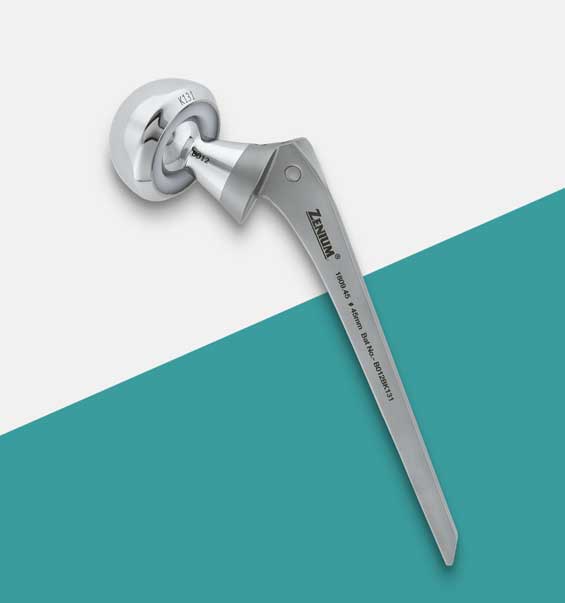 | Joint Replacement Bipolar Prosthesis (Non Fenestrated) Manufacturer The Bipolar Prosthesis (Non-Fenestrated) is a type of hip implant commonly used in hemiarthroplasty procedures, especially for treating femoral neck... View product → |