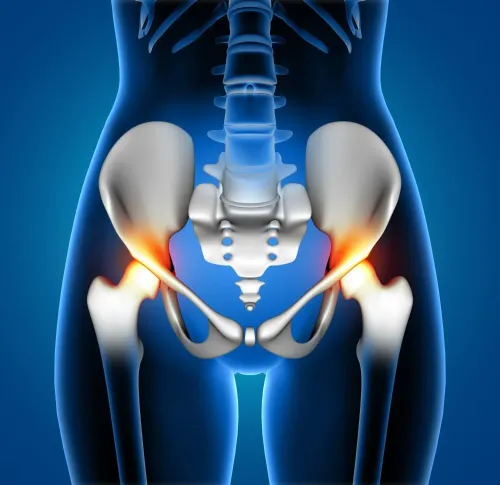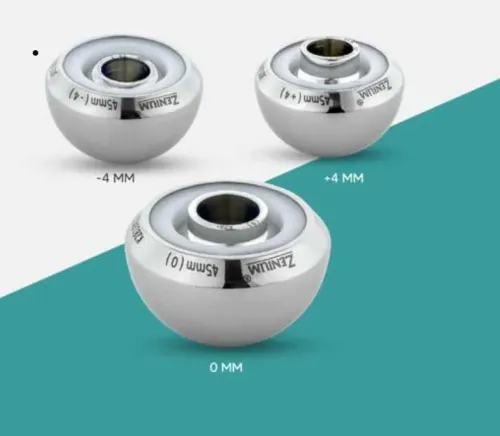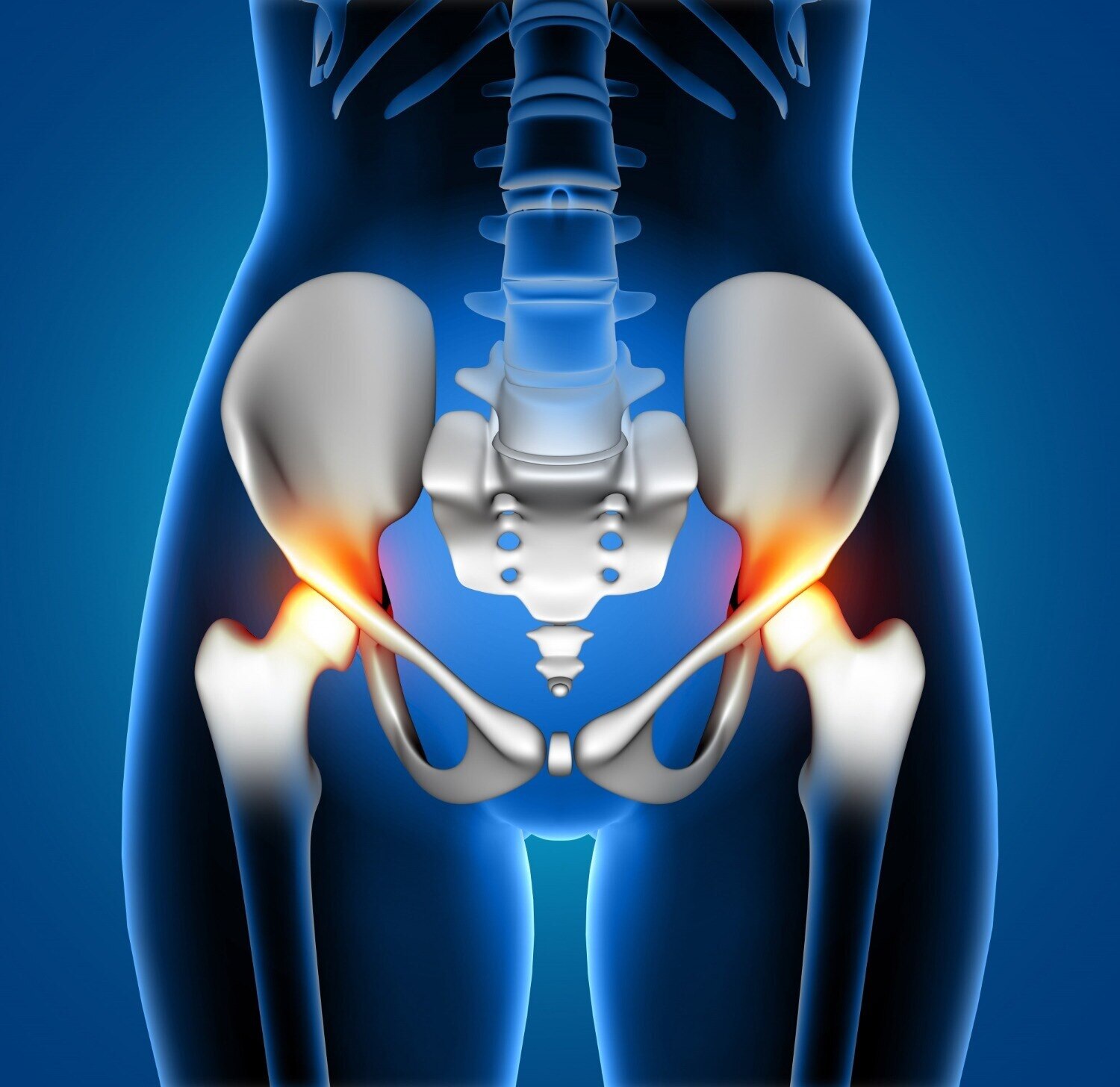
A request that combines “modular bipolar cup” with “radial head prosthesis” can describe two different implant families: a hip hemiarthroplasty component and an elbow implant. By separating the anatomical site, confirming the exact system, and checking interfaces, documents, instruments, and market requirements, you can stop a mismatched order before shipment.
Key takeaways
- Confirm the cup is for hip hemiarthroplasty, not radial head reconstruction.
- List cup diameter, inner articulation, materials and every accessory separately.
- Request the manufacturer’s approved compatibility combinations before placing the order.
- Compare the acknowledgment against the quotation, size family and intended anatomy.
Resolve the anatomical site before requesting a quotation
Confirm the anatomical site first: a modular bipolar cup normally belongs to a hip hemiarthroplasty system, not an elbow implant. Its outer surface articulates with the acetabulum, while its inner articulation accepts a femoral head; a radial head prosthesis usually contains a radial head, neck or collar, and intramedullary stem.
Treat “modular bipolar cup for radial head prosthesis buyers” as a possible translation or catalogue-classification error. Hip and elbow implants have different indications, dimensions, interfaces, and instruments.
1. Ask the surgeon or hospital buyer to state “hip” or “elbow” before you discuss sizes. A quotation that mixes bipolar cup, radial head, and hip implant terms without an anatomical indication, reference number, and drawing is too vague for approval.
2. If the request is for the elbow, stop the cup quotation. Request the radial-head catalogue, radial-head diameter and thickness, stem diameter and length, offset or neck geometry, assembly interface, and compatible trials and instruments.
3. If the request is for the hip, identify the bipolar cup system, cup outer diameter, inner articulation, compatible femoral head, and compatible femoral stem. Confirm whether the system is modular or fixed; a total hip acetabular cup is a different component.
4. Do not substitute a hip bipolar cup for a radial head. A modular bipolar cup manufacturer should name the exact device family and intended anatomical site on its quotation.
Define every line item in a modular bipolar cup order
Bipolar cup ordering is safe only when the request defines every component, not just a nominal size. Use this line-item checklist:
1. State the anatomical site and procedure: hip hemiarthroplasty, elbow radial-head replacement, primary surgery, revision, or inventory replenishment.
2. For a hip bipolar cup, provide the catalogue or reference number, cup outer diameter, inner articulation diameter, compatible femoral-head diameter or range, shell material, bearing material, locking or retaining design, finish, and compatible stem or head interface. Two cups with the same outer diameter can have different internal geometries and retention mechanisms.
3. Specify the shipment contents: cup, internal head, retaining ring or other locking parts, compatible stem, trial components, and instruments. State whether instruments are purchased, loaned, supplied on consignment, or excluded.
4. Add quantity, sterile or non-sterile status, packaging configuration, laterality where the system uses it, and lot or serial-traceability requirements.
5. For a radial head prosthesis, replace cup measurements with radial-head diameter and thickness, stem diameter and length, neck or collar geometry, offset, assembly interface, and required trials or extraction tools. Do not substitute a hip cup specification for an elbow implant.
6. Require the order acknowledgment to repeat every reference number, size, material, interface, quantity, sterility status, and instrument arrangement before shipment.
Verify compatibility with the manufacturer’s approved combinations
A cup, internal head, and stem fit together only when the manufacturer approves that exact combination; matching labels such as “medium” or matching outer diameters prove nothing. For bipolar cup ordering, request the exact product-family compatibility chart, dimensional drawing, interface dimensions, permitted tolerances, and approved combinations before accepting a quotation.
- Identify the anatomy and implant family: a hip bipolar cup is not interchangeable with a radial head prosthesis for the elbow.
- Obtain the surgeon’s size request, including the requested cup, internal head, stem, radial-head diameter and thickness, stem diameter and length, offset, or neck geometry.
- Verify the cup-to-head articulation, head-to-stem connection, locking or retention mechanism, taper or other assembly interface, and limits on combining sizes.
- Request a radial-head implant-to-instrument matrix linking every head and stem size to its correct trials, broaches or rasps, sizing guides, assembly tools, and extraction instruments.
- Approve the quotation only after confirming stem compatibility and whether instruments are purchased, loaned, supplied on consignment, or excluded.
- Review the order acknowledgment before shipment and require it to repeat each reference number, size, material, sterility status, quantity, and instrument arrangement.
For a new product family, complete a final packing-list review or request shipment photographs. Compare the confirmed components against the approved drawing and compatibility chart; a complete-looking box can still contain a radial head with the wrong stem interface or a cup with an incompatible inner articulation.
Request technical documents and check the supply route in Mexico
Approval should wait until the supplier’s technical file and Mexican supply route match the exact implant family. A modular bipolar cup manufacturer must name the device family, anatomical site, catalogue number, and drawing; “bipolar cup for radial head” is not precise enough for a purchase order.
Request these documents before approval:
- Current instructions for use and Spanish version, if supplied for Mexico
- Technical data sheet and dimensional drawing
- Exact material declaration: alloy or polymer grade, coating, surface treatment, and cemented or press-fit indication
- Certificate of conformity
- Sterilization method and sterilization record when supplied sterile
- Validated shelf life, storage conditions, and packaging configuration
- Lot or serial-traceability details
ISO 13485 confirms a medical-device quality-management system. It does not prove that the product is authorized for sale in Mexico.
| Supply route | Checks before approval | What failure indicates |
|---|---|---|
| Radial head prosthesis supplier | COFEPRIS status, Spanish labeling, importer, matching instruments, trained support, radial-head sizes, vigilance contact | Hip distribution experience does not establish elbow-device authority |
| Hip implant distributor in Mexico City | COFEPRIS status for the hip family, compatible cup, head and stem inventory, authorized distribution scope | Geographic proximity does not prove radial-head capability |
Verify the applicable COFEPRIS sanitary-registration status, importer information, lot or serial identification, and vigilance responsibilities against the authorized documents. Komal Health Care Pvt Ltd should identify whether its quotation concerns a hip bipolar system or an elbow radial-head system, rather than repeating mixed terminology.
Related products
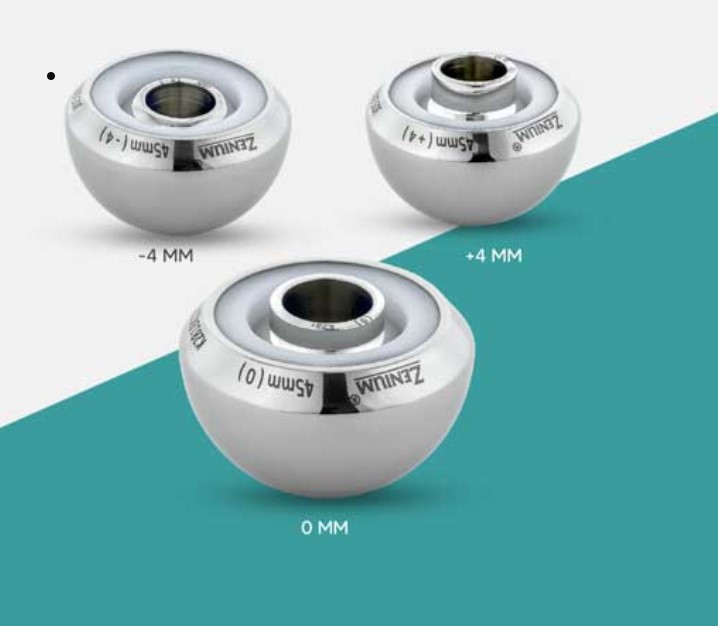 | Joint Replacement Modular Bipolar Cup (With Head) Manufacturer The Modular Bipolar Cup (With Head) is an advanced hip implant system used in hemiarthroplasty procedures, particularly for treating femoral neck... View product → |
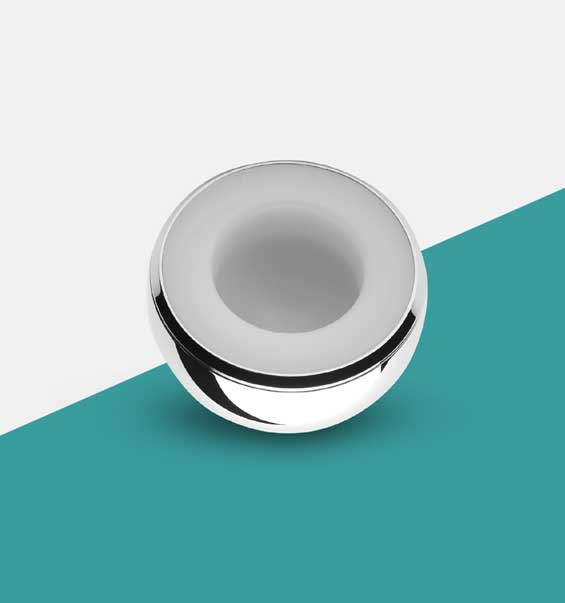 | Joint Replacement Modular Bipolar Cup Manufacturer A Modular Bipolar Cup Manufacturer specializes in producing advanced orthopedic components used in hip replacement surgeries. View product → |
Use the order acknowledgment to catch size-family errors
An order acknowledgment is the last barrier against a complete-looking shipment from the wrong size family. Compare it with the approved quotation line by line, not just against the total quantity.
| Requested family | Required pairing | Failure if mismatched |
|---|---|---|
| Radial-head prosthesis | Radial-head diameter with the approved stem interface | The head may not assemble to the stem |
| Modular bipolar cup | Cup outer diameter with inner articulation, compatible head, retention parts, and stem interface | The cup may not articulate, lock, or assemble |
Check every line for:
- Exact catalogue number, size, laterality, material, finish, sterile or non-sterile status, packaging configuration, quantity, and lot or serial-traceability requirement.
- Included trials, sizing guides, broaches or rasps, assembly tools, extraction tools, and other dedicated instruments. Record whether each item is purchased, loaned, consigned, or excluded.
- Labeled expiry date or validated shelf life, storage conditions, seal-integrity requirements, and sterilization status before placing goods into hospital inventory.
Reject a substitution until the surgeon, quality team, and purchasing authority review the replacement reference and compatibility evidence. Request a final packing-list review or shipment photographs for an unfamiliar product family.
Keep the approved drawing, compatibility chart, acknowledgment, packing list, and receiving inspection record together for each shipment. A missing box is visible; incompatible components can remain hidden until surgery.
Frequently asked questions
Is a modular bipolar cup used in a radial head prosthesis?
Normally no. A modular bipolar cup belongs to a hip hemiarthroplasty system, while a radial head prosthesis uses a radial head, neck or collar, and intramedullary stem.
What should a modular bipolar cup order specify?
Specify the cup size or diameter, inner articulation, materials, modular accessories, quantity, catalogue codes and any required instruments or packaging.
How can buyers verify implant compatibility?
Request the manufacturer’s approved combination chart or technical documentation and match each component by catalogue code, size family and intended system.
What should buyers check in an order acknowledgment?
Compare the acknowledgment with the quotation, focusing on anatomical site, catalogue codes, cup diameter, size family, quantities and delivery route in Mexico.