A distributor cannot evaluate an acetabular cup from its outer diameter or a generic “medical-grade” material claim. You need to confirm the complete implant system, match every component, verify Mexican authorization, and calculate the cost of keeping the right sizes and instruments in stock before requesting a quotation.
Key takeaways
- Define fixation, liner, bearing, and locking geometry before requesting prices.
- Compare shell diameter, materials, bearings, and compatible instruments—not outer diameter alone.
- Request Mexican authorization, sterility records, lot numbers, and traceability documents.
- Use an RFQ checklist covering compatibility, packaging, minimum order quantities, and lead times.
Define the Cup System Before You Compare Suppliers
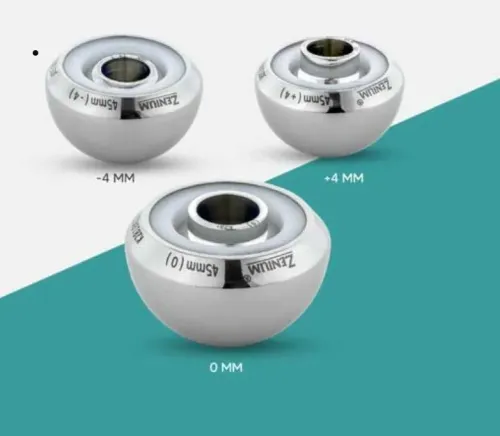
A total hip replacement cup supplier in Mexico must identify the complete construct, not quote an outer diameter alone. You may be buying a cemented polyethylene cup, a cementless press-fit shell, a modular shell-and-liner, a constrained liner, or a dual-mobility design. These systems differ in fixation, bearing, locking geometry, and compatible components.
| Cup system | What to verify | Selection concern |
|---|---|---|
| Cemented polyethylene | Cement mantle interface and cup geometry | Requires suitable bone preparation and cement technique |
| Cementless press-fit shell | Press-fit geometry, coating, pores, and screw holes | Needs adequate bone stock and initial stability |
| Constrained or dual-mobility | Liner capture and approved head sizes | Requires system-specific indications and compatibility |
A standard primary cup is not automatically suitable for revision, dysplasia, major bone loss, augments, or additional fixation. Those cases can require revision shells, augments, cages, or multiple screws; using a primary design can leave inadequate support or unstable fixation.
Do not confuse a total hip cup with a bipolar or modular bipolar component for hemiarthroplasty. They are different systems and are not interchangeable.
Require the quotation to state whether it includes:
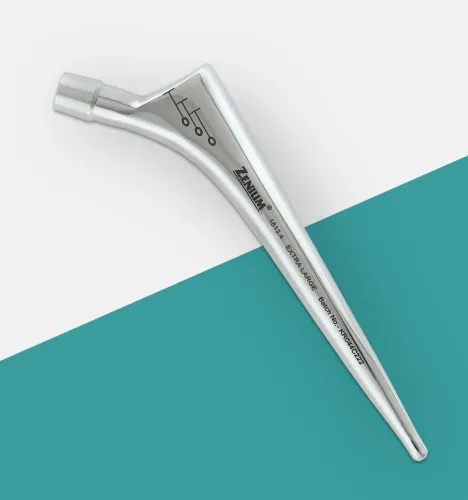
- Shell, liner, locking mechanism, screws, augments, compatible femoral head, and stem
- Trials, reamers, impactors, and other instruments
Request the instructions for use and surgeon selection criteria before choosing cemented or press-fit fixation. Cement depends on a prepared cement mantle; press-fit depends on bone quality, fixation geometry, and initial stability. The wrong choice can cause migration, loosening, fracture, or revision.
Match Dimensions, Materials, Bearings and Locking Features
A quote is incomplete without more than shell outer diameter. Ask an acetabular cup distributor supplier for a controlled matrix showing shell outer-diameter range, shell thickness, liner inner-diameter range, head diameters, cup inclination options, neutral and elevated liners, and left-right variants where relevant.
- Specify shell material and grade, such as Ti-6Al-4V or CoCrMo ASTM F75; liner designation and grade, such as UHMWPE ASTM F648 or highly cross-linked polyethylene; femoral-head ceramic or CoCrMo grade; screw alloy and dimensions; and locking-ring or insert material.
- Confirm shell-to-liner locking geometry, taper, head size, and matching stem in the approved system matrix. Never mix manufacturers’ shells, liners, heads, or stems unless the instructions for use expressly authorize it.
- Request evidence for press-fit geometry, coating or porous-surface composition and pore structure, screw-hole design, shell deformation testing, and modular disassembly testing such as ASTM F1820.
Bearing choices involve trade-offs, not a universal winner.
| Option | Wear and damage | Imaging, compatibility and cost |
|---|---|---|
| Ceramic-on-polyethylene | Low bearing wear; ceramic fracture or chipping remains a damage mode | Radiopaque ceramic; requires matched head; often higher cost |
| Metal-on-polyethylene | Established pairing; metal wear and polyethylene debris require review | Metal artefact can obscure imaging; broad compatibility; often lower cost |
| Ceramic-on-HXLPE | Reduced polyethylene wear; ceramic damage remains possible | Requires approved ceramic-head pairing; higher material cost |
| Ceramic-on-ceramic | Very low wear; fracture, edge loading and noise are concerns | Minimal wear artefact; exact compatibility is critical; highest component cost |
Confirm every quoted combination, including screws and instruments, against the manufacturer’s matrix.
Verify Mexican Authorization, Sterility and Lot Traceability
Obtain evidence for every implant family and model range before placing an order. A search for a hip replacement implant manufacturer in Mexico City is not enough: confirm whether the entity manufactures the cup, holds the authorization, or imports it.
1. Request the COFEPRIS sanitary registration or applicable authorization, registration holder, Mexican importer details, intended use, technical data sheet, instructions for use, declaration or certificate of conformity, certificate of analysis where supplied, sterilization record, and lot or serial traceability records. Match each document to the quoted models.
2. Do not treat ISO 13485, CE marking, FDA status, or an export certificate as a substitute for Mexican authorization. Ask whether the quality certificate covers the actual manufacturing site and the relevant implant category under NOM-241-SSA1-2021, not only a sales office.
3. Record the sterilization method, sterile-barrier configuration, validated shelf life, sterility label, storage and transport limits, and instructions for inspecting a damaged package. For nonsterile supply, obtain the validated hospital cleaning, packaging, and sterilization process; an informal reprocessing instruction is inadequate.
4. Under NOM-240-SSA1-2012, name the parties responsible for complaints, adverse-event reporting, post-market surveillance, recalls, and preservation of distribution records. Before importation, reconcile model numbers, quantities, lots, country of origin, labels, invoices, packing lists, registration documents, and customs papers. Any mismatch can delay clearance or break recall traceability.
Audit the Supplier’s Manufacturing and Distribution Role
A Mexico City address does not prove local manufacture. For a total hip replacement acetabular cup manufacturer in Mexico City, identify the legal role behind each model before reviewing samples or catalogues.
| Role | Evidence to request | Who controls the risk |
|---|---|---|
| Manufacturer | Manufacturing-site certificate, quality-system scope, device records | Design changes and nonconformities |
| Registration holder | COFEPRIS authorization naming the exact family and model range | Conformity documents and market status |
| Importer or distributor | Importer details, invoices, customs records, lot distribution logs | Local complaints and recall execution |
| Private-label supplier | Written manufacturer agreement and label authorization | Warranty, branding and technical support |
| Reseller | Original manufacturer’s authorization and traceability records | Access to records and replacement decisions |
Audit the quality-system scope, manufacturing-site certificates, change-control notifications, nonconformance records, corrective and preventive actions, complaint-response target, recall procedure, and access to lot-level records. Ask who investigates complaints under NOM-240-SSA1-2012, submits technovigilance reports, and preserves distribution records.
Apply this evidence process to Komal Health Care Pvt Ltd: ask which acetabular cup models it supplies, where each is manufactured, who holds the Mexican authorization, and whether the cup, liner, head, stem and instruments form one approved system. A hip replacement implant manufacturer in Mexico City must prove that relationship; a sales address cannot.
Before ordering, confirm minimum order quantity, lead time, forecast commitments, replacement policy, instrument-loan terms, and availability of every matching liner and size. Reject samples or catalogue review until model-level documentation is complete.
Related products
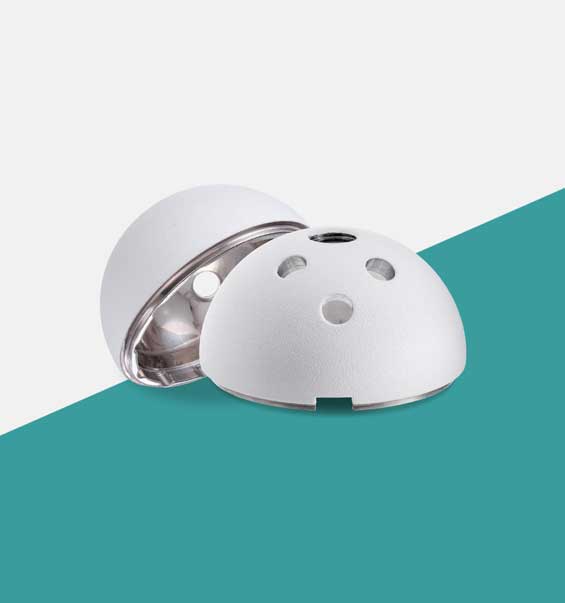 | Joint Replacement The Acetabular Cup is a key component in total hip replacement surgery, designed to fit into the hip socket (acetabulum). View product → |
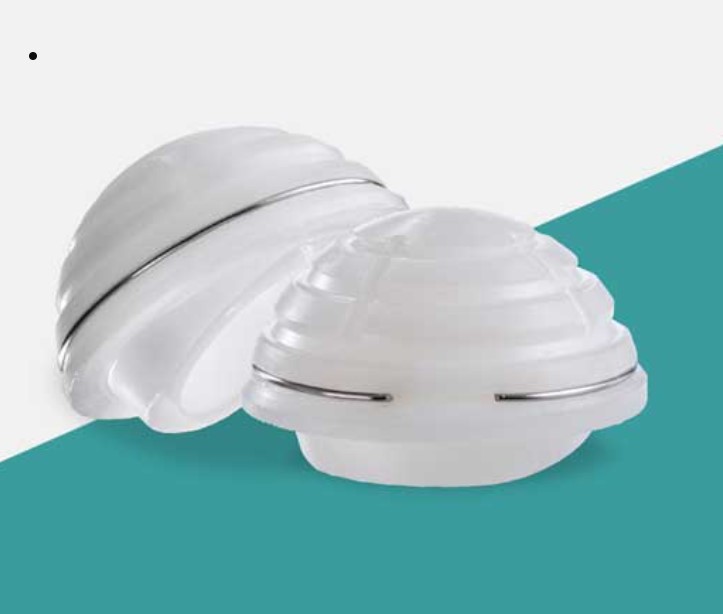 | Joint Replacement Acetabular Cup Cemented Manufacturer An Acetabular Cup Cemented Manufacturer produces acetabular components specifically designed for cemented fixation in total hip replacement... View product → |
Build a Wholesale Comparison and RFQ Checklist
Request a controlled catalogue from every acetabular cup wholesale supplier, not an outer-diameter price list. A total hip replacement cup supplier in Mexico must identify the complete construct and prove that each component belongs to one approved system.
- Quote model numbers, fixation method, shell sizes and thicknesses, liner combinations, head diameters, bearing pairs, materials and grades, screw sizes, compatible instruments, packaging units, sterile or nonsterile status, sterilization method, shelf life, storage conditions, minimum order quantity, lead time, sample-evaluation terms, warranty or replacement policy, and certificates tied to the quoted lots.
- Provide a compatibility matrix covering shell, liner, head, stem, screws, trials, reamers, and impactors. Require inner diameters, locking features, tapers, and left-right or neutral options, not just shell outer diameter.
- State how hospitals report device problems, who investigates complaints, and who submits Mexican technovigilance reports under NOM-240-SSA1-2012.
Compare the landed cost across suppliers:
| Cost area | What to include |
|---|---|
| Regulatory and import | Registration maintenance, importer work, customs brokerage |
| Logistics | Freight, sterile controls, storage, and expiry exposure |
| System support | Instruments, loan or consignment terms, and replenishment |
| Inventory | Multiple shell-liner sizes and obsolete catalogue numbers |
Do not place an order until the supplier proves authorization, lot traceability, configuration compatibility, instrument access, and reliable replenishment for the complete system.
Frequently asked questions
What should you define before comparing acetabular cup suppliers?
Specify whether you need a cemented polyethylene cup, cementless press-fit shell, modular shell-and-liner, constrained liner, or dual-mobility system. Record fixation method, bearing, locking geometry, and compatible components.
Which acetabular cup specifications should medical distributors compare?
Compare shell and liner dimensions, material combinations, bearing surfaces, fixation features, locking mechanisms, compatibility with femoral components, and the instruments required for implantation.
Which documents should you request from a total hip replacement cup supplier in Mexico?
Request Mexican authorization records, sterility documentation, product and packaging details, lot or batch traceability, manufacturing records, and distribution documentation tied to each shipment.
What belongs in an acetabular cup wholesale RFQ?
List the exact system and sizes, materials, bearing options, compatible components, packaging and sterility requirements, documentation, minimum order quantities, lead times, pricing tiers, and delivery terms.
Related product
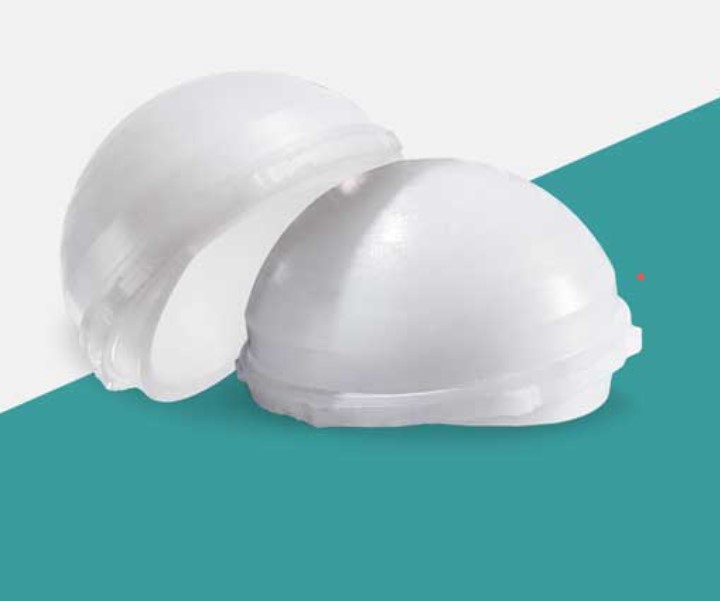 | Joint Replacement Acetabular Cup Liner Manufacturer An Acetabular Cup Liner Manufacturer specializes in producing liners that fit inside the acetabular cup during total hip replacement surgeries. View product → |