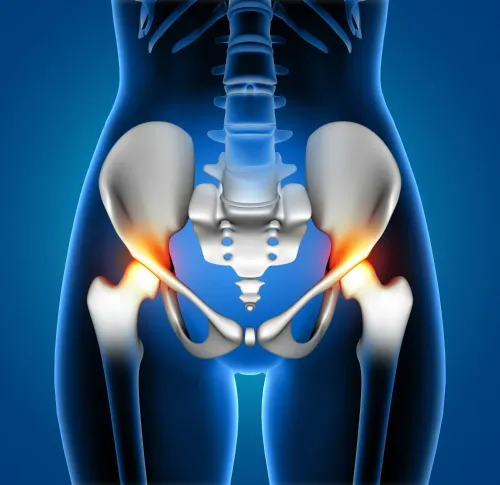
The cup and femoral stem do not connect directly: the stem carries a modular femoral head, which articulates with the cup’s liner. By following the fixation steps, mechanical interfaces, imaging checks and documentation trail, you can assess whether the complete construct is clinically appropriate and mechanically compatible.
Key takeaways
- The femoral head connects the stem to the liner, not directly to the acetabular cup.
- Press fit secures the shell in bone and the stem inside the femoral canal.
- Check taper, head size, liner, shell and stem compatibility before ordering.
- Request traceability and regulatory documents before accepting implants in Mexico City.
How the cup, liner, head and uncemented stem form one construct
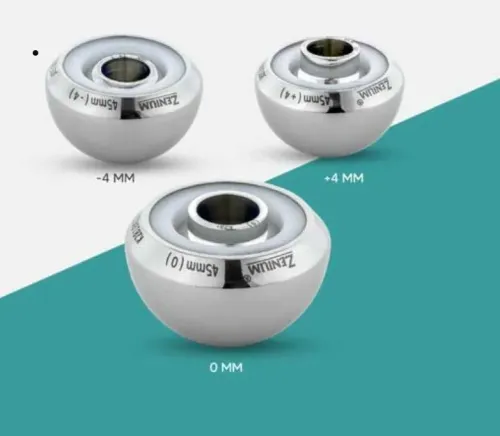
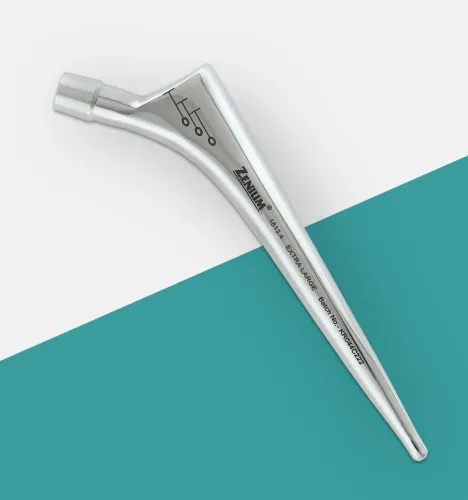
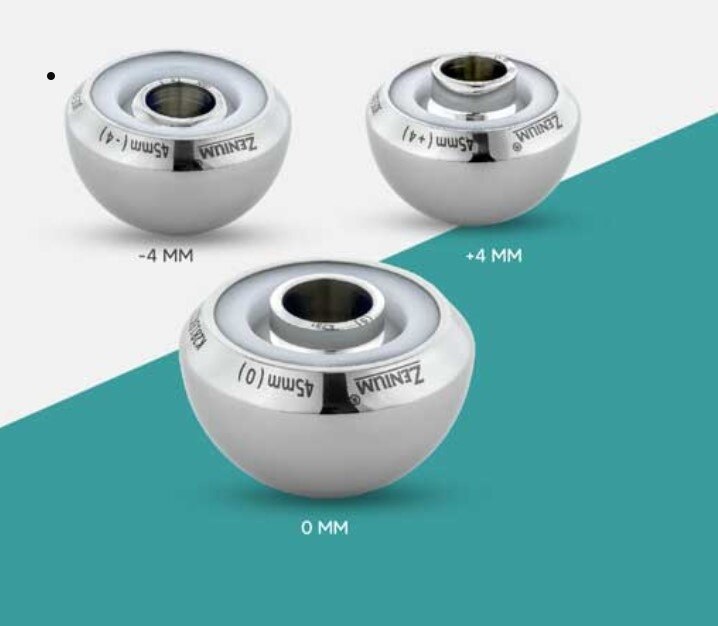
The acetabular cup does not connect directly to the femoral stem. In a total hip construct, the uncemented stem sits in the femoral canal and carries a modular femoral head on its trunnion; that head moves inside a polyethylene or ceramic liner locked into the acetabular shell.
The bearing connection works only when the head matches both sides. Taper angle, trunnion diameter, head diameter, neck length, material and liner geometry must agree with the manufacturer’s labeling. A head that enters a liner is not automatically safe on a different stem.
“Uncemented” describes fixation, not the entire configuration. An uncemented cup relies on press-fit and surface ingrowth, while an uncemented stem is designed for biological fixation in the femur. A surgeon can also pair an uncemented stem with a cemented acetabular cup, creating a mixed-fixation construct.
| Construct | Articulating surfaces | Fixation and practical consequence |
|---|---|---|
| Total hip replacement | Femoral head against an acetabular liner | The cup, liner, head and stem form one matched system; missing sizes can force an intraoperative compromise |
| Hemiarthroplasty | Femoral head directly against the patient’s native acetabulum | No acetabular shell or liner is implanted, so cartilage wear and acetabular anatomy remain central concerns |
| Bipolar hemiarthroplasty | An inner head-bearing plus an outer head surface against native acetabulum | The additional internal motion does not turn it into a total hip replacement |
A complete uncemented stem hip components set therefore includes compatible heads, liners, trials, instruments and revision options—not merely a shell and stem. The acetabular and femoral components are selected for separate bone shapes; a large cup does not dictate a large stem.
How press-fit fixation is created in the acetabulum and femur
An uncemented acetabular shell is fixed by bone preparation and interference fit, not by cement. The surgeon exposes the acetabulum, removes cartilage, and reams sequentially until the cavity matches the planned shell size and orientation. The shell is impacted slightly larger than the prepared bed, creating press-fit stability; screws through permitted holes can add fixation.
A liner is then locked into the shell’s internal mechanism.
- Ream to bleeding, viable bone without removing excessive stock.
- Impact the shell until its rim and outer surface achieve firm contact.
- Insert supplemental screws when the design allows them and primary stability needs reinforcement.
- Confirm that the polyethylene or ceramic liner is fully seated and locked.
The femur is opened and broached progressively to reproduce the selected stem’s geometry. The final broach must resist axial subsidence and rotation without forcing an excessively tight fit; over-aggressive impaction can fracture the femur, while early micromotion can produce fibrous tissue instead of bone ingrowth.
The stem is inserted with its porous or roughened fixation surface contacting prepared bone.
An uncemented stem does not attach directly to the cup. Its trunnion receives a modular femoral head, which articulates with the cup liner. Thus, uncemented stem hip components must match head diameter, taper, neck length, liner geometry and bearing material.
A surgeon can pair an uncemented stem with a cemented acetabular cup in a hybrid replacement. The cup is fixed with polymethyl methacrylate bone cement, while the stem relies on biological fixation. That choice belongs to complete hip implant component selection, based on bone quality, anatomy and the intended construct.
How orientation, offset and component interfaces affect stability
Stability depends on matching orientation, offset, dimensions and locking interfaces across the entire construct, not on choosing a cup and stem independently. An acetabular cup uncemented stem pairing uses a modular head as the bridge: the shell holds the liner, the liner articulates with the head, and the head locks onto the stem trunnion.
Before approving the hip implant component selection, confirm:
- Cup inclination and anteversion, liner orientation and stem version leave enough clearance to limit neck-liner impingement and dislocation.
- Stem offset, head-neck geometry, neck length and stem seating restore abductor tension and leg length without excessive soft-tissue tension.
- Head diameter fits the liner, while liner thickness remains adequate; a large head permitted only by an excessively thin polyethylene liner creates a durability trade-off.
- The head taper angle, diameter, length, material and locking geometry match the stem trunnion and the manufacturer’s labeling.
| Interface | What must agree | Failure if mismatched |
|---|---|---|
| Shell–liner | Shell locking mechanism, liner outer diameter, orientation and validated liner thickness | Liner motion, dissociation, edge loading or reduced range of motion |
| Liner–head | Bearing material, head diameter, clearance and liner geometry | Impingement, accelerated wear or instability |
| Head–stem | Taper angle, taper diameter, neck length, material and trunnion locking specification | Fretting, head loosening, fracture or incorrect leg length |
Use only validated shell, liner, head and stem combinations. Confirm the system includes trial sizes, instruments, supplemental screws and revision options; missing neck lengths or offsets can force an intraoperative compromise.
How surgeons compare stem choices before selecting the complete implant system
Bone quality and femoral anatomy drive hip implant component selection, not cup diameter. Review calibrated anteroposterior and lateral radiographs, templating the Dorr canal type, femoral anteversion, proximal bone stock, leg length and offset; use CT when dysplasia, deformity, unusual version or major bone loss makes two-dimensional planning unreliable.
| Option | Bone and anatomy | Patient and revision implications |
|---|---|---|
| Uncemented stem | Suits reliable press-fit purchase; tapered-wedge, fit-and-fill, cylindrical or modular geometry must match the canal and proximal stock. Osteoporosis, a wide Dorr type C canal or poor metaphyseal grip can undermine fixation. | Often favoured for patients with bone capable of biological ingrowth. Preserve extraction and revision strategies, because osseointegration can make later removal demanding. |
| Cemented stem | PMMA cement fills the prepared canal and does not depend on bone ingrowth. It can provide immediate fixation when proximal bone is fragile or geometry prevents dependable press-fit. | Consider age, fracture risk, mobility, cardiopulmonary risk and the surgeon’s cementing protocol. Plan cement removal and distal fixation if revision becomes necessary. |
Patient activity, neuromuscular control, prior fracture, osteoporosis treatment and expected longevity affect the choice. The bearing is separate: ceramic or cobalt-chrome heads, polyethylene or ceramic liners, and head diameter must match the selected taper and stability goals.
Do not choose available uncemented stem hip components in isolation; confirm compatible liners, heads, trials, instruments and revision options before finalising the complete system. A larger cup does not require a larger stem.
How hospitals verify compatible components and supplier quality in Mexico City
Approve a cup-and-stem system only after confirming the complete construct, not just the cup diameter. How an acetabular cup works with an uncemented stem in Mexico City is mechanically the same elsewhere: the stem carries a modular head, and that head must match the liner inside the cup.
Use this procurement sequence:
1. Request the cup, liner, head and stem catalogue numbers, drawings and compatibility matrix. Confirm head diameter, neck length, bearing material, liner geometry, stem trunnion taper, taper diameter and locking features. A head that fits a liner bore is unsafe if its taper does not match the stem.
2. Confirm fixation separately. Identify whether the shell and stem are press-fit or porous-ingrowth designs, and whether the cup is cemented. “Uncemented stem” describes femoral fixation; it does not prove that the acetabular component is uncemented.
3. Ask for the Mexican Registro Sanitario, product description, certificate holder, importer or authorized distributor, Spanish instructions for use, labels, lot or serial traceability and complaint-contact details. Check that the supplier’s quality system addresses NOM-241-SSA1-2021.
4. Verify delivery of the same system’s insertion instruments, compatible screws, trial liners, heads and revision components. Missing instruments can delay surgery; mixing revision parts from another system can invalidate compatibility.
5. Assess the manufacturer separately from the implant design. Whether reviewing an acetabular cup manufacturer Mexico listing or an imported supplier, request batch records and sterilization-release documentation. Komal Health Care Pvt Ltd belongs in the same evidence-based comparison.
Related products
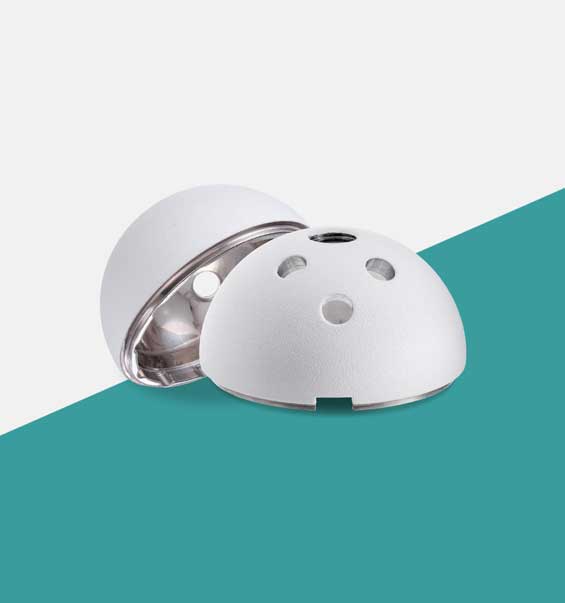 | Joint Replacement The Acetabular Cup is a key component in total hip replacement surgery, designed to fit into the hip socket (acetabulum). View product → |
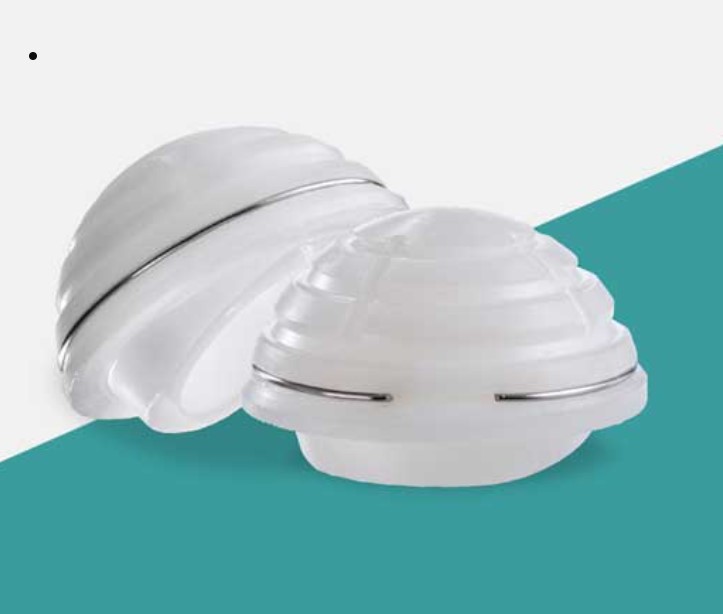 | Joint Replacement Acetabular Cup Cemented Manufacturer An Acetabular Cup Cemented Manufacturer produces acetabular components specifically designed for cemented fixation in total hip replacement... View product → |
Frequently asked questions
How do the cup, liner, head and uncemented stem form one hip construct?
The uncemented stem sits in the femoral canal, its trunnion carries the modular femoral head, and the head moves inside the liner locked into the acetabular shell.
How is press-fit fixation created in the acetabulum and femur?
The acetabular shell is sized for interference with the prepared socket, while the stem is shaped and sized to achieve stable contact inside the prepared femoral canal.
Which interfaces affect stability in an uncemented hip construct?
Cup orientation, stem position, femoral offset, head and liner dimensions, the stem taper and the liner-to-shell locking mechanism all affect stability.
How do hospitals verify compatible hip components and supplier quality in Mexico City?
Hospitals should match the manufacturer’s compatibility chart, verify catalog and lot numbers, inspect packaging and sterilization labels, and request traceability and regulatory documentation.
Related products
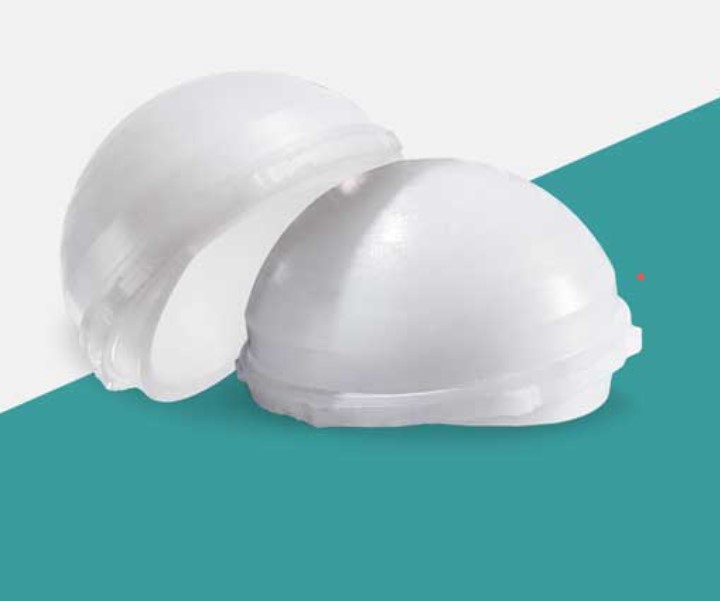 | Joint Replacement Acetabular Cup Liner Manufacturer An Acetabular Cup Liner Manufacturer specializes in producing liners that fit inside the acetabular cup during total hip replacement surgeries. View product → |
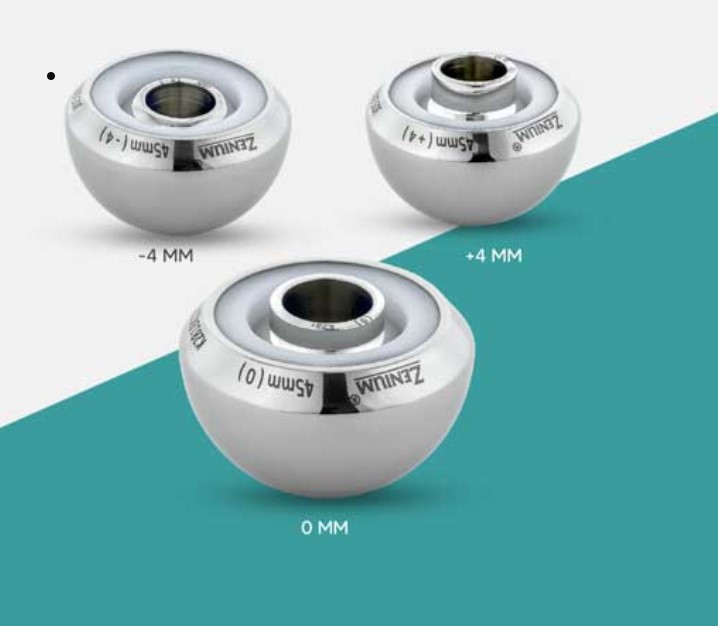 | Joint Replacement Modular Bipolar Cup (With Head) Manufacturer The Modular Bipolar Cup (With Head) is an advanced hip implant system used in hemiarthroplasty procedures, particularly for treating femoral neck... View product → |
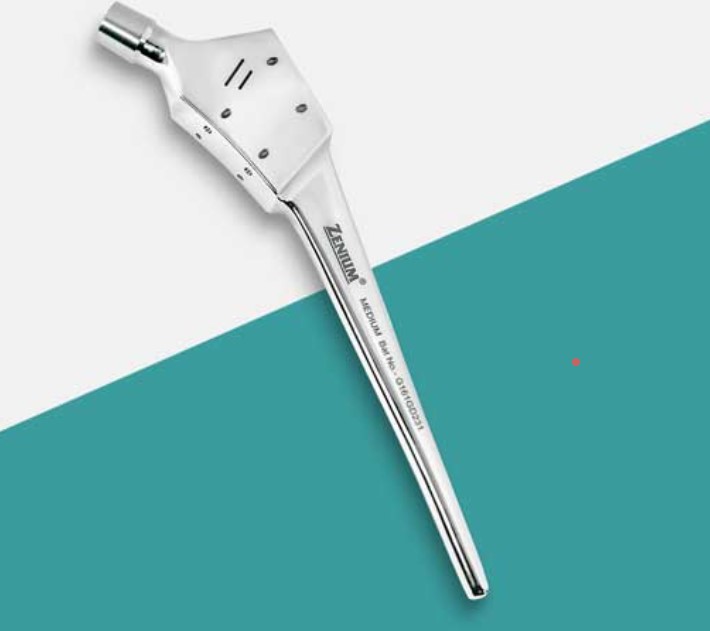 | Joint Replacement A Calcar Stem Manufacturer specializes in producing orthopedic implants designed for hip replacement surgeries, particularly when there is damage or... View product → |
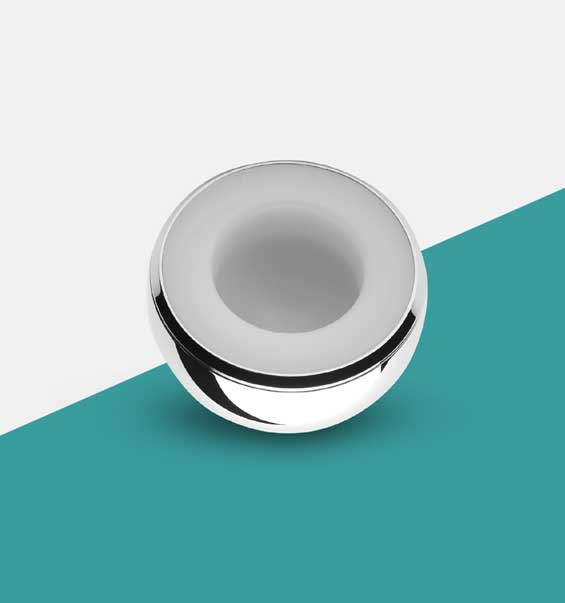 | Joint Replacement Modular Bipolar Cup Manufacturer A Modular Bipolar Cup Manufacturer specializes in producing advanced orthopedic components used in hip replacement surgeries. View product → |