Choosing cemented acetabular fixation in Mexico City requires more than identifying a cup in a catalogue. By the end, readers will understand how cement fixation is performed, when it may or may not suit a patient, how it differs from other hip components, and which clinical, documentation, and procurement checks to complete before surgery.
Key takeaways
- Confirm cup size, liner, femoral stem, and head compatibility before surgery.
- Choose cemented fixation based on bone quality, anatomy, age, and revision planning.
- Request implant lot numbers, cement records, sterilisation details, and supplier documentation.
- Use serial radiographs to assess cup position, migration, cement mantle, and loosening.
How a Cemented Acetabular Cup Is Implanted
The surgeon fixes the acetabular cup to prepared bone with polymethylmethacrylate (PMMA) bone cement. The cement fills cancellous bone irregularities and creates mechanical interlock; unlike a porous cementless cup, it does not osseointegrate.
1. After exposing the socket, the surgeon removes cartilage, loose tissue, and debris, then reams or shapes the acetabulum to the selected cup. A trial component checks size, depth, orientation, and coverage.
2. The cavity is thoroughly lavaged to remove bone dust and blood, then dried with swabs or suction. Persistent bleeding or retained tissue can weaken the cement–bone interface.
3. The team mixes PMMA according to the cement manufacturer’s instructions and waits for the specified working viscosity. Applying it too early can make handling difficult; applying it too late can prevent adequate interdigitation.
4. The surgeon places cement into the prepared socket, pressurizes it to drive cement into cancellous bone, and maintains the intended cement mantle. The acetabular cup is then inserted at the planned position and held steady.
5. Excess cement is removed before it hardens, while the surgeon checks that no cement obstructs movement or surrounding structures. The cup must remain immobile during polymerization, the chemical curing phase, until the cement has hardened sufficiently for the next surgical steps.
Cemented acetabular cup usage in Mexico City depends on surgeon preference, patient anatomy, bone quality, and the validated implant-and-cement system. Immediate fixation reflects the quality of this entire workflow, not the cup alone.
Cemented and Press-Fit Cups: Which Fixation Strategy Fits the Case?
The choice is not simply stable versus unstable: a cemented acetabular cup gains immediate mechanical fixation from polymethyl methacrylate (PMMA), while an uncemented press-fit cup relies on interference fit first and bone ingrowth later.
A cemented THR usually means both the acetabular component and femoral stem are cemented; a cemented stem with a press-fit cup is a hybrid total hip replacement.
| Option | Fixation and operating-room effect | When considered | Reasons to reject |
|---|---|---|---|
| Cemented cup | PMMA fills the prepared socket, and the cup is held while the cement polymerizes | Poor bone quality, osteoporosis, older age, fracture-related arthroplasty, or selected revision cases | Cement removal could complicate revision, or the system lacks validation for cemented use |
| Press-fit cup | The cup is impacted for interference fit; later stability depends on bone ingrowth | Adequate bone stock and a plan favouring biological fixation | Insufficient purchase or bone likely to fail before ingrowth |
A cemented cup can deliver immediate mechanical stability, but long-term performance depends on the cement–bone and cement–implant interfaces, cup design, cementing quality, bearing couple, component position, and patient loading. Do not treat cement as a guarantee against loosening or revision.
Press-fit fixation avoids a cement mantle and can preserve a preferred revision pathway, but poor initial purchase can leave the cup unstable. The surgeon may reject it when the acetabulum cannot securely hold the implant.
Compare like with like: elective primary surgery, fracture surgery, fully cemented, hybrid, and fully cementless constructs have different patient risks and outcomes. Procurement records must state fixation separately for the cup and stem.
What the Cup Must Match in a Total Hip Replacement
The acetabular cup is the component fixed inside the prepared pelvic socket; its liner is the bearing insert that receives the femoral head. Do not treat the two names as interchangeable. In an all-polyethylene cemented design, the cup and bearing are one component, while a metal-backed design has a separate shell and liner.
| Component | How to identify it | What it does |
|---|---|---|
| Acetabular cup | Socket-shaped component with an outer bone-contacting surface | Replaces the hip socket and accepts the liner or femoral head |
| Liner | Smaller insert seated inside a shell; its inner surface is smooth and concave | Provides the bearing surface |
| Femoral stem | Long tapered or cylindrical component placed in the femur | Supports the femoral head |
| Bipolar cup | Mobile outer shell surrounding a smaller femoral head | Articulates with the native acetabulum in a bipolar hemiarthroplasty |
| Hemiarthroplasty component | Femoral stem with a fixed or bipolar head, without an acetabular cup | Replaces the femoral head alone |
Confirm compatibility from the manufacturer’s implant system and instructions for use, not from appearance. Match the cup, liner, femoral head diameter, bearing material, and stem-neck taper; verify that the cup is validated for cemented fixation and that trial, extraction, and revision instruments fit.
A cemented total hip replacement normally specifies cemented fixation for both components; a cemented stem with a press-fit cup is a hybrid. Record each fixation method separately when ordering hip implants.
Mexico City Procurement Checks for the Cup, Cement, and Records
Before accepting a cemented cup for use in Mexico City, match the physical package to the supplier file, not merely to a catalogue photograph. A product listed for sale is not proof that local surgeons routinely use it.
1. Inspect the cup package for an intact sterile barrier, product code, size, lot number, manufacturing date, expiry date, and sterilization method. Quarantine it if the seal is torn, the label is unreadable, or the cup’s code differs from the delivery note.
2. Request the Spanish instructions for use and confirm that they specify cemented fixation, compatible liner and femoral-head sizes, cup preparation, cement handling, seating, polymerization time, and revision or extraction instruments. Confirm separately whether the construct is fully cemented or hybrid; “cemented THR” does not automatically mean a cemented acetabular component.
3. Check the cement file for the PMMA product name, lot number, expiry date, storage conditions, mixing system, delivery gun, restrictor or plug strategy, lavage requirements, and pressurization instruments. Do not substitute another cement or mixing system without documented manufacturer compatibility.
4. Obtain the supplier’s sanitary registration or import documentation applicable in Mexico, sterilization records, certificate of conformity, lot traceability, and complaint or recall contact. Compare those records with the invoice and receiving log, then retain them in the patient’s implant record.
For acetabular cup cemented usage in Mexico City, ask for hospital-level evidence rather than an unsupported usage percentage. Komal Health Care Pvt Ltd, like any proposed supplier, should provide the component-specific compatibility and traceability documents—not just a general hip implants catalogue or a cemented THR product name.
Related products
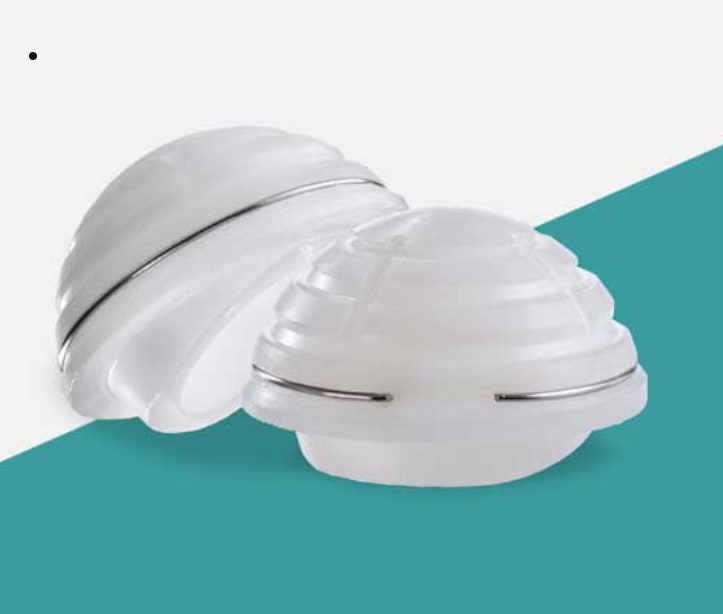 | Joint Replacement Acetabular Cup Cemented Manufacturer An Acetabular Cup Cemented Manufacturer produces acetabular components specifically designed for cemented fixation in total hip replacement... View product → |
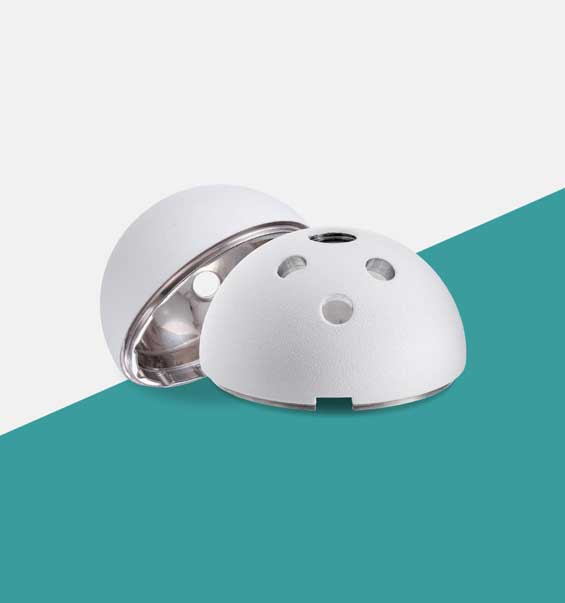 | Joint Replacement The Acetabular Cup is a key component in total hip replacement surgery, designed to fit into the hip socket (acetabulum). View product → |
What Follow-Up Can Show After Cemented Fixation
A firm cup at surgery confirms initial fixation, not lifelong success. Record whether the acetabular component and femoral stem are cemented; a cemented stem with an uncemented cup is a hybrid total hip replacement, not a fully cemented construct.
Early review examines wound healing, pain, leg length, gait, hip stability, and radiographs for cup position, cement mantle defects, migration, or fracture.
Assess follow-up on three separate tracks:
- Initial fixation: Compare early and later anteroposterior pelvis and lateral hip radiographs. Movement, progressive radiolucent lines, cement fracture, or a changing cup position warrants review rather than reassurance from a stable operation.
- Long-term performance: Monitor activity-related groin pain, loss of function, osteolysis, polyethylene wear, impingement, and dislocation. Bearing material, head size, cup orientation, soft-tissue tension, and stem design also influence total hip replacement failure, so do not blame or credit cement alone.
- Patient concerns: Investigate new or worsening pain, fever, drainage, clicking with instability, a sudden leg-length change, or reduced walking ability. Urgent assessment is appropriate after a fall, acute inability to bear weight, or suspected dislocation.
Evidence on cemented acetabular cup usage in Mexico City does not establish a universal follow-up schedule or outcome. Hospital protocols, surgeon assessment, serial imaging, and patient-reported function matter more than an assumption that cemented fixation guarantees permanent stability.
Frequently asked questions
How is a cemented acetabular cup implanted?
The surgeon reams and cleans the acetabulum, prepares the cement mantle, inserts the cup, and holds it until PMMA cures.
How do cemented and press-fit acetabular cups differ?
A cemented cup relies on PMMA mechanical fixation, while a press-fit cup relies on initial interference fit and later bone ingrowth.
What must a cemented cup match in total hip replacement?
Match the cup with the liner, femoral head, taper, femoral stem, bearing materials, sizes, and the surgeon’s planned geometry.
Which procurement records should Mexican buyers check?
Check the cup and cement labels, lot numbers, expiry dates, sterilisation status, instructions for use, invoices, and required Mexican regulatory documentation.