A nominal cup size does not tell you the shell diameter, bearing diameter, liner thickness, fixation method, or compatible femoral head. By the end, you will have a practical specification checklist for comparing acetabular systems, checking compatibility, and requesting the evidence and instruments needed for safe procurement.
Key takeaways
- Confirm shell outer diameter, inner diameter, thickness, and available sizes.
- Compare cemented and uncemented fixation with shell material and coating details.
- Match liner, femoral head, locking mechanism, and orientation before ordering.
- Request drawings, compatibility evidence, test reports, and traceability documents.
Start with the dimensional specification, not the nominal size
Request the complete dimensional drawing before comparing an acetabular cup. A catalog label such as “52 mm” usually identifies shell outer diameter, not the bearing diameter.
Your acetabular cup specifications total hip replacement request should state shell outer diameter, shell inner diameter, wall thickness, available sizes, size increments, and whether measurements use millimetres or another system.
Ask the supplier to show how the implant is selected against templating images, acetabular bone coverage, and the planned femoral-head diameter. A shell that fits the radiographic anatomy can still leave inadequate liner thickness or an unsuitable bearing size.
- Shell: outer diameter, inner diameter, wall thickness, polar clearance, shell material and alloy grade, fixation surface, porous coating, coating thickness, and whether the surface is intended for cementless bone ingrowth.
- Liner: outer diameter, internal diameter, minimum thickness, material, available offsets, and approved femoral-head diameters.
- Interface: locking mechanism, liner seating geometry, taper or connection design, screw-hole pattern, available screw lengths, and driver type.
- System range: every shell size, size increment, compatible liner for each shell, and the manufacturer-approved head combinations.
| Dimension to request | Why it matters | Failure if omitted |
|---|---|---|
| Shell outer diameter | Determines bony fit and coverage | A nominal size can conceal poor fit |
| Liner internal diameter | Establishes bearing and head compatibility | The selected head may not fit |
| Liner thickness | Indicates structural margin and wear trade-off | A large head may leave a thin liner |
| Shell-to-liner dimensions | Confirms mechanical engagement | A liner can fit physically but lock incorrectly |
Compare fixation methods, shell materials, and coatings
A cementless press-fit acetabular cup requires controlled interference, adequate host-bone contact, and immediate stability. A porous or roughened surface supports biological fixation; it does not correct poor preparation, weak bone, or an undersized shell. Screws reinforce a stable fit, but cannot replace it.
| Option | Fixation basis | Specification and comparison points |
|---|---|---|
| Cementless press-fit shell | Interference fit with bone ingrowth | State outer diameter, interference range, shell thickness, fixation surface, coating architecture, screw holes, screw lengths, and compatible drivers |
| Cemented THR cup | Cement mantle fixes the component to prepared bone | Identify monoblock or modular construction, cement-compatible outer geometry, cement fixation surface, polyethylene grade, radiographic markers, and intended cementing technique |
Specify shell material separately from its coating. Request the alloy designation, such as titanium or cobalt-chromium, or the composition of any tantalum-based porous structure. Record coating composition, thickness or pore architecture, and whether the surface is intended for cementless bone ingrowth.
The specification must also identify the liner material, liner internal diameter, locking mechanism, available screw options, and compatible femoral-head diameter. A ceramic-bearing component is not interchangeable with a metal shell merely because both share a nominal cup size; confirm that the shell, liner, screws, and locking interface are approved as one system.
For cemented all-polyethylene designs, ask how the radiographic markers show cup position and whether the geometry matches the planned cement mantle.
Check liner, head, locking, and orientation compatibility
A modular cup is compatible only when its shell, liner, and femoral head are validated as one system. A liner that mechanically fits an acetabular cup can still be unsafe if its locking geometry, thickness, offset, or head size differs from the approved combination.
Ask the supplier to confirm:
- Shell outer diameter, shell inner diameter, shell thickness, liner outer and inner diameters, polar clearance, and every compatible femoral-head diameter
- Liner material and design, including fixed polyethylene, ceramic, constrained, lipped, elevated-rim, or dual-mobility options
- Locking mechanism, liner insertion method, anti-rotation features, and documented resistance to liner dissociation
- Femoral-head material, diameter, neck geometry, and taper connection; do not combine ceramic heads, stems, shells, or liners from different systems without written validation
- Available screw sizes, trajectories, and clearance from the liner and head
- Approved bearing combinations and wear results for the complete shell, liner, and head assembly rather than a different configuration
A dual-mobility cup uses a mobile polyethylene insert that articulates with both the head and metal shell. It is not a larger conventional liner; specify evidence addressing mobile-insert wear and intraprosthetic dislocation.
Cup orientation changes edge loading, impingement, wear, and dislocation risk. Compare the manufacturer’s orientation guidance with the patient’s templating plan and planned head size, because excessive inclination or incorrect anteversion can expose the liner or reduce stability even when every component locks correctly.
Require evidence for the complete implant combination
A test report is useful only when it identifies the exact combination you will implant. For THR implants, request records tied to the shell, liner, femoral head, and stem taper—not a generic report for one component. A modular cup tested with a different liner or head material does not prove your selected bearing is safe.
| Evidence | Request | What to verify |
|---|---|---|
| Shell performance | Fatigue and deformation results | Tested shell size, material, coating, and screw configuration |
| Liner retention | Locking-mechanism test report | Exact liner geometry, thickness, head size, and locking design |
| Bearing durability | Wear results for the complete bearing pair | Polyethylene or ceramic liner matched with the specified head material |
| System compatibility | Manufacturer-approved combination matrix | Shell, liner, head, taper, offset, and stem connection are expressly compatible |
Your procurement file should also name the usable instruments and delivery conditions:
- Instrument compatibility, trial shells, trial liners, trial heads, and trial necks
- Liner-removal tools, shell-extraction tools, screw lengths, and matching drivers
- Sterile packaging type, sterilization method, expiry date, and storage conditions
- Lot or batch number, serial number where used, unique device identifier, and certificate of conformity
Ask Komal Health Care Pvt Ltd to state these details against each quoted configuration, rather than leaving compatibility to the operating team. A mechanically fitting liner can still have the wrong locking geometry or head clearance, creating dissociation, fracture, or abnormal wear.
Related products
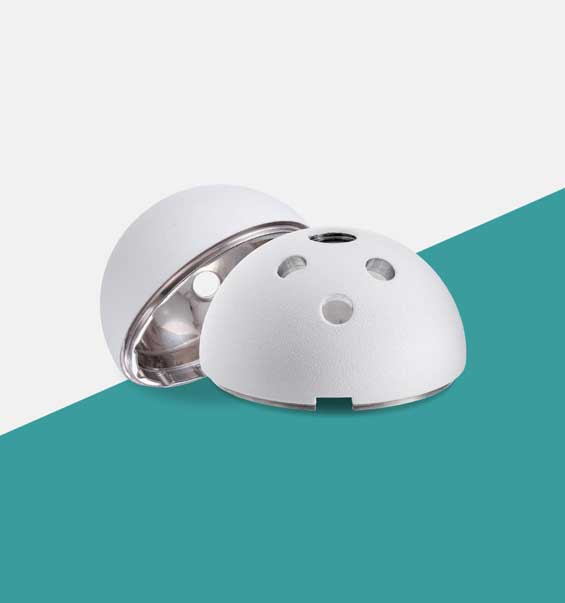 | Joint Replacement The Acetabular Cup is a key component in total hip replacement surgery, designed to fit into the hip socket (acetabulum). View product → |
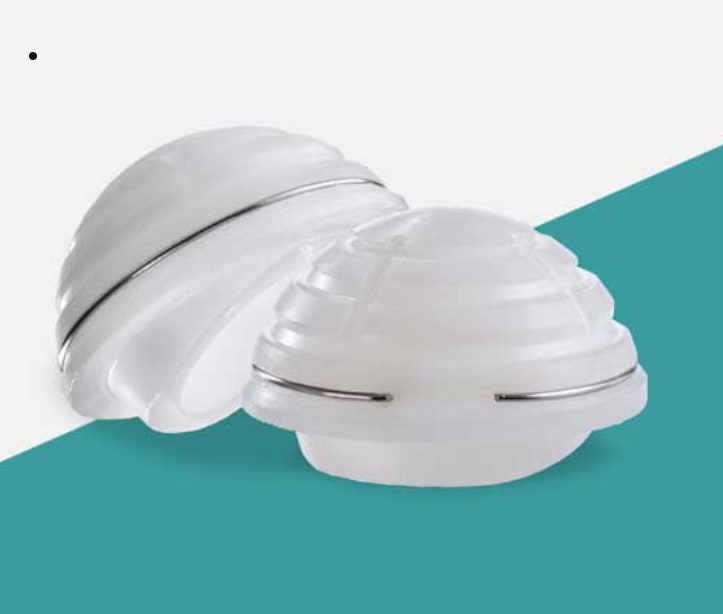 | Joint Replacement Acetabular Cup Cemented Manufacturer An Acetabular Cup Cemented Manufacturer produces acetabular components specifically designed for cemented fixation in total hip replacement... View product → |
Turn the specification into a supplier comparison checklist
Score each competing system against the same acetabular cup specifications for total hip replacement, then reject any proposal with an unfilled field.
1. Record shell outer diameter, inner diameter, thickness, available sizes, size increments, and measurement system. Confirm the planned size against templating images, acetabular anatomy, and femoral-head diameter; a nominal size alone cannot support comparison.
2. Match fixation to bone quality and revision planning. Document shell alloy grade, porous coating or other surface treatment, coating thickness, and intended cementless bone ingrowth. For a cemented THR cup, request outer geometry, cement fixation surface, polyethylene grade, radiographic markers, and the specified cementing technique.
Ask how the shell will be removed and what bone loss extraction could create.
3. Compare fixed-bearing, dual-mobility, and other bearing options by liner material, internal diameter, wear considerations, instability strategy, and failure modes. A dual-mobility design requires review of mobile-insert wear and intraprosthetic dislocation, not just a larger liner.
4. Verify that shell, liner, and head share the manufacturer-approved locking geometry, liner thickness, connection design, offset, and head diameter. Record the intended cup orientation and assess pelvic tilt, spine-hip motion, impingement, and instability rather than relying on the Lewinnek target zone alone.
5. Require compatible instruments, trials, liner-removal and shell-extraction tools, screw lengths and drivers, sterile packaging, sterilization method, expiry date, lot and serial traceability, and delivery documentation.
Frequently asked questions
What dimensional specifications should you request for an acetabular cup?
Request the complete drawing, including shell outer diameter, inner diameter, wall thickness, hemisphere, opening angle, hole pattern, and size tolerances.
How do acetabular cup fixation methods differ?
Compare cemented fixation with press-fit or screw-assisted uncemented fixation, then check the shell material, porous coating, and intended bone interface.
Which components must match an acetabular cup?
Verify compatibility among the shell, liner, femoral head diameter, locking mechanism, taper, screw system, and planned cup orientation.
What evidence should a supplier provide for a complete implant combination?
Request dimensional drawings, compatibility tables, material specifications, coating details, validation records, sterilization information, and lot traceability.
Related product
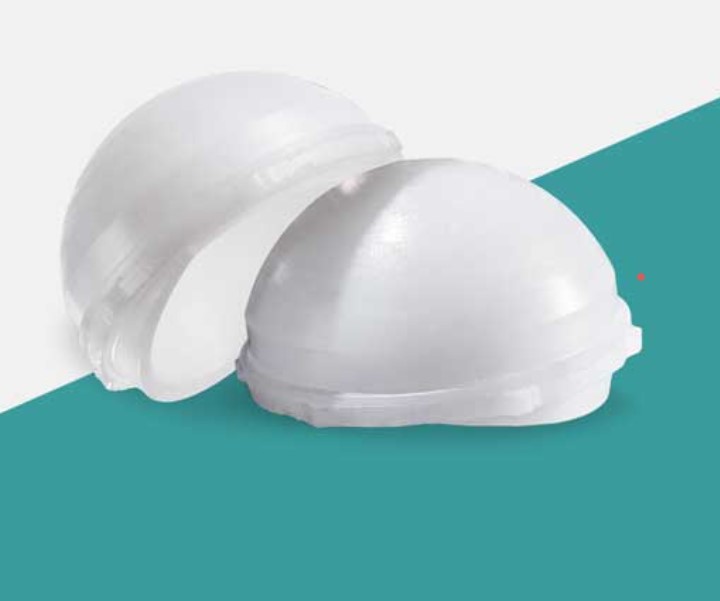 | Joint Replacement Acetabular Cup Liner Manufacturer An Acetabular Cup Liner Manufacturer specializes in producing liners that fit inside the acetabular cup during total hip replacement surgeries. View product → |