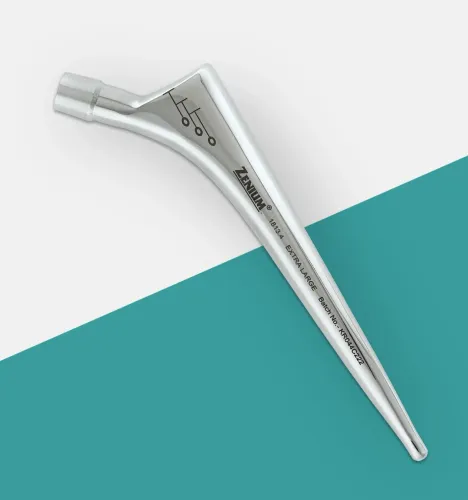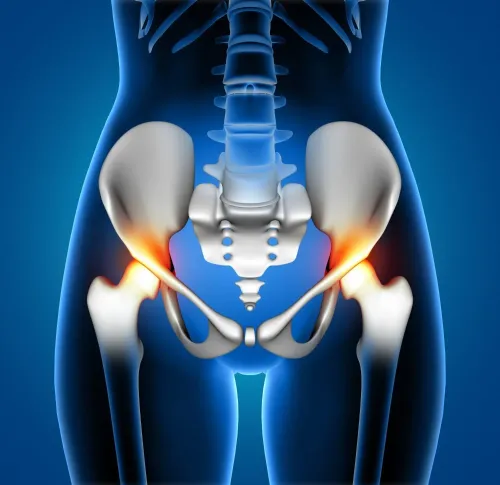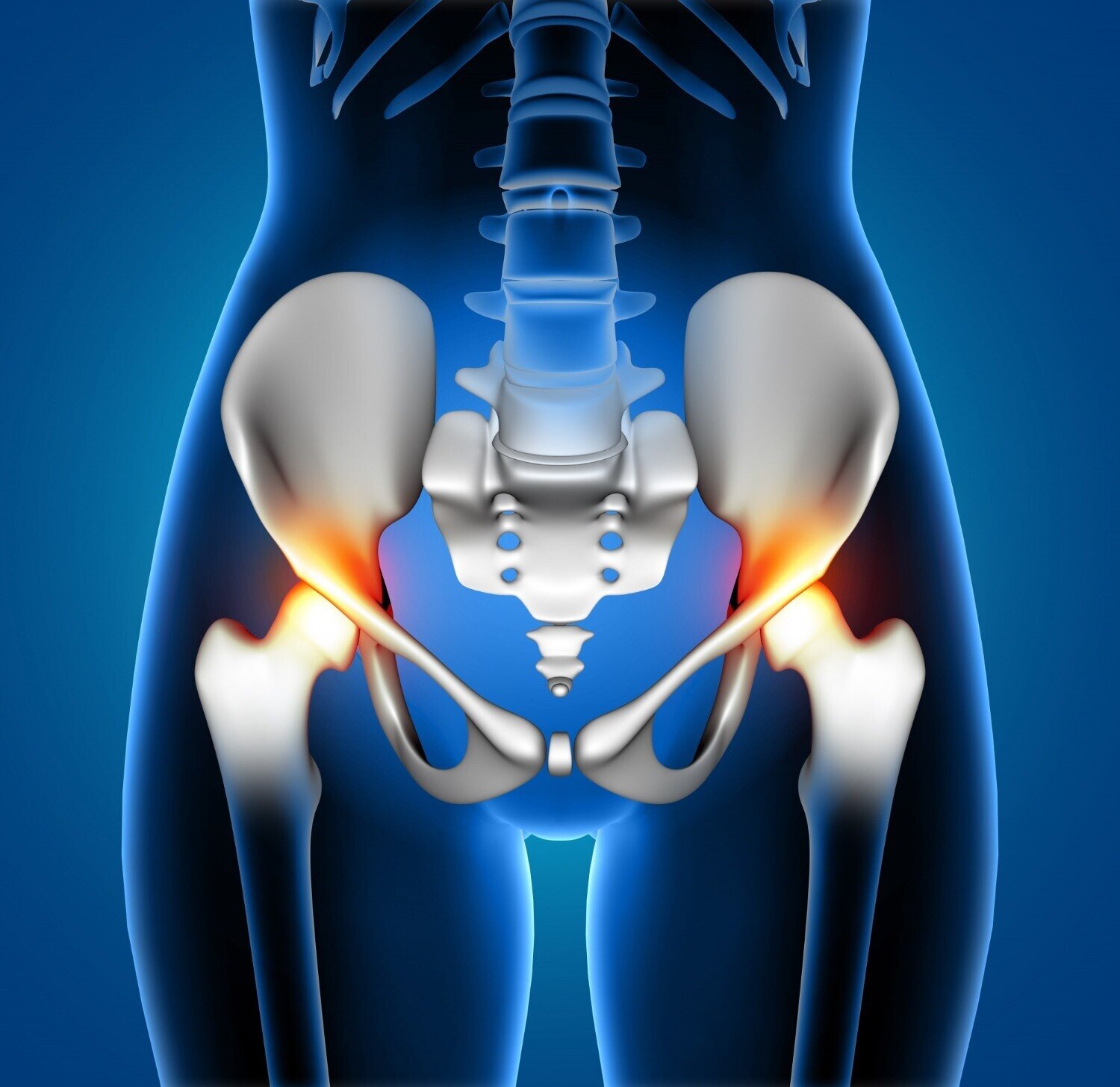
The first monitoring task is to confirm what operation was actually performed: a bipolar hemiarthroplasty is not the same as a conventional total hip replacement. Once the implant and procedure are identified, you can track wound healing, pain, walking ability, warning signs, radiographs and long-term implant performance against a clear follow-up plan.
Key takeaways
- Confirm whether the procedure was hemiarthroplasty or total hip arthroplasty.
- Record the implant model, size, lot number and operative details.
- Seek urgent assessment for fever, wound drainage, calf swelling or sudden hip pain.
- Keep follow-up appointments and X-rays even when recovery feels normal.
Confirm the operation, implant and starting point
Confirm the operation, implant and baseline before applying any recovery or monitoring plan. The phrase “bipolar modular cup after total hip replacement in Mumbai” needs clarification: a bipolar cup is usually used in hemiarthroplasty, where the patient’s native acetabulum remains. Conventional total hip arthroplasty uses a fixed acetabular shell and liner.
Reconcile the operative report, implant labels and postoperative radiographs before setting expectations.
1. Record the indication, operative side, procedure name, fixation method, femoral-stem stability, bone quality and any intraoperative fracture. These details determine weight-bearing, transfer and stair instructions; the cup alone does not.
2. Identify every component: manufacturer, catalogue number, size, lot or serial number, femoral head diameter, neck length, bipolar outer diameter, taper and locking or retention feature. Confirm that the assembled parts match the approved combination matrix and current instructions for use. Nominally similar dimensions do not prove compatibility.
3. Establish the starting point: wound appearance, pain score, swelling, leg length or offset concerns, hip movement, walking aid, transfers, neurovascular status and pre-existing conditions affecting falls or rehabilitation.
4. Keep the baseline radiograph, sterilization status, expiry date, operative-side record, revision-instrument information and complaint-reporting route with the patient record. The surgeon’s protocol overrides generic timelines.
Track recovery from the first days through routine activity
Pain should lessen day by day, swelling should gradually settle, and walking should become more controlled rather than simply longer. In bipolar modular cup recovery, progress depends on fracture versus elective surgery, frailty, abductor condition, fixation and other illnesses.
| Phase | Expected change | Functional checkpoint |
|---|---|---|
| First 3 days | Incision pain and thigh swelling remain noticeable but respond to prescribed treatment; toes stay warm with normal movement and sensation | Transfer between bed and chair with the permitted aid |
| Weeks 1–2 | Pain during rest decreases; bruising and swelling start to recede; hip movement remains limited | Walk short distances, sit on an approved chair and use stairs only as taught |
| Weeks 3–6 | Walking tolerance and hip control improve; swelling after activity should settle with rest | Complete washing, dressing and household tasks within restrictions |
| After 6 weeks | Strength and endurance build gradually, without a new pain spike or loss of function | Resume routine activity only at the surgeon’s clearance |
The surgeon’s weight-bearing instruction overrides any generic timetable. Cemented or cementless fixation, femoral-stem stability, bone quality and an intraoperative fracture determine whether you use full, partial or protected weight bearing.
Record walking distance, stair ability, transfer ease, sleep disruption and daily pain at each review. A sudden increase in groin or thigh pain, new leg-length difference, persistent drainage, fever, foot drop, worsening numbness or rapidly increasing swelling needs prompt clinical contact rather than extra exercise.
Recognise complications that need urgent assessment
Call the surgical team immediately for a wound that opens, drains pus, develops spreading redness, or becomes increasingly painful after initial improvement. A fever with shaking chills also needs prompt assessment. Do not wait for the next routine review.
| Sign or symptom | Action | Why it matters |
|---|---|---|
| New one-sided calf or thigh swelling, warmth, tenderness, or pain | Call the surgical team urgently | Possible deep-vein thrombosis |
| Sudden breathlessness, chest pain, coughing blood, fainting, or severe dizziness | Call emergency services now | Possible pulmonary embolism |
| A hip that suddenly becomes very painful, visibly shortened, rotated, or impossible to move | Keep the patient still and seek emergency assessment | Possible dislocation or fracture |
| New foot weakness, numbness, loss of sensation, or a cold, pale foot | Contact emergency services or the surgical team immediately | Possible nerve or blood-flow compromise |
| Persistent vomiting, confusion, or inability to take prescribed medicines and fluids | Call the surgical team promptly | Dehydration or medication complications can delay recovery |
Do not increase walking or weight-bearing to “test” the hip after a sudden pain or giving-way episode. Weight-bearing limits depend on fixation, stem stability, bone quality, and the surgeon’s protocol, so modular bipolar cup aftercare must follow the operative instructions rather than a generic timetable.
Keep prescribed clot-prevention measures in place unless the treating team changes them.
Use scheduled examinations and X-rays to detect implant problems
At each appointment, compare current findings with the previous record; this is the core of hip implant recovery monitoring. Reconcile the implant name, operative report and radiographs first: a bipolar cup usually indicates hemiarthroplasty with a native acetabulum, not conventional total hip replacement.
- Wound review: inspect the incision for drainage, separation, erythema and increasing swelling; record pain, temperature, neurovascular status, leg length and hip stability.
- Physiotherapy visits: observe transfers, gait, stairs and use of a walker or cane. Document Trendelenburg gait, persistent abductor weakness, limb-length inequality, pain and failure to progress.
- Radiographic follow-up: obtain an anteroposterior pelvis and appropriate lateral hip views, then compare serial films for stem subsidence, periprosthetic fracture, dislocation, radiolucent lines, migration, wear, osteolysis, acetabular erosion, protrusio and heterotopic ossification.
A single postoperative film cannot establish a trend. Continue surveillance after physiotherapy ends, with the interval matched to implant design, patient risk and local arthroplasty policy. Arrange earlier review after new pain, instability, trauma or functional decline; progressive groin pain or changing leg length warrants pelvic radiographs even when the femoral stem appears stable.
Make medicines, home support and return to activity part of monitoring
Take anticoagulants, pain medicines and any prescribed antibiotics exactly as directed; do not stop anticoagulation or double a missed dose without speaking to the surgical team. Opioids can cause drowsiness and poor balance, so avoid alcohol, driving and unsupervised walking while taking them.
- Keep a clear, well-lit route between the bed, bathroom and chair; remove loose rugs and cables.
- Use the prescribed walker or cane, wear firm non-slip shoes, and ask for help with transfers and stairs.
- Place a raised toilet seat, stable chair with arms and commonly used items within easy reach.
- Follow the surgeon’s approach-specific restrictions. Do not apply a universal 90-degree rule.
- Record medicine doses, walking distance, pain, swelling and any next-day worsening.
Walk short distances several times daily, increasing distance only when pain and swelling remain controlled. Resume routine tasks when you can transfer safely, walk with the permitted aid and complete the activity without a limp or increased symptoms later that day. Delay lifting, twisting, uneven-ground exercise and sport until the surgeon or physiotherapist clears them.
Persistent Trendelenburg gait, abductor weakness or inability to progress from a walker or cane warrants review. New one-sided calf swelling needs prompt assessment; sudden breathlessness, chest pain, coughing blood or fainting requires emergency care.
Keep traceability records when sourcing or reviewing a modular implant
A hospital needs one traceable implant record, not a product brochure. Reconcile the operative report and postoperative radiographs with the implant labels before finalising follow-up.
- Record the operative side, procedure type, catalogue number, cup size, femoral-head size, neck length, taper, lot or serial number, sterilisation status and expiry date.
- File the signed implant stickers, current instructions for use, approved component-combination matrix and radiographic sizing information.
- Confirm the revision instrument set, supplier contact and complaint or adverse-event reporting route.
- Document the exact articulation and assembly, including locking or retention features.
When reviewing a modular bipolar cup manufacturer in Mumbai, such as Komal Health Care Pvt Ltd, ask for these records before sourcing. At each review, verify that the implanted parts match the approved combination; nominally similar dimensions can cause poor capture, altered leg length or changed offset.
Keep the record accessible for a future revision, complaint investigation or recall.
Related products
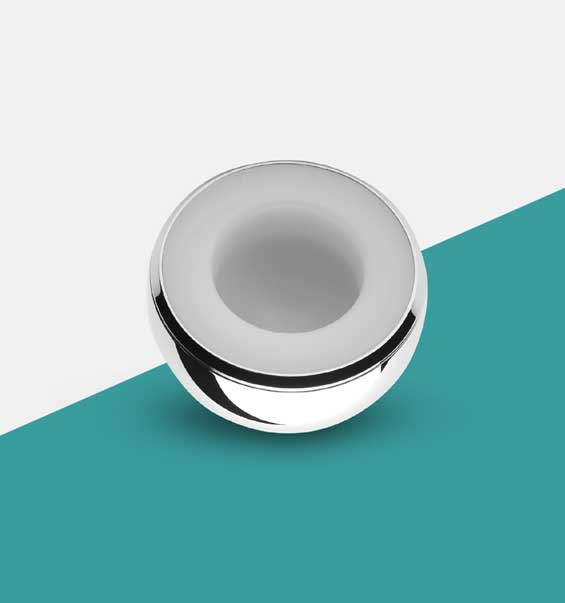 | Joint Replacement Modular Bipolar Cup Manufacturer A Modular Bipolar Cup Manufacturer specializes in producing advanced orthopedic components used in hip replacement surgeries. View product → |
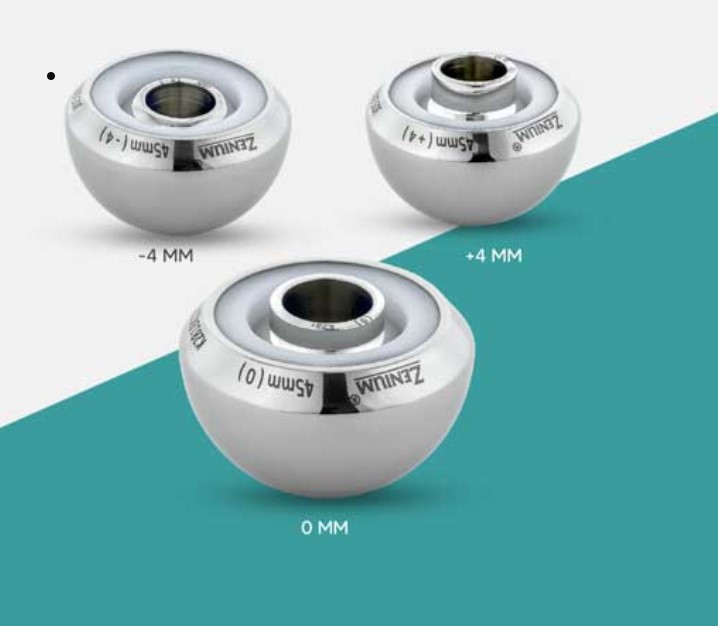 | Joint Replacement Modular Bipolar Cup (With Head) Manufacturer The Modular Bipolar Cup (With Head) is an advanced hip implant system used in hemiarthroplasty procedures, particularly for treating femoral neck... View product → |
Frequently asked questions
How do you confirm which hip operation and implant were used?
Ask for the operative report, discharge summary and implant labels. Confirm whether the surgery was hemiarthroplasty with a bipolar cup or total hip arthroplasty with an acetabular shell and liner.
What should you monitor during bipolar modular cup recovery?
Track wound appearance, pain, swelling, walking ability, hip precautions, medicine use and progress toward routine activities from the first days through follow-up visits.
Which symptoms need urgent assessment after hip surgery?
Seek urgent medical assessment for fever, increasing redness or drainage, sudden severe hip pain, a shortened or rotated leg, inability to bear weight, chest pain, breathlessness or new calf swelling.
Why are scheduled examinations and X-rays important?
Clinical examinations and X-rays help identify dislocation, loosening, migration, fracture, wear and other implant problems before symptoms become severe.
What records should you keep when reviewing a modular implant?
Keep the implant name, manufacturer, catalogue or reference number, size, lot or batch number, UDI if present, sterilisation details, supplier documents and operative records.
Related product
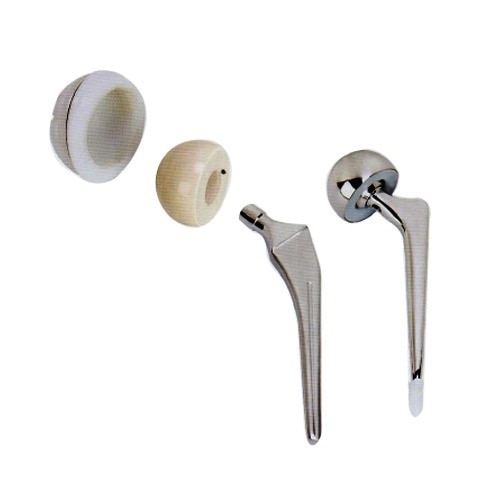 | Bipolar Hip Prosthesis ₹3500 We are manufacturer of Bipolar Prosthesis . Fix Bipolar and Modular Bipolar. Cup Size : 37 mm to 55 mm with 2 mm variation Material : S.S.316 L/LVM View product → |