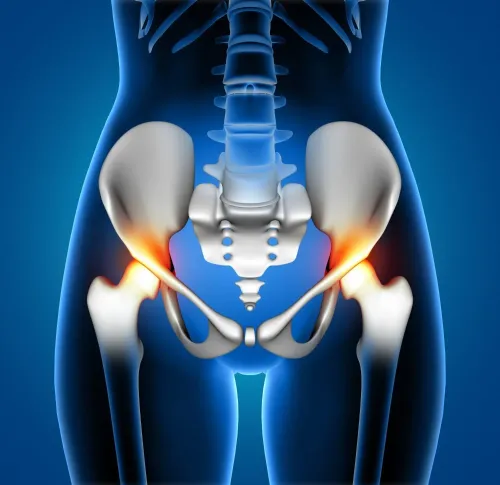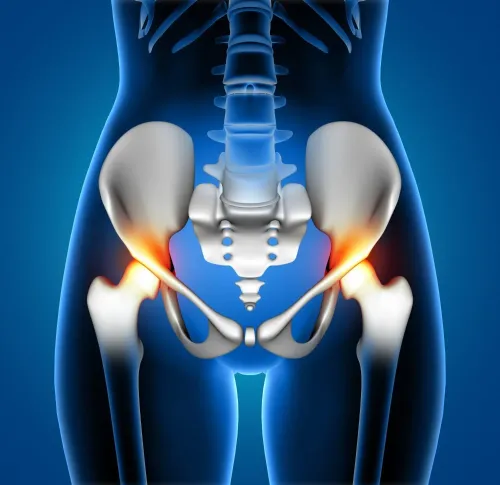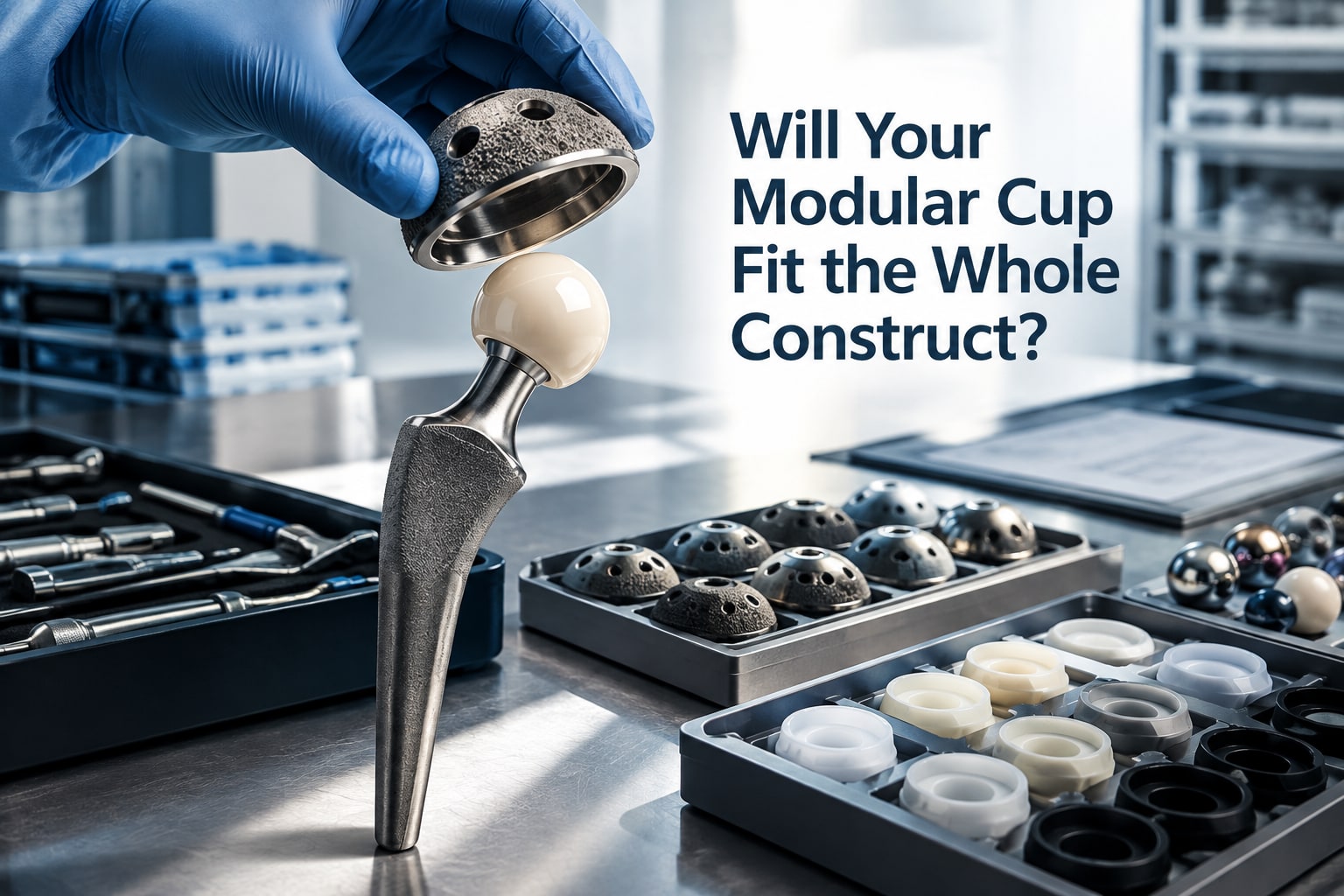
A quotation for a “modular cup” can describe two clinically different constructs: a modular bipolar cup for hemiarthroplasty or a modular acetabular system for total hip arthroplasty. Mumbai hospital buyers need to identify the indication, test component compatibility, verify Indian regulatory documents, and compare the complete procedure cost before approving a sample or releasing a purchase order.
Key takeaways
- Choose bipolar hemiarthroplasty when the native acetabulum remains in place.
- Choose total hip arthroplasty when both the femoral head and socket are replaced.
- Match cup, liner, head, stem and instruments using a written compatibility matrix.
- Make regulatory, sterile-pack and material documents pass-or-fail checks.
Start with the operation: bipolar hemiarthroplasty or total hip arthroplasty?
Specify bipolar hemiarthroplasty when the operation replaces the femoral head while leaving the patient’s native acetabulum in place. Specify total hip arthroplasty when the operation replaces both the femoral head and the acetabular socket.
| Procedure | Tender category | What the implant must do |
|---|---|---|
| Bipolar hemiarthroplasty | Modular bipolar cup, compatible femoral stem and modular head | Inner head articulates with the bipolar cup; outer shell articulates with the native acetabulum |
| Total hip arthroplasty | Modular acetabular shell, liner, screws where required, femoral stem and head | Liner articulates with the femoral head; shell replaces the acetabular socket |
A displaced femoral-neck fracture in an older patient may support a bipolar request when the surgeon chooses hemiarthroplasty. Do not substitute it for a total hip system: a bipolar cup does not replace the acetabular socket, and quoting one against the other creates a clinically invalid comparison.
For modular bipolar cup procurement, write the construct and interface into the tender, not only the outer cup diameter. Request:
- Inner head diameter and permitted femoral-head sizes
- Head-interface or taper requirements for the selected stem
- Outer diameter range and bearing material
- Stem, head and cup compatibility matrix
- Trial, insertion and extraction instruments needed for the procedure
For total hip arthroplasty, require the shell-to-liner and liner-to-head size matrix, plus fixation and instrument details. Reject “universal” or “compatible” without component-level evidence; an apparently cheap cup is unusable if it cannot mate with the hospital’s chosen stem and head.
Define the modular construct and its compatibility matrix
A “modular cup” is not a sufficiently precise quotation description. It can mean a modular bipolar cup, where the femoral head articulates inside an inner bearing and the outer shell moves against the native acetabulum, or a modular acetabular system for total hip arthroplasty, comprising a shell, liner, screws and instruments.
A bipolar cup does not replace the acetabular socket in total hip arthroplasty.
For hip replacement cup purchasing, request a completed compatibility matrix with the quotation, not a claim that the components are “universal” or “compatible.”
- State the construct and indication: modular bipolar cup for hemiarthroplasty, or acetabular shell system for total hip arthroplasty.
- For a bipolar system, record the compatible femoral-head diameter, head-interface or taper requirements, outer cup diameter range, bearing material and approved femoral-head or stem combinations.
- For an acetabular system, link every shell size to its liner sizes, every liner to its compatible femoral-head diameter, and each shell to the permitted screw lengths and fixation zones.
- Match each screw size to its specified drill bit, depth gauge and driver; list the trial shell, trial liner, trial head and other instruments supplied for every size range.
- Request component drawings, catalogue numbers, material specifications, sterilisation method, shelf life and the applicable ISO 21535 and ISO 7206 test reports for the quoted system.
Reject a matrix that lists shell diameters alone. Also verify the legal manufacturer, manufacturing site, Indian licence holder and importer details; a Mumbai office address does not prove local manufacture or Indian regulatory responsibility.
For imported products, check the label for lot number, manufacture and expiry dates where applicable, sterile status, storage conditions and Indian licence information.
Check the two bearing surfaces, size references and material documents
A bipolar cup has two bearing surfaces: the femoral head moves inside the cup, while the cup’s outer surface moves against the patient’s native acetabulum. A bipolar cup does not replace the acetabular socket in total hip arthroplasty.
For a modular cup for healthcare procurement in Mumbai, match the complete construct to the stated indication before comparing price.
- Request one compatibility matrix covering cup outer diameters, inner head diameters, available head materials, stem taper or head-interface specifications, and the permitted cup–head combinations. Outer diameter alone cannot identify a usable implant.
- Confirm whether the quoted product is a bipolar hemiarthroplasty cup or an acetabular shell for total hip arthroplasty. For an acetabular system, check shell, liner, screws, locking mechanism, hole pattern and instrument-tray compatibility; these parts are not interchangeable across systems.
- Ask the supplier to mark every size against its actual reference: cup diameter, head diameter, stem taper designation, liner size and usable range. Reject a chart that lists only small, medium or large.
- Obtain material declarations for each component, naming the alloy, ceramic or polymer grade and its bearing location. Match those declarations to the product label, instructions for use, catalogue number and sterile-pack record.
- Require signed confirmation that the quoted head fits the quoted stem and cup, with no adapter assumed. Keep the approved matrix with the quotation, sample evaluation and purchase order.
If the supplier is described as a modular cup manufacturer in Mumbai, verify the legal manufacturer, manufacturing site and Indian licence holder separately; a Mumbai sales address proves none of these.
Make regulatory, sterile-pack and instrument evidence pass-or-fail
Reject the sample before clinical evaluation if the supplier cannot prove Indian market eligibility, sterile-pack integrity, exact compatibility and a usable operative set. Treat these as pass-or-fail gates; compare price, delivery, training and stock support only after every gate passes.
| Evidence | Pass | Fail |
|---|---|---|
| Regulatory identity | Legal manufacturer, manufacturing site, Indian licence holder or importer, and complaint contact are named | A Mumbai sales address is the only evidence, or distributor responsibility is unclear |
| Label and traceability | Label shows device name, size, lot or batch, manufacturer/importer, sterile status, storage conditions, and manufacturing or expiry dates where applicable | Any identifier, expiry information or Indian regulatory detail is missing |
| Technical documents | IFU, compatibility matrix, material information, sterilization method and revision instructions match the quoted system | Documents describe another shell, liner, screw or instrument family |
| Pack condition | Sterile barrier is sealed and undamaged, identifiers are readable, and remaining shelf life meets hospital policy | Seal is broken, pack is wet or crushed, label is unreadable, or product is expired |
Require the operative set for the quoted construct, not a promise that instruments will follow later:
- Trial shells and liners covering the submitted size range.
- Insertion handles, cup impactors and impaction instruments.
- Screwdrivers and drills when fixation screws are part of the system.
- Extraction or revision tools for removal.
- A named tray configuration, sterilization instructions and replacement policy for damaged instruments.
Open the tray against its packing list and record lot numbers before acceptance. A low implant price fails the procurement test if the theatre cannot complete the operation with the supplied set.
Compare the installed-case cost, then approve the supplier and purchase order
A low cup price is not a low treatment cost. Compare each bid using the installed-case cost: cup, liner or head, screws, instruments, sterilisation, freight, mandatory minimum quantities, unused sizes and emergency replacement stock.
| Option | What the buyer pays for | Procurement risk |
|---|---|---|
| Cup-only quotation | Listed implant price | Hidden liner, screw and instrument charges |
| Complete procedure set | Compatible components and required tray | Higher price, but fewer day-of-surgery gaps |
| Consignment or loaner tray | Stock access without full purchase | Confirm replenishment, expiry rotation and damage liability |
Treat “modular cup manufacturer in Mumbai” as a verification question, not proof of local manufacture. Record the legal manufacturer, manufacturing site, Indian licence holder, importer or distributor status, complaint contact, replacement-stock location and batch-traceability route. A Mumbai sales office does not establish manufacturing responsibility.
For public procurement, make these pass-or-fail conditions before scoring price, delivery or training:
- Exact shell, liner, head and screw compatibility, with the approved size matrix
- Sterile-pack labels, expiry date, lot number and supplied instrument-tray list
- Minimum and maximum sizes, India-held routine stock and emergency replenishment time
- Written consignment, loaner, expiry-rotation and replacement terms
Komal Health Care Pvt Ltd should be evaluated by the same evidence: approve a sample only after its labels, documents, components and instruments match the tender specification. Release the purchase order only after naming every component, size range, quantity, lot records, delivery date, shelf-life minimum and contact responsible for complaints.
That prevents a cheaper quotation from becoming an unavailable or untraceable case.
Related products
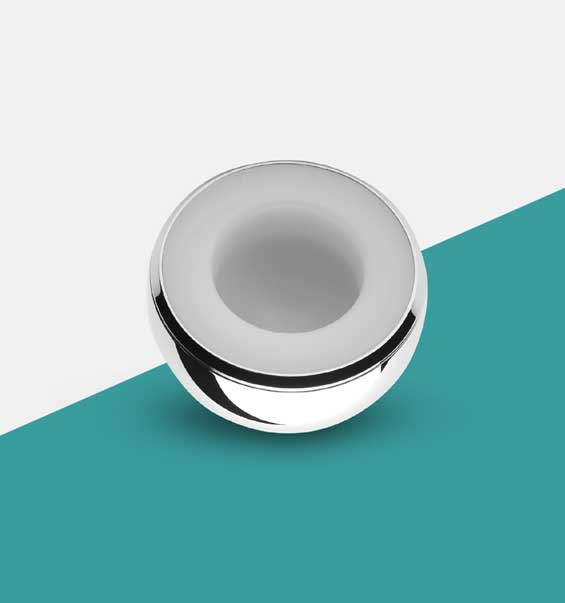 | Joint Replacement Modular Bipolar Cup Manufacturer A Modular Bipolar Cup Manufacturer specializes in producing advanced orthopedic components used in hip replacement surgeries. View product → |
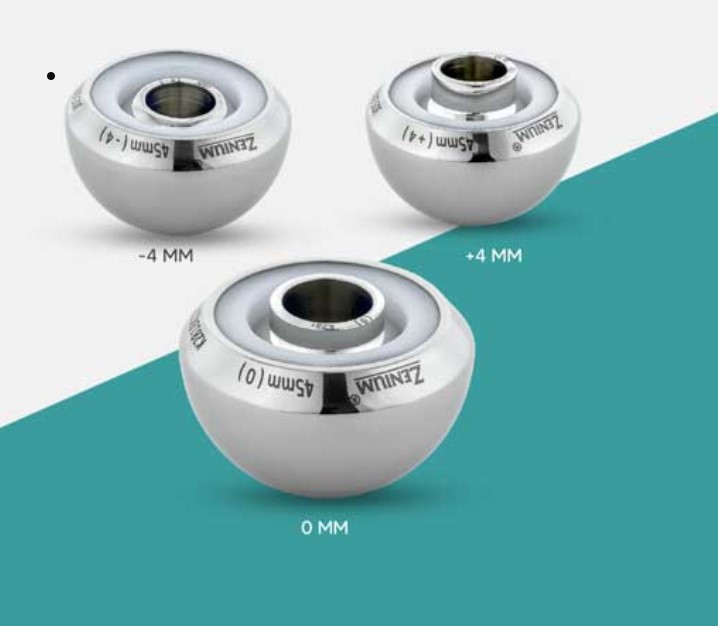 | Joint Replacement Modular Bipolar Cup (With Head) Manufacturer The Modular Bipolar Cup (With Head) is an advanced hip implant system used in hemiarthroplasty procedures, particularly for treating femoral neck... View product → |
Frequently asked questions
When should you specify bipolar hemiarthroplasty instead of total hip arthroplasty?
Specify bipolar hemiarthroplasty when surgery replaces the femoral head while leaving the patient’s native acetabulum in place. Specify total hip arthroplasty when surgery replaces both the femoral head and acetabular socket.
What should a compatibility matrix for a modular cup include?
List the cup, liner or bearing, femoral head, stem taper, sizes, materials and compatible instrument set. Confirm every component combination in the supplier’s technical documents before ordering.
Which documents should healthcare buyers check before purchasing a modular cup?
Check material documentation, size references, regulatory records, sterile-pack details, expiry information, batch traceability and instrument evidence. Treat missing or conflicting records as a failed check.
How should buyers compare modular cup suppliers?
Compare the installed-case cost, including compatible components, instruments, sterilization requirements, documentation work and replacement risk. Approve the supplier and purchase order only after the required checks pass.
Related product
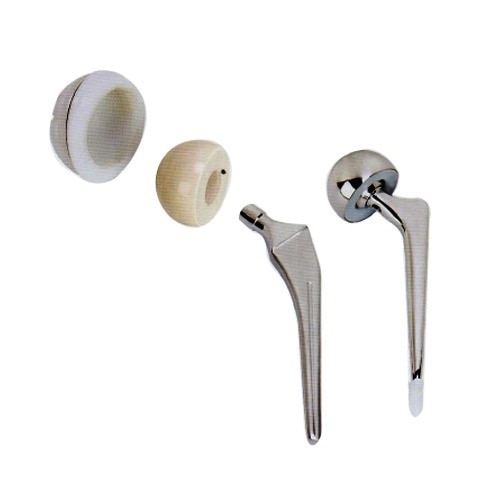 | Bipolar Hip Prosthesis ₹3500 We are manufacturer of Bipolar Prosthesis . Fix Bipolar and Modular Bipolar. Cup Size : 37 mm to 55 mm with 2 mm variation Material : S.S.316 L/LVM View product → |