The first purchasing decision is not a diameter: it is confirming whether the surgeon needs a bipolar hemiarthroplasty component or a true acetabular cup for total hip replacement. By following the procedure, sizing, taper, documentation and supplier checks below, your team can issue a complete specification instead of ordering an attractive but incompatible catalogue number.
Key takeaways
- Confirm hemiarthroplasty before selecting a modular bipolar cup head.
- Match bipolar cup head sizes to the surgeon’s plan and measurements.
- Verify the inner head, taper, material and technical drawing.
- Order the complete construct with traceable documents and batch details.
Confirm the Procedure Before You Name the Component
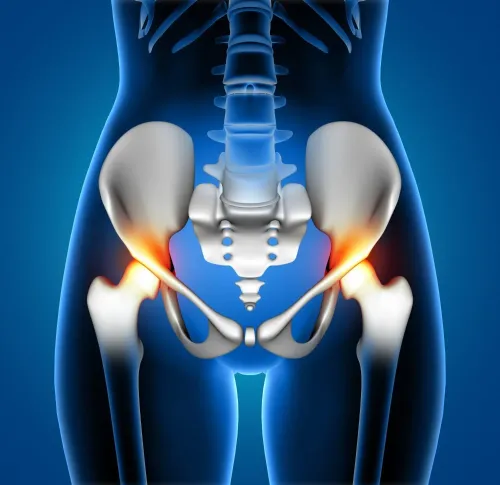
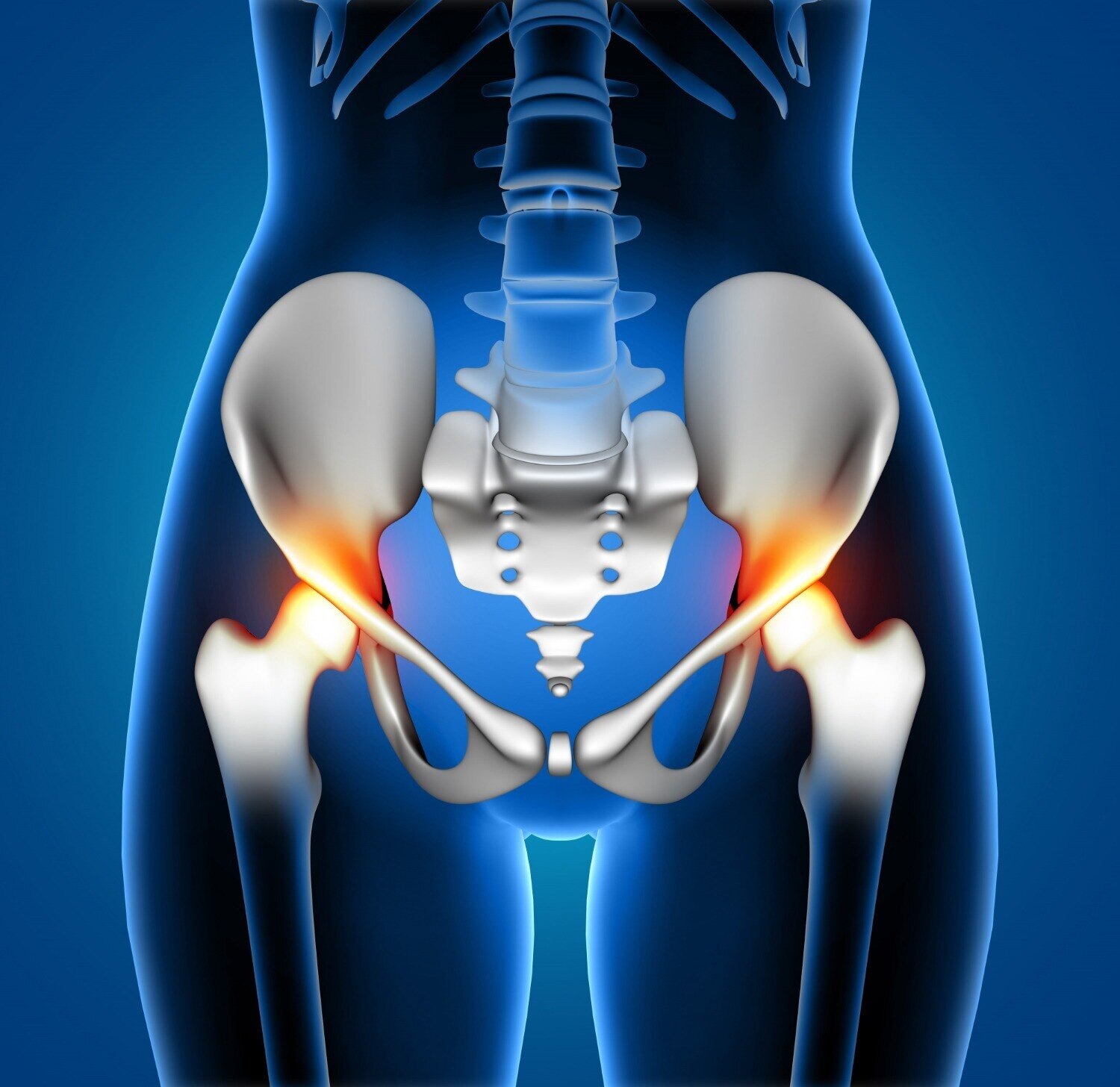
Start with the operative plan, not the product name. A modular bipolar cup head is primarily a hemiarthroplasty component: its outer shell articulates with the patient’s acetabulum, while its inner bearing accepts a femoral head. In conventional total hip replacement, the acetabulum receives a separate acetabular cup. These are different implants.
1. Confirm the procedure: primary bipolar hemiarthroplasty, revision surgery, conventional total hip replacement, or a named dual-mobility system. Do not treat “bipolar,” “dual mobility,” and “acetabular cup” as interchangeable terms.
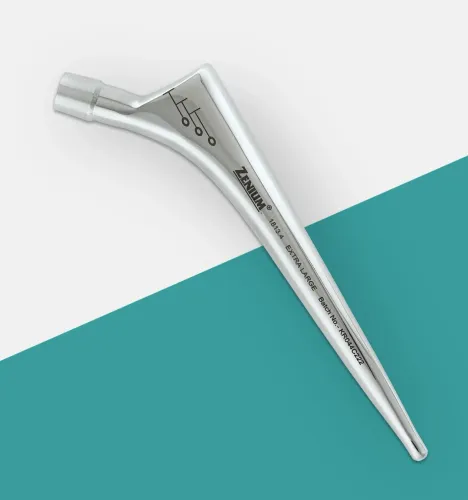
2. Identify the femoral-side system. Record the stem manufacturer, model, nominal taper designation, and intended inner head diameter. A visually similar bipolar head can fail to seat or lock if its taper does not match.
3. Confirm the surgeon’s planned construct and side. State whether the component is a standalone bipolar head, a conversion option supported by the manufacturer, or part of a complete total hip system. An unsupported conversion can leave you with incompatible liners, instruments, or constraint.
4. Write the enquiry precisely. Include the procedure, side, stem system, taper, outer shell diameter range, inner head diameter, material, sterility, and intended primary or revision use. This prevents a search for a “modular bipolar cup head for total hip replacement in Mumbai” from producing the wrong component.
A total hip replacement cup supplier in Mumbai should receive that complete specification, not only a request for a nominal cup diameter. Confirm the implant’s instructions for use and approved mating parts before placing the order.
Build the Size Selection From the Surgeon’s Plan
Radiographic templating should set the starting range, not dictate a catalogue number. The surgeon’s plan should record acetabular diameter, femoral head size, offset, neck length and intended leg-length restoration, along with the stem and taper carrying the inner head.
A modular bipolar head is generally a hemiarthroplasty component: its outer shell articulates with the native acetabulum, while its inner bearing articulates with the femoral head. It is not the separate acetabular component used in conventional total hip replacement.
1. Use the template to identify candidate bipolar cup head sizes. Catalogues commonly specify the outer shell diameter in millimetres, often around 38 to 60 mm, with 1 mm or 2 mm increments. The outer diameter is not the internal femoral head diameter.
2. Recheck the choice against the prepared anatomy. The surgical team should assess the exposed acetabulum, prepared femoral neck and selected stem, then confirm that the proposed shell sits without excessive looseness, overhang or impingement.
3. Perform trial reduction with the manufacturer’s trial heads and instruments. Test stability, range of motion, offset and leg length, then select a shell-and-inner-head combination listed in the manufacturer’s size matrix. Do not combine sizes because their measurements appear close.
The supplier must provide that complete matrix, trial instrumentation and backup sizes before surgery. A radiograph-only choice can leave no usable combination after preparation. Any intraoperative conversion option belongs in the plan only when the manufacturer explicitly supports it with compatible components and instruments.
Verify the Inner Head, Taper and Technical Drawing
A 48 mm outer shell does not prove compatibility. The inner head must match the femoral stem’s taper geometry, nominal taper designation, engagement length and locking mechanism; a visually identical head from another system can loosen or fail to seat.
In conventional total hip replacement, the acetabulum receives a separate acetabular component. Confirm that the request is for bipolar hemiarthroplasty, revision surgery or a named dual-articulation construct before interpreting the drawing.
| Interface | Confirm on the technical drawing | If it does not match |
|---|---|---|
| Outer shell–acetabulum | Shell diameter, available increments and intended acetabular fit | The shell may be too large, unstable or overly tight |
| Inner head–liner | Inner head diameter, such as 22, 28 or 32 mm, plus liner thickness and articulation | The head may not seat, or the liner may lose strength |
| Head–femoral stem | Taper geometry, nominal taper, engagement length and locking method | The head can rock, fail to lock or damage the taper |
Available bipolar cup head sizes are normally quoted by outer diameter, commonly about 38 to 60 mm in manufacturer-specific 1 mm or 2 mm steps. “Bipolar 48 mm” is incomplete without the inner diameter and taper.
Before ordering, require:
- The femoral stem manufacturer, system name and taper designation.
- The approved inner head diameter, neck or offset options and locking specification.
- A dimensioned technical drawing showing critical diameters, engagement length and tolerances.
- Confirmation that trials, inserters and extraction tools match the selected construct.
Match the drawing to the surgeon’s planned stem and intraoperative trial findings, not to the shell diameter alone.
Compare the Complete Construct, Not Just the Cup
An outer cup diameter cannot tell you whether the hospital is buying a hemiarthroplasty head or a total hip system; compare the whole construct first.
| Option | What articulates | Fixation decision | Size decision |
|---|---|---|---|
| Modular bipolar | Outer shell with acetabulum; inner bearing with femoral head | Select the compatible stem and taper; choose cemented or uncemented fixation separately | Match outer shell to the prepared acetabulum and inner head to the stem system |
| Fixed bipolar | One-piece bipolar head with the same two articulations | Select stem fixation independently of the head design | Confirm the manufacturer’s fixed head sizes; outer and inner diameters are different measurements |
| Unipolar | Femoral head directly with the acetabulum | Choose stem fixation separately | Size the head to the prepared femoral anatomy; there is no outer bipolar shell |
| Total hip | Femoral head with a separate acetabular cup and liner | Decide stem and acetabular-shell fixation independently | Match shell, liner and head combinations; do not substitute a bipolar shell |
Modular bipolar cup head selection must therefore separate two questions: how the implant will be fixed and which dimensions will fit. Fixation follows bone quality, the surgeon’s plan and the system’s indications; size follows templating, trial reduction, taper geometry and the prepared anatomy.
Compare the complete supply: trial heads, inserters, extraction tools, backup sizes, compatible stems, sterilization status and replacement availability. Approve a bipolar-to-total-hip conversion only when the manufacturer documents the instruments and components; similar names do not prove compatibility.
Turn the Supplier Quote Into a Verifiable Hospital Order
Do not approve a quote because the outer diameter matches the radiograph. A bipolar head is not automatically the acetabular component in total hip replacement; its intended use must be identified before purchasing.
1. State the construct on the purchase order: bipolar hemiarthroplasty, revision, or a named dual-articulation system. If the enquiry says “modular bipolar cup head for total hip replacement in Mumbai,” add the side, stem system, taper designation, engagement length, outer shell range, inner head diameter, material, and intended procedure.
2. Require the supplier to confirm compatibility in writing. Request the technical drawing, implant–instrument compatibility statement, locking requirements, instructions for use, material grade, sterilization method, shelf life, lot number format, certificate of conformity, and availability of trial heads, inserters, extraction tools and backup sizes.
3. At receiving, match the implant label to the purchase order and surgeon’s plan. Check the product name, size, side, batch number, expiry date, sterile-barrier seal and carton damage; quarantine any mismatch or breached package. A total hip replacement cup supplier in Mumbai should provide traceability documents before the component enters stock.
4. Record shortages before scheduling surgery. Ask for written availability dates and approved alternatives, then obtain the surgeon’s approval; never substitute a taper, liner or cup diameter because it looks similar. If the surgical plan changes, quarantine the unused implant, document the revised construct and process return or replacement under the supplier’s stated policy.
Komal Health Care Pvt Ltd belongs on the comparison list only after its quoted component, instruments and documentation match this checklist.
Related products
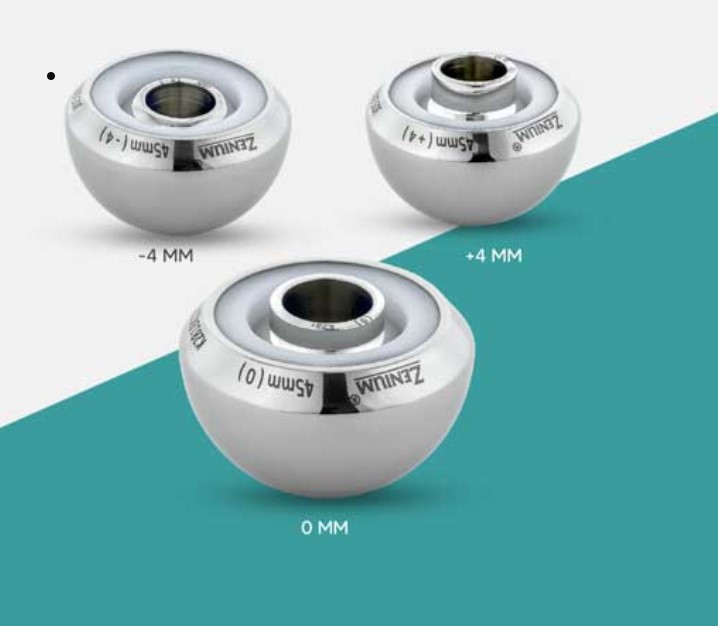 | Joint Replacement Modular Bipolar Cup (With Head) Manufacturer The Modular Bipolar Cup (With Head) is an advanced hip implant system used in hemiarthroplasty procedures, particularly for treating femoral neck... View product → |
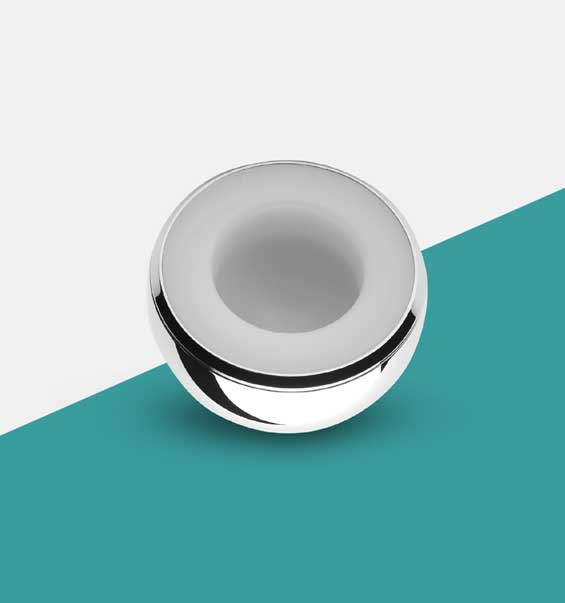 | Joint Replacement Modular Bipolar Cup Manufacturer A Modular Bipolar Cup Manufacturer specializes in producing advanced orthopedic components used in hip replacement surgeries. View product → |
Frequently asked questions
Is a modular bipolar cup head used in total hip replacement?
A modular bipolar cup head is primarily a hemiarthroplasty component. Its outer shell articulates with the acetabulum and its inner bearing accepts a femoral head. In conventional total hip replacement, the acetabulum receives a separate acetabular cup, so confirm the operative plan before naming the component.
How should hospitals choose bipolar cup head sizes?
Build the size selection from the surgeon’s plan, including the planned outer diameter, inner head size and compatibility with the femoral component. Do not select a size from the outer diameter alone.
What technical details must a hospital verify before ordering?
Check the inner head dimensions, taper specification, material, locking features and the supplier’s technical drawing. Confirm that the drawing matches the femoral head and stem components planned for surgery.
What should a hospital request from a supplier before placing the order?
Request the exact component description, size, taper, material, catalogue or reference number, technical drawing, sterilization status, shelf life, batch number and required regulatory or quality documents. Record these details in the purchase order and verify them on delivery.
Related products
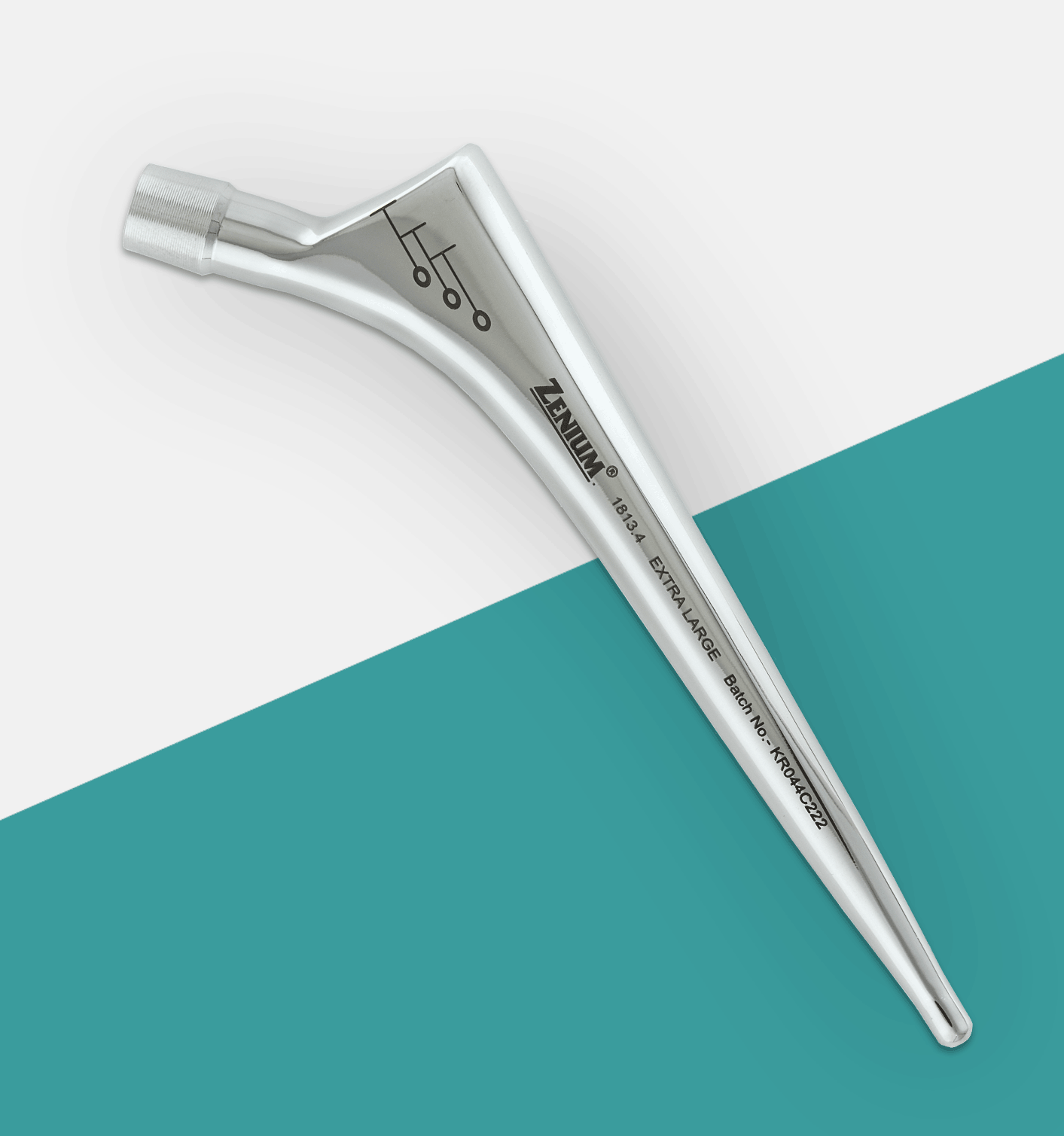 | Joint Replacement Bipolar Modular Stem (Cemented) Manufacturer The Bipolar Modular Stem (Cemented) is an orthopedic implant used in hip replacement surgeries, especially for elderly patients with fractured or... View product → |
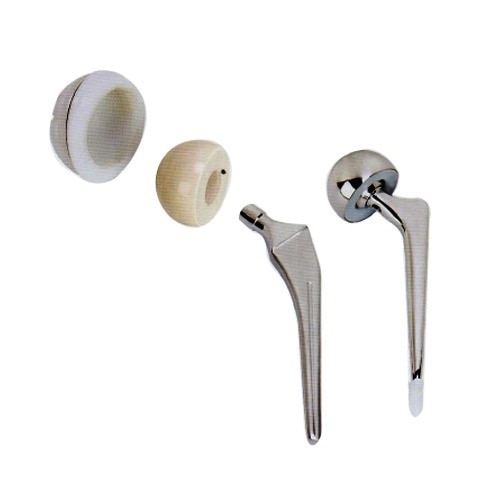 | Bipolar Hip Prosthesis ₹3500 We are manufacturer of Bipolar Prosthesis . Fix Bipolar and Modular Bipolar. Cup Size : 37 mm to 55 mm with 2 mm variation Material : S.S.316 L/LVM View product → |
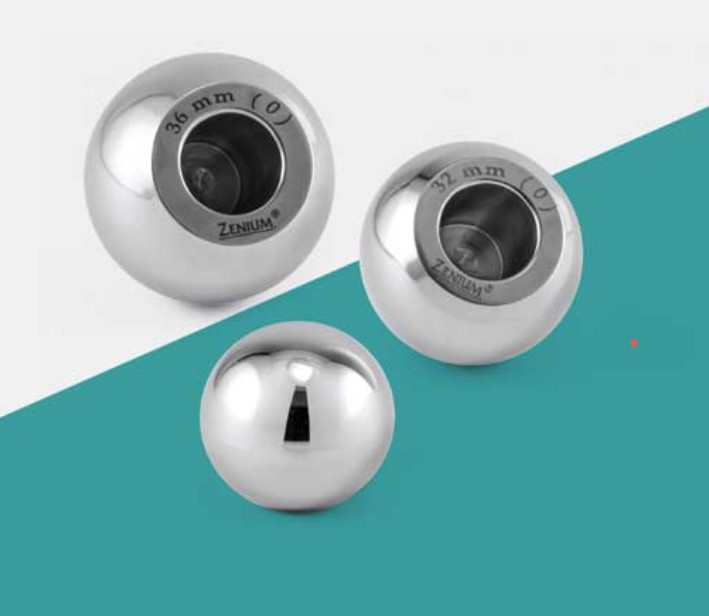 | Joint Replacement An Internal Head Manufacturer specializes in producing internal femoral heads used in hip replacement systems. View product → |
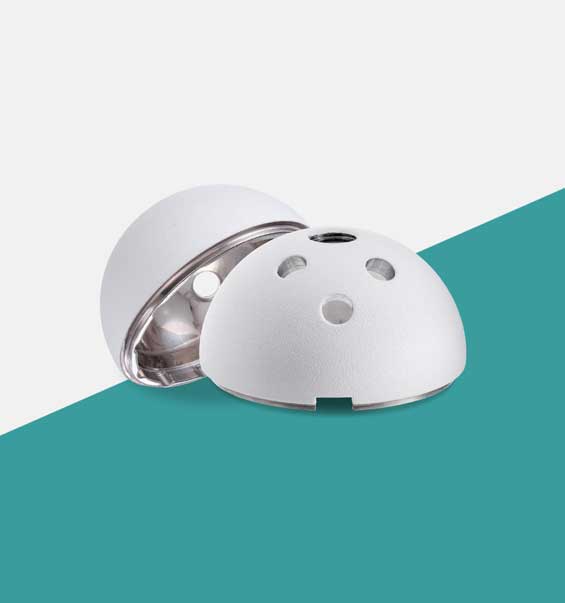 | Joint Replacement The Acetabular Cup is a key component in total hip replacement surgery, designed to fit into the hip socket (acetabulum). View product → |