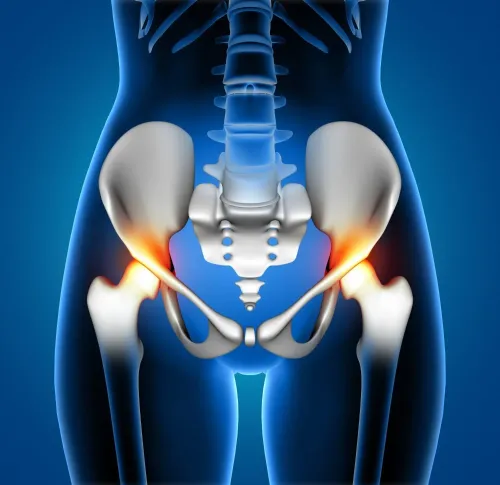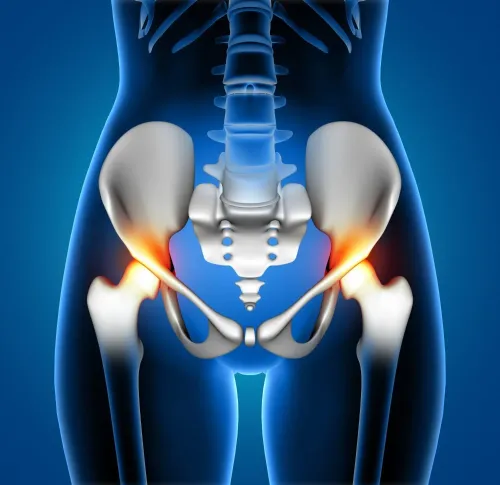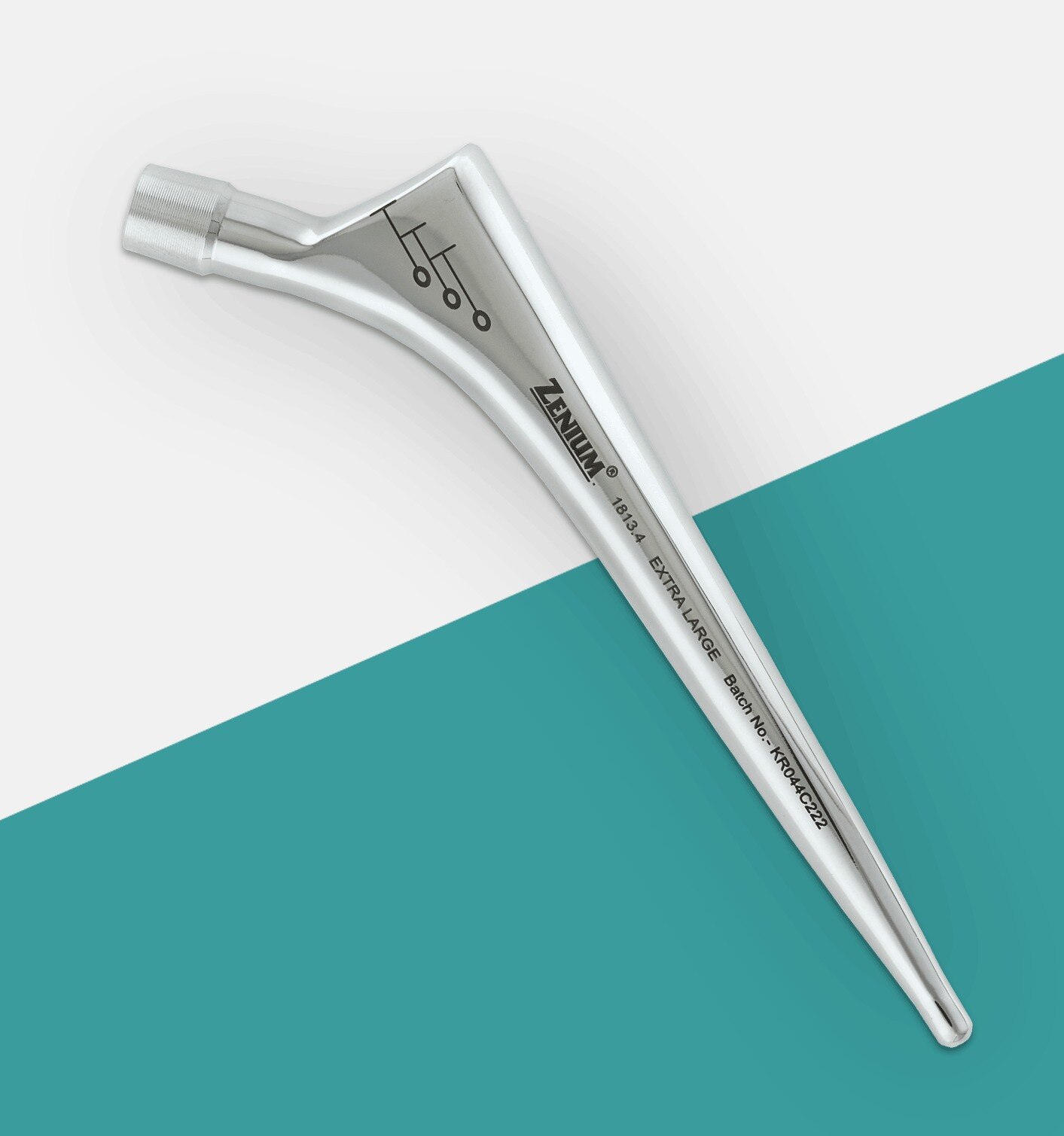
First confirm which operation was performed: a cemented bipolar hemiarthroplasty leaves the natural acetabulum in place, while total hip replacement adds an acetabular cup. Then follow the written weight-bearing, precaution, wound-review and emergency plan rather than assuming that every cemented implant follows the same recovery schedule.
Key takeaways
- Confirm whether you received a total hip replacement or bipolar hemiarthroplasty.
- Follow the surgeon’s written weight-bearing and hip-precaution instructions.
- Seek urgent care for severe pain, breathlessness, fever, or wound drainage.
- Keep the operative note, implant label, batch number, and follow-up X-rays together.
Confirm Which Hip Operation and Implant You Actually Received
A “cemented bipolar stem” usually means a bipolar hemiarthroplasty, not a conventional total hip replacement. Confirm this on the operative note and discharge summary: a total hip replacement includes an acetabular cup, while a bipolar hemiarthroplasty retains your natural acetabulum and replaces the femoral head with a bipolar head on a cemented stem.
| Operation | What was replaced | Why it changes care |
|---|---|---|
| Total hip replacement | Femoral head, femoral stem and acetabular cup | Dislocation precautions and follow-up assess both sides of the joint |
| Bipolar hemiarthroplasty | Femoral head and femoral stem with a bipolar head; native acetabulum remains | Watch for acetabular cartilage wear, erosion or protrusio if groin pain increases later |
Do not infer weight-bearing from the word “cemented.” Follow the surgeon’s written order because an intraoperative fracture, weak bone, abductor repair or another procedure can change it. Both operations require the approach-specific advice on bending, leg crossing and twisting; the duration comes from your surgeon, not from the implant label.
Keep the operation side, stem and head details, cemented-fixation status, precautions, thromboprophylaxis plan and wound-review date. This is essential for total hip replacement implant care and for anyone searching total hip replacement cemented bipolar stem aftercare in Mumbai. Increasing groin pain after a successful hemiarthroplasty recovery needs assessment, not dismissal as ageing.
Use a Recovery Checklist for the First Days, Weeks and Months
Pain improving is not enough to abandon support. In cemented bipolar stem aftercare, check your wound, walking quality, balance, and the written instructions before increasing activity.
1. First days: Confirm the dressing and wound-review date. Walk with the prescribed walker or crutches, placing only the ordered weight through the leg. Practise transfers, stairs and exercises with the physiotherapist; use the stronger leg first going up and the operated leg first going down.
2. Bathing: Keep the wound dry until the surgical team permits showering. Use a shower chair, non-slip mat and hand-held shower; never climb into a bath or stand unaided on a wet floor.
3. First weeks: Increase walking distance gradually, but keep the aid until your gait is steady without leaning, limping or losing balance. Continue physiotherapy for hip strength, range of motion and balance. Follow the surgeon’s approach-specific restrictions rather than copying another patient’s precautions.
4. Driving: Resume only when you can enter and exit safely, control the vehicle, perform an emergency stop and take pain medicine that does not impair alertness. Ask your surgeon and insurer about clearance.
5. Months: Return to desk work when sitting, transfers and travel are manageable; delay lifting, prolonged standing and physical work until strength and balance meet job demands. Choose walking and prescribed low-impact exercise, and obtain clearance before impact or fall-prone activities.
This bipolar stem recovery guidance also means reporting a wound leak, fever, sudden pain, a shortened or rotated leg, breathlessness or calf swelling instead of pushing through the schedule.
Follow the Written Weight-Bearing and Hip-Precaution Plan
Follow the written weight-bearing order, not an assumption that cemented fixation makes walking unrestricted. Your operative note may say weight bearing as tolerated, partial weight bearing, or non-weight bearing; follow the most recent instruction from the surgeon and physiotherapist.
| Instruction | Walking aid use | What you must not do |
|---|---|---|
| Weight bearing as tolerated | Use a walker or crutches until your gait is steady and even | Do not abandon the aid because pain has improved |
| Partial weight bearing | Put only the permitted amount of weight through the operated leg, using both crutches or a walker | Do not progress without clearance |
| Non-weight bearing | Keep the foot off the floor and transfer with both crutches or a walker | Do not “test” the leg on stairs or uneven ground |
Use the aid on the opposite side if you have one crutch and your clinician approves it. Fit the handles at wrist height, keep the aid close, and turn with several small steps instead of twisting on the operated leg.
Set up the home before walking alone:
- Use a raised toilet seat and a firm chair with arms if low sitting is restricted.
- Use a shower chair, non-slip mat and handheld shower; do not climb into a bath without clearance.
- Keep a reacher nearby for clothing and dropped objects; do not bend sharply from the hip.
Follow the approach-specific precautions in your written bipolar stem recovery guidance. These commonly include avoiding deep hip flexion, crossing the legs, and combining flexion with inward rotation after a posterior approach. Do not pivot, squat, kneel, run, or lift heavily until the surgeon releases those restrictions.
This is practical cemented bipolar stem aftercare, not a substitute for your individual plan.
Separate Expected Recovery Symptoms from Urgent Warning Signs
Mild bruising, swelling, stiffness and pain are expected after surgery when they gradually improve with prescribed analgesia, elevation, walking and physiotherapy. Reduced mobility is acceptable while strength returns; worsening function is not. This distinction is central to total hip replacement implant care and cemented bipolar stem aftercare.
Seek urgent clinical assessment for:
- Sudden severe hip or groin pain, a clunk, visible deformity, a shortened or rotated leg, or new inability to bear weight. These signs suggest dislocation or periprosthetic fracture.
- Pain that progressively increases after an initial improvement, a new limp, recurrent falls, or declining function. Examination and radiographs can identify fracture, stem subsidence, loosening or, with a bipolar hemiarthroplasty, acetabular erosion.
- Fever with increasing wound pain, spreading redness, wound separation, persistent drainage or pus. Deep infection can cause stiffness and declining function even when the skin looks only mildly abnormal.
- New calf pain, tenderness or one-sided swelling. Treat this as possible deep-vein thrombosis rather than routine postoperative swelling.
- Unexplained breathlessness, chest pain, faintness or coughing blood. Call emergency services immediately because these symptoms can indicate pulmonary embolism.
Do not repeatedly change a soaked dressing and wait. Contact the surgical team for persistent ooze, worsening pain or reduced mobility, and follow the prescribed emergency and thromboprophylaxis plan.
Prepare the Follow-Up Record and Verify the Implant Details
Good total hip replacement implant care starts with an accurate operation record. Confirm whether the patient received a true total hip replacement, with an acetabular cup and femoral component, or a bipolar hemiarthroplasty, with a femoral stem and bipolar head but no implanted acetabular cup.
1. At each review, record the operated side, wound condition, pain pattern, fever, walking ability, limp, leg-length or rotation change, falls, and hip range of motion. New progressive thigh or groin pain, recurrent falls, loss of function, or a new limp needs examination and usually radiographs for subsidence, fracture, loosening, dislocation, or acetabular erosion.
2. Retain the implant card and operative report with the diagnosis, approach, cemented fixation status, stem and head or cup manufacturer, model, size, lot or serial number, UDI, and cement batch details. Add the radiograph report, weight-bearing order, approach-specific precautions, thromboprophylaxis plan, wound-review date, emergency contact, and any postoperative hypoxia or hypotension observed around cementing.
3. Before implantation, hospitals and buyers should match the labelled components to the purchase order, verify regulatory status, sterilization method and expiry, intact packaging, traceability, instructions for use, and compatibility between stem, head, cup, taper, and cement. Afterward, reconcile the opened-pack labels with the operative record and report unused or explanted components.
For a cemented stem manufacturer in Mumbai, including Komal Health Care Pvt Ltd, location is not evidence of performance; documentation and traceability are. Keep the record accessible for future surgery, imaging, dental consultations, and adverse-event reporting.
Related products
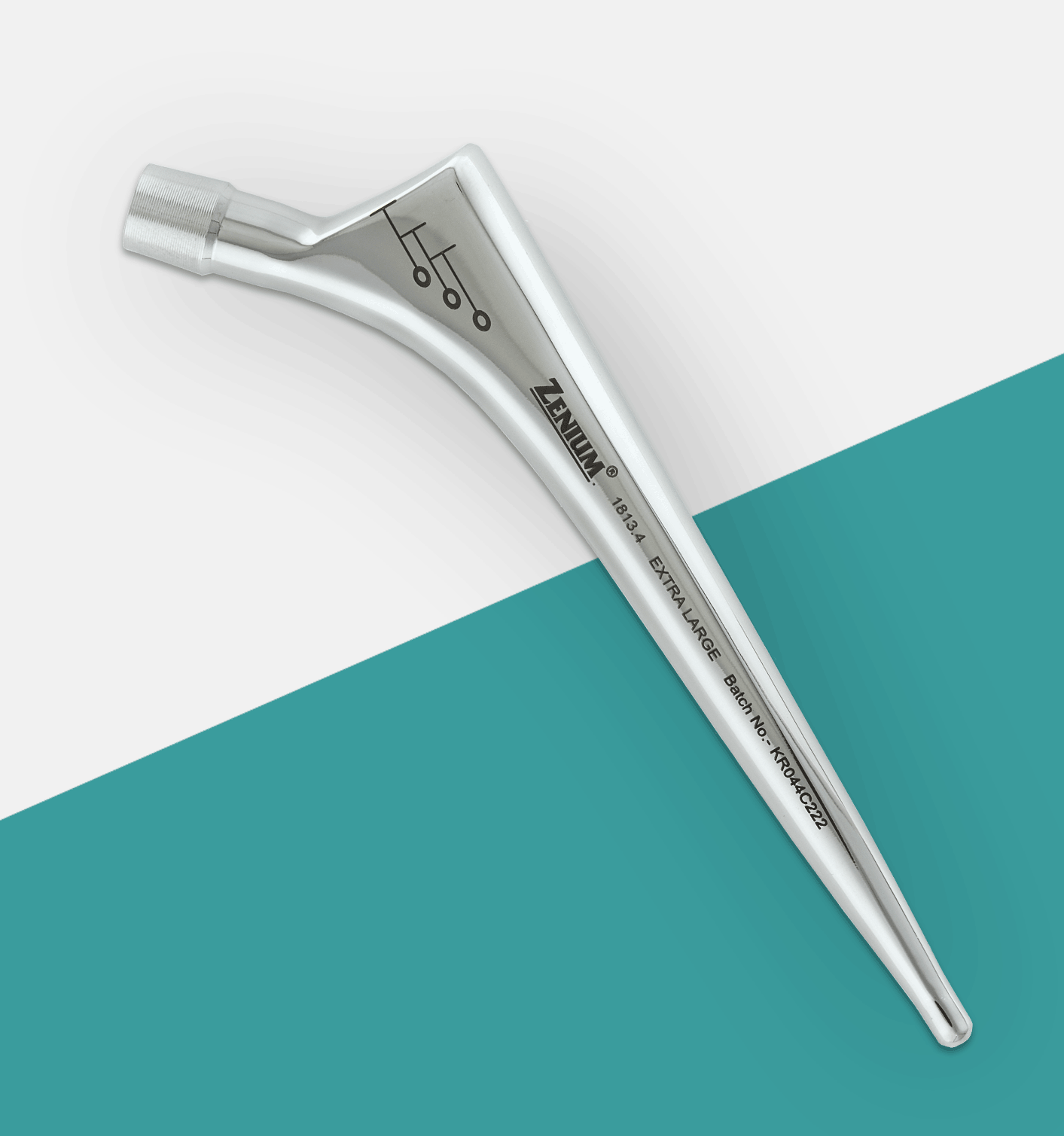 | Joint Replacement Bipolar Modular Stem (Cemented) Manufacturer The Bipolar Modular Stem (Cemented) is an orthopedic implant used in hip replacement surgeries, especially for elderly patients with fractured or... View product → |
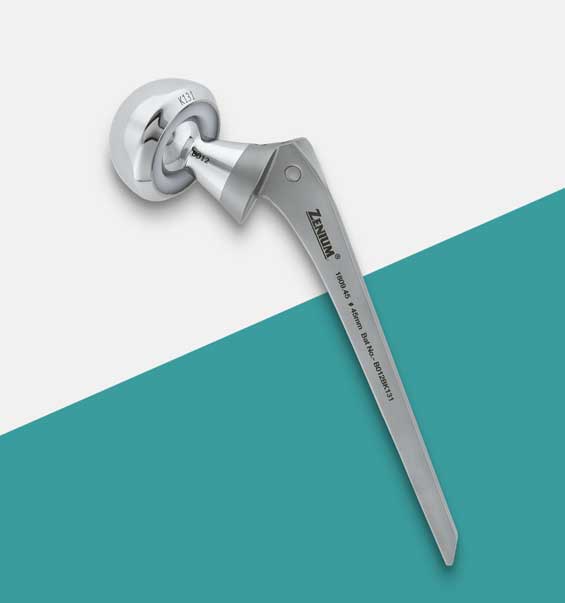 | Joint Replacement Bipolar Prosthesis (Non Fenestrated) Manufacturer The Bipolar Prosthesis (Non-Fenestrated) is a type of hip implant commonly used in hemiarthroplasty procedures, especially for treating femoral neck... View product → |
Frequently asked questions
How do I confirm which hip operation and implant I received?
Read the operative note and discharge summary. A total hip replacement has an acetabular cup; a bipolar hemiarthroplasty keeps the natural acetabulum and uses a bipolar head on a cemented femoral stem.
What should I check during cemented bipolar stem recovery?
Track walking progress, pain, wound condition, swelling, medication use, and scheduled reviews across the first days, weeks, and months. Use the written plan from your surgical team.
When should I seek urgent help after surgery?
Contact your surgical team urgently for worsening severe pain, a dislocated-looking or shortened leg, increasing wound drainage, fever, calf swelling, chest pain, or breathlessness.
Which implant details should I keep for follow-up?
Keep copies of the operative note, discharge summary, implant stickers or labels, stem and head names, catalogue or reference numbers, batch or lot numbers, and postoperative imaging reports.
Related product
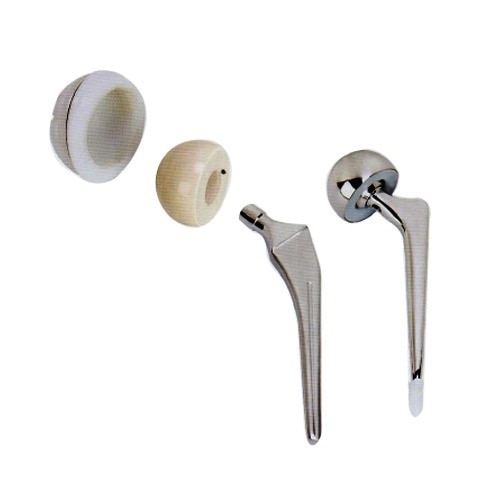 | Bipolar Hip Prosthesis ₹3500 We are manufacturer of Bipolar Prosthesis . Fix Bipolar and Modular Bipolar. Cup Size : 37 mm to 55 mm with 2 mm variation Material : S.S.316 L/LVM View product → |