A catalogue entry such as “modular head, 28 mm” leaves unanswered questions about taper geometry, neck length, liner pairing, material, tolerances and traceability. By the end, you will be able to read an internal-head drawing, distinguish each hip implant component, build a compatibility check and request the records needed before combining components for surgery.
Key takeaways
- Record diameter, radius, bore, wall thickness and dimensional tolerances.
- Match the head taper and locking feature to the approved stem.
- Review material, bearing-surface and manufacturing records before purchase.
- Confirm compatibility using controlled documents, measurements and supplier verification.
What an internal-head specification must identify
A complete internal-head specification identifies the component’s geometry, stem connection and approved mating parts—not merely “28 mm head.” Record the nominal head diameter, inner and outer diameters, spherical radius, overall height, wall thickness, bore or locking feature, and dimensional tolerances.
Include neck length or offset, taper geometry and size, taper designation, locking method, surface finish, material grade, sterilization state and lot number.
Request these catalogue-level details:
- Internal head: diameter series, radius, height, bore dimensions and tolerance limits.
- Stem or trunnion: exact taper angle, length, size designation, finish and approved head references.
- Bipolar liner: internal bearing diameter, outer diameter, material and locking interface.
- Bipolar shell: outer cup diameter, articulation surface, shell material and fixation features.
- Construct: validated stem, head, liner, shell and locking-ring combination, not isolated component claims.
| Component | Dimensions that identify it | Function and boundary |
|---|---|---|
| Internal head | Head diameter, radius, neck length and taper | Femoral-side bearing inside the bipolar cup |
| Stem or trunnion | Taper geometry, size and length | Connects the head to the femoral stem |
| Liner | Inner bearing diameter and outer diameter | Supports the head within the shell |
| Bipolar shell | Outer diameter, commonly a 37–55 mm range, plus fixation features | Articulates with the acetabulum |
A 28 mm head is not automatically compatible with a 28 mm liner or stem. Likewise, “cup size” usually describes shell outer diameter, not head diameter; confirm every interface using the manufacturer’s exact catalogue references for the complete hip implants construct.
How to prove compatibility across the implant system
A 28 mm diameter does not prove compatibility. Confirm the complete validated construct: femoral stem and trunnion, internal head, liner, bipolar shell, and locking ring where present. Generic labels such as “12/14 taper” are insufficient because taper angle, length, tolerances, locking geometry and manufacturer reference can differ.
Use this procedure before ordering:
1. Match the head’s catalogue reference to the stem or trunnion reference, including taper geometry, taper size, neck length or offset, material and locking method. Reject a match based only on diameter or a generic taper name.
2. Match the same head to the bipolar liner and shell references. Confirm that the head’s outer diameter and radius fit the liner’s bearing surface, and that the liner locks into the stated shell.
A modular bipolar cup’s 37–55 mm range usually describes outer cup diameter; request the drawing to confirm whether it instead states liner or bearing diameter.
3. Check the complete manufacturer compatibility matrix and its revision date. Do not combine components across systems unless the manufacturer’s validated documentation explicitly permits it.
4. Record the lot numbers, sterilization state and approved component references in the purchase and implant records.
| Component | Verify | Do not infer |
|---|---|---|
| Femoral stem/trunnion | Taper geometry, size, tolerances and locking method | “12/14” compatibility |
| Bipolar liner and shell | Internal bearing diameter, radius and locking interface | Outer cup diameter equals head diameter |
| Total hip components | Approved stem-head-liner-shell construct | A shared nominal diameter proves system compatibility |
A modular cup is not the internal head: its shell diameter and fixation features do not establish head fit. The assembled system, not an isolated specification, supports taper, fatigue and bearing compatibility.
How diameter, bearing surfaces and materials change performance
A larger internal head usually improves jump distance, stability and clearance before neck impingement, but it occupies more liner space and can increase polyethylene wear. Diameter alone is not enough: confirm whether the stated measurement is the bearing diameter, shell diameter or another catalogue dimension.
Neck length changes leg length and soft-tissue tension. Offset changes the lever arm and joint stability. Select either against the templated anatomy and stem geometry; changing one without reassessing the other can create laxity, over-tension or impingement.
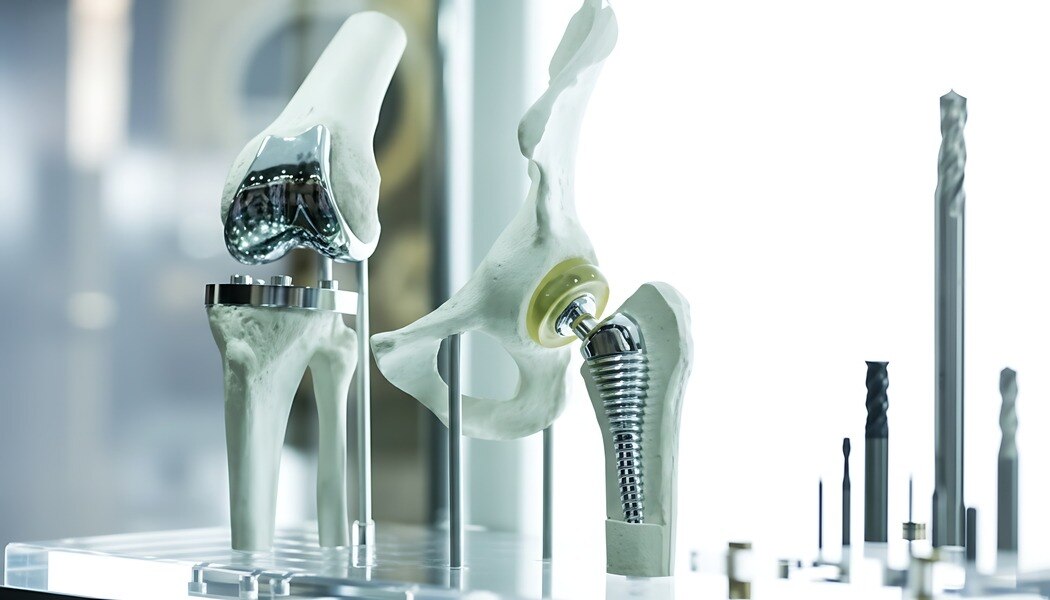
In a modular bipolar system, the internal head articulates with the polyethylene liner, while the outer cup articulates with the acetabulum. Check liner thickness, internal clearance, capture or locking mechanism, and the permitted head–liner pairing. A larger outer cup does not automatically accept a larger head.
Bearing choice changes friction, wear and assembly risk:
| Bearing pair | Performance consideration | Selection control |
|---|---|---|
| Cobalt-chromium head with polyethylene liner | Established articulation; wear depends on clearance, surface finish, load and liner quality | Verify the approved head, liner and stem combination |
| Ceramic head with polyethylene liner | Low surface roughness can reduce counterface wear; ceramic fracture and taper damage remain serious concerns | Confirm ceramic grade, taper condition and validated assembly instructions |
| Other qualified pairing | Performance depends on the complete tested system, not a material label | Use it only when the manufacturer’s compatibility matrix and regulatory documentation identify that combination |
Do not mix a ceramic or metal head with an unlisted stem, taper or liner. The taper geometry, finish, locking force and assembly condition affect fretting, corrosion and fracture risk. A modular bipolar head therefore needs a specified diameter, neck length or offset, bearing pair and liner design—not merely “28 mm.”
Which manufacturing records and standards deserve review
Request the controlled drawing and device master record, not a catalogue line such as “28 mm modular head.” The file should state material grade, head diameter, neck length or offset, bore and locking feature, taper designation, every critical tolerance, surface finish, sterilization state, lot code and compatible stem and liner catalogue references.
Ask for these manufacturing records:
- Dimensional inspection reports linked to the lot, including taper angle, bore, diameter, roundness, height and surface-finish measurements.
- Taper assembly and pull-off or impaction evidence showing the approved head–trunnion combination, locking method and acceptance limits.
- Material certificates, cleaning records and surface-treatment records; review ASTM F86 where metallic implant surface preparation is claimed.
- Corrosion or fretting evidence for the actual head, stem alloy and assembly condition, using the cited method, such as ASTM F746 or ASTM F1875.
- Biological-evaluation records under the ISO 10993 series, including residues, cytotoxicity and sensitisation rationale.
- Sterilization validation and release records: ISO 17665 for moist heat, ISO 11135 for ethylene oxide or ISO 11137 for radiation, as applicable.
- Device history records, certificate of conformity, nonconformance history and lot-to-patient traceability.
| Record | What to check | Why it matters |
|---|---|---|
| ISO 7206 series | Test scope and component configuration | Performance evidence is not dimensional approval |
| ISO 5832 or ISO 6474-1 | Exact metal or ceramic grade | “Ceramic” or “cobalt-chromium” is incomplete |
| ISO 13485 records | Controlled changes and batch release | A certificate does not validate compatibility |
| Supplier compatibility matrix | Head, stem, liner and cup references | Similar tapers are not interchangeable |
Treat each standard as evidence for a defined claim, never as universal approval.
How to validate a component before ordering or implantation
A purchase order should name the complete construct, not “28 mm head.” Compare the options before selection:
| Option | Strength | Main risk or limitation |
|---|---|---|
| Fixed bipolar | Head and cup arrive as one validated assembly; fewer interfaces to document | Less intraoperative flexibility; the supplied geometry cannot be changed independently |
| Modular bipolar | Separate head, liner and shell permit planned size or offset choices | A wrong taper, liner or locking ring can make the assembled construct incompatible |
| Total hip construct | Separate femoral and acetabular components address both sides of the joint | Requires validated stem, head, liner and acetabular components rather than a bipolar shell |
Use this workflow:
- Obtain the manufacturer’s compatibility matrix and match catalogue references for the stem or trunnion, internal head, modular cup, polyethylene liner, shell and locking ring. Do not accept “28 mm” or “12/14 taper” alone as proof of fit.
- Record head diameter, neck length or offset, material and grade, taper designation, liner bearing diameter, shell outer diameter, sterilization state and lot or serial number. “Cup size” must state whether it means outer diameter or bearing diameter.
- At receiving and in theatre, compare the box label, implant card, operative note and radiograph or templating record. Stop implantation if a component, lot number, side, size or material differs.
- Ask the surgeon to reject modular bipolar when the acetabulum requires a total hip solution, or when no validated head–stem–liner–shell combination exists. Choose fixed bipolar when adjustability offers no clinical benefit and interface reduction is the priority.
Komal Health Care Pvt Ltd can support this review when its supplied records identify the exact component references rather than only the product family.
Related products
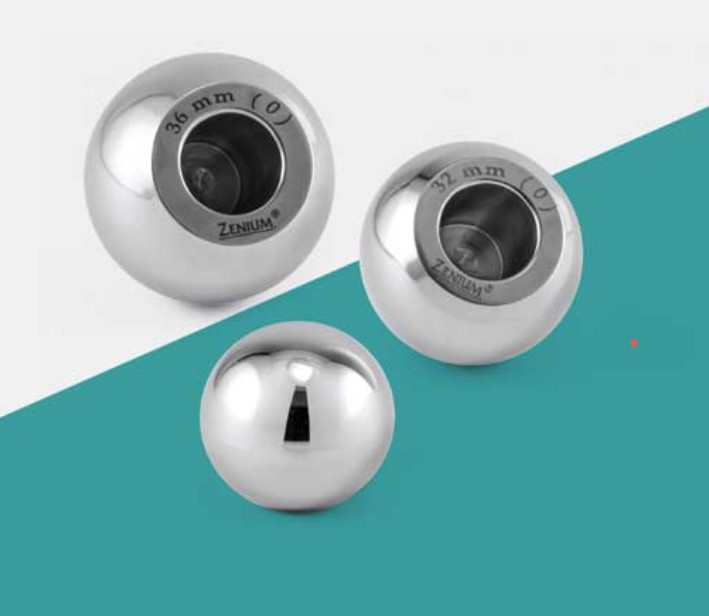 | Joint Replacement An Internal Head Manufacturer specializes in producing internal femoral heads used in hip replacement systems. View product → |
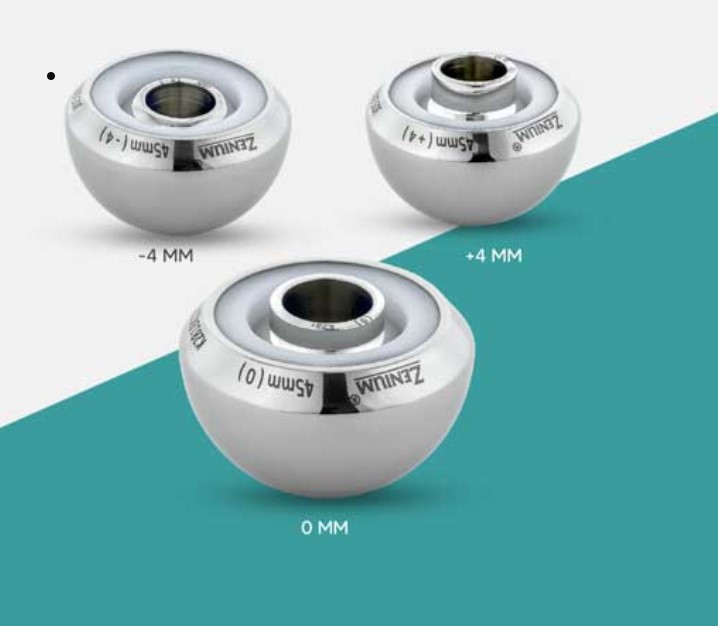 | Joint Replacement Modular Bipolar Cup (With Head) Manufacturer The Modular Bipolar Cup (With Head) is an advanced hip implant system used in hemiarthroplasty procedures, particularly for treating femoral neck... View product → |
Frequently asked questions
What must an internal-head specification identify?
It must identify nominal diameter, inner and outer diameters, spherical radius, overall height, wall thickness, bore or locking feature, tolerances and approved mating components.
How do you prove compatibility across a modular hip implant system?
Match the internal head to the exact stem connection, taper geometry, locking feature and approved modular cup or bipolar component using controlled supplier documentation.
How do diameter, bearing surfaces and materials affect performance?
They influence contact mechanics, range of motion, wear, friction, load transfer and compatibility with the mating cup or bearing surface.
Which records and standards deserve review for an internal head?
Review drawings, material certificates, inspection results, batch or lot records, traceability documents, packaging details and the standards named in the product’s technical file.
How should you validate an internal head before ordering or implantation?
Verify the catalogue code, dimensions, taper, material, lot traceability, packaging integrity and approved mating parts with the supplier and clinical team.
Related products
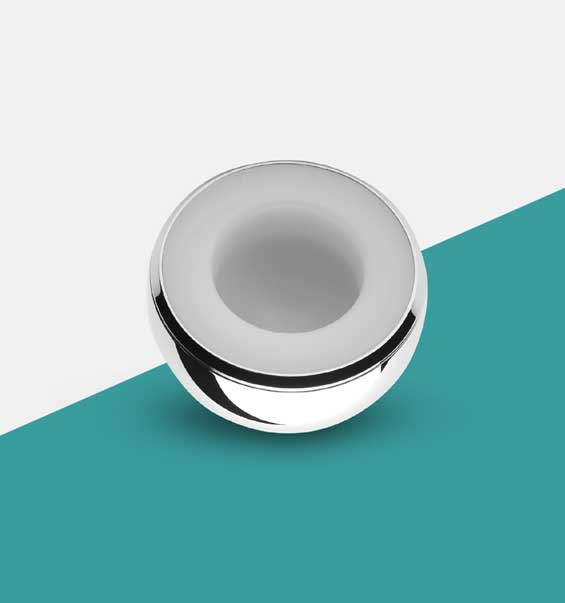 | Joint Replacement Modular Bipolar Cup Manufacturer A Modular Bipolar Cup Manufacturer specializes in producing advanced orthopedic components used in hip replacement surgeries. View product → |
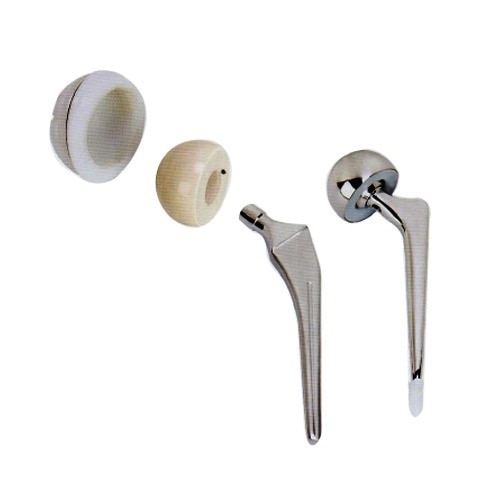 | Bipolar Hip Prosthesis ₹3500 We are manufacturer of Bipolar Prosthesis . Fix Bipolar and Modular Bipolar. Cup Size : 37 mm to 55 mm with 2 mm variation Material : S.S.316 L/LVM View product → |