A usable specification must separate the shell’s outer diameter from the liner’s inner diameter, thickness, fixation method and compatible femoral head. By the end, you will be able to compare cementless and cemented designs, assess imaging-based sizing, verify modular compatibility and request the documentation needed for safe procurement.
Key takeaways
- Specify shell, liner, fixation hardware and cement requirements separately.
- Use radiographs and templating to estimate cup size before ordering.
- Confirm modular cup liner, femoral head and locking-interface compatibility.
- Request batch, lot, licence and traceability documents for every THR implant.
What an Acetabular Cup Specification Must Contain
Specify an acetabular cup as a complete system, not as one diameter. State the shell, articulating liner, fixation hardware and, for cemented designs, the polymethylmethacrylate (PMMA) cement requirements separately. Shell diameter alone does not prove that a liner or femoral head will fit.
| Component | Dimensions and details to state |
|---|---|
| Shell | Outer diameter range, available size increments, shell thickness, material, hemispherical geometry, screw-hole pattern and fixation surface |
| Liner | Shell size compatibility, outer diameter, inner diameter, liner thickness, material, locking-interface dimensions and anti-rotation features |
| Bearing | Compatible femoral-head diameters for every liner size, including the permitted head material |
| Fixation | Screw or peg diameter, length range, hole direction, number, and whether the shell is press-fit or cemented |
| Cemented cup | PMMA cement compatibility, cup geometry, cement-mantle assumptions and preparation technique |
For an uncemented cup, identify the intended primary fixation and surface treatment, such as porous coating, bead coating, grit blasting or hydroxyapatite, rather than writing only “cementless.” For a cemented cup, specify the cement mantle rather than press-fit interference.
- Name the shell–liner locking interface and confirm seating, rotational stability and resistance to dissociation.
- Record each component’s catalogue or reference number, material, size, lot or batch number, and sterilization status.
- State whether every component is sterile or non-sterile, the sterilization method, packaging configuration, shelf life and reprocessing restrictions.
- Request a certificate of conformity or equivalent quality record for separately packaged modular components.
How Radiographs and Templating Determine Cup Size
The team selects an acetabular cup by matching radiographic bone coverage to an implant template, then confirming the fit with sequential reaming and trial components. A calibrated AP pelvis radiograph provides the planned centre, diameter and medial-lateral position; a cross-table lateral shows anterior and posterior coverage and exposes version or bone-loss problems.
Templating should account for:
- Radiograph magnification, using a known marker rather than measuring from an uncalibrated image.
- The intended hip centre and a cup size that preserves the medial wall and enough peripheral bone for contact.
- The fixation method: a cementless shell needs controlled press-fit, while a cemented cup depends on a prepared cavity and cement mantle.
In theatre, the surgeon reams gradually along the planned inclination and version, stopping when the cavity is hemispheric and the remaining bone is supportive. Oversizing or excessive medial reaming can thin or breach the acetabulum; undersizing can leave poor rim contact and unstable primary fixation.
A trial shell tests secure seating and whether the reconstruction restores planned leg length and offset before implantation.
Record shell outer diameter separately from liner inner diameter and femoral-head size; these dimensions are not interchangeable. A larger shell can accept a larger head but may reduce polyethylene thickness. Confirm the shell–liner locking interface and taper compatibility for the selected THR implants.
The Lewinnek target of 40° ± 10° inclination and 15° ± 10° anteversion guides planning, but it cannot guarantee stability.
Cementless Press-Fit Versus a Cemented THR Cup
A cementless press-fit shell suits patients with enough viable acetabular bone to achieve immediate rim or dome stability and later bone ongrowth or ingrowth. A cemented THR cup is appropriate when bone is weak, the fracture pattern limits press-fit purchase, revision has reduced host bone, or the surgeon deliberately chooses PMMA fixation.
| Feature | Cementless press-fit shell | Cemented THR cup |
|---|---|---|
| Primary fixation | Undersized reaming creates interference fit; screws, pegs or fins can add fixation | Polymethylmethacrylate (PMMA) bonds the cup to a prepared cement bed |
| Surface and geometry | Porous, bead, grit-blasted or hydroxyapatite surface for bone attachment; rim and dome geometry must match the press-fit plan | Geometry must support cement interdigitation and the specified cement mantle; do not apply press-fit surface requirements |
| Bone requirement | Stable, bleeding host bone that can support initial fixation and biological fixation | Cement can fill irregularities, but preparation must provide a clean, dry, contained acetabulum |
| Revision implication | Removing an ingrown shell can sacrifice bone; screw holes and augments may affect revision planning | Cement removal can also damage bone, and retained cement complicates later reconstruction |
Specify the shell, liner and fixation separately. For cementless thr implants, identify coating, screw or peg options and the reaming range. For a cemented THR cup, state PMMA compatibility, intended cement mantle assumptions and preparation technique.
Before surgery, confirm:
- Press-fit reaming stops at the planned size without excessive bone removal.
- Cemented preparation includes lavage, drying and the manufacturer’s stated cementing sequence.
- Sterility, packaging and reprocessing status apply separately to the cup, liner, screws and instruments.
Modular Cup Compatibility, Locking Interfaces and Bearing Choices
Do not approve a modular cup from shell diameter alone. A modular cup uses a separate acetabular shell and liner, while the femoral head must match both the liner’s inner diameter and the stem’s taper. Verify compatibility against the manufacturer’s current system chart and surgical technique document.
- Match the shell catalogue number, outer diameter and liner catalogue number to an approved shell–liner combination.
- Confirm the liner material, inner diameter, permitted bearing couple and any restriction on ceramic heads.
- Check the locking interface: liner seating features, anti-rotation geometry and retention mechanism must be validated for that shell size. An incorrect liner can dissociate, rock, or suffer backside wear.
- Match the femoral-head diameter and material to the liner schedule, then match the head taper and taper length to the stem. A head that fits the liner can still be incompatible with the stem.
- Read the assembly instructions for impaction, cleaning, orientation and inspection. Damaging the locking rim during insertion can create fretting or early liner failure.
| Bearing choice | Confirm before approval | Main compatibility risk |
|---|---|---|
| Polyethylene liner with metal head | Approved head diameter, metal grade and stem taper | Excessive head size can reduce polyethylene thickness |
| Polyethylene liner with ceramic head | Explicit ceramic-head approval and matching diameter | Ceramic use outside the system may damage the liner or interface |
| Ceramic liner with ceramic head | Paired ceramic materials, diameters and taper specification | Mismatch can cause fracture, noise or taper damage |
Record shell, liner, head and stem catalogue numbers separately; “acetabular cup, 52 mm” is not a complete modular-system specification.
Mumbai Procurement Checklist for Traceable THR Implants
Before accepting modular hip implants, match every box to the purchase order, catalogue/reference number, lot or batch number, implant size, material, and component name. A catalogue number alone cannot trace a liner or screw after a recall. Request separate records when the shell, liner, screws, and instruments arrive in different packages.
| Record | Request before acceptance | Check |
|---|---|---|
| Technical | Dimensional drawings, size matrix, tolerances, hole pattern, screw sizes, liner thickness, compatible head diameters, taper and bearing-couple details | Confirm the modular cup components are compatible |
| Quality | Certificate of conformity or equivalent, manufacturer’s lot traceability record, inspection release, and declared material grade | Match documents to labels and the purchase order |
| Sterility | Sterile or non-sterile status, sterilization method, packaging configuration, expiry or shelf-life date, and reprocessing restrictions | Check each component separately |
| Shipping | Commercial invoice, packing list, airway bill or bill of lading, dispatch date, carton count, and seal or damage record | Quarantine missing, wet, crushed, or opened cartons |
For cemented components, add the intended PMMA bone-cement compatibility, cup geometry, cement-mantle assumptions, and preparation instructions. Do not apply press-fit specifications to a cemented cup. If Komal Health Care Pvt Ltd supplies the system, request this component-level file before goods receipt, not after surgery scheduling.
- Reject or quarantine any package with a mismatched batch number, broken sterile barrier, unreadable label, missing expiry date, or undocumented substitution.
Related products
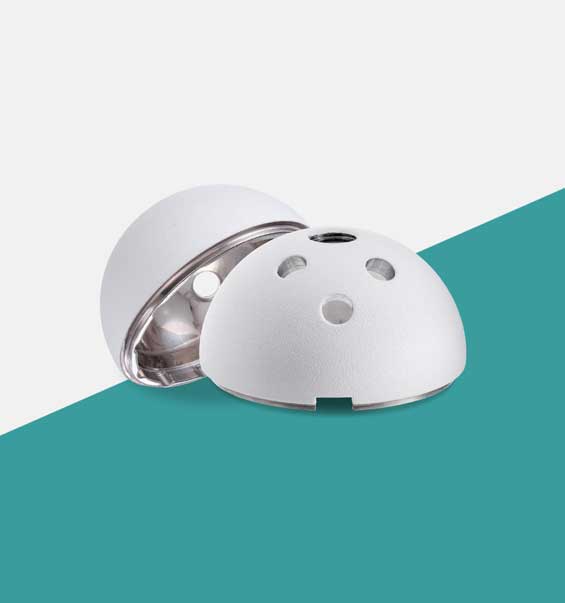 | Joint Replacement The Acetabular Cup is a key component in total hip replacement surgery, designed to fit into the hip socket (acetabulum). View product → |
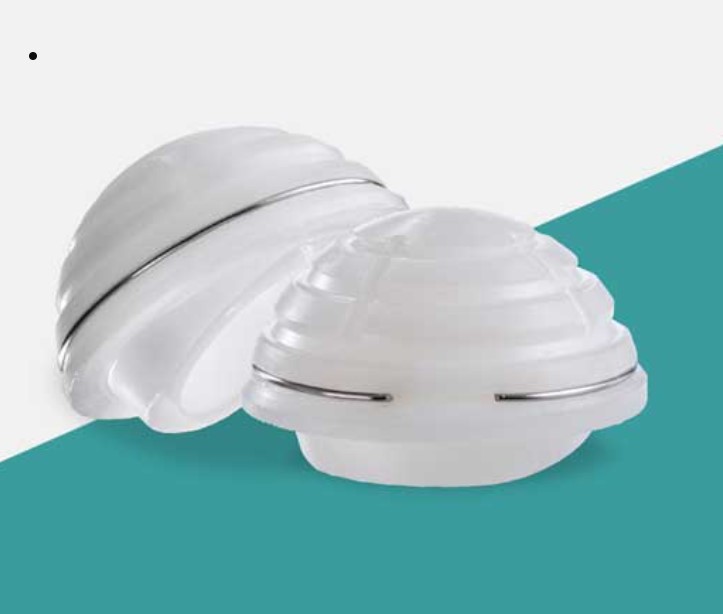 | Joint Replacement Acetabular Cup Cemented Manufacturer An Acetabular Cup Cemented Manufacturer produces acetabular components specifically designed for cemented fixation in total hip replacement... View product → |
Frequently asked questions
What must an acetabular cup specification contain?
State the shell diameter and material, liner type and size, fixation screws or other hardware, bearing couple, compatibility requirements and PMMA cement details for cemented designs.
How do radiographs and templating determine acetabular cup size?
The surgeon uses calibrated anteroposterior and lateral radiographs to assess acetabular anatomy, estimate shell coverage and select a size that achieves stable fixation without excessive bone removal.
What is the difference between a cementless press-fit cup and a cemented THR cup?
A cementless cup achieves fixation through an interference fit and bone ingrowth, while a cemented THR cup relies on PMMA cement to anchor the component in prepared bone.
How do you verify modular cup compatibility?
Match the shell, liner, femoral head and locking interface within the same approved system; do not assume equal nominal diameters fit across manufacturers.
What documents should Mumbai buyers request for traceable THR implants?
Request the product specification, batch or lot number, expiry date where applicable, manufacturer details, invoice, packing-list records, licence documents and a certificate of conformity or analysis when supplied.
Related product
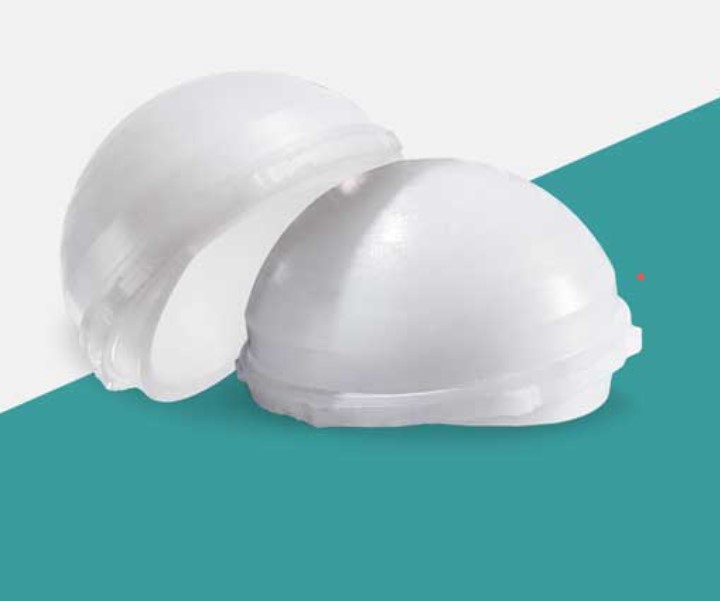 | Joint Replacement Acetabular Cup Liner Manufacturer An Acetabular Cup Liner Manufacturer specializes in producing liners that fit inside the acetabular cup during total hip replacement surgeries. View product → |