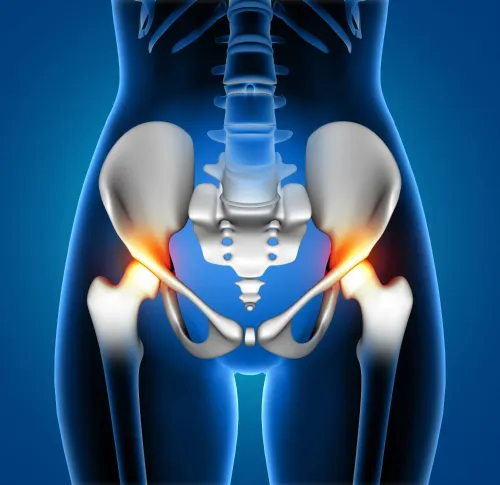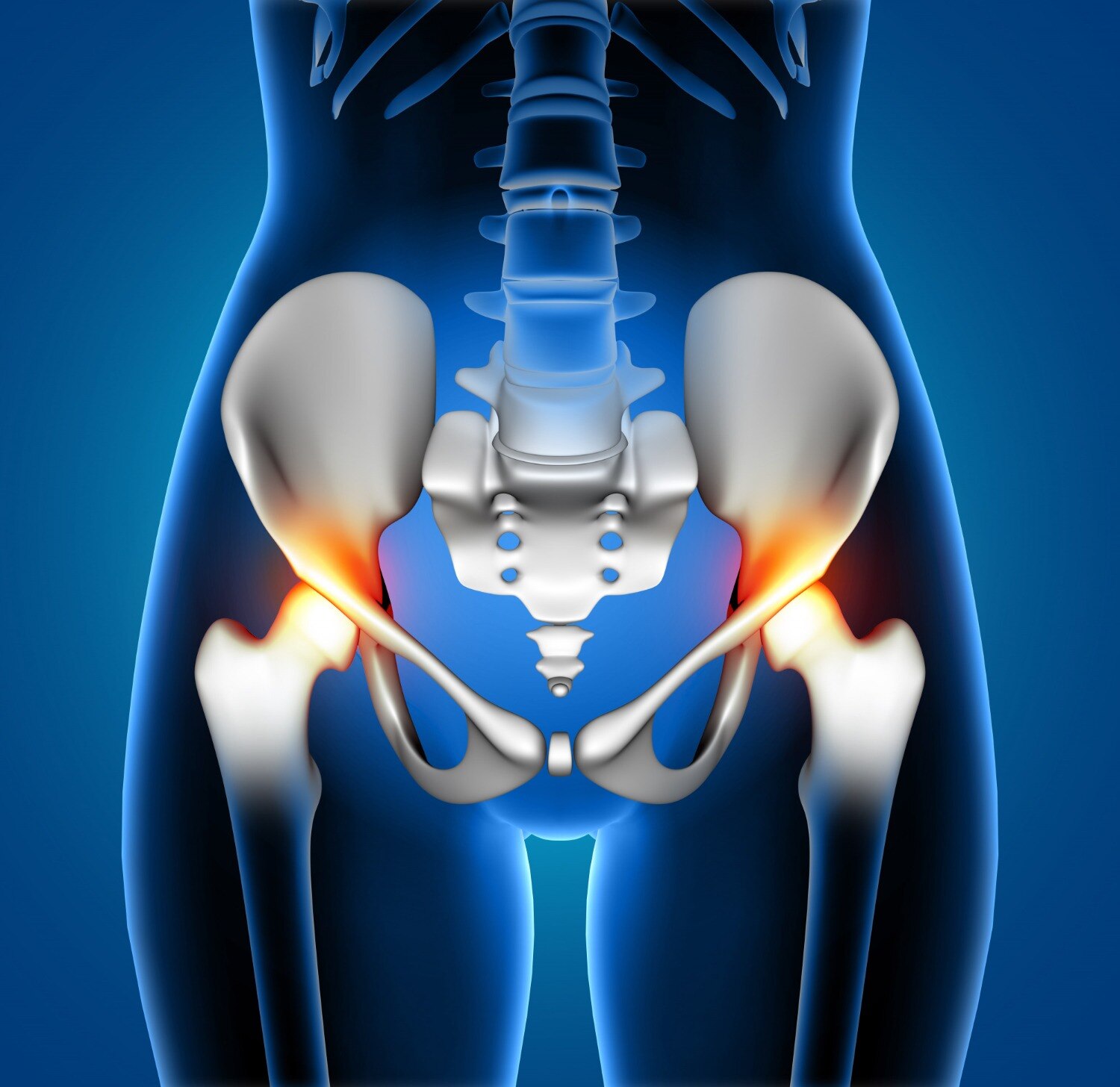
An internal head is a small, load-bearing component whose correct fit depends on far more than its spherical diameter. By tracing its connections, movement, material choices and compatibility requirements, you can distinguish a bipolar inner head from a total-hip femoral head and identify the documents needed before use.
Key takeaways
- Match the head to the stem’s exact Morse taper and manufacturer specifications.
- A bipolar inner head rotates inside an outer shell; a total-hip head bears against the cup.
- Check head diameter, neck length, material, taper code, and locking dimensions.
- Request batch traceability, material records, inspection results, and applicable regulatory documents.
Where the Internal Head Sits Among the Prosthesis Components
An internal head in joint replacement prosthesis is a small, spherical femoral-side component. It fits onto the femoral stem’s Morse taper, also called the trunnion, and serves as the moving inner bearing. In a bipolar hip, the head rotates inside an outer bipolar shell rather than against the patient’s acetabulum directly.
The joint replacement prosthesis components around it are:
- Femoral stem: anchors in the femur and carries the taper.
- Morse taper or trunnion: the conical stem connection that locks into the head.
- Bipolar shell: surrounds and captures the internal head.
- Polyethylene liner: forms the shell’s inner bearing surface.
- Native acetabulum: receives the shell in hemiarthroplasty.
- Acetabular cup, liner and fixation screws: replace and secure the artificial socket in total hip replacement.
| System | Bearing relationship | Socket-side components |
|---|---|---|
| Bipolar hemiarthroplasty | Internal head rotates inside a bipolar shell; the shell also moves against the native acetabulum | Bipolar shell, inner polyethylene liner and patient’s acetabulum |
| Total hip replacement | Femoral head articulates directly against an artificial acetabular liner | Acetabular cup, liner and, where used, fixation screws |
A bipolar shell is not an acetabular cup or liner. Substituting one changes the articulation, fixation needs and load path. Likewise, a conventional femoral head is not automatically suitable as an internal head: matching nominal diameter alone does not confirm fit between the head, shell, liner and retention features.
How Load and Motion Pass Through the Internal Head
The internal head hip implant component is the force-transfer link between a femoral stem and the opposing bearing surface. Its spherical body mounts on the stem’s Morse taper, also called the trunnion. That taper locks the head in position while preserving the selected head diameter and neck offset.
- Body weight travels from the femur into the stem, through the taper, and into the internal head.
- In a bipolar system, the internal head rotates inside the polyethylene liner of the outer shell. This inner bearing allows the femoral side to move without requiring every degree of motion from the shell against the pelvis.
- The outer shell then transmits force across its outer surface to the patient’s native acetabulum. Movement at this second interface combines with inner-head rotation to produce hip motion.
The two bipolar bearings share movement rather than acting as one joint. Friction, fibrosis, or acetabular wear can reduce outer-shell motion, shifting more movement to the internal bearing and increasing its mechanical demand.
Total hip replacement uses a different load path. Its femoral head rotates directly against the polyethylene, ceramic, or metal surface of an artificial acetabular liner, held within an acetabular cup. A bipolar shell is not a substitute for that cup: it changes the articulation, fixation requirements, and contact with the acetabulum.
Bipolar Inner Head Versus Total-Hip Femoral Head
When the spherical head rotates inside a bipolar shell, motion is split between two bearings; in a total hip replacement, the femoral head moves directly against an artificial acetabular liner. That difference changes the load path, wear surfaces and acetabular component required.
| Feature | Bipolar hemiarthroplasty | Total hip replacement |
|---|---|---|
| Inner bearing | Internal head rotates inside the bipolar shell, usually against its polyethylene liner | Femoral head rotates directly against the artificial acetabular liner |
| Outer bearing | Shell moves against the patient’s native acetabulum | No shell-to-native-acetabulum bearing exists |
| Load path | Stem taper, internal head, shell, then native acetabulum | Stem taper, femoral head, liner, cup, then bone |
| Motion distribution | Motion is shared; outer-shell movement can decrease through friction, fibrosis or acetabular wear | Motion occurs at the head-liner interface |
| Acetabular fixation | No artificial cup or fixation screws are required for the bipolar assembly | Cup fixation and, where specified, screws secure the acetabular component |
An internal head in joint replacement prosthesis systems therefore works as part of a paired bipolar assembly, not as a substitute acetabular cup. The internal head hip implant component must match the shell’s inner diameter, clearance and capture features; the same nominal diameter does not prove compatibility.
The bipolar choice retains contact with the native acetabulum and can fail through shell-related acetabular erosion. Total hip replacement replaces that surface with a liner, adding acetabular fixation and a different wear interface. Size selection must also preserve femoral length, offset, centre of rotation and soft-tissue tension rather than simply choosing the largest shell.
How to Confirm Compatibility Before Selecting a Head
A matching catalogue diameter does not prove compatibility. Confirm the internal head’s outer diameter, taper geometry, bearing clearance, capture geometry and axial-retention features against the exact stem, bipolar shell or acetabular liner listed by the manufacturer.
| Check | What to match | What failure it prevents |
|---|---|---|
| Head-to-stem taper | Taper type, size, angle, length and dimensional tolerances | Incomplete seating, fretting or corrosion |
| Head-to-shell bearing | Head outer diameter, shell inner diameter, clearance and capture depth | Seizure, dissociation or excessive wear |
| Shell-to-liner or acetabulum | The validated bipolar shell, polyethylene liner or acetabular cup | An unintended load path or unstable articulation |
| System identity | Model, size range, implant family and revision status | Mixing parts that share a nominal diameter but lack validation |
Ask for these records before approving the component:
- A taper drawing showing dimensions, tolerances and the compatible stem or trunnion.
- The validated mating-component list naming the permitted head, stem, shell and liner model numbers.
- Material, bearing and surface-finish specifications for every contacting part.
- The applicable implant classification, sterilization status, packaging configuration and shelf-life date.
- Mechanical-test evidence, including relevant ISO 7206 testing for hip prosthesis components, plus lot, batch and serial traceability.
A femoral head made for a conventional total hip liner is not automatically suitable for a bipolar shell. Select only the documented combination; a successful fit on the operating table does not establish validated compatibility.
Ensure the chosen dimensions also restore femoral length, offset and centre of rotation without creating excessive soft-tissue tension or acetabular loading.
Materials, Failure Risks and the Documents Buyers Need
Do not approve an internal head because its catalogue diameter matches. Compare the bearing material, taper design, mating geometry and failure evidence as one system.
| Material choice | Advantage | Risk to investigate |
|---|---|---|
| Cobalt-chromium alloy | High strength and established wear performance | Taper fretting, corrosion and metal debris |
| Ceramic | Low wear and corrosion resistance | Fracture from impact, edge loading or assembly damage |
| Metal-on-polyethylene pairing | Familiar clinical use and forgiving impact behaviour | Polyethylene wear, deformation and inner-bearing seizure |
A matching spherical diameter does not prove compatibility. Confirm the outer head diameter, shell inner diameter, capture geometry, bearing clearance, axial retention, neck length, offset, taper size and taper length. A head for an acetabular liner must not enter a bipolar shell without a validated combination.
Investigate each failure at its interface: dislocation or dissociation at retention features, corrosion at the head–stem taper, seizure or wear at the head–shell bearing, shell migration or acetabular erosion outside the implant, and infection or periprosthetic fracture in the clinical setting.
Before approving an internal head manufacturer, request:
- Applicable implant classification and regulatory status
- Material and bearing specifications
- Taper drawing with dimensional tolerances
- Validated mating-component list
- Sterilization method or supplied non-sterile status
- Packaging, shelf-life and storage data
- Mechanical-test evidence, including relevant ISO 7206 testing
- Lot, serial or batch traceability records
ISO 7206 test evidence does not make products from different manufacturers interchangeable. Komal Health Care Pvt Ltd, like any supplier, should provide this evidence for the exact component combination rather than relying on a general product catalogue.
Related product
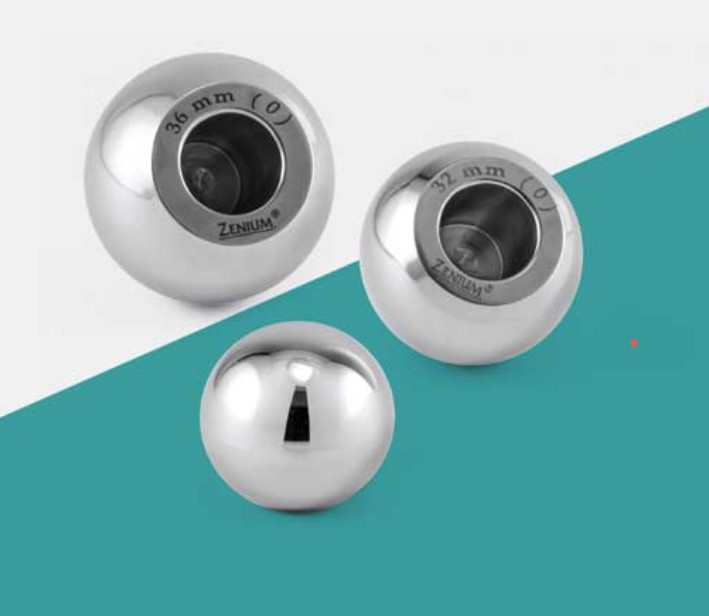 | Joint Replacement An Internal Head Manufacturer specializes in producing internal femoral heads used in hip replacement systems. View product → |
Frequently asked questions
Where does the internal head sit in a joint replacement prosthesis?
The internal head fits onto the femoral stem’s Morse taper, or trunnion. In a bipolar hip, it sits inside the outer bipolar shell.
How does load pass through an internal head?
Load travels from the outer bearing surface through the internal head, across the Morse taper junction, and into the femoral stem and bone.
What is the difference between a bipolar inner head and a total-hip femoral head?
A bipolar inner head rotates inside an outer bipolar shell. A total-hip femoral head articulates directly with the acetabular cup.
How do you confirm compatibility before selecting an internal head?
Verify the taper code, head diameter, neck length, material pairing, locking geometry, and the stem manufacturer’s approved compatibility information.
Which documents should buyers request for an internal head?
Request product specifications, material and lot records, dimensional inspection results, sterilisation information when supplied sterile, and applicable regulatory documents.