A hybrid hip replacement uses a cemented acetabular component with an uncemented femoral stem, so the hospital must evaluate two different fixation strategies as one bearing system. By the end, you will be able to screen the clinical rationale, verify component compatibility, assess cement and bone requirements, and build a procurement file that supports the operating team.
Key takeaways
- Confirm the cup, liner and stem pairing against each manufacturer’s instructions for use.
- Assess bone containment before choosing cup diameter or cement mantle thickness.
- Record cup inclination, anteversion, cement mantle and radiographic coverage targets.
- Request CDSCO documentation, ISO 13485 evidence, sterilization records and batch traceability.
Why pair a cemented cup with an uncemented stem?
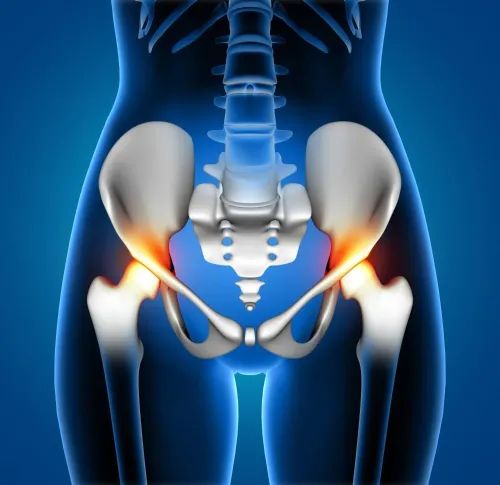
A hybrid total hip replacement pairs a cemented acetabular cup with an uncemented femoral stem. Surgeons may choose this combination when acetabular bone is osteoporotic or weak, yet the femur offers reliable press-fit and later biological fixation.
Revision surgery, a contained acetabular defect, a narrow or difficult femoral canal, and the surgeon’s preferred fixation strategy can all influence the decision.
| Construct | Acetabular fixation | Femoral fixation |
|---|---|---|
| Hybrid | Cemented cup | Uncemented stem |
| Reverse-hybrid | Uncemented cup | Cemented stem |
The choice is not a rule that both sides must use the same method. Cement provides immediate cup fixation, while an uncemented stem depends on initial stability followed by bone ingrowth.
A routine cemented cup is unsuitable for pelvic discontinuity, major segmental bone loss, or a defect that cannot contain a stable cement mantle; those cases may require an augment, structural graft, cage, or revision component.
Age alone cannot determine cemented acetabular cup selection. Assess bone quality, anatomy, activity, fracture risk, implant performance and the surgeon’s judgement; older patients may face higher early femoral-fracture risk with an uncemented stem, while cemented fixation brings long-term wear and loosening considerations.
Procurement documents must specify “cemented acetabular cup with uncemented femoral stem,” not the vague term “cemented hip.”
Run a compatibility check before comparing cup sizes
Compatibility comes before cup size: a nominal 52 mm cup or familiar femoral-head diameter does not prove that components from different manufacturers will mate safely. A cemented polyethylene cup is fixed directly into the prepared acetabulum with polymethylmethacrylate bone cement; it is not an uncemented metal shell later filled with cement.
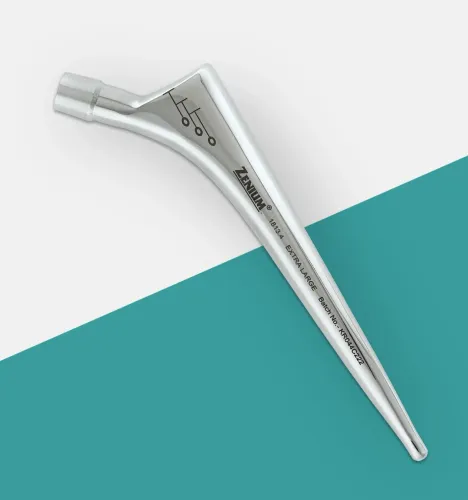
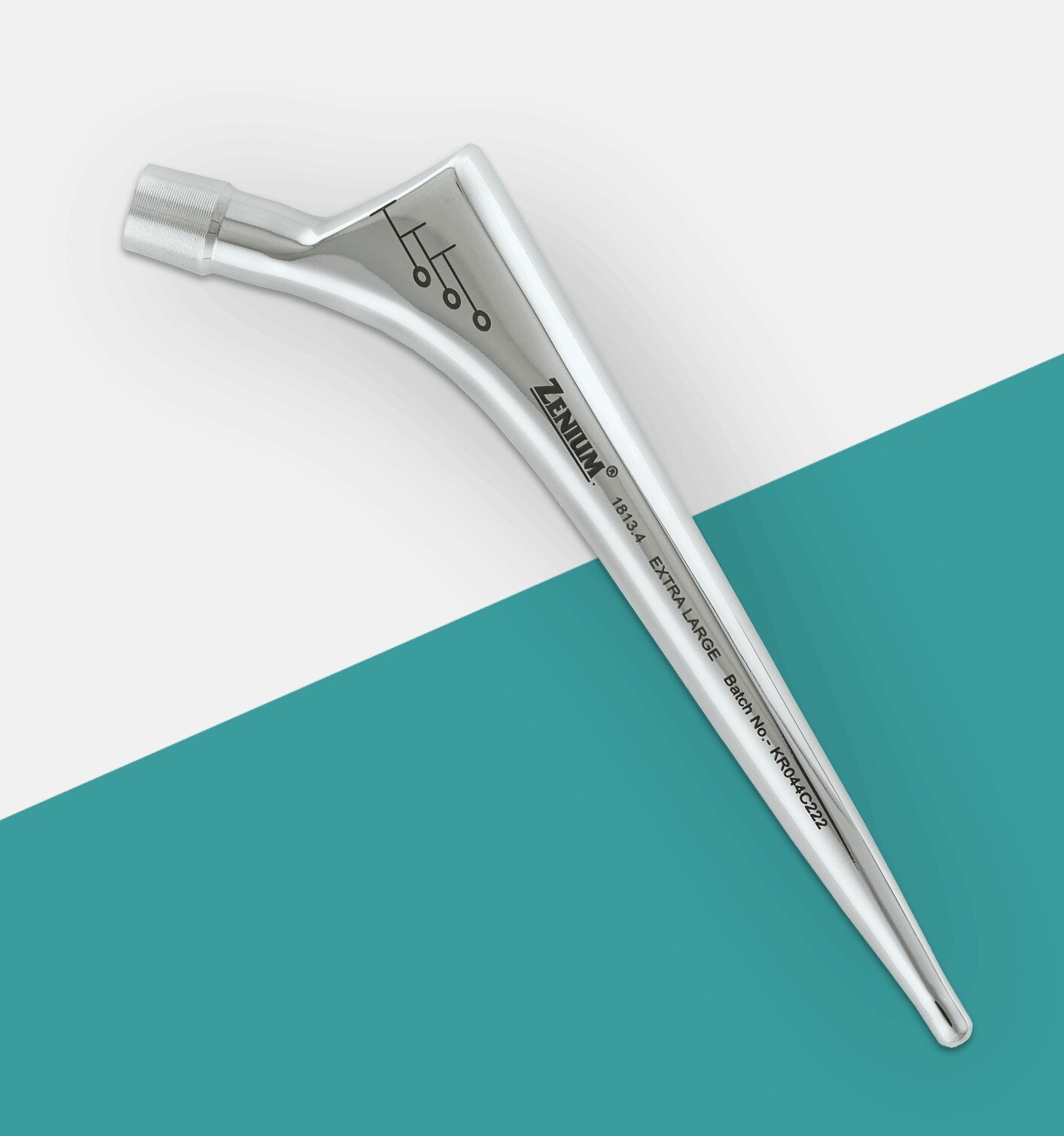
- Identify the exact uncemented stem family and its taper specification.
- Confirm the permitted femoral-head diameters, cup outer diameter, cup internal diameter and bearing pairing.
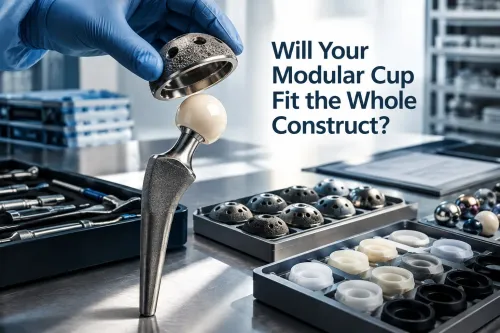
- Check whether a liner is used, then match the cup, liner, femoral head and stem against the manufacturer’s compatibility chart.
- Verify the cup’s trials, inserter and orientation instruments before listing it. A cemented cup is held in its selected version and inclination while cement cures; it normally cannot accept later liner rotation or exchange.
- Record every uncemented stem cup options combination in the purchasing matrix with catalogue numbers, taper, head choices, bearing material, cup dimensions, cement system, trials, instruments and relevant revision or constrained components.
| Construct | Backside and fixation | Selection consequence |
|---|---|---|
| Polyethylene cup | Cement-contacting outer surface; geometry and flutes support cement interlock | Confirm cement type, mantle preparation and dedicated inserter |
| Metal-backed shell | Metal outer shell designed for press-fit or biological fixation; may accept a modular liner | Do not substitute it for a cemented cup |
| Other construct | Geometry, fixation surface and instruments vary by design | Require its specific instructions and compatibility chart |
Treat cup outer diameter, inner diameter and bearing material as one validated construct, not independent measurements. The matrix must reject any pairing absent from the manufacturer’s chart.
Check bone containment, cement mantle and cup orientation
List a cup for routine hybrid use only when the acetabulum can contain a stable cement mantle and provide reliable rim support.
Segmental bone loss, pelvic discontinuity, or an uncontained defect changes the reconstruction. An augment, structural graft, cage, or revision component may be needed instead of a routine cemented cup.
Before surgery, confirm the following in sequence:
1. Assess acetabular bone stock, defect pattern, rim support, and containment. Do not treat an uncontained cavity as suitable for routine cup implantation.
2. Remove loose cancellous debris, perform pulsatile lavage, and dry the prepared acetabulum. Residual debris or fluid can interrupt cement-to-bone contact.
3. Mix the polymethylmethacrylate cement with the specified system and conditions. Follow the cup and cement instructions for use for mixing method, working time, temperature, and curing requirements; ISO 5833 identifies performance requirements for acrylic resin bone cement.
4. Pressurize the cement and insert the cup under controlled conditions. A common operative target is a continuous cement mantle of approximately 2–3 mm, but the operative plan and implant instructions govern the final technique. A thin, incomplete, or debris-interposed mantle increases fixation risk.
5. Confirm inclination and version with trials, the inserter, and the orientation guide before opening the implant. The cup is held in its selected position while cement cures, unlike a modular uncemented shell that may permit later liner rotation or exchange.
Verify those instruments and trial components in advance. Once cement cures, correcting orientation is not a simple liner adjustment.
Compare cemented and cementless acetabular fixation on the real trade-offs
With an uncemented femoral stem, cemented acetabular cup selection trades biological fixation for immediate cup stability. Cement can secure a cup in weak acetabular bone, while a cementless shell requires reliable press-fit interference and later bone ingrowth.
| Option | Primary trade-off | Main risks or advantages |
|---|---|---|
| Cemented cup | Immediate fixation without initial shell interference fit | Mantle defects, polyethylene wear, oxidation and later loosening |
| Cementless shell | Press-fit fixation followed by bone ingrowth | Migration, inadequate ingrowth, fracture or instability when support is poor |
| Cemented cup | Fixed orientation during cement curing | No later liner rotation or routine liner exchange |
| Cementless shell | Modular liner and adjustment options | More components and dependence on accurate preparation and bone support |
Preparation differs. A cemented cup requires lavage, drying, cement mixing, pressurization, cup insertion and dedicated inserters; a shell requires reaming, trialing and instruments that achieve stable press-fit fixation. Revision may be simpler with a modular cementless shell, while removing a well-fixed shell can sacrifice bone.
A cemented cup instead makes mantle quality and later cement-bone loosening central revision concerns.
Specify polyethylene formulation, conventional or highly cross-linked polyethylene, sterilization method, oxidation control and bearing pairing. Do not treat every polyethylene cup as equivalent.
ISO 5833 applies to acrylic resin bone cement. Procure the listed cement and mixing system with the cup, and follow both instructions for use for mixing, working time, curing and handling. For a complete cemented acetabular cup selection, verify:
- Cup inner diameter, femoral-head diameter and stem taper compatibility
- Trial components, orientation guides and insertion instruments
- Cement catalogue number and validated mixing system
Build a supplier file that proves the product is usable in Mumbai
Approve an isolated cup only after the hospital proves that the complete hybrid construct is identifiable, compatible and usable in its Mumbai operating pathway. An acetabular cup hospital supplier in Mumbai must provide product evidence, not merely confirm that hip cups are in stock.
1. Record the exact component catalogue number, available outer and inner diameters, material, bearing description, polyethylene formulation, sterilization method, expiry date and lot or batch traceability.
2. Obtain the instructions for use, compatible cement and mixing system, inserters, trial cups, trial heads, orientation guides and the manufacturer’s compatibility chart.
3. Request the technical file or product dossier, plus evidence of the applicable Indian authorization, such as the relevant CDSCO registration or licence. Check that the documents identify the stem family, taper, femoral-head options, cement type, fixation surfaces and revision or constrained alternatives.
4. Build one matrix row for every proposed construct: cup catalogue number, stem, taper, head diameter, cup outer and inner diameters, bearing pairing, cement, trials, instruments and revision pathway. Reject a nominal 52 mm match that lacks a validated system relationship.
For a cemented acetabular cup for uncemented stem cases in Mumbai, the surgeon, operating-room team, procurement staff and infection-control or sterile-services personnel must sign off the matrix. Confirm packaging integrity, storage controls and instrument availability before scheduling the case.
Komal Health Care Pvt Ltd can be assessed alongside other qualified suppliers when its documentation, traceability, system compatibility and instruments satisfy the same checklist. Go only with a complete, validated construct; otherwise, do not approve the cup size.
Related products
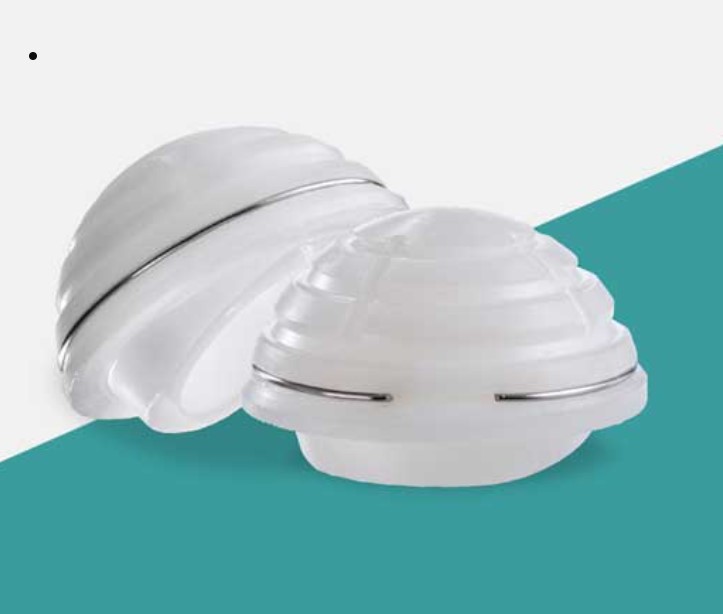 | Joint Replacement Acetabular Cup Cemented Manufacturer An Acetabular Cup Cemented Manufacturer produces acetabular components specifically designed for cemented fixation in total hip replacement... View product → |
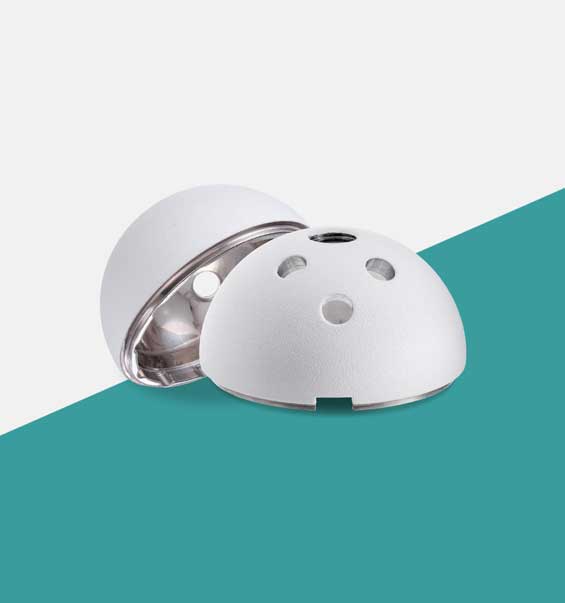 | Joint Replacement The Acetabular Cup is a key component in total hip replacement surgery, designed to fit into the hip socket (acetabulum). View product → |
Frequently asked questions
Why pair a cemented acetabular cup with an uncemented femoral stem?
A hybrid total hip replacement can provide cemented fixation where acetabular bone is weak while using press-fit and later biological fixation in a stronger femur.
What compatibility checks come before comparing cup sizes?
Check the manufacturer’s instructions for use, cup and liner configuration, bearing materials, instrumentation, cement requirements, sterilization status and whether the selected components are approved for the planned construct.
What should surgeons check for bone containment, cement mantle and cup orientation?
Confirm that the cup is fully contained by viable bone, plan adequate cement interdigitation and mantle coverage, and document inclination and anteversion rather than selecting a diameter from the radiograph alone.
How do cemented and cementless acetabular fixation differ in practical trade-offs?
Cemented fixation can help when bone cannot reliably support initial press-fit, while cementless fixation avoids cement preparation but depends on accurate preparation, primary stability and later bone ingrowth.
What should a Mumbai hospital request from an acetabular cup supplier?
Request the applicable CDSCO licence or registration evidence, ISO 13485 certificate, product instructions for use, sterilization validation or release records, lot and expiry details, implant labels, recall contact and Mumbai delivery documentation.
Related product
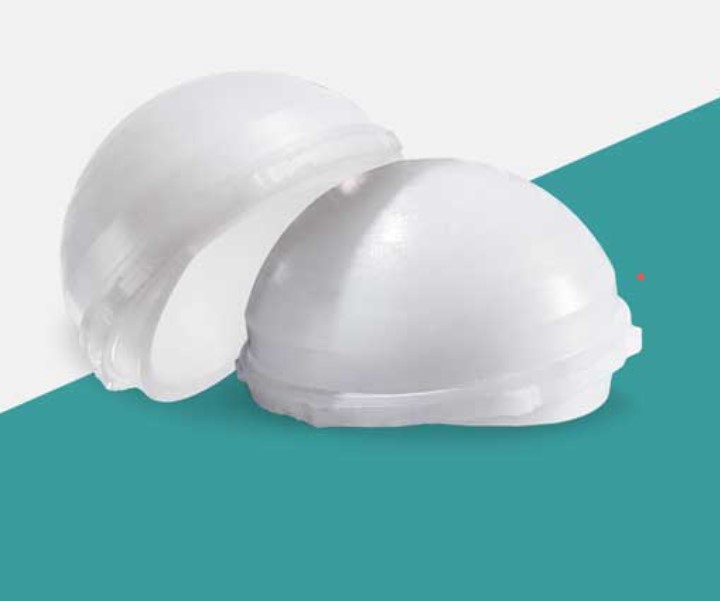 | Joint Replacement Acetabular Cup Liner Manufacturer An Acetabular Cup Liner Manufacturer specializes in producing liners that fit inside the acetabular cup during total hip replacement surgeries. View product → |