A quotation for a cemented THR cup is incomplete if it gives only a diameter and a unit price. You need to establish the cup’s geometry, articulation partners, cement and instrument requirements, traceability, sterility, documentation, and delivery terms before your hospital or distribution business approves the order.
Key takeaways
- Define cup size, geometry, materials, cement fixation and packaging before requesting a quote.
- Confirm the acetabular cup matches the liner, femoral head and stem system.
- Request licences, technical files, batch records and traceability documents.
- Compare sterilisation, shelf life, delivery controls and replacement risk—not just unit price.
Build a complete technical specification before requesting a price
Write the specification before asking for a price. Otherwise, suppliers may quote different designs under the same label: a cemented THR cup is an acetabular component fixed into prepared bone with cement, not a complete hip implant.
| Cemented acetabular cup | Cement-fixed component; articulates with a femoral head | Specify cement-contact surface and head compatibility |
|---|---|---|
| Cemented liner | Insert placed inside a shell | Do not accept it as a cup unless the system is designed for cemented fixation |
| Bipolar cup | Mobile outer component used with a femoral head | A different indication and articulation; not an acetabular cup |
| Uncemented shell | Porous or coated component relying on bone ingrowth or press-fit | Do not substitute for a cemented design |
- State the cup diameter range, shell or cup thickness, internal diameter, articular geometry, rim profile, offset options and permitted femoral-head diameters, clearances and materials.
- Identify the exact cup material. For polyethylene, record resin or grade, consolidation method, sterilization method, shelf life and packaging configuration; ISO 5834-2 compliance alone does not prove wear, oxidation or ageing performance.
- Describe the cement-contact surface, including texture or geometry, and request cement-implant interface rationale or testing, dimensional inspection results, and relevant fatigue and deformation evidence. ISO 21535 addresses hip-joint replacements; ISO 7206-12 addresses acetabular-component deformation.
- Require lot-level traceability from raw material and molding or machining records through sterilization, release inspection and shipment. Link each lot or serial number to the device history and certificate of conformity; a catalogue code cannot support a recall or implant registry.
Confirm compatibility with the complete hip replacement system
Use the manufacturer’s compatibility matrix and the planned construct’s component codes, not nominal size alone. A cemented THR cup must articulate with the specified femoral head and provide the intended cement-mantle fixation; the stem and neck must accept that head and preserve clearance through the planned range of motion.
Request confirmation for each item:
- Femoral head diameter, material, and internal clearance against the cup; a head that appears to match the outside diameter can still create excessive wear or instability.
- Head taper and neck geometry matched to the selected femoral stem; do not combine a head from one hip implants system with a stem from another unless the manufacturer validates that assembly.
- Cup internal diameter tolerances, shell or cup thickness, rim profile, orientation limits, and the specified cement-mantle thickness.
- Bone cement type, viscosity, mixing method, delivery nozzle, and cementing technique used in the cup’s fixation evidence; “cemented” on a label does not prove cement-interface performance.
- Trial cups, femoral-head trials, inserters, impactors, reamers, gauges, and other instruments with matching catalogue or part numbers.
Ask for dimensional inspection results, cement-implant interface testing or its technical rationale, and relevant deformation or fatigue evidence. Check that the quoted cup, head, stem, neck, cement and instruments appear together in the same controlled compatibility document.
If the supplier cannot identify the complete validated combination, treat it as an unapproved mix rather than resolving the gap in the operating room.
Check the manufacturer, evidence and controlled documents
A Mumbai address does not prove that a supplier is the legal manufacturer. Verify the legal holder of the device licence separately from the manufacturing address, then match both against the quality-system certificate, product description, sterilization site and premises shown during an audit. A sales office or exporter address is not manufacturing evidence.
Request these records before approval:
- Device licence naming the legal manufacturer, licensed product family and manufacturing site
- Quality certificate showing the same legal entity and premises; ISO 13485 alone does not prove cup performance
- Controlled product drawing or master specification identifying the quoted cup’s code, dimensions, material, cement-contacting surface and compatible femoral-head sizes
- Sterilization validation, routine release records, sterile-barrier specifications and stated shelf life
- Certificate of conformity for a representative lot, with lot or serial number linked to raw-material, molding or machining, inspection, sterilization and shipment records
- Test reports or a technical rationale covering cement-implant interface suitability, dimensional inspection and relevant fatigue or deformation testing
Check that the evidence concerns the specific cemented acetabular cup, not a different liner, bipolar cup or uncemented shell. ISO 21535 frames hip-joint-replacement requirements, while ISO 7206-12 addresses acetabular-component deformation; cite the test configuration and acceptance result.
For polyethylene, identify the exact grade, consolidation method, sterilization method and packaging, then request wear, oxidation and ageing evidence under ISO 5834-2. A credible cemented THR cup manufacturer in Mumbai should be able to show this controlled chain as a manufacturer of implants, not merely repeat catalogue claims.
Compare procurement, packaging and delivery risk—not only unit price
A lower unit price can become the costlier choice after freight, inspection, quarantine, expired stock and emergency replacement are included. Compare the complete landed offer from each cemented THR cup manufacturer in Mumbai.
| Supplier offer | Questions to resolve | Risk if unanswered |
|---|---|---|
| Unit price | Does it include sterile packaging, documentation, freight, insurance, taxes and replacement of transit-damaged hip implants? | The quoted price understates the purchase cost. |
| Stock and lead time | Is stock available by exact size and lot, or will production begin after the order? What is the minimum order quantity and back-order process? | Surgery schedules or distributor commitments slip. |
| Packaging and storage | Is each cup in an intact sterile barrier system with a protective outer carton, lot number, expiry date and storage instructions? What temperature and humidity limits appear on the label? | A damaged pack or storage excursion can force quarantine. |
| Delivery and receiving | Who selects the carrier, what transport conditions apply, and who accepts loss after dispatch? Can receiving staff verify seal, label, size, lot, expiry and certificate of conformity against the purchase order? | The hospital receives the wrong or compromised component. |
| Service and recall | Who handles complaints, adverse-event reports, field safety notices, recalls, replacements and technical questions? What response time and traceability records are promised? | A defect becomes difficult to isolate or replace. |
Require lot-level traceability from shipment through sterilization and release records, not merely a catalogue code. Reject packs with a broken sterile barrier, illegible identification, moisture damage or an expiry period too short for planned use. Confirm the supplier’s return, credit and replacement terms before issuing the purchase order.
Questions to send a Mumbai supplier before approval
Do not approve the order until the supplier answers in writing and attaches controlled documents. Ask a cemented THR cup manufacturer in Mumbai to provide:
1. The exact cup drawing and specification: size range, shell or cup thickness, internal geometry, rim design, fixation surface, tolerances, material grade, articulating-surface material and cement-contact material.
2. A compatibility matrix naming the approved femoral-head diameters and materials, neck and stem combinations, clearances, instruments, cement restrictor requirements and any liner or modular options. Confirm that the quoted cup is not a bipolar cup, cemented liner or uncemented shell.
3. Evidence for cement fixation, including cement-implant interface testing or technical rationale, dimensional inspection, and relevant fatigue or deformation results. Ask whether testing addresses ISO 21535 and ISO 7206-12; ISO 13485 certification alone does not prove cup performance.
4. The bone-cement specification separately: product identity, applicable ISO 5833 status, mixing method, working time, setting time, radiopacity and storage conditions. Do not accept an unapproved cement substitution.
5. The legal manufacturer’s name, licence holder, manufacturing address, audited premises, quality-system certificate, product description, sterilization site and certificate of conformity. Komal Health Care Pvt Ltd should be asked to show that these records identify the same device, not merely a Mumbai sales address.
6. A sample lot record showing raw material, molding or machining, release inspection, sterilization, shipment and lot or serial-number links. Request packaging integrity, shelf-life, storage, recall and implant-registry instructions.
Have clinical, biomedical and procurement reviewers sign off against the same document set before issuing the purchase order.
Related product
Frequently asked questions
What should you specify before buying a cemented THR cup?
Specify the cup’s size range, geometry, material, cement-fixation features, intended system, packaging, sterilisation status and required documents before requesting a price.
How do you confirm a cemented acetabular cup is compatible with a hip replacement system?
Match the cup with the approved liner or bearing surface, femoral head diameter, stem system, instrumentation and surgical technique documents. Do not rely on the product name alone.
Which documents should you request from a Mumbai manufacturer of implants?
Request the applicable manufacturing licence, technical specifications, drawings, material information, sterilisation records, shelf-life evidence, batch traceability and quality-control documents.
How should you compare suppliers beyond the unit price?
Compare minimum order quantities, lead time, packaging integrity, sterilisation status, shelf life, batch documentation, delivery controls, replacement handling and the cost of delays or rejected goods.
Related product
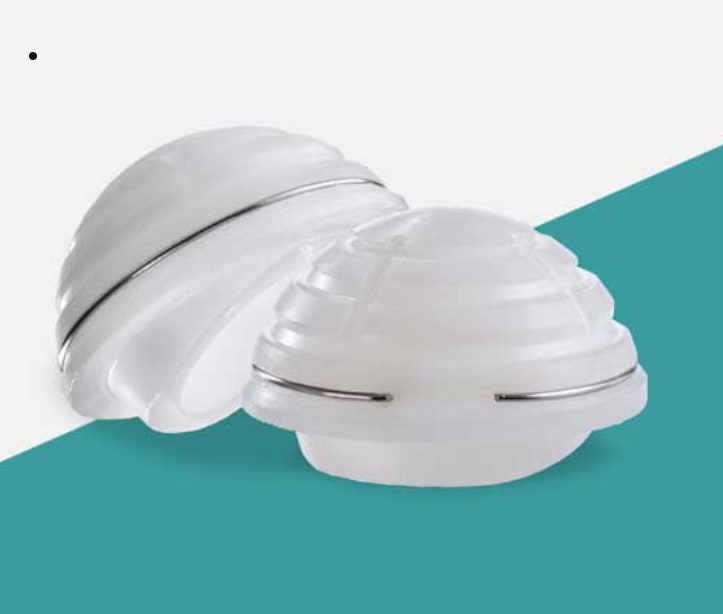 | Joint Replacement Acetabular Cup Cemented Manufacturer An Acetabular Cup Cemented Manufacturer produces acetabular components specifically designed for cemented fixation in total hip replacement... View product → |