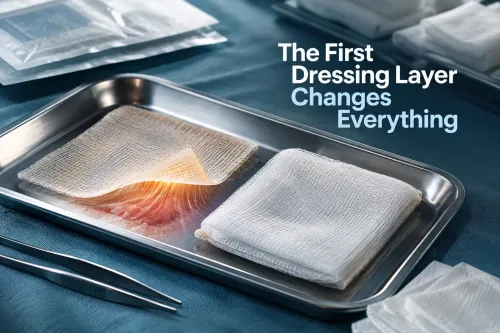
A bipolar component can remain within its expiry date yet become unsuitable because its sterile barrier was opened, crushed, wet, overheated or exposed to an unknown condition. By following a documented receiving, storage, rotation and preoperative inspection process, staff can protect the implant, preserve traceability and make a clear quarantine decision when something is wrong.
Key takeaways
- Follow each component’s current IFU instead of relying on a generic room-temperature rule.
- Keep validated packaging sealed and record sterile status, batch number and expiry date.
- Rotate stock by expiry date without losing lot or implant traceability.
- Quarantine damaged packaging or surfaces and obtain a documented disposition before surgery.
Set up the storage area around the device’s IFU
Protect bipolar components by building bipolar prosthesis storage and care around each device’s current manufacturer instructions for use (IFU), not a generic “room-temperature” rule. The IFU controls the cup, head, stem, liner or modular adapter’s permitted environment and packaging requirements.
1. Record each IFU’s temperature and relative-humidity limits, light restrictions, shelf-life statement and sterilization status. Keep the current IFU with the inventory record so prosthesis storage guidance remains tied to the correct component.
2. Monitor the room with a calibrated data logger, or a calibrated min/max thermometer and hygrometer. Name the person who reviews readings and define the review frequency; document temperature, humidity and every condensation event.
3. Store packages on clean shelving with full-footprint support, above the floor and away from damp walls, sinks, leaking pipes, direct sunlight, dust, pests, chemicals, splash and unnecessary traffic. Leave air space around cartons instead of pushing them against a wall.
Do not place heavy cartons on implant packages: compression can crush trays, inserts and seals without leaving a visible hole.
4. If the room freezes, overheats, becomes unusually humid or develops condensation, quarantine affected stock immediately. Follow the manufacturer’s excursion guidance or obtain quality support; do not release the component because it is metal. Heat, moisture and freezing can damage packaging, labels or polymeric parts while the metal still appears normal.
Keep the validated package closed and identify sterile status
Keep every sterile bipolar component in its original validated sterile-barrier system until point of use. Inspect the closed carton, tray and inner pouch from the outside; opening a carton for display, counting or routine inspection can defeat the validated packaging configuration even when the inner pouch looks clean.
1. Store each component in its supplied tray or pouch. Do not place cups, heads, stems or adapters loose in a bin, where they can strike one another or lose their identity.
2. Mark and physically segregate stock supplied sterile from stock supplied non-sterile. A non-sterile component must follow its current manufacturer’s IFU and the hospital’s validated processing route before implantation. Do not infer a steam cycle from stainless steel alone: liners, coatings, modular interfaces, packaging and included instruments can have different limits.
3. Keep alcohol, bleach, detergent, oil, adhesive labels and marker ink off the implant and package. Residue can damage materials or leave contamination; labels and ink can obscure lot, expiry or reference information.
4. Do not automatically resterilize a sterile item removed from its carton during a stock check or found near an opened package. Authorize reprocessing only when the labeling, IFU and complete validated facility process cover the implant, packaging, load configuration and sterility assurance requirements.
5. If a sterile package is opened in the operating room and the component is not implanted, do not re-shelve it automatically. Quarantine or discard it when sterility, identity, contamination status or package integrity cannot be established.
This bipolar implant care procedure is central to prosthesis storage guidance: the component’s own current IFU determines whether its packaging and sterile status remain acceptable.
Rotate stock by expiry date and preserve traceability
A documented first-expire, first-out system prevents older components from being buried behind newer stock. It also makes bipolar implant care auditable when a recall or postoperative investigation begins.
1. Arrange shelves by implant reference number, cup or head diameter, stem size, offset, laterality and bearing configuration. Keep each size and configuration physically separated, and place newer-dated packages behind earlier-dated packages.
2. At receiving and before issue, match the printed use-by date, lot or batch number, implant reference number, sterilization status and package identity with the inventory record. Separate components nearing expiry for review instead of allowing them to remain in routine stock.
3. Record the lot or batch number when the component leaves storage and again in the patient’s implant record at implantation. Use a barcode scan or two-person check when a bipolar head, shell, liner, taper or adapter could look similar but be incompatible.
4. Never apply a label over the original expiry date, lot number, sterilization indicator or reference number. If a label is missing, smeared, detached or inconsistent with the record, quarantine the component until its identity and status are confirmed.
5. Treat an in-date component with torn, wet, punctured or otherwise compromised packaging as unusable stock. Keep it quarantined, because bipolar prosthesis storage and care records must distinguish expiry control from package-integrity failure. These records support recall response and investigation of a postoperative problem.
Handle components without damaging their functional surfaces
Prevent damage during bipolar hip implant handling by controlling where you grip, place and return every component. Use clean hands or clean gloves as required by the facility’s sterile-transfer procedure. Hold each component only by its nonarticulating exterior or designated handling area.
1. Keep polished bearing surfaces, tapers, locking features, and porous or coated surfaces untouched. Never slide an implant across a metal shelf or instrument table; lift it clear and place it in its supplied tray or a clean designated support.
2. Keep cups, heads, stems, liners and modular adapters in identified trays or compartments. Separate them by size, offset, laterality and system so a visually similar part cannot enter the wrong set.
3. Never use an implant as a test piece for instrument fit, trial reduction, impact testing or taper compatibility. Do not bend, impact, assemble or disassemble it outside the steps authorized by the current IFU.
4. Segregate any component that is dropped, scratched, struck, assembled incorrectly or contacted by an unapproved instrument. Do not return it to stock after a visual check; send it for manufacturer or clinical-engineering disposition.
5. If a sterile package is wet, do not dry and reuse it. Moisture can compromise the sterile barrier and conceal contamination. Quarantine the package and document the event when the source or exposure duration is unknown.
This bipolar implant care procedure protects functional surfaces and traceability; a clean-looking component does not prove that an impact, contamination or mix-up did not occur.
Inspect before surgery and decide what happens after damage
A bipolar component can proceed to the operating room only when its unopened package, identity and sterile status all pass the final check.
1. Inspect the carton, tray and pouch without opening them. Reject from usable stock any torn pouch, puncture, broken seal, delamination, crushed carton or corner, moisture, or suspected package damage. Check that the label is present and unaltered, and that the sterilization indicator is present and consistent with the device IFU.
2. Match the reference number, size, lot or batch number, expiry date and sterile or non-sterile status to the surgical schedule and implant record. An in-date component with damaged packaging or an identity mismatch is not acceptable stock.
3. Remove failed items from inventory and place them in a clearly marked quarantine area. Wiping, taping or relabeling cannot restore a validated sterile barrier, so document the defect and request authorized disposition.
4. If staff open a sterile package in the operating room and do not implant the component, do not automatically re-shelve it. Follow the IFU and sterile-processing policy; quarantine or discard it when sterility, identity, contamination status or package integrity cannot be established.
Do not clean, reprocess or resterilize a damaged or opened component unless the manufacturer authorizes it and a validated hospital process covers the device, packaging, load and sterility assurance. This rule is central to bipolar prosthesis storage and care and bipolar hip implant handling.
When receiving stock from Komal Health Care Pvt Ltd, retain the supplied IFU and packaging records to resolve identity questions and disposition decisions against the correct device configuration.
Related products
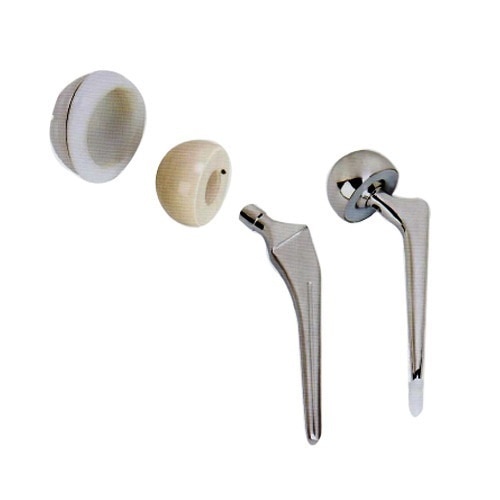 | Bipolar Hip Prosthesis We are manufacturer of Bipolar Prosthesis . Fix Bipolar and Modular Bipolar. Cup Size : 37 mm to 55 mm with 2 mm variation Material : S.S.316 L/LVM View product → |
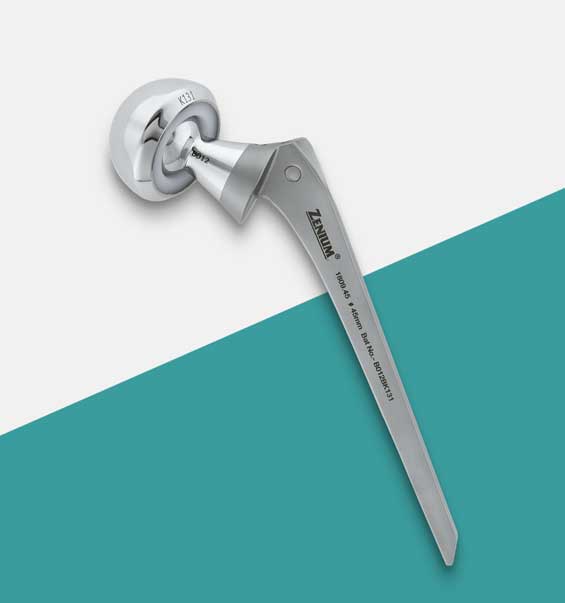 | Joint Replacement Bipolar Prosthesis (Non Fenestrated) Manufacturer The Bipolar Prosthesis (Non-Fenestrated) is a type of hip implant commonly used in hemiarthroplasty procedures, especially for treating femoral neck... View product → |
Frequently asked questions
How should you set up storage for bipolar prosthesis components?
Build the storage area around each component’s current manufacturer IFU, including its temperature, humidity, light, packaging and handling requirements. Do not substitute a generic room-temperature rule.
How do you protect the sterile status of a bipolar prosthesis?
Keep the validated package closed, dry and intact. Identify sterile status from the packaging label and quarantine any package with a broken seal, puncture, tear or unclear status.
How should hospitals rotate and track bipolar implant stock?
Use expiry-date rotation, placing the earliest-expiring unopened packages for first use. Preserve the product name, size, batch or lot number, serial number when present, expiry date and storage-location records.
What should happen when a bipolar component or package is damaged?
Do not use it. Separate and label the item, document the damage, preserve its traceability information and follow the facility’s quality procedure or manufacturer’s instructions for disposition.
Related products
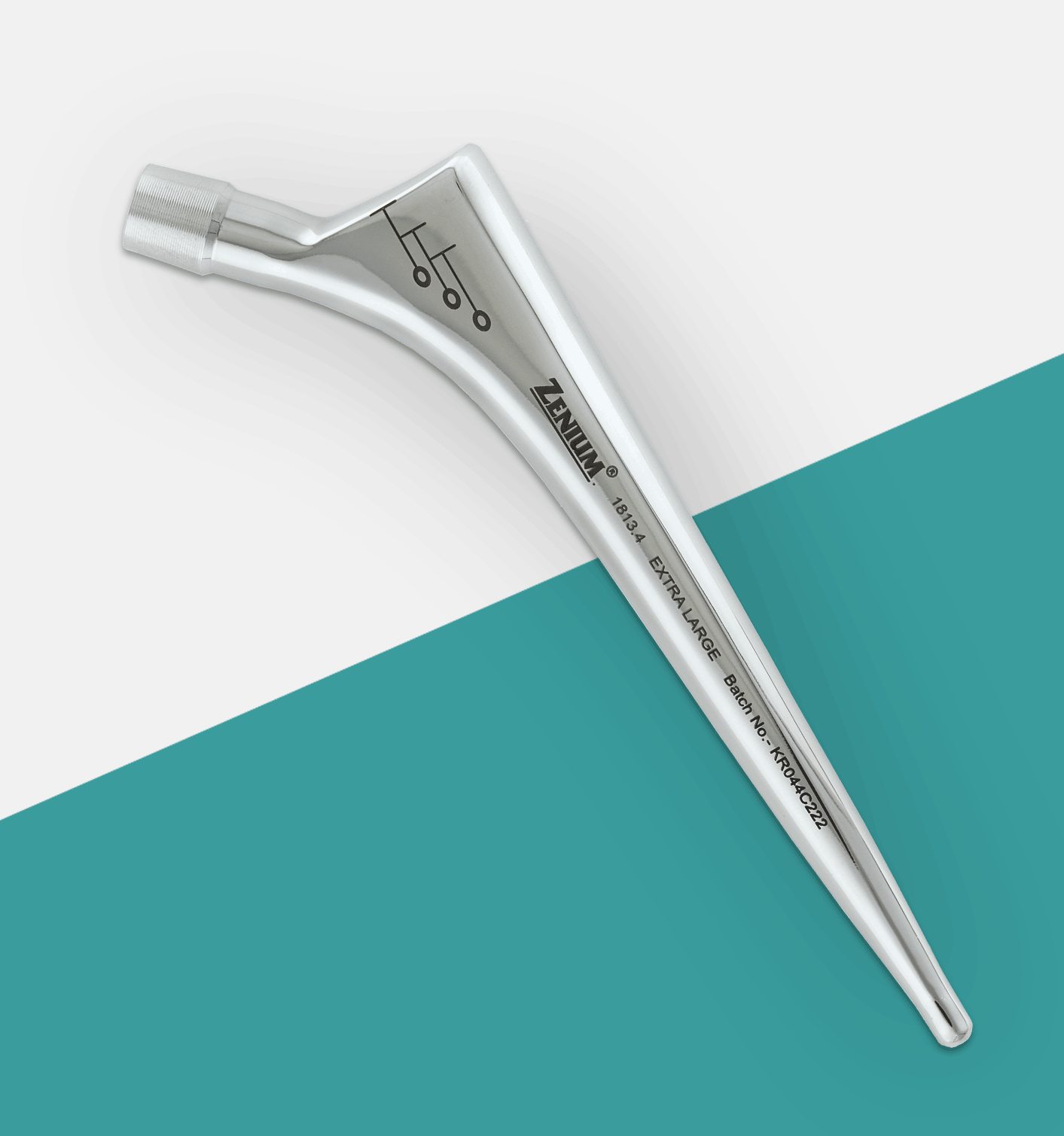 | Joint Replacement Bipolar Modular Stem (Cemented) Manufacturer The Bipolar Modular Stem (Cemented) is an orthopedic implant used in hip replacement surgeries, especially for elderly patients with fractured or... View product → |
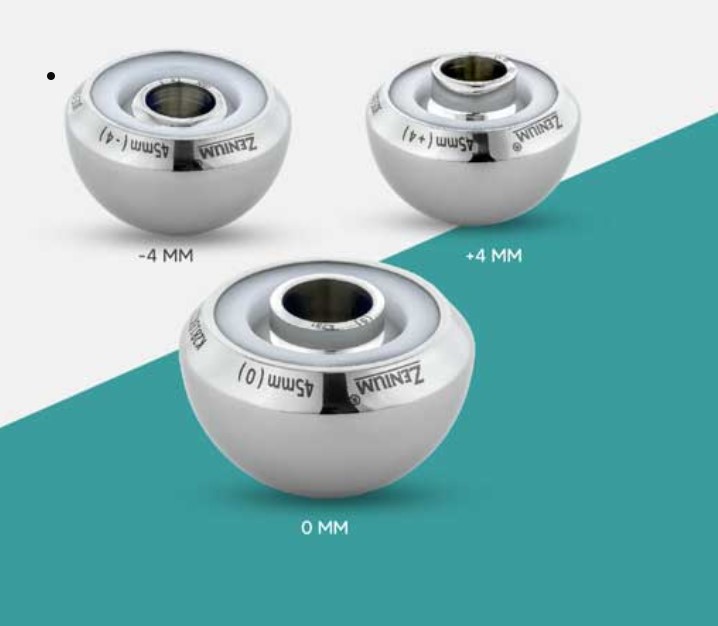 | Joint Replacement Modular Bipolar Cup (With Head) Manufacturer The Modular Bipolar Cup (With Head) is an advanced hip implant system used in hemiarthroplasty procedures, particularly for treating femoral neck... View product → |
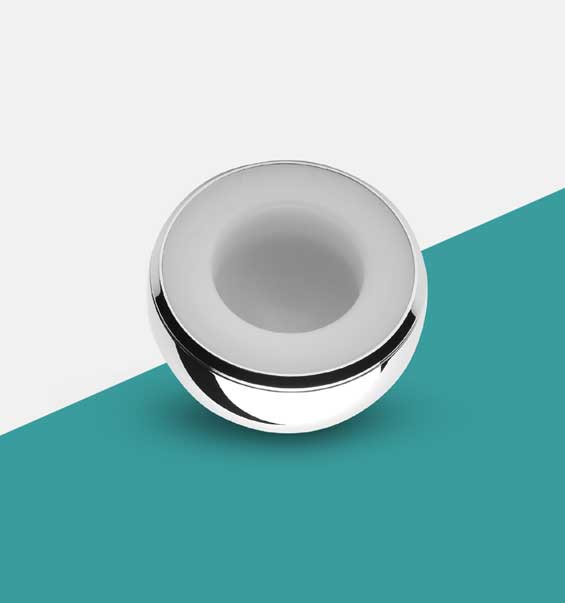 | Joint Replacement Modular Bipolar Cup Manufacturer A Modular Bipolar Cup Manufacturer specializes in producing advanced orthopedic components used in hip replacement surgeries. View product → |
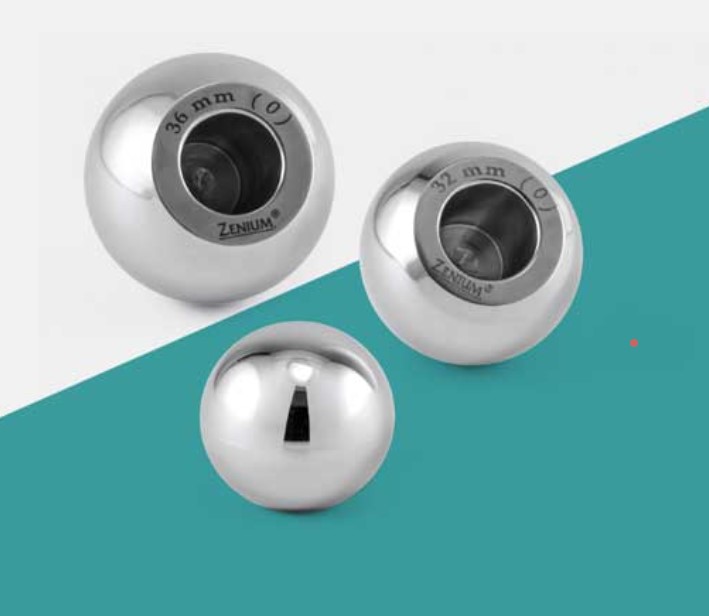 | Joint Replacement An Internal Head Manufacturer specializes in producing internal femoral heads used in hip replacement systems. View product → |