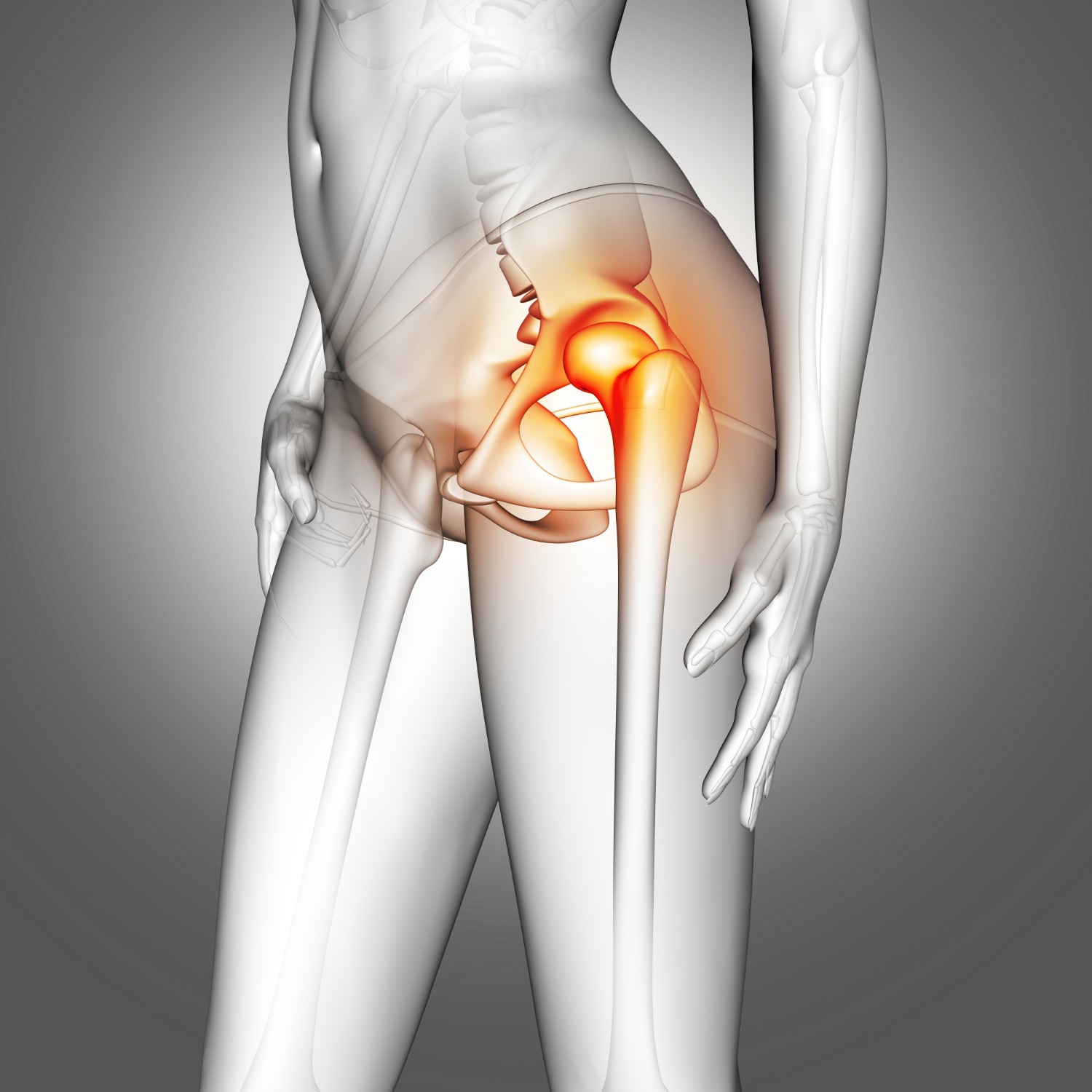
An Uncemented Stem in Chile is designed for hip replacement procedures where the femoral component achieves initial fixation through a press-fit technique rather than bone cement. Over time, the implant surface is intended to support biological fixation through contact with the surrounding bone.
This makes stem geometry, surface characteristics, dimensional accuracy, and size availability important procurement considerations. An uncemented stem should not be selected simply because it represents a cementless option. The surgeon must assess bone quality, femoral anatomy, operative requirements, and the overall implant system before deciding whether it is appropriate.
Healthcare buyers commonly ask:
- Which stem sizes are available?
- Are matching femoral heads supplied?
- Is the system suitable for primary or revision procedures?
- Are trial components and instruments available?
- How are product batches identified and packaged?
Uncemented femoral components may include tapered, porous-coated, modular, or other design variations. Initial stability is especially important because excessive movement can interfere with successful fixation.
For hospitals and medical distributors in Chile, system compatibility deserves equal attention. A stem may need to work with an internal head, modular cup, acetabular liner, and procedure-specific instrumentation. Confirming these details before ordering can reduce last-minute procurement gaps and help operating teams prepare more efficiently.
Komal Health Care Pvt Ltd offers hip implant components for customers seeking coordinated orthopaedic product sourcing. Its range supports enquiries involving femoral stems, heads, cups, bipolar systems, and related THR instruments.
Discuss your Uncemented Stem requirements with the team to review sizes, complementary components, packaging details, and export supply support for Chile.