A bipolar hemiarthroplasty can fail through ordinary arthroplasty problems such as dislocation, infection, fracture, loosening and inaccurate reconstruction, while its inner bearing adds less common mechanical risks. By separating those failure modes from acetabular wear and patient-selection concerns, you can identify warning signs, compare hemiarthroplasty with total hip replacement and check whether the implant and surgical plan fit the patient.
Key takeaways
- Investigate new groin pain for acetabular erosion or inner-bearing failure.
- Treat dislocation, infection, fracture and neurovascular injury as urgent complications.
- Choose bipolar hemiarthroplasty only when the acetabulum and patient factors support it.
- Match stem design, offset, leg length and fixation method to femoral anatomy.
Which problems can occur after bipolar hemiarthroplasty?
After bipolar hemiarthroplasty, monitor for early dislocation, infection, fracture, nerve or blood-vessel injury, thrombosis, leg-length inequality and severe wound or thigh pain. Later problems include loosening, stem subsidence, abductor weakness, offset error, persistent groin pain and acetabular cartilage erosion.
| Timing | Problems to monitor | What may signal trouble |
|---|---|---|
| Early | Dislocation, periprosthetic fracture, infection, nerve injury, venous thromboembolism, leg-length or offset error | A shortened or rotated leg, sudden pain, fever, drainage, calf swelling, new foot weakness or inability to bear weight |
| Late | Loosening, subsidence, abductor insufficiency, acetabular erosion, migration or protrusio | Increasing groin or thigh pain after initial recovery, limp, reduced walking distance or a changing leg length on serial radiographs |
The bipolar mechanism adds specific mechanical risks that a unipolar head does not have. Polyethylene-liner wear, loss of motion at the inner bearing, failure of its locking mechanism and intraprosthetic dislocation can separate the inner head from the outer shell; dissociation can require open revision.
Do not forcefully attempt closed reduction when radiographs suggest a dissociated component, because the maneuver can worsen damage.
The outer shell also does not guarantee less acetabular wear: much hip motion can occur at the inner bearing, while younger, heavier or active patients face greater cumulative loading. These bipolar prosthesis problems and other bipolar hip prosthesis complications can eventually require conversion to total hip arthroplasty.
How can acetabular erosion and inner-bearing failure be recognised?
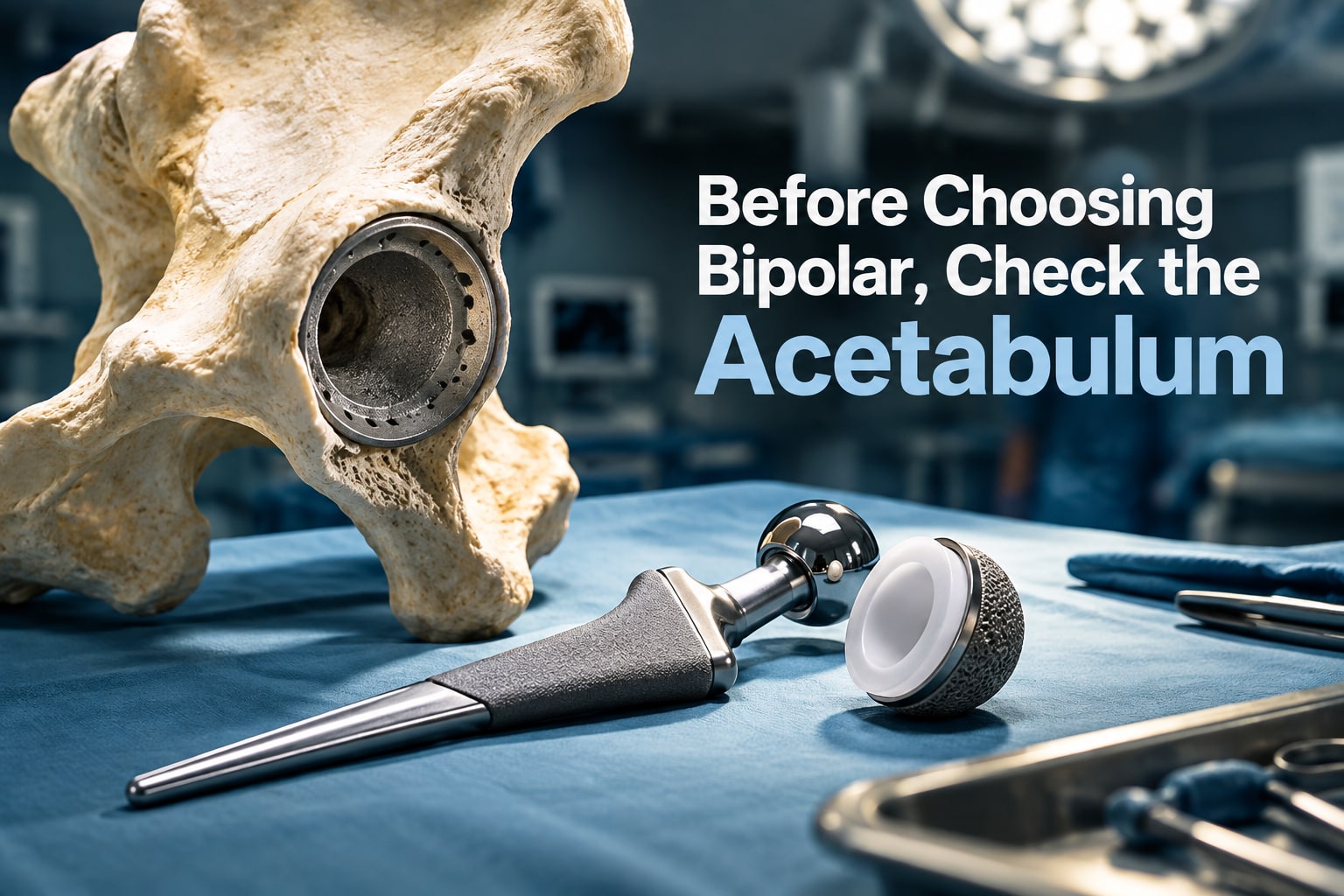
Progressive groin pain after the initial recovery raises concern for acetabular cartilage erosion, not just routine postoperative soreness. Repeated loading thins the cartilage, narrows the joint space, and allows the bipolar head to migrate superiorly or medially. Continued medial migration can produce protrusio, in which the head approaches or crosses the acetabular inner wall.
Younger, heavier, more active patients and those with pre-existing cartilage disease face greater risk.
| Expected postoperative pain | Concerning acetabular change |
|---|---|
| Improves steadily over weeks | New or worsening groin pain after improvement |
| Soreness linked to the incision or thigh | Deep pain with loading, limp, or reduced hip motion |
| No progressive change in leg length | Leg-length change or medial/superior head migration |
Compare serial anteroposterior pelvis radiographs rather than relying on one postoperative film. Look for progressive joint-space loss, head migration, protrusio, polyethylene-liner wear, stem subsidence, or a changing relationship between the inner and outer components.
Bipolar prosthesis concerns also include inner-bearing wear, loss of internal motion, locking-mechanism failure, and dissociation of the bipolar head. These bipolar hip prosthesis complications can cause sudden pain, instability, abnormal shortening, or a visibly displaced component. Do not forcefully attempt closed reduction when dissociation is suspected; it can worsen component damage and require open revision.
When is bipolar hemiarthroplasty the wrong choice?
A bipolar hemiarthroplasty is the wrong choice when the native acetabulum is already painful or damaged, or when a young, active patient is likely to outlive the implant’s bearing surfaces. The decision is not based on age alone: life expectancy, mobility, cognition and the ability to follow precautions all matter.
- Choose total hip arthroplasty for a cognitively intact, independently mobile patient with high activity demands and a long projected survival, after weighing its longer operation, higher dislocation risk and greater perioperative-management burden.
- Avoid bipolar hemiarthroplasty when radiographs or symptoms show acetabular osteoarthritis, inflammatory arthropathy, dysplasia, avascular damage, joint-space loss or other substantial cartilage loss. The preserved acetabulum is not a dependable bearing surface in these conditions.
- Treat younger, heavier or highly active patients cautiously because repeated loading can produce cartilage erosion, migration or protrusio and later conversion to total hip arthroplasty.
- Use the fracture pattern as a boundary: a displaced intracapsular femoral-neck fracture with a usable acetabulum suits hemiarthroplasty, whereas an associated acetabular fracture or destructive acetabular disease favours total hip reconstruction.
- Cognitive impairment, low demand and limited life expectancy often favour bipolar hemiarthroplasty because a shorter operation and lower dislocation burden may outweigh long-term bearing concerns. Severe frailty can still make either operation unsuitable without broader medical assessment.
These bipolar implant selection issues explain why a theoretical reduction in acetabular wear does not settle the choice. In vivo, motion often occurs at the inner bearing, while hemiarthroplasty implant problems can still lead to painful erosion and revision.
How should the implant and femoral reconstruction be selected?
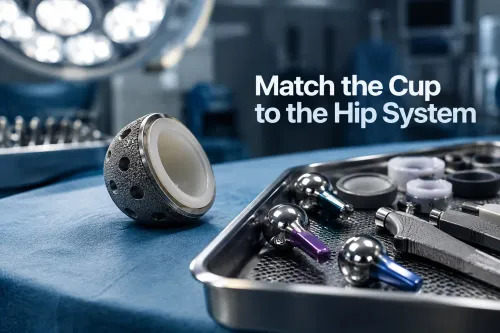
Size the outer cup from the excised femoral head and trial it against the acetabulum: it must seat without force, impingement or excessive laxity. An oversized cup can increase acetabular loading; an undersized cup can reduce stability.
Restore the neck cut, leg length, femoral anteversion, offset and abductor tension together, because a correctly sized head cannot correct poor femoral reconstruction.
Choose the stem for canal geometry, bone quality and required press-fit or cement mantle, not age alone. In older adults with displaced intracapsular fractures, cemented fixation often reduces early subsidence and periprosthetic fracture, but demands controlled cementing because bone-cement implantation syndrome is possible.
An uncemented stem needs reliable canal fill; excessive insertion force can fracture osteoporotic femur, while insufficient fixation causes thigh pain or subsidence.
- Confirm that the neck length and offset restore tension without lengthening the limb or creating impingement.
- Match the femoral head, taper, liner and locking ring as one validated system.
- Trial stability through the intended range before final assembly.
- Record the implant sizes and retain compatible revision options.
| Workflow | Advantage | Main risk and consequence |
|---|---|---|
| Fix bipolar | Fewer assembly steps and less implant inventory | Limited intraoperative adjustment; a poor initial reconstruction can require stem revision |
| Modular bipolar | Adjusts head size, neck length and offset during trialling | More components create wrong-part, incomplete-locking and dissociation risks |
| Cemented stem | Immediate fixation in suitable bone | Cementing complications and later cement removal during revision |
| Uncemented stem | Avoids cement implantation | Fracture, subsidence and later revision in weak bone |
Komal Health Care Pvt Ltd’s system documentation should be checked for compatible components, instruments and revision interchangeability before surgery; catalogued dimensions alone do not prove compatibility. These checks address common bipolar implant selection issues and prevent avoidable hemiarthroplasty implant problems.
Related products
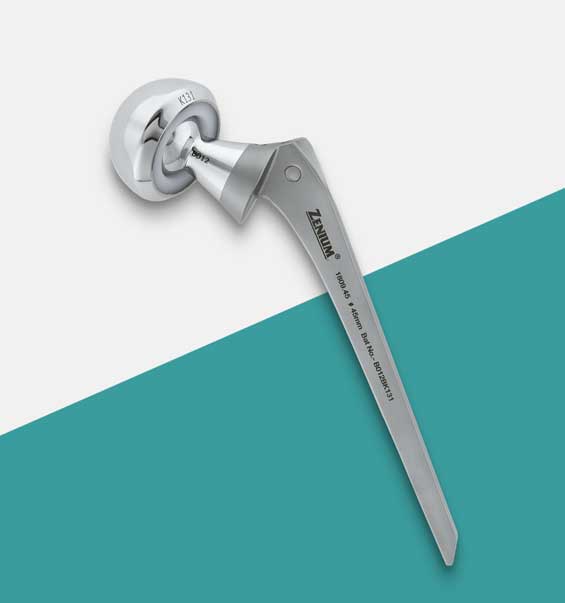 | Joint Replacement Bipolar Prosthesis (Non Fenestrated) Manufacturer The Bipolar Prosthesis (Non-Fenestrated) is a type of hip implant commonly used in hemiarthroplasty procedures, especially for treating femoral neck... View product → |
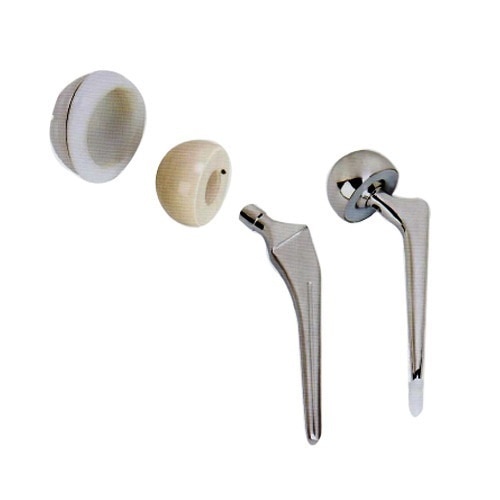 | Bipolar Hip Prosthesis ₹3500 We are manufacturer of Bipolar Prosthesis . Fix Bipolar and Modular Bipolar. Cup Size : 37 mm to 55 mm with 2 mm variation Material : S.S.316 L/LVM View product → |
How should suspected failure be investigated and managed?
New or worsening groin or thigh pain, a limp, reduced motion, leg-length change or a sudden loss of function warrants investigation. Do not judge suspected bipolar prosthesis problems from one postoperative film or pain severity alone; correlate the symptoms with examination and serial radiographs.
- Ask when the pain began, whether it follows a fall, and whether clicking, instability, fever or wound drainage is present.
- Examine gait, leg length, hip motion, abductor strength, neurovascular status and signs of dislocation or fracture.
- Compare current anteroposterior pelvis and lateral hip radiographs with earlier images for joint-space loss, acetabular migration, protrusio, liner wear, stem subsidence, radiolucent lines, loosening or fracture.
- Order blood tests and hip aspiration when infection is suspected; do not assume loosening explains pain until periprosthetic joint infection is assessed.
- Treat an acute dislocation or periprosthetic fracture urgently, and obtain specialist review before forceful reduction if the bipolar head may have dissociated.
Observation with repeat clinical review and radiographs fits mild symptoms without progression. Progressive subsidence, loosening, recurrent instability, infection, periprosthetic fracture or painful acetabular erosion can require revision. Migration, protrusio or severe cartilage loss often makes conversion to total hip arthroplasty more appropriate than exchanging only the bipolar component.
Polyethylene-liner wear or intra-prosthetic dislocation may need open revision. These bipolar prosthesis concerns deserve prompt referral, because delayed treatment can increase bone loss and complicate reconstruction.
Frequently asked questions
Which problems can occur after bipolar hemiarthroplasty?
Early complications include dislocation, infection, periprosthetic fracture, nerve or vessel injury, thrombosis, leg-length inequality and wound or thigh pain. Later problems include loosening, stem subsidence, abductor weakness, offset error, persistent groin pain and acetabular cartilage erosion.
How can acetabular erosion and inner-bearing failure be recognised?
Progressive groin pain, reduced walking tolerance, restricted motion or painful rotation can indicate acetabular erosion. Inner-bearing failure may cause mechanical clicking, catching, instability or loss of the expected bipolar movement. Examine the patient and compare serial radiographs; investigate other causes before confirming failure.
When is bipolar hemiarthroplasty the wrong choice?
Avoid it when the acetabular cartilage is damaged, inflammatory or degenerative disease affects the joint, the patient has substantial pre-existing groin pain, or functional demands make total hip arthroplasty more suitable. Severe bone loss or an unsuitable femoral canal also changes the reconstruction plan.
How should the implant and femoral reconstruction be selected?
Assess acetabular cartilage, femoral anatomy, bone quality, offset, leg length, abductor function, activity level and fracture pattern. Select stem geometry, head size, neck length and cemented or uncemented fixation to restore stable anatomy without excessive tension.
How should suspected bipolar prosthesis failure be investigated and managed?
Take a history and examine gait, leg length, stability, abductor strength and neurovascular status. Obtain standing anteroposterior pelvis and lateral hip radiographs, compare earlier images, and add laboratory tests, aspiration or CT when infection, loosening, fracture or component failure remains possible. Management ranges from observation and rehabilitation to revision surgery based on the confirmed cause.
Related products
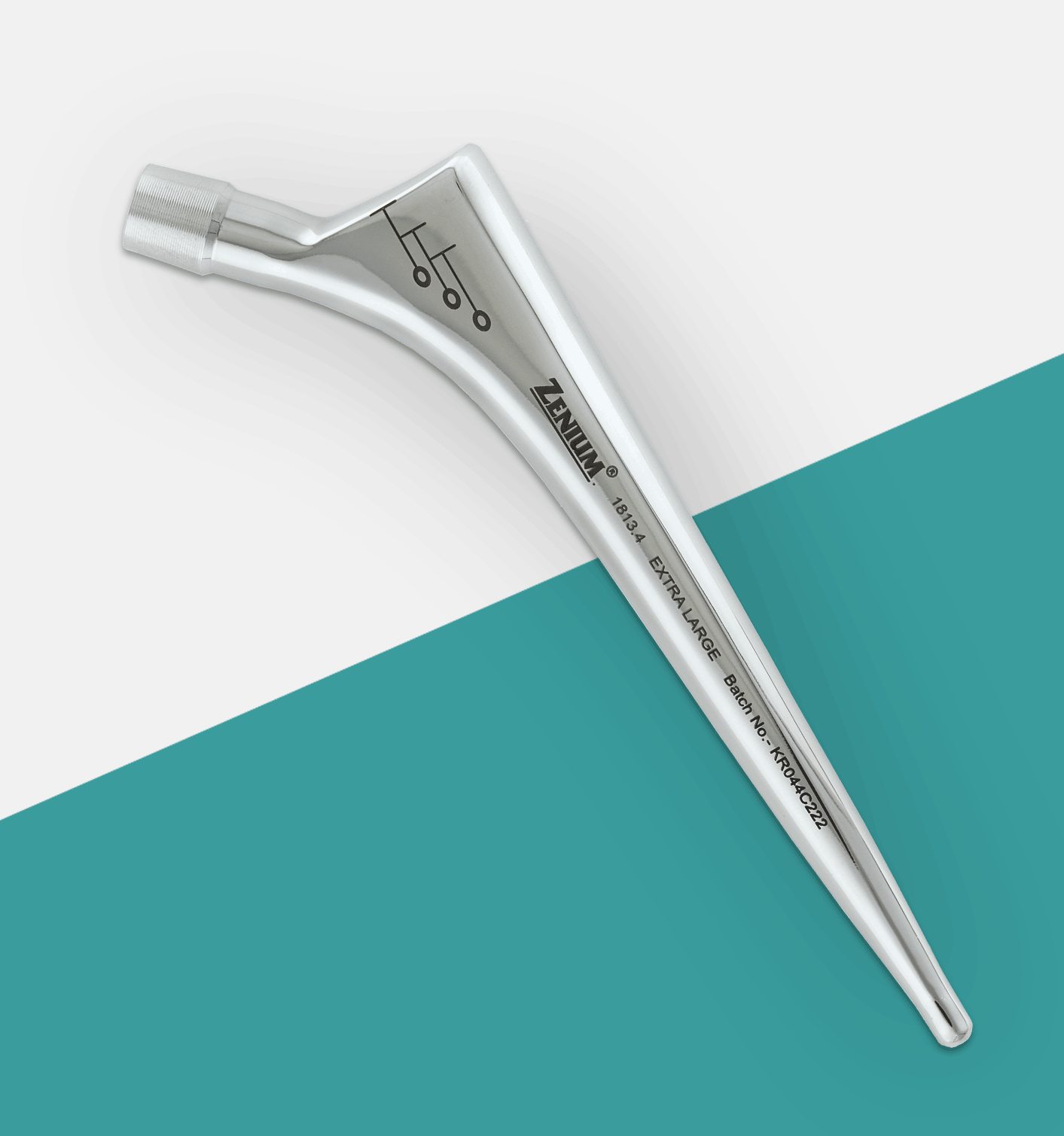 | Joint Replacement Bipolar Modular Stem (Cemented) Manufacturer The Bipolar Modular Stem (Cemented) is an orthopedic implant used in hip replacement surgeries, especially for elderly patients with fractured or... View product → |
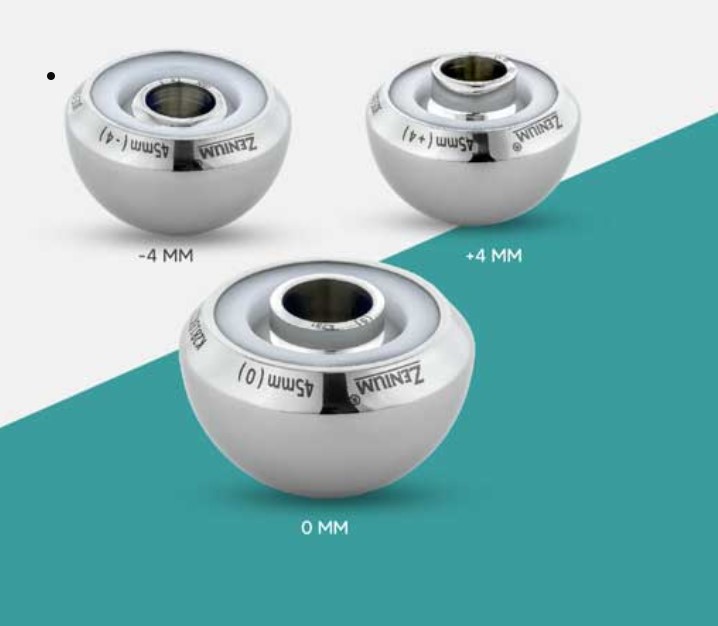 | Joint Replacement Modular Bipolar Cup (With Head) Manufacturer The Modular Bipolar Cup (With Head) is an advanced hip implant system used in hemiarthroplasty procedures, particularly for treating femoral neck... View product → |
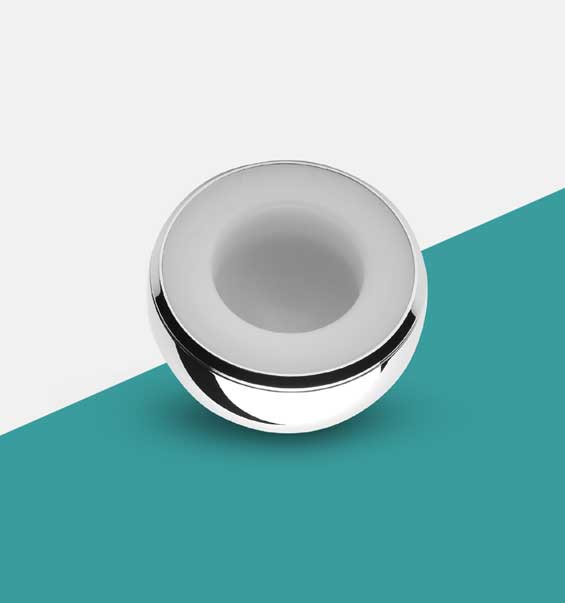 | Joint Replacement Modular Bipolar Cup Manufacturer A Modular Bipolar Cup Manufacturer specializes in producing advanced orthopedic components used in hip replacement surgeries. View product → |
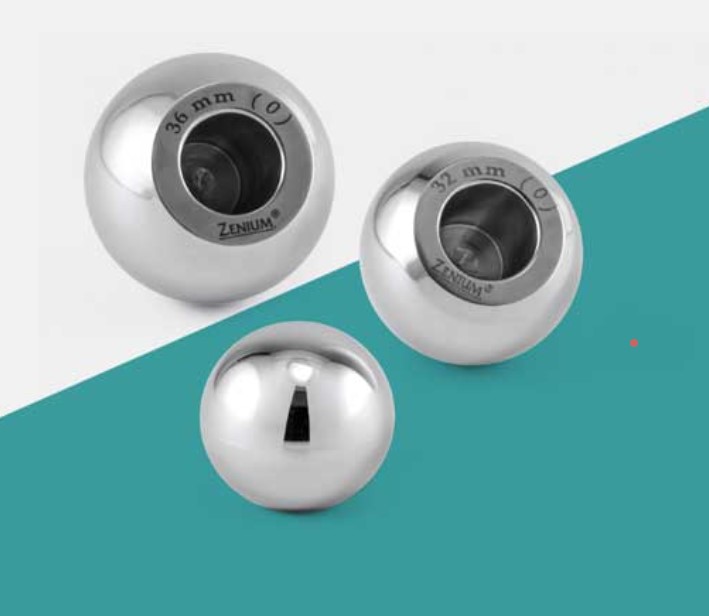 | Joint Replacement An Internal Head Manufacturer specializes in producing internal femoral heads used in hip replacement systems. View product → |