A total hip replacement is not one interchangeable product: the shell, liner, femoral head and stem form a matched mechanical system. By separating each component, comparing bearing and fixation choices, and checking catalogue-level compatibility, you can evaluate quotations and local availability without treating equal diameters as proof of interchangeability.
Key takeaways
- Match the liner diameter, locking design and bearing couple to the shell.
- Confirm fixation type, shell size range and femoral head dimensions before ordering.
- Request lot traceability, sterilisation records and regulatory documents from suppliers.
- Compare instrument support and component compatibility, not brochure claims alone.
What each total hip replacement component does
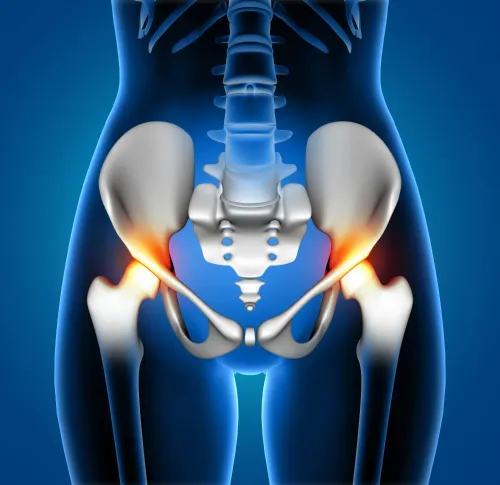
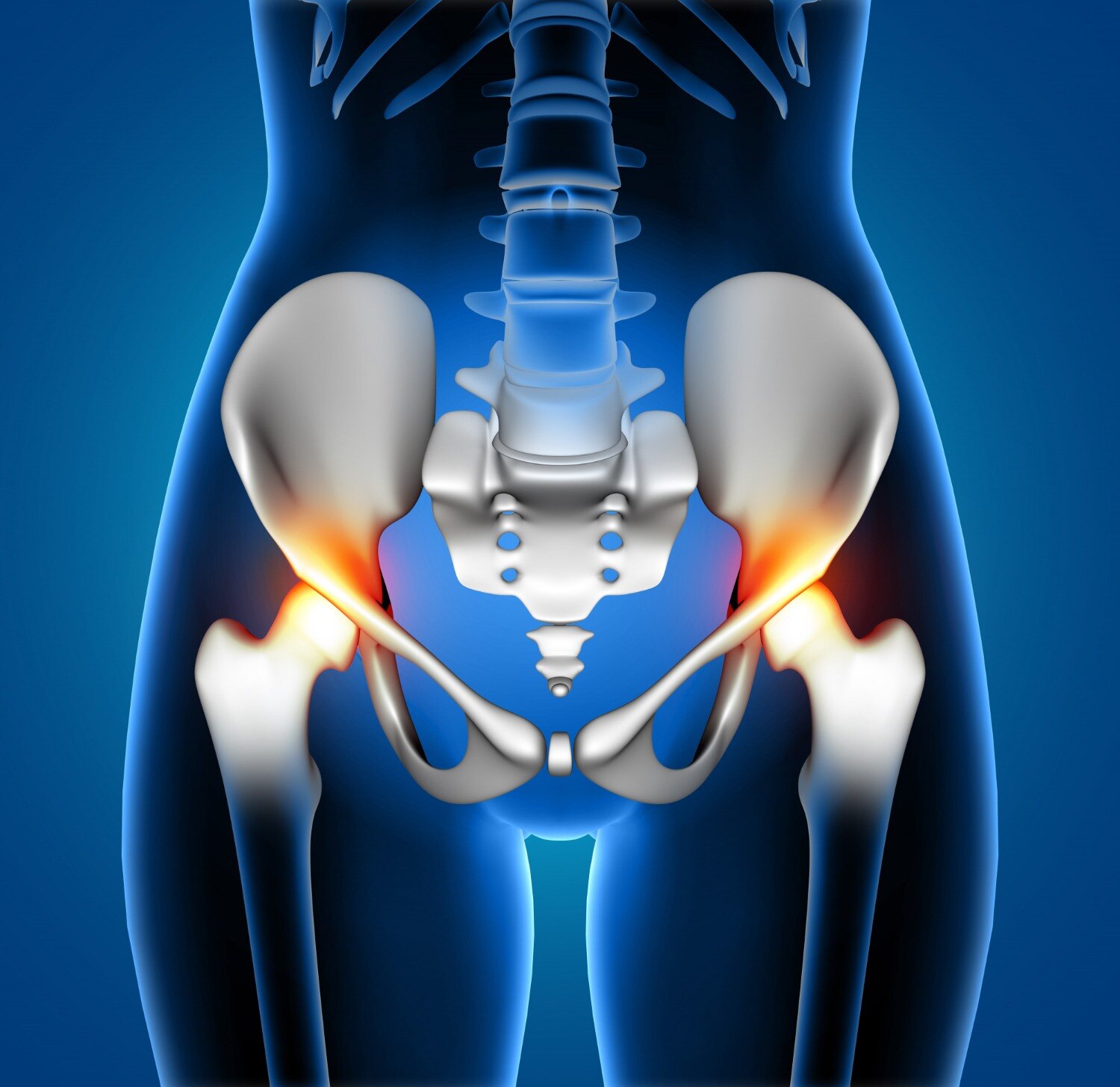
The acetabular shell anchors in the prepared pelvis, while the liner locks inside it to create the smooth socket surface. The femoral head moves against that liner, and the femoral stem carries the head and transfers body weight into the thigh bone.
- Acetabular shell: The metal cup sits in the acetabulum and gains fixation through bone ingrowth, screws, or cement, depending on the design. Its size, rim profile and locking geometry determine which liners it can accept.
- Acetabular liner: This insert fits inside the shell and provides the bearing surface for the femoral head. Its locking features must match that exact shell; a liner with the same nominal diameter can still be mechanically incompatible.
- Femoral head: The head articulates with the liner as you walk, sit and rotate. Its diameter affects stability and motion, while its taper must match the stem’s specified trunnion geometry; a diameter match alone does not make it interchangeable.
- Femoral stem: The stem fixes inside the femur and supports the head through its neck and taper. It transfers joint loads down the femoral canal, with offset and neck length affecting soft-tissue tension and leg mechanics.
Together, these total hip replacement components form one validated system, not a collection of interchangeable parts. For anyone sourcing an acetabular cup liner or total hip replacement components in Mexico City, verify the manufacturer’s approved shell–liner–head–stem combination rather than relying on catalogue diameter alone.
How liner materials and bearing couples compare
A lower-wear bearing is not automatically the best choice. Compare the femoral-head material, head diameter, taper, liner thickness and locking mechanism with the patient’s instability risk, bone quality, activity level and likely revision pathway.
| Bearing couple | Wear and damage profile | Main risks and trade-offs | Revision and cost |
|---|---|---|---|
| Conventional polyethylene with metal or ceramic head | Proven, usually economical, but more wear debris over time | Thinner liners and high activity increase wear; scratching of the head can accelerate damage | Broad revision availability; often the lowest-cost option |
| Highly cross-linked polyethylene with metal or ceramic head | Lower wear than conventional polyethylene | Cross-linking can reduce fatigue strength; rim loading, oxidation, thin sections and fracture remain concerns | Strong long-term option when adequate thickness is preserved; moderate cost |
| Ceramic-on-ceramic | Very low wear potential | Squeaking, stripe wear, impingement and ceramic fracture; malposition raises edge-loading risk | Fracture complicates revision; usually higher cost and requires compatible components |
A ceramic head against polyethylene can offer low wear without ceramic-on-ceramic fracture risk. A larger head can improve jump distance and stability, but it consumes liner thickness and demands a compatible shell, taper and offset. Excessive cup inclination or anteversion still causes impingement, instability and edge loading, so instruments and positioning guides matter.
For an acetabular cup liner comparison in Mexico City, request the exact catalog number, inner diameter, thickness, head taper, locking design, sterilization status, expiry date and revision-component availability. Do not compare product families alone; a missing liner size can make a cheaper quotation unusable.
How fixation and dimensions change implant performance
Fixation determines how the cup resists migration. Cemented fixation relies on a cement mantle that transfers load to prepared bone; it can suit selected patients with poor bone quality, but voids, inadequate cement pressurisation or early loading can weaken fixation.
Uncemented cups depend on press-fit stability followed by bone ingrowth, so reaming, shell seating and bone quality are critical.
| Feature | Stability and motion effect | Wear or failure concern |
|---|---|---|
| Liner thickness | Preserves material strength and reduces deformation when adequate | A thinner polyethylene liner creates less clearance and raises wear, fracture and locking-risk concerns |
| Head diameter | Increases jump distance and potential range of motion before dislocation | Larger heads can increase volumetric wear, impingement and the need for a thinner liner |
| Femoral offset | Restores abductor tension, leg length and joint stability | Excessive offset can increase soft-tissue tension, bending loads and pain |
| Cup inclination | Correct positioning supports containment and even load transfer | Excessive inclination promotes edge loading, impingement and accelerated wear |
| Cup anteversion | Helps set safe motion and reduces posterior impingement | Excessive or inadequate anteversion changes instability risk and bearing-edge loading |
Treat a larger head as a design trade-off, not an automatic upgrade. Check the resulting liner thickness, bearing couple, clearance and head taper together.
The surgeon must reproduce the planned cup orientation with reliable instruments and positioning guides. A well-chosen liner cannot compensate for a malpositioned shell, and a constrained liner trades greater dislocation resistance for restricted motion, impingement and higher forces at the cup–bone interface.
How to verify that the components are compatible
Accept a shell, liner, femoral head and stem as one system only when the manufacturer’s validated compatibility documentation names that exact combination. Matching a diameter alone does not prove safe interchangeability.
1. Record each component’s manufacturer, catalog number, size, lot number and revision status. Confirm that the acetabular liner is approved for the shell’s cup outside diameter, locking mechanism and orientation.
2. Match the bearing couple and dimensions. Check the liner’s inner diameter and thickness against the femoral-head diameter, and confirm whether the system uses polyethylene, ceramic, metal or dual mobility. A ceramic head can articulate with polyethylene or ceramic, but those are different approved configurations.
3. Verify the femoral taper against the stem’s specified trunnion geometry and dimensions. A correct head diameter with the wrong taper can seat poorly, fret, corrode or fail during assembly. Check head material, neck length and offset as separate fields.
4. Confirm fixation, marker design, sterilization status, shelf life and the manufacturer’s instructions for use. A liner that fits mechanically but lacks an approved locking interface is not an acceptable substitute.
5. Compare the exact configuration with the manufacturer’s system chart, not a distributor’s product-family brochure. For dual-mobility designs, verify both articulations and the approved mobile-liner parts; intraprosthetic dislocation is a distinct failure mode.
6. In a total hip replacement component comparison in Mexico City, request written confirmation for the exact catalog numbers, sizes and revision pathway. Reject substitutions unless the manufacturer documents them as compatible.
How to evaluate a Mexico City supplier beyond the brochure
Do not accept “available in Mexico City” as proof that the required implant exists locally. Confirm the exact catalog number, size, liner locking variant, head taper and revision option, because a registered product family can still lack the configuration needed for surgery.
Treat a hip replacement liner supplier in Mexico City as qualified only after it produces a document trail you can match to the physical package:
1. Request the COFEPRIS sanitary-registration number, registration holder, Mexican importer and importation documents. Match the manufacturer, model and catalog number across every document; regulatory status does not prove mechanical compatibility or stock.
2. Inspect Spanish-language labeling for the manufacturer, device name, catalog number, size, lot or serial number, sterile status and expiry date. Reject a package when its label conflicts with the invoice or registration record.
3. Request current stock by exact catalog number and size, plus lot number, expiry, lead time and a written replacement pathway. Ask whether the replacement preserves the shell, liner, head and stem combination validated by the manufacturer.
4. Confirm the sterilization method, instructions for use, intact sterile barrier and lot traceability. Do not accept “unused” as permission to resterilize; reprocessing can damage packaging, material properties or the locking mechanism.
Komal Health Care Pvt Ltd should receive the same configuration-level audit: a brochure is useful only when its catalog data, legal documents, packaging and dispatch records agree.
Related products
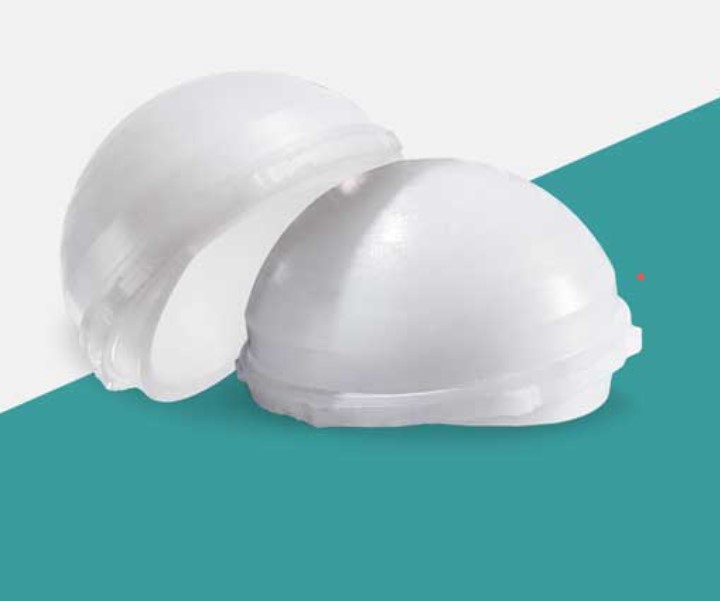 | Joint Replacement Acetabular Cup Liner Manufacturer An Acetabular Cup Liner Manufacturer specializes in producing liners that fit inside the acetabular cup during total hip replacement surgeries. View product → |
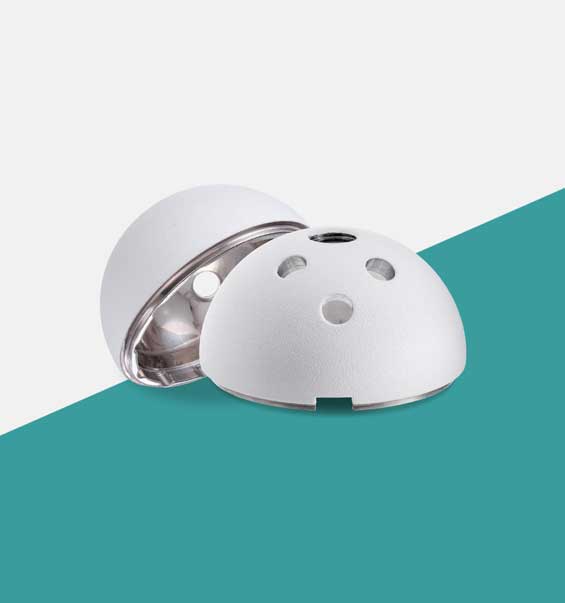 | Joint Replacement The Acetabular Cup is a key component in total hip replacement surgery, designed to fit into the hip socket (acetabulum). View product → |
Frequently asked questions
What does each total hip replacement component do?
The acetabular shell anchors in the pelvis, the liner forms the socket surface, the femoral head moves against it, and the stem transfers load into the femur.
How do acetabular liner materials and bearing couples compare?
Compare polyethylene, highly cross-linked polyethylene, ceramic and metal options by wear behaviour, fracture risk, corrosion concerns and the intended bearing couple.
How do fixation and dimensions affect implant performance?
Cemented or press-fit fixation changes how the implant stabilises, while shell diameter, liner thickness, head size, taper and stem dimensions affect fit, stability and range of motion.
How can you verify that hip replacement components are compatible?
Match the shell and liner system, locking mechanism, internal diameter, femoral head taper and stem connection using the manufacturer’s compatibility chart and product identifiers.
How should you evaluate a Mexico City hip replacement component supplier?
Request traceability records, sterilisation details, regulatory documentation, lot information, technical support and proof that the supplied components and instruments work as a system.
Related products
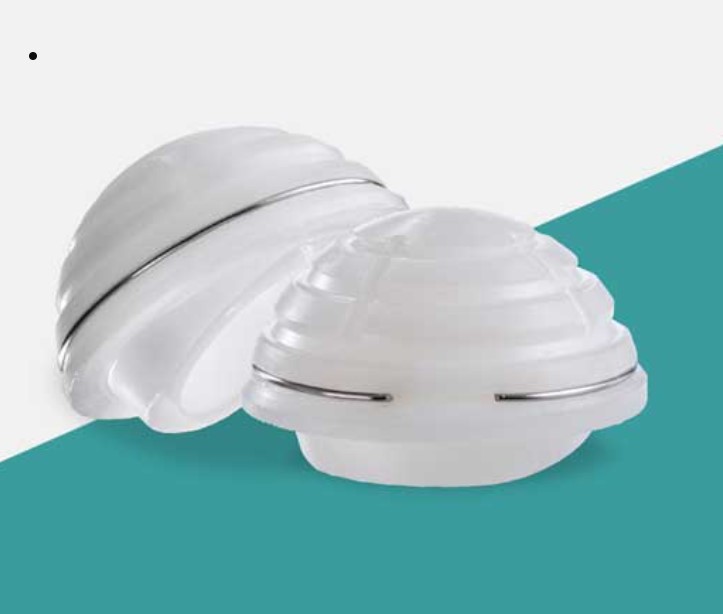 | Joint Replacement Acetabular Cup Cemented Manufacturer An Acetabular Cup Cemented Manufacturer produces acetabular components specifically designed for cemented fixation in total hip replacement... View product → |
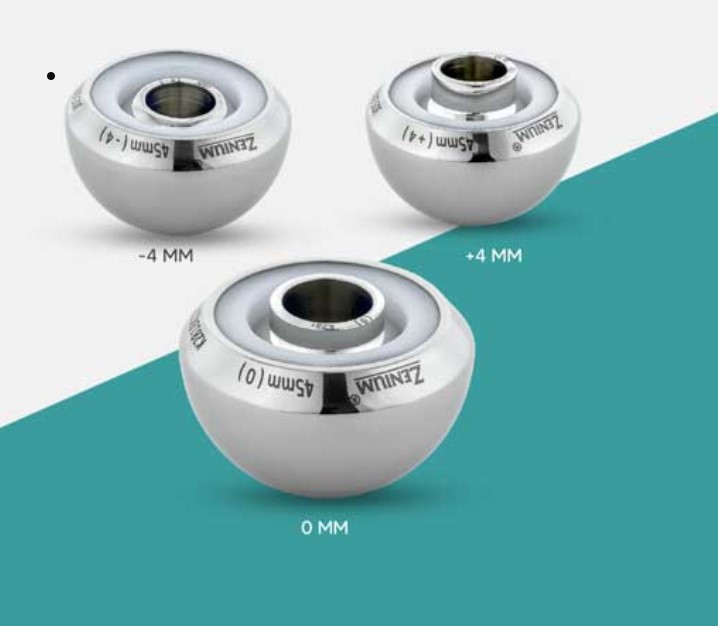 | Joint Replacement Modular Bipolar Cup (With Head) Manufacturer The Modular Bipolar Cup (With Head) is an advanced hip implant system used in hemiarthroplasty procedures, particularly for treating femoral neck... View product → |
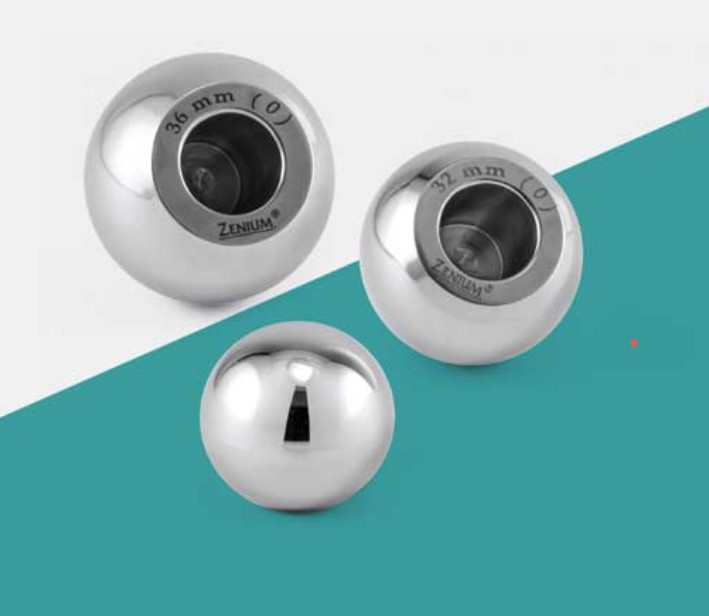 | Joint Replacement An Internal Head Manufacturer specializes in producing internal femoral heads used in hip replacement systems. View product → |