An uncemented femoral stem does not dictate the choice of acetabular liner: the stem fixes in the femur, while the liner provides the bearing surface inside the acetabular shell. By the end, you will be able to judge compatibility, clinical value, revision flexibility, and the situations in which a liner is not a safe substitute for replacing the complete cup.
Key takeaways
- Confirm the liner matches the shell, femoral head diameter and locking mechanism.
- Choose modularity when revision flexibility or stability options justify added complexity.
- Inspect liner seating, shell engagement and component labels before implantation.
- Compare total system cost, traceability and supplier support—not the liner price alone.
How the liner and uncemented stem work as separate parts
An acetabular cup liner with uncemented stem is not inherently compatible or clinically required simply because the stem is uncemented. The liner articulates with the femoral head inside the acetabular shell; the uncemented stem fixes independently in the femur through press-fit fixation, followed by bone ongrowth or ingrowth.
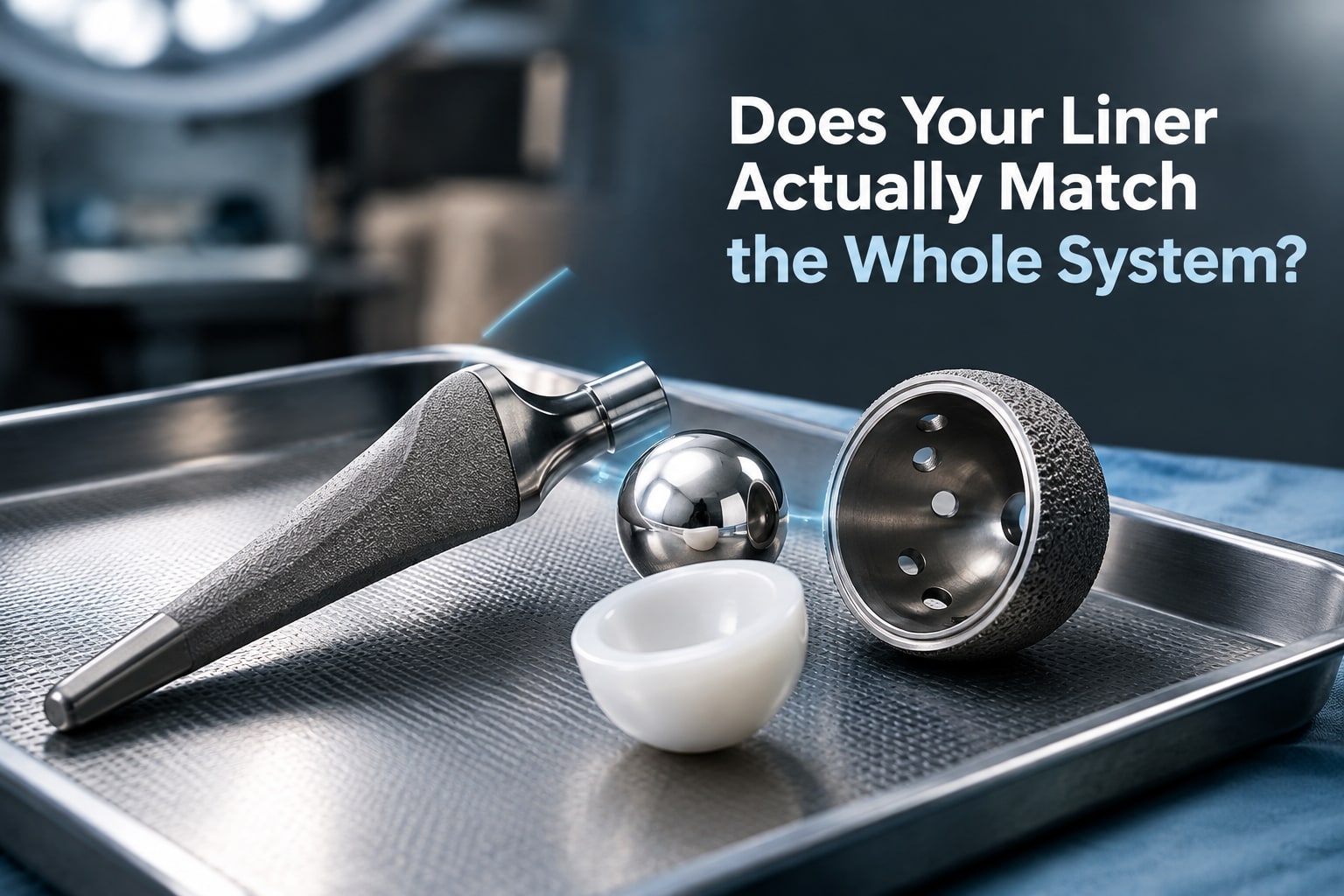
| Part | Primary role | Fixation or interface |
|---|---|---|
| Acetabular cup | Holds the liner in the pelvis | Press fit, often supported by porous coating for bone ingrowth |
| Liner | Provides the bearing surface against the femoral head | Locks into the shell |
| Uncemented femoral stem | Supports the femoral head in the femur | Press fit followed by bone ongrowth or ingrowth |
An uncemented acetabular cup is therefore different from an uncemented femoral stem. Fixation on one side does not select the bearing material, liner thickness, or head diameter on the other. The complete shell-liner-head-stem system determines compatibility and performance.
In primary total hip replacement, a modular liner mainly belongs to a total hip construct with a compatible shell. During revision, it can support liner exchange when the shell remains well fixed and undamaged.
Hemiarthroplasty uses a femoral head that articulates with the patient’s natural acetabulum, so it does not use the same modular liner arrangement. An acetabular cup liner uncemented stem pairing is one option among uncemented stem hip replacement components, not a universal rule.
When modularity makes an acetabular liner worth choosing
Modularity is worth choosing when it solves a specific problem: selecting the bearing surface, restoring the hip centre, adjusting femoral offset, or choosing a femoral-head diameter without replacing the shell. It also creates a revision option: a worn liner can be exchanged while retaining a well-fixed, correctly positioned shell.
| Option | Practical benefit | Costs and limits |
|---|---|---|
| Modular liner with polyethylene | Broad bearing, head-size and offset choices; later liner exchange | Higher implant cost, more inventory, assembly checks and a liner-shell locking interface than a fixed or monoblock component |
| Ceramic-on-polyethylene | Low wear potential with a ceramic head and polyethylene liner | Assess liner thickness, oxidation resistance, head material, activity, manufacturing quality and backside wear |
| Ceramic-on-ceramic | Very low wear potential | Squeaking, stripe wear from edge loading or impingement, and rare fracture; positioning and taper cleanliness are critical |
| Dual-mobility liner | Larger effective head and jump distance when instability risk dominates | More compatibility requirements, polyethylene wear and possible intraprosthetic dislocation |
Highly cross-linked polyethylene usually produces lower volumetric wear than conventional polyethylene, but it is not wear-proof. A larger head can improve stability and motion, yet a small shell can leave too little polyethylene thickness; thickness, shell size and bearing diameter must be judged together.
Choose a fixed component when lower inventory, simpler assembly and lower interface complexity outweigh revision flexibility. Choose modularity when its acetabular liner benefits justify those burdens and the system offers a documented exchange pathway.
How to verify that the liner, shell, head and stem belong together
A liner fits only when the complete acetabular cup liner and uncemented stem construct is documented as compatible. The stem does not determine the liner: the shell, liner, femoral head and stem form one system.
1. Record the exact manufacturer, shell family, shell diameter, liner outside diameter, bearing inside diameter and catalog number. Confirm the locking mechanism, orientation tabs, permissible liner thickness and intended femoral-head diameter against the manufacturer’s size matrix.
2. Match the femoral head’s material, nominal diameter and taper to the stem’s taper specification. A ceramic head with the same nominal diameter as another ceramic head is not automatically interchangeable. Treat uncemented stem hip replacement components as compatible only when the manufacturer’s compatibility matrix and instructions for use say so.
3. Check the design trade-off before selecting sizes. A larger head can increase jump distance and range of motion, but shell size and liner thickness limit the available bearing diameter; reducing polyethylene thickness can reduce wear resistance. A small shell with a large head can leave inadequate liner support.
4. Require the instructions for use, documented sterilization status, shelf life, regulatory authorization for the intended indication and matching instruments. Confirm that the locking mechanism and trial components correspond to the same shell family before opening the implant.
5. Do not treat a liner from another manufacturer or shell system as interchangeable because its dimensions appear similar. If the supplier cannot provide traceable shell-liner-head-stem confirmation, quarantine the set and obtain written manufacturer verification before use.
What goes wrong when the liner is mismatched or poorly seated
A poorly seated or mismatched liner can turn modularity into a failure point. Incomplete seating, malrotation, eccentric loading, a damaged locking mechanism, or incorrect liner thickness can cause:
- Liner dissociation from the shell, sometimes after the locking interface has been damaged.
- Impingement between the neck, liner, and shell, reducing motion and increasing dislocation risk.
- Edge loading, accelerated wear, particle generation, and further damage to the shell-liner interface.
- Loss of stability when the selected liner does not provide the intended head size or jump distance.
Ceramic bearings demand extra control. Use the correct shell orientation, clean and undamaged tapers, adequate liner support, and protection from edge loading; otherwise stripe wear, squeaking, or rare ceramic fracture can occur. A ceramic head with the correct nominal diameter still needs the specified taper and matching system.
These acetabular liner benefits do not make isolated liner use routine in primary surgery. Use it only when the selected total hip system is designed for a modular liner and its locking mechanism is reliable.
A well-fixed, correctly positioned, undamaged shell may accept a replacement liner during revision. A loose, malpositioned, deformed, worn, or incompatible shell generally requires full cup revision, particularly with severe bone loss, infection, inability to accept the selected bearing or head size, or incompatible revision components.
Otherwise, preserving the shell can avoid removing sound fixation while restoring the bearing.
A procurement checklist for deciding whether the system earns its cost
A low unit price does not make an acetabular cup liner with uncemented stem a good-value system. Make the decision against the cost of unverified compatibility, intraoperative delays, revision difficulty, and avoidable interface failure.
1. Confirm the complete construct. Require the validated shell-liner-head-stem compatibility matrix, exact shell family, shell diameter, liner outside and inside diameters, catalog numbers, intended head diameter, taper specification, locking mechanism, orientation features, and liner thickness limits.
2. Review performance and use documents. Ask for material composition, wear data, locking reliability evidence, instructions for use, matching instruments, sterilization status, shelf life, batch traceability, and regulatory authorization for the intended indication. A hip implant supplier in Mumbai, including Komal Health Care Pvt Ltd, should provide these records before approval, not after delivery.
3. Price the modularity, not just the insert. Modularity can reduce surgical effort when a correctly positioned, well-fixed shell remains usable and a later liner exchange avoids full cup removal. It earns less when inventory expands, assembly checks consume theatre time, instruments are missing, or an added locking interface raises mismatch and seating risk.
4. Test the revision pathway. Confirm replacement liners, compatible heads, and revision instruments will remain available in the sizes your hospital uses. Reject the option if the shell is loose, damaged, malpositioned, or incompatible with the proposed bearing.
An acetabular liner is worth selecting with an uncemented stem when the complete construct offers a documented bearing and fixation strategy, reliable locking, appropriate anatomy and risk management, and a realistic revision pathway. The uncemented stem alone is not the justification.
Related products
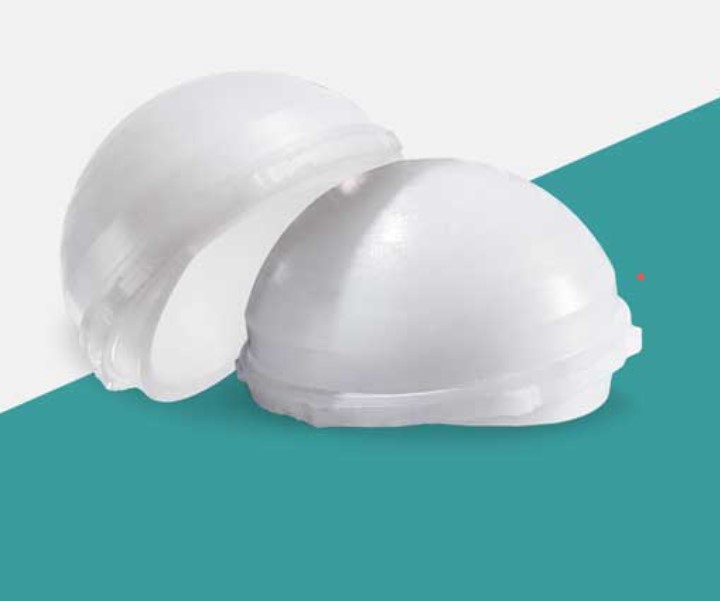 | Joint Replacement Acetabular Cup Liner Manufacturer An Acetabular Cup Liner Manufacturer specializes in producing liners that fit inside the acetabular cup during total hip replacement surgeries. View product → |
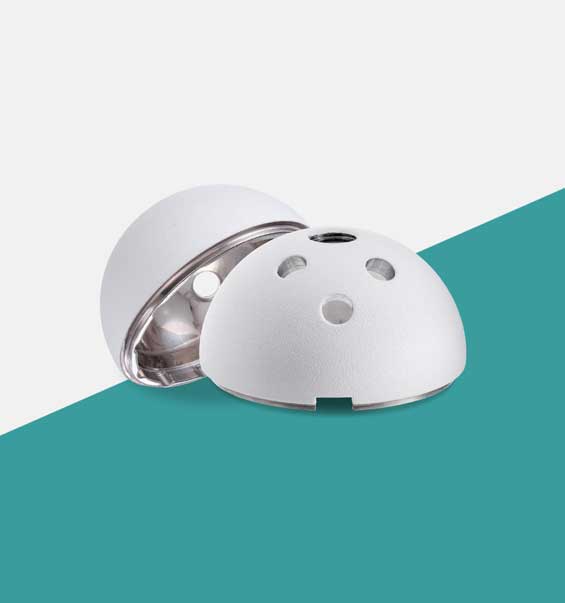 | Joint Replacement The Acetabular Cup is a key component in total hip replacement surgery, designed to fit into the hip socket (acetabulum). View product → |
Frequently asked questions
How does an acetabular liner work with an uncemented stem?
The liner articulates with the femoral head inside the acetabular shell, while the uncemented stem fixes independently in the femur through press-fit fixation and later bone ongrowth or ingrowth.
When is an acetabular liner worth choosing in a modular hip system?
A liner earns its cost when modularity provides useful revision flexibility, head-size options, stability choices or controlled positioning that the surgical plan requires.
How can you verify that the liner, shell, head and stem belong together?
Match the manufacturer, system name, shell size, liner size, femoral head diameter, taper specification and locking features against the approved compatibility documents and package labels.
What happens when an acetabular liner is mismatched or poorly seated?
The liner can fail to lock, rotate, dissociate, generate abnormal wear or alter joint stability, creating risks that range from noise and dislocation to revision surgery.