An implanted acetabular cup needs no cleaning, lubrication, tightening, or home adjustment. Maintenance means following the review schedule, protecting the joint during recovery, recognising warning signs, and giving the hospital accurate implant records for future imaging or revision decisions.
Key takeaways
- Schedule reviews using symptoms, imaging and implant records.
- Never clean, lubricate, tighten or manipulate the implanted cup.
- Follow surgeon-set movement limits before increasing activity.
- Escalate new instability, fever, drainage or worsening pain promptly.
Treat maintenance as scheduled surveillance, not device cleaning
Once the incision has healed, the acetabular cup needs surveillance, not household care. Do not clean, lubricate, tighten, or manipulate it; the implant is sealed inside the hip, unlike an external dressing or removable device. Acetabular cup maintenance after hip replacement in Mumbai means checking function and detecting change before pain or instability becomes severe.
A routine hospital review should record:
- Walking pattern, hip function, pain, leg length, and any new limp
- The exact cup system, shell and liner sizes, bearing couple, fixation method, screws, side, catalogue number, lot or serial number, implantation date, and surgeon
- Radiographs compared with earlier images for cup inclination and anteversion, migration, radiolucent lines, osteolysis, wear, loosening, dislocation, or periprosthetic fracture
Use the manufacturer’s instructions for use and device-specific surveillance requirements alongside the hospital pathway. NICE offers a baseline of review at one year after primary replacement and then every five years, with earlier assessment when symptoms or imaging raise concern. A generic annual “implant check” without prior images can miss gradual deterioration.
Contact the surgical team urgently for sudden severe pain, a shortened or visibly rotated leg, inability to bear weight, fever with wound drainage, or new numbness, weakness, or a cold foot. These findings can signal dislocation, fracture, infection, or neurovascular compromise. Keep the discharge plan for clot prevention, medicines, and mobility available at each review.
Build a follow-up schedule around symptoms, images, and implant records
Use a hospital pathway with named appointments and serial evidence, not pain alone. For acetabular cup follow-up care in Mumbai, schedule a wound and mobility review after discharge, an early surgical review, radiographs at one year, and continued surveillance thereafter.
- At discharge, record the implantation date, laterality, surgeon, exact cup system, shell and liner sizes, bearing couple, fixation method, screw details, catalogue number, and lot or serial number. Store the implant stickers, operative note, discharge summary, and manufacturer instructions together.
- At every visit, document gait, hip function, leg-length change, range of motion, new pain, instability, infection signs, and neurovascular findings. Give the patient a contact route for urgent review.
- Record the venous thromboembolism plan: drug, dose, duration, mechanical prophylaxis, walking instructions, bleeding precautions, renal-function review, and the clinician checking adherence.
| Timing | Appointment and record review | Imaging or action |
|---|---|---|
| Within 2 weeks | Wound, medicines, walking, and clot-prevention review | Investigate drainage, fever, calf swelling, or escalating pain |
| Around 6–12 weeks | Surgical assessment of gait, function, restrictions, and early complications | Obtain pelvis and hip radiographs when clinically indicated |
| At 1 year | Routine clinical review against the operative record | Compare serial radiographs for inclination, anteversion, migration, radiolucent lines, fracture, wear, and osteolysis |
| Every 5 years | Long-term clinical and implant-specific surveillance | Compare with every prior image; review sooner for symptoms or radiological change |
| Any time urgently | Suspected dislocation, infection, fracture, sudden pain, or neurovascular change | Arrange prompt examination and targeted radiographs; use CT or other imaging when plain films do not explain deterioration |
Progress movement without exceeding the surgeon’s restrictions
The discharge order must state permitted weight bearing, walking-aid progression, hip-flexion and rotation limits, and review date. These depend on fixation, bone quality, surgical approach, component stability, fractures, and additional procedures; do not copy precautions from another patient. This is essential acetabular cup recovery guidance for hospitals.
- Walk with crutches or a frame exactly as directed, increasing distance before speed; use the handrail and one step at a time on stairs until balance returns.
- Sit in a firm, raised chair, keep knees below hip level when instructed, and avoid low seats. Do not bend deeply, cross your legs, or twist inward if those movements are restricted.
- Drive only after the surgeon permits it, sedating medicines have stopped, and you can brake hard without pain. Return to work according to lifting, standing, and fall-risk demands.
- Choose prescribed physiotherapy, walking, and approved low-impact exercise; avoid running, jumping, and pivoting until cleared. Sleep on your back or the permitted side with the prescribed pillow if needed.
- Resume sex when pain and balance allow, using positions that avoid forced flexion, adduction, or rotation and following the surgical approach precautions.
Take analgesics and anticoagulants exactly as prescribed; do not stop clot medicine or add anti-inflammatory drugs without checking. Keep the dressing and incision clean and dry as instructed, and report drainage or separation. Use prescribed compression or intermittent pneumatic devices, mobilise frequently, follow hydration advice, and observe bleeding precautions.
The discharge plan must name prophylaxis duration and who reviews adherence, renal function, bleeding risk, and interacting medicines.
Separate expected recovery discomfort from urgent implant problems
Mild aching, bruising, stiffness, and pain that gradually eases with the prescribed plan are common during recovery. Contact the surgical team promptly if pain starts increasing after improvement, because that pattern can signal infection, loosening, fracture, or another implant complication.
| Symptom or finding | What it may indicate | Action |
|---|---|---|
| Expected soreness that steadily improves | Normal tissue healing and muscle recovery | Follow the discharge plan and mention it at the next review |
| Persistent wound drainage, wound separation, spreading redness, fever, or worsening pain | Periprosthetic joint infection; drainage from a closed wound needs formal assessment, not a superficial swab | Contact the surgical team urgently |
| New calf pain, one-sided calf or thigh swelling, warmth, or tenderness | Deep-vein thrombosis | Seek urgent medical assessment; continue prescribed prophylaxis unless a clinician tells you to stop |
| Sudden breathlessness, chest pain, coughing blood, fainting, or severe unexplained weakness | Pulmonary embolism or another emergency | Call emergency services immediately |
| A clunk, sudden severe groin pain, inability to bear weight, apparent leg shortening, or a visibly changed leg position | Dislocation or periprosthetic fracture | Do not walk on it; seek emergency assessment |
| New foot drop, numbness, loss of sensation, or a cold or pale foot | Nerve or blood-vessel compromise | Seek emergency assessment |
| New limp, swelling, reduced function, or squeaking with a metal-on-metal bearing | Adverse tissue reaction or metal wear | Arrange prompt orthopaedic review; testing may include whole-blood cobalt and chromium plus cross-sectional imaging |
Do not tighten, manipulate, or “test” the cup yourself. A suspected infection, dislocation, fracture, or neurovascular change needs examination and imaging by the surgical team.
Use a procurement checklist when selecting replacement components
Before approving a replacement, require evidence that it fits the implanted system, not merely a cup with the same nominal diameter. Ask an acetabular cup manufacturer in Mumbai to identify every approved pairing by catalogue number.
1. Confirm compatibility: shell and liner sizes, material designation, bearing couple, cemented or uncemented fixation, screw diameter and length, femoral-head combinations, revision parts, and required instruments. Reject a system that relies on verbal confirmation.
2. Inspect sterile packaging: sterilization method, expiry date, shelf life, storage conditions, and sterile-barrier integrity. A crushed carton, torn seal, moisture mark, or missing label disqualifies the pack. Do not resterilize or reprocess it unless the instructions for use expressly permit that procedure.
3. Demand the technical dossier: instructions for use, implant-card data, MRI conditions, material specifications, sterilization records, quality-management certification, and applicable Indian regulatory documents. Check that the lot or serial number on the component matches the packaging.
4. Build traceability into receiving and theatre records. Record the system name, shell and liner sizes, bearing, screws, fixation method, catalogue number, lot or serial number, laterality, implantation date, and surgeon.
Apply the same evidence-based review when evaluating Komal Health Care Pvt Ltd. Keep the dossier with the patient’s implant record so compatible revision parts and adverse-event notifications remain identifiable years later. Verify changes in component design through controlled supplier notifications rather than substituting a visually similar part.
Related products
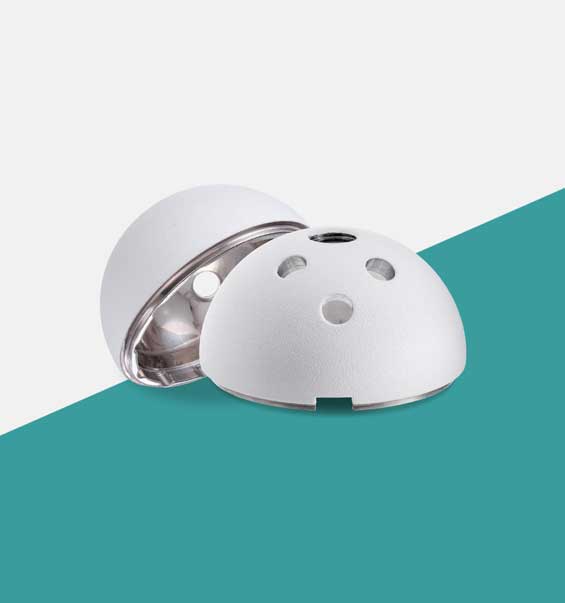 | Joint Replacement The Acetabular Cup is a key component in total hip replacement surgery, designed to fit into the hip socket (acetabulum). View product → |
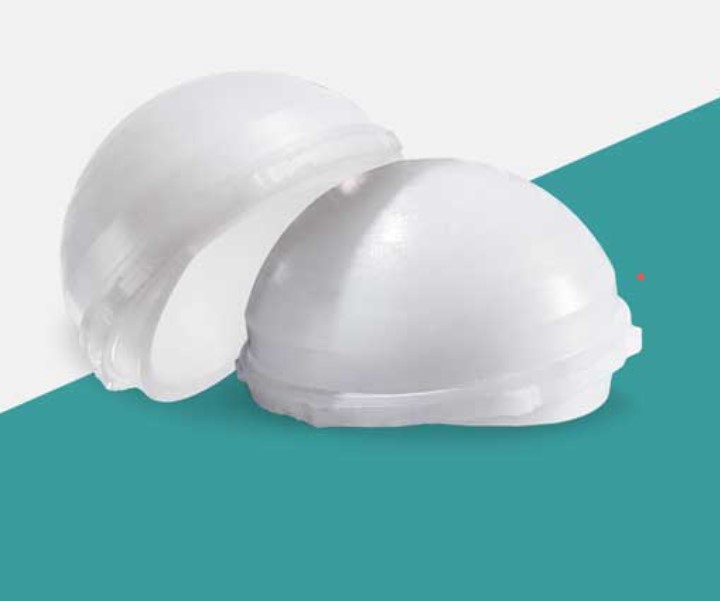 | Joint Replacement Acetabular Cup Liner Manufacturer An Acetabular Cup Liner Manufacturer specializes in producing liners that fit inside the acetabular cup during total hip replacement surgeries. View product → |
Frequently asked questions
How should you maintain an acetabular cup after hip replacement?
Treat maintenance as scheduled medical surveillance. Do not clean, lubricate, tighten or manipulate the implanted cup. Track symptoms, attend follow-up visits and keep imaging and implant records together.
What should acetabular cup follow-up care include in Mumbai?
Arrange reviews around your surgeon’s schedule, symptoms and imaging findings. Carry your implant record and previous X-rays or scan reports to each appointment.
How can you tell normal recovery discomfort from an urgent implant problem?
Expected discomfort should follow the recovery pattern given by your surgeon. Seek prompt medical assessment for worsening pain, new instability, fever, wound drainage or a sudden loss of function.
What should hospitals check when selecting replacement acetabular components?
Match the cup to the operative plan and patient record, then verify size, material, compatibility, sterilization status, lot or batch number, expiry date and traceability documents.
Related product
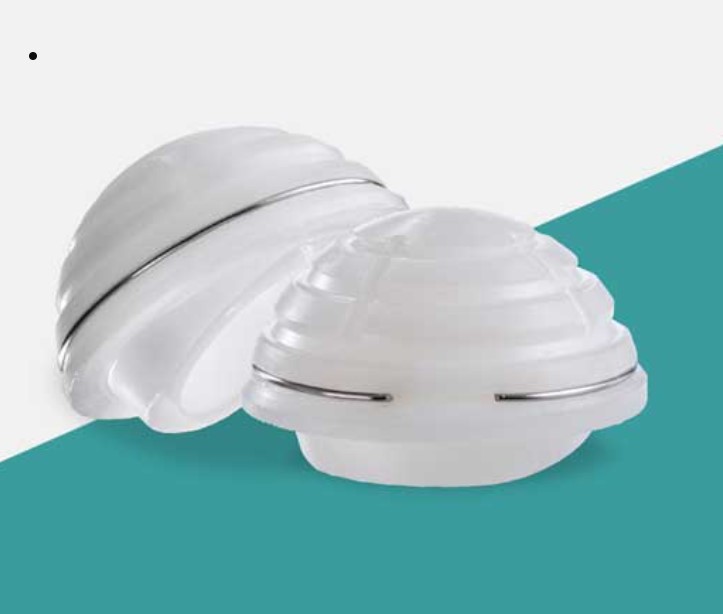 | Joint Replacement Acetabular Cup Cemented Manufacturer An Acetabular Cup Cemented Manufacturer produces acetabular components specifically designed for cemented fixation in total hip replacement... View product → |