A quotation for an internal head can describe one implant component while leaving packaging, evidence, compatibility limits, and regulatory paperwork unclear. By the end, you will know what to specify, what documents to demand, how to inspect the shipment, and how to compare a Buenos Aires supplier with other sourcing options.
Key takeaways
- Match taper, diameter, offset, and bearing material to the complete hip system.
- Request certificates of conformity, material records, sterilisation evidence, and batch traceability.
- Reject quotations that omit revision status, packaging details, or component compatibility.
- Compare Buenos Aires suppliers by documentation quality, not unit price alone.
What the internal head is—and what the shipment represents
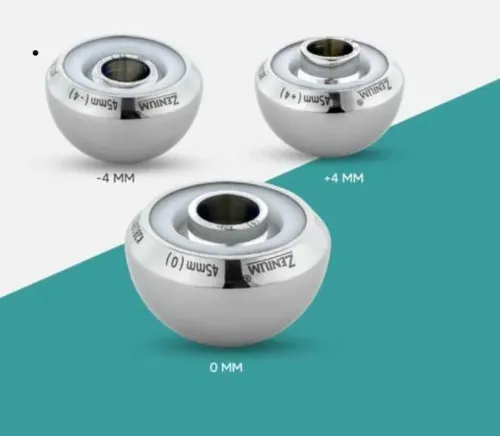
The “internal head” is the prosthetic femoral head—the polished ball that attaches to the femoral stem and forms the moving joint surface. An internal head manufacturer may supply this component separately, not the stem, acetabular cup, liner, or implantation instruments.
The head’s lower taper seats inside the stem’s matching taper; its spherical outer surface articulates with a polyethylene, ceramic, or metal liner in the acetabular cup.
A shipment of internal head components should represent a controlled, identifiable implant configuration, not merely a loose machined part. Depending on the purchase order, it may include:
- The specified femoral head, with diameter, neck length or offset, taper designation, and material identified
- A sterile barrier pack or protective non-sterile packaging
- Implant labels showing the product code, lot or serial number, and expiry date when applicable
- Inspection and release records, compatibility information, and technical instructions
- Sterilization details, storage conditions, and shelf-life documentation when supplied sterile
Do not treat a sealed package as proof of sterility. The order must state whether the head is sterile or non-sterile, the sterilization method, packaging configuration, expiry information, and storage limits.
An internal femoral head is also not the same as the inner articulation of a bipolar cup. In a bipolar construct, the femoral head articulates inside the bipolar component while that component moves against the natural acetabulum.
A quotation from an internal head manufacturer covers the head only unless every additional system item is listed separately.
Which dimensions and interfaces must match before ordering
A head fits only when its taper matches the stem and its spherical diameter matches the intended acetabular liner or cup. In hip implant procurement, treat “internal head” as a separately supplied prosthetic femoral head unless the quotation explicitly includes the stem, cup, instruments, or fixation products.
Obtain the controlled drawing and compatibility statement before approving the order. Confirm these identifiers against the stem and cup system:
- Head diameter, such as 28, 32, or 36 mm
- Neck length or offset, including the manufacturer’s measurement reference
- Taper geometry and designation, such as 12/14 or another named taper
- Stem manufacturer, model, size range, and approved head combinations
- Material, surface finish, and any approved liner restrictions
- Cup or liner internal diameter and the permitted head-to-liner pairing
A catalogue photograph cannot prove taper fit, sphericity, or the correct diameter. Ask for dimensional tolerances, taper inspection results, and the manufacturer’s compatibility matrix; a mismatched taper can prevent secure seating, while the wrong diameter can cause instability or excessive wear.
| Interface | What must match | What goes wrong if it does not |
|---|---|---|
| Stem taper | Designation, geometry, length, and tolerances | Incomplete seating, fretting, or disengagement |
| Acetabular liner | Head diameter and approved material pairing | Impingement, dislocation, or accelerated wear |
| Bipolar cup | Inner articulation diameter and outer cup specification | The secondary articulation may not function |
Do not confuse the internal femoral head with the secondary articulation inside a modular bipolar cup. Custom diameter, offset, material, or packaging requires an approved drawing, change-control record, validation evidence, and a stated regulatory status before ordering.
How material choice changes the specification
Compare the exact material grade and applicable standard, not a label such as “medical-grade metal” or “ceramic.” The grade affects strength, wear behaviour, sterilization compatibility, surface finish, and radiographic appearance. Your purchase specification must also retain the ordered diameter, neck length or offset, taper geometry, tolerances, and compatible stem family.
| Material | What to compare | Consequence of a poor match |
|---|---|---|
| Cobalt-chromium alloy | Exact alloy grade, material standard, hardness, taper dimensions, and polished surface finish | An incorrect grade or rough finish can increase wear or prevent reliable seating on the stem |
| Ceramic | Ceramic type, material standard, diameter tolerance, taper design, surface finish, and packaging protection | A damaged or incompatible head can compromise the bearing surface or create fracture risk |
| Another material | Full composition, applicable standard, mechanical data, wear evidence, and regulatory status | “Alternative material” is not a usable specification without documented performance and compatibility |
Ask the internal head manufacturer to identify the bearing pairing: metal or ceramic against polyethylene, or ceramic against ceramic. Do not compare unit prices without comparing the complete material and documentation package. Require certificates naming the grade and lot, plus inspection evidence for diameter, taper, and finish.
Confirm sterilization compatibility before selecting ceramic or another material. If the supplied head is sterile, check that the packaging method and shelf-life protect the specified surface; if it is non-sterile, define the hospital’s validated sterilization process. A catalogue image cannot establish any of these properties.
What quality, sterility, and traceability evidence should arrive with it
Do not release a head to inventory until its identity, conformity, and sterility status match the purchase order. A catalogue photograph proves none of the ordered taper, diameter, neck length, material, or surface-finish requirements.
Request these records for every lot of internal head components:
- Certificate of conformity naming the product code, revision, lot or batch number, and ordered configuration.
- Dimensional inspection results for head diameter, taper geometry, taper designation, neck length or offset, and critical tolerances.
- Material certificate identifying the alloy or ceramic grade, with traceability to the supplied lot.
- Visual and surface-finish inspection results, including checks for scratches, chips, corrosion, dents, and contamination.
- Label artwork or photographs showing manufacturer, product code, size, material, lot number, and expiry date where applicable.
- Packaging records showing sterile-barrier layers, sterilization method, sterilization lot, expiry or shelf life, storage conditions, and intact seals.
Accept the component only when the carton, sterile barrier, implant label, certificate, and inspection record carry matching identifiers. Sealed packaging alone does not prove sterility.
| Supply status | Evidence to accept | Release decision |
|---|---|---|
| Sterile | Sterilization record, sterile-barrier specification, expiry date, storage conditions | Release only if seals and dates pass inspection |
| Non-sterile | Explicit non-sterile label and validated cleaning or sterilization instructions | Send through the hospital’s approved process |
| Custom | Approved drawing, change-control record, validation evidence, regulatory-status statement | Hold until configuration approval is complete |
This discipline matters in hip implant procurement: a custom internal head component must not enter stock as an informal catalogue variation. Keep the purchase order, receiving inspection, lot history, and implant-usage record together for recall tracing.
How to evaluate a Buenos Aires quotation and supplier package
Compare a quotation on landed scope, authorization, and delivery risk—not the unit price. A hip implants supplier in buenos aires should identify whether it is the legal manufacturer, contract manufacturer, importer, distributor, or exporter, and the entity named on the label must match the regulatory documents.
| Check | Ask the supplier to state | Risk if missing |
|---|---|---|
| Price scope | Head only or also sterile packaging, labels, certificates, freight, insurance, export papers, instruments, and taxes | The “low” price becomes expensive after add-ons |
| Regulatory status | Applicable ANMAT registration, importer or distributor status, Spanish-language label samples, and ISO 13485 certificate scope | ISO 13485 alone does not prove product authorization |
| Lead time | Stock status, minimum order, production days, and approval time for non-catalogue sizes | Surgery schedules fail when quoted lead time excludes validation |
| Customization | Head diameter, neck length or offset, taper designation, material, tooling charge, inspection plan, and labeling review | A custom part can require new validation and regulatory review |
| Delivery control | Incoterm, dispatch point, carrier, insurance, shelf life, storage conditions, and procedure for nonconforming or recalled lots | Damage, customs delay, or a recalled lot becomes your liability |
For a hip implants internal head manufacturer in buenos aires, require the purchase order to state sterile or non-sterile supply, sterilization method if sterile, expiry date, and sterile-barrier configuration. Do not treat sealed packaging as proof of sterility.
Ask Komal Health Care Pvt Ltd to separate catalogue availability from custom production in its quotation. Standard sizes usually reduce lead time and minimum-order exposure; low-volume configurations demand tighter acceptance criteria before you commit.
Related product
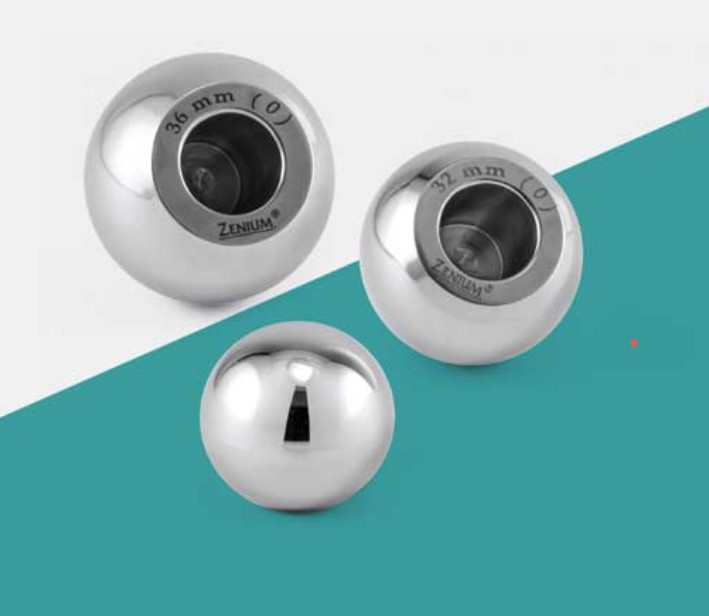 | Joint Replacement An Internal Head Manufacturer specializes in producing internal femoral heads used in hip replacement systems. View product → |
Frequently asked questions
What does an internal hip implant head shipment include?
It usually covers the prosthetic femoral head, the polished ball that attaches to a femoral stem. Confirm whether the shipment excludes the stem, acetabular cup, liner, and instruments.
Which specifications must match before ordering an internal head?
Match the femoral-head diameter, stem taper and taper size, offset or neck length, bearing material, system compatibility, and applicable revision or catalogue code.
What quality and traceability documents should buyers request?
Request a certificate of conformity, material certificate, inspection results, sterilisation record when supplied sterile, packaging and shelf-life information, lot or batch number, and device identification.
How should you compare a Buenos Aires supplier quotation?
Check the exact component description, quantity, lead time, Incoterm, currency, taxes, shipping conditions, warranty, regulatory documents, and whether the quoted price includes sterile packaging and supporting records.