A modular bipolar head is not a single interchangeable part: it is a linked system of an inner femoral head, bearing liner, outer shell and stem connection. By the end, you will know how the two articulations work, which dimensions and documents to request, and how to assess a supplier and product for use in Buenos Aires.
Key takeaways
- Confirm the head, liner, shell and femoral stem taper are a compatible system.
- Match outer diameter, offset and neck length to the surgeon’s plan.
- Request fit evidence, material specifications, test reports and traceability records.
- Check Buenos Aires suppliers against documented claims, not catalogue wording alone.
What a modular bipolar head actually contains
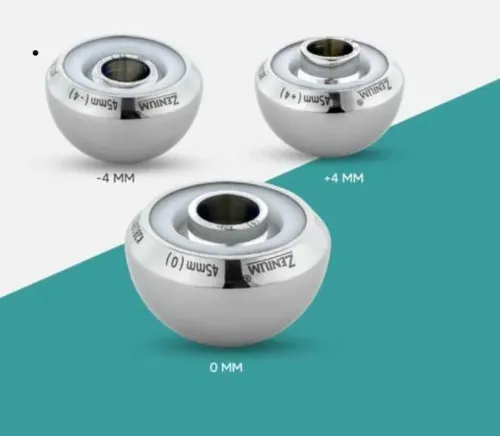
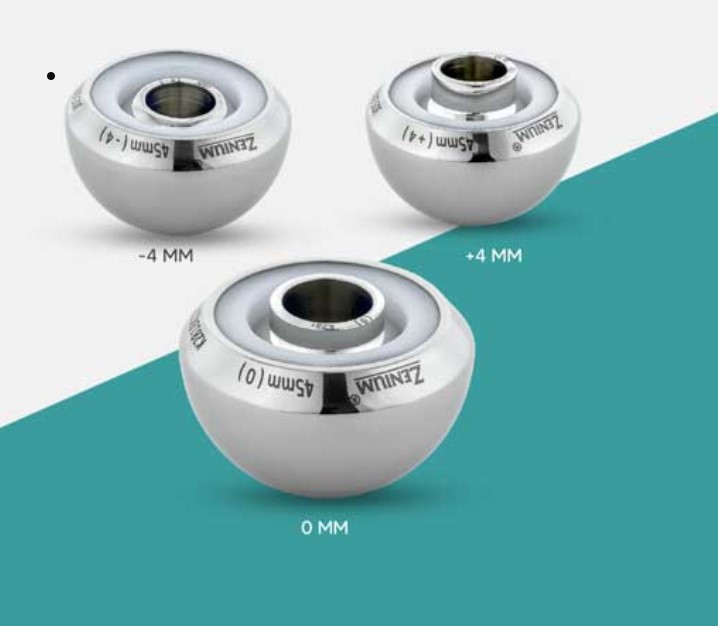
A modular bipolar head contains a metal inner femoral head, a polyethylene liner, a metal outer shell, and a connection to the femoral stem. The surgeon seats the head onto the stem’s matching taper; the liner sits inside the shell, and a retaining ring or locking feature keeps the liner-head assembly captured.
The inner head moves against the liner, while the shell moves against the patient’s natural acetabulum.
The key modular bipolar head details are easier to distinguish from other hip constructs in this comparison:
| Option | What moves against what | What makes it different |
|---|---|---|
| Modular bipolar | Inner head against liner; shell against native acetabulum | Head, liner and shell are selected within a validated stem system |
| Complete bipolar prosthesis | Same two articulations | Supplied as a defined implant construct, often with less intraoperative component choice |
| Fixed bipolar | Shell and head are permanently joined or less selectively assembled | The surgeon cannot freely exchange the head, liner or locking parts |
| Total hip replacement | Femoral head against a separate acetabular cup | The cup is implanted and fixed in the patient’s acetabulum |
| Dual-mobility total hip | Head moves inside a mobile polyethylene insert; insert moves in an acetabular cup | Its acetabular shell is fixed to bone, unlike a bipolar hemiarthroplasty shell |
Modularity permits adjustment after trial reduction, including shell diameter, head diameter and neck length; some systems also offer offset choices. It does not make parts interchangeable: the head taper, liner, shell, locking mechanism and stem must belong to the manufacturer’s compatible system.
How surgeons choose dimensions and restore hip mechanics
Trial reduction provides the decisive measurements: the femoral head must match the liner, the bipolar shell must fit the prepared acetabular anatomy, and neck length and offset must restore stability without over-tensioning soft tissues.
| Measurement | What it determines | Clinical limit |
|---|---|---|
| Femoral-head diameter | Inner bearing size and liner match | It cannot be selected independently of the shell-liner system |
| Acetabular diameter and shape | Outer shell diameter and seating | An oversized shell can overstuff the joint, damage cartilage, or restrict motion |
| Stem taper, height and version | Head connection and overall reconstruction | A head cannot correct an incompatible taper, poor stem height, or excessive stem version |
| Neck length | Leg length and soft-tissue tension | Excessive length can stretch nerves, increase joint forces, and make reduction difficult |
| Femoral offset | Abductor lever arm and stability | Excessive lateralization can increase impingement and joint loading |
| Leg-length landmarks and trial reduction | Final limb-length balance | Avoid clinically significant lengthening; anatomy, pelvic position, and nerve tolerance set the limit |
The surgeon also checks range of motion, impingement, abductor tension, and stability through the planned movement arc. A broad catalogue of sizes does not replace templating or a compatible stem system.
For hip implants, a modular bipolar cup-and-head system remains a hemiarthroplasty choice, not an automatic upgrade over a unipolar head. AAOS describes evidence comparing bipolar and unipolar hemiarthroplasty as limited; selected independently mobile patients may instead meet criteria for total hip arthroplasty, which carries different dislocation and complication risks.
How to prove that the components fit together
A matching head diameter does not prove compatibility. Accept the head, shell, liner and stem only when the supplier identifies them as a validated combination in the instructions for use, compatibility matrix or implant catalogue.
1. Match the stem and head taper by exact specification: taper angle, trunnion geometry, major and minor diameters, taper length, surface finish and permissible manufacturing tolerances. “12/14 taper” alone is insufficient if the drawing, manufacturer or dimensions differ.
2. Confirm the modular head’s approved neck lengths and offset options for that stem version. Record the head diameter, neck length, offset, stem size and stem height; a different stem generation can change seating, leg length and soft-tissue tension.
3. Match the head to the liner by specified inner diameter, head diameter and clearance. Match the liner to the shell by outer diameter, locking-ring or retaining-feature geometry, seating depth and rotational orientation.
4. Ask for the shell’s outside diameter range, the liner and head material designations, and the approved material pairing. A cobalt-chromium or stainless-steel head with polyethylene is not automatically interchangeable with another manufacturer’s parts.
5. Request dimensional inspection records and evidence that the complete shell-liner-head assembly passed locking, disengagement, range-of-motion and fatigue testing. A catalogue drawing proves dimensions on paper, not assembly performance.
Reject a proposed mix when any taper, locking feature, dimension or component identifier remains unverified. Improper seating can cause fretting, corrosion, instability or disengagement; trial assembly must follow the manufacturer’s written instructions.
Which materials, tests and records belong in the purchase file
A generic 316L or 316LVM statement identifies only one metal. Request exact designations for the shell, inner head, locking ring, liner and stem taper, plus ISO 5832-1 or ISO 5834-1/-2, as applicable, and lot-specific certificates.
For the polyethylene liner, identify conventional or highly cross-linked UHMWPE, grade, irradiation method, antioxidant treatment if used, packaging, shelf life and oxidation-control evidence.
Ask for these records:
- Dimensional inspection for head, shell, liner, taper and locking features, including tolerances and mating results.
- Surface-finish measurements for bearing and taper surfaces, with the measurement method and acceptance limits.
- Corrosion and fretting evidence for the actual metal pairing, including galvanic or modular-junction testing and controls on contamination, passivation and cleaning.
- Sterilization validation to ISO 11135, ISO 11137 or ISO 17665, as applicable; residual or bioburden limits; package-integrity testing; lot records and expiry basis.
- ISO 10993 biological evaluation, fatigue and durability results, range-of-motion and locking-retention testing for the complete shell-liner-head construct.
- Device history, lot traceability, complaint history and recall checks.
| Evidence | What it proves | What it does not prove |
|---|---|---|
| Catalogue drawing | Nominal geometry | Complete-system performance |
| 316LVM certificate | Alloy identity | Liner wear or junction safety |
| ISO 13485 certificate | Quality-system scope | Product registration or stem compatibility |
| System test report | Tested combination | Safety of an unapproved mixed system |
The file should name tested component combinations and report methods, loads, cycles and acceptance criteria. Do not substitute a drawing or supplier certificate for evidence that the offered combination was tested, sterilized and released as that system.
How to evaluate a Buenos Aires supplier and product claim
A catalogue PDF proves that a product is advertised, not that it is authorized for sale in Argentina. Before buying modular bipolar head hip implants in buenos aires, match the quoted configuration to its regulatory and quality records.
1. Identify the manufacturer, Argentine importer or legal representative, device name, model code, and ANMAT registration status. Request the registration resolution or searchable record for that exact device, not a certificate for a similar product.
2. Check the Spanish-language label and instructions for use. They must state the lot number, catalogue code, size range, sterilization method, expiry date, storage conditions, warnings, and post-market contact.
3. Match every delivered component to the quotation and compatibility file: shell, inner head, liner, locking ring, stem taper, materials, and dimensions. Require lot traceability and import documentation for the shipment.
4. Request complete-system evidence for fatigue and durability, range of motion, locking retention, dimensional inspection, packaging integrity, sterilization validation, biological evaluation, and complaint or recall history. A drawing does not prove the shell, liner, head, and stem were tested together.
5. Separate the product file from the supplier’s quality certificate. ISO 13485 supports a quality-management system; it does not prove Argentine registration, clinical suitability, stem compatibility, or lawful importation.
For any modular bipolar supplier in buenos aires, ask who handles complaints and recalls. If Komal Health Care Pvt Ltd appears in the quotation, verify its exact role and obtain the same records. Reject claims that “bipolar” eliminates acetabular wear or is automatically superior to unipolar or total hip replacement.
Related products
 | Joint Replacement Modular Bipolar Cup (With Head) Manufacturer The Modular Bipolar Cup (With Head) is an advanced hip implant system used in hemiarthroplasty procedures, particularly for treating femoral neck... View product → |
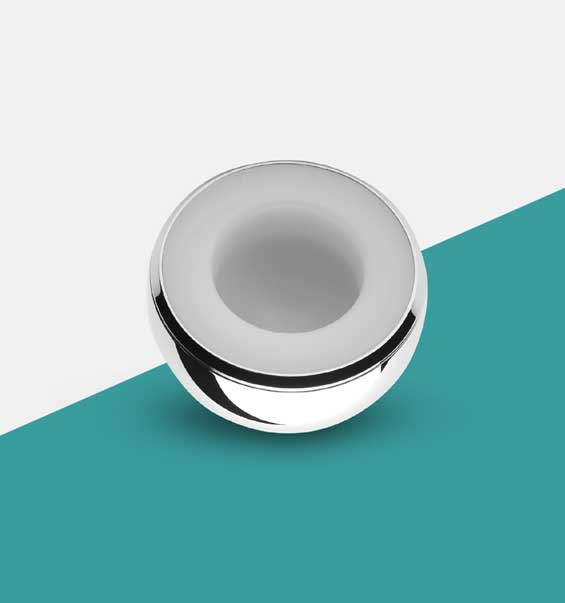 | Joint Replacement Modular Bipolar Cup Manufacturer A Modular Bipolar Cup Manufacturer specializes in producing advanced orthopedic components used in hip replacement surgeries. View product → |
Frequently asked questions
What does a modular bipolar head contain?
It contains a metal inner femoral head, polyethylene liner, metal outer shell and a stem connection with a retaining or locking feature.
How are modular bipolar head dimensions selected?
The surgical team matches head diameter, offset, neck length and stem taper to restore hip mechanics and achieve stable motion.
How can you prove that modular bipolar components fit together?
Compare the manufacturer’s compatibility matrix, taper specification, dimensions, locking design and lot documentation for the exact components.
Which records should a buyer request?
Request material specifications, dimensional inspection results, mechanical or functional test reports, lot numbers, certificates and traceability records.
Related products
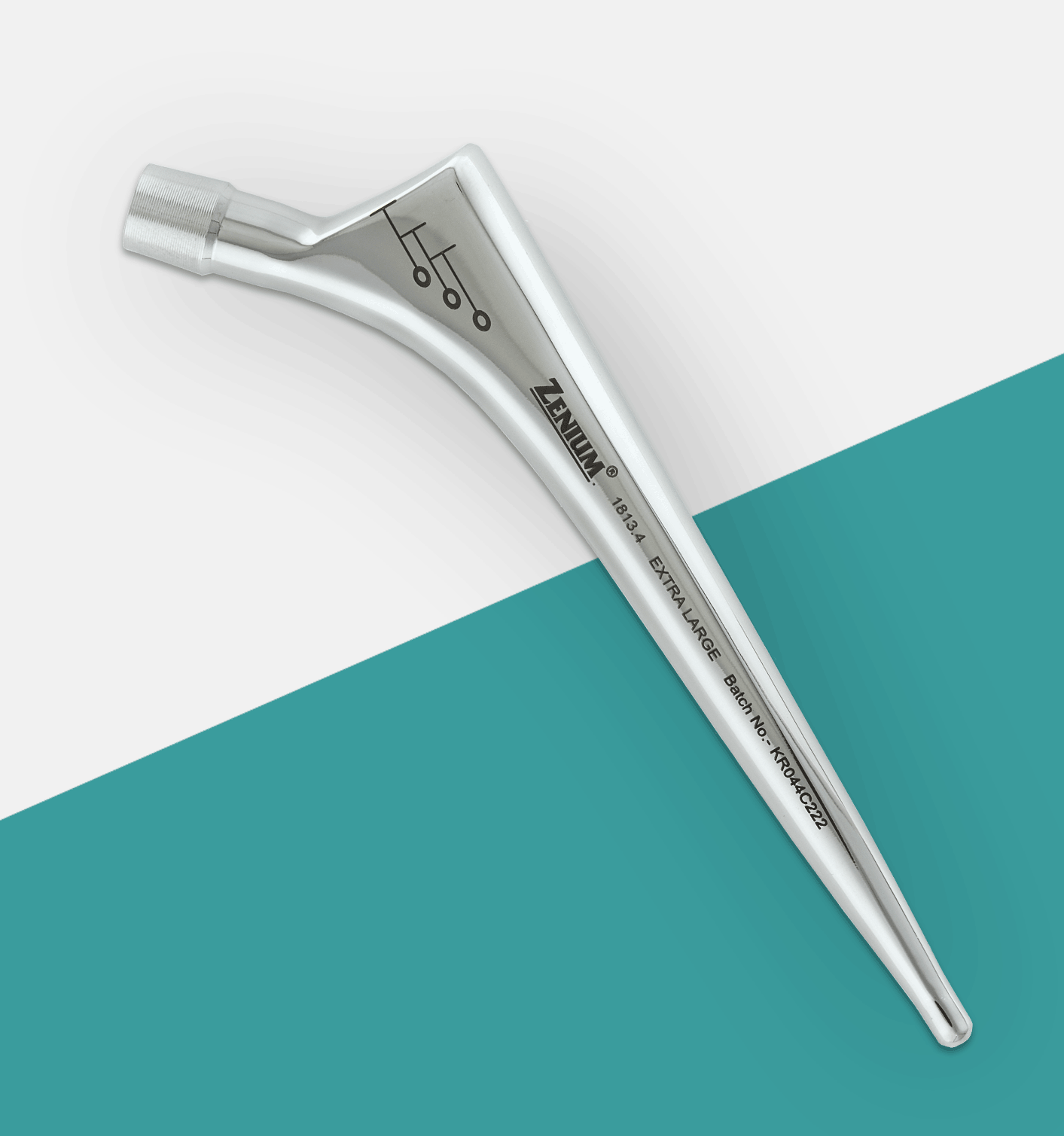 | Joint Replacement Bipolar Modular Stem (Cemented) Manufacturer The Bipolar Modular Stem (Cemented) is an orthopedic implant used in hip replacement surgeries, especially for elderly patients with fractured or... View product → |
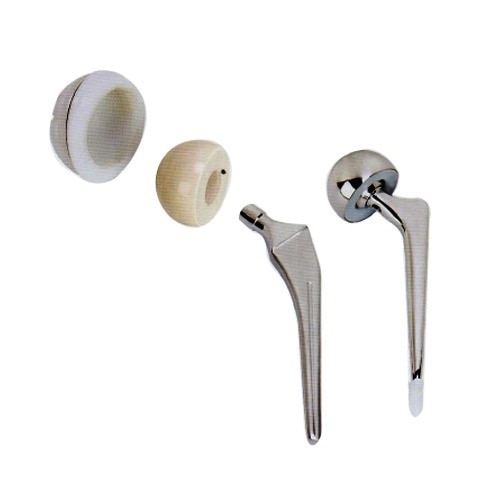 | Bipolar Hip Prosthesis We are manufacturer of Bipolar Prosthesis . Fix Bipolar and Modular Bipolar. Cup Size : 37 mm to 55 mm with 2 mm variation Material : S.S.316 L/LVM View product → |
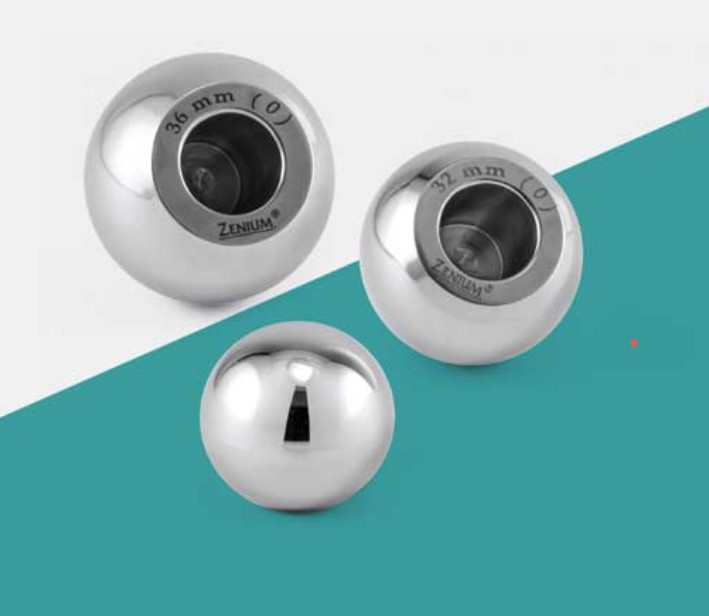 | Joint Replacement An Internal Head Manufacturer specializes in producing internal femoral heads used in hip replacement systems. View product → |
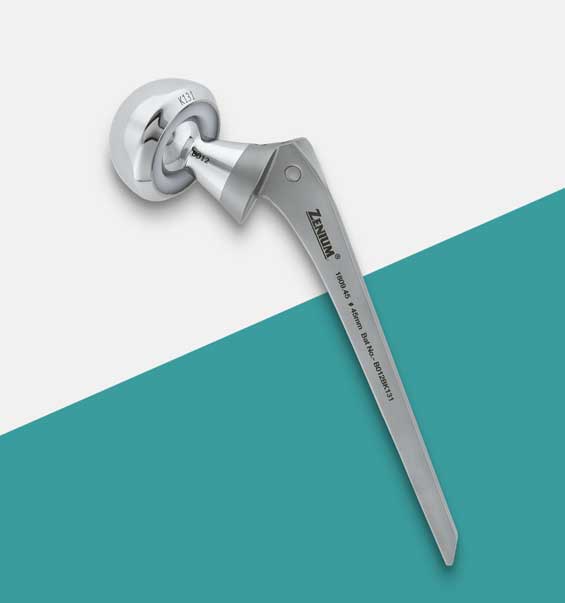 | Joint Replacement Bipolar Prosthesis (Non Fenestrated) Manufacturer The Bipolar Prosthesis (Non-Fenestrated) is a type of hip implant commonly used in hemiarthroplasty procedures, especially for treating femoral neck... View product → |