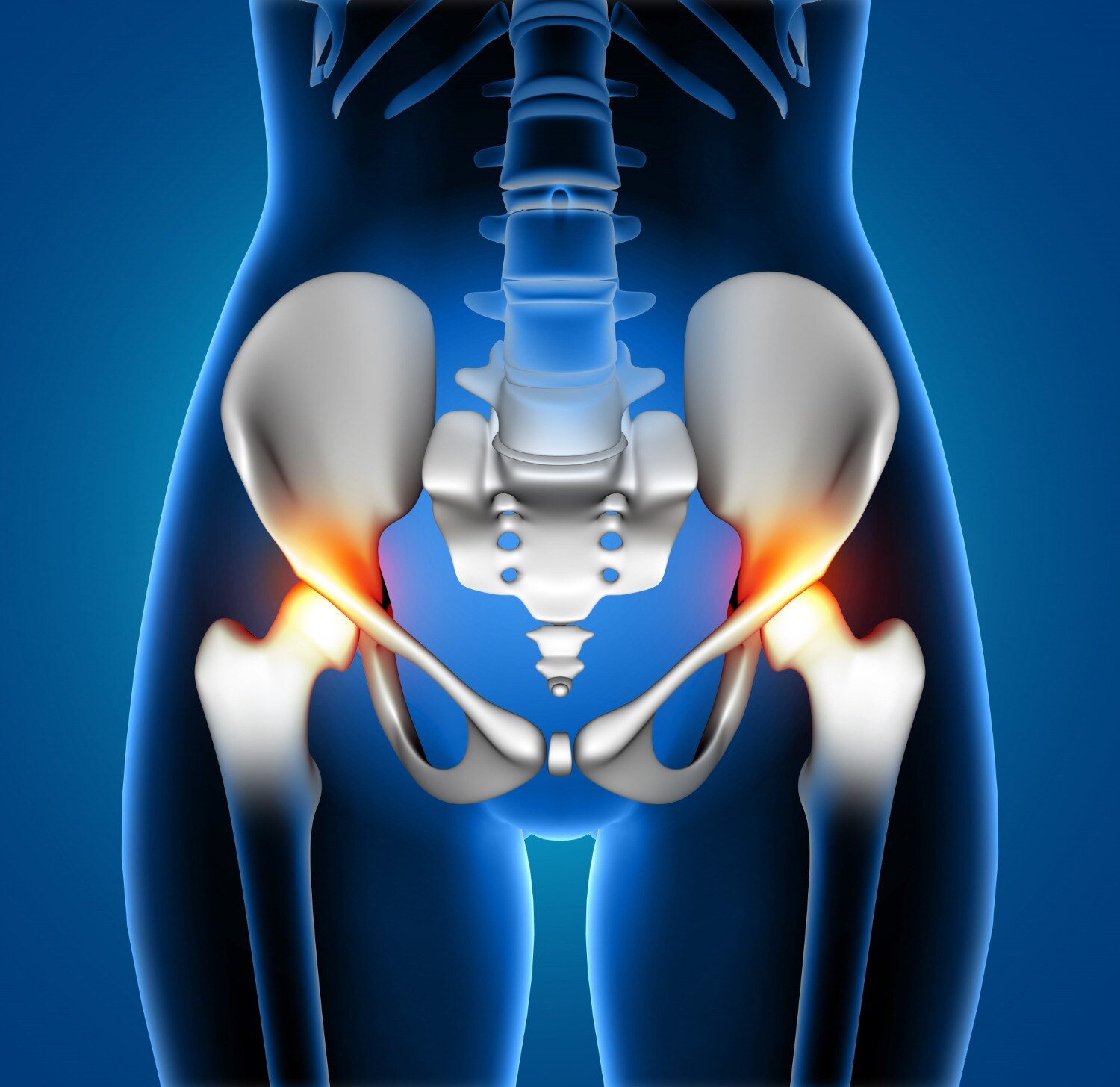
An acetabular THR screw is not a universal requirement and it is not the screw that attaches a femoral stem to the thigh bone. By the end, you will know when surgeons use no screws, one screw, or several; how pelvic anatomy limits trajectory and length; and which documents and compatibility details a Buenos Aires hospital should verify before procurement.
Key takeaways
- Use acetabular THR screws only when the cup design and bone fixation plan require them.
- Confirm screw diameter, length, thread, head, and driver before ordering.
- Check the cup system, instrument set, packaging, batch number, and traceability documents.
- Match screw trajectory and length to safe pelvic anatomy, not the cup hole alone.
Where an acetabular THR screw fits in hip replacement
An acetabular THR screw reinforces a cementless hip cup by passing through a hole in the metal component and gaining purchase in the pelvic bone. It is not the screw that attaches a femoral stem to the thighbone.
The practical meaning of THR screw hip replacement use is supplemental fixation: the press-fit cup provides initial stability, while the screw adds resistance to movement when bone purchase needs support.
Total hip replacement screw applications depend on the operation and the implant system’s instructions for use.
| Procedure | Role of the acetabular screw | When it applies |
|---|---|---|
| Primary cementless total hip replacement | Adds fixation to a press-fit acetabular shell | When press-fit stability, bone quality, or cup position leaves the surgeon wanting additional purchase |
| Revision total hip replacement | Secures a revision shell across remaining, deficient, or grafted acetabular bone | When prior implants, bone loss, or reconstruction make one contact area insufficient |
| Complex acetabular reconstruction | Works alongside augments, cages, or custom components | When a screw alone cannot manage a structural bone defect |
| Hemiarthroplasty or bipolar replacement | Not used to fix the femoral head prosthesis to the acetabulum | These procedures do not implant an acetabular cup |
| Fracture fixation without hip replacement | Serves fracture repair rather than cup fixation | This is a separate indication, even if the screw is also placed in pelvic bone |
Surgeons may use no screw, one screw, or several. They choose the number after assessing shell stability, pelvic anatomy, bone defects, and the approved cup design; each screw must avoid the joint and nearby neurovascular structures.
When surgeons use no screw, one screw, or multiple screws
A surgeon does not choose screw count from a universal number. In primary cementless THR, a hemispherical cup may remain stable through press-fit alone. No acetabular screw is reasonable when the cup is securely seated, bone purchase is reliable, and testing shows no unwanted movement.
| Option | What it means | When it applies |
|---|---|---|
| No screws | The cup relies on interference-fit stability | Good-quality bone, solid seating, and stable cup position |
| One screw | Adds a single point of supplemental initial fixation | A stable cup needs extra resistance to early migration, or bone quality is borderline |
| Multiple screws | Distributes fixation across several areas of the acetabulum | Poor bone, dysplasia, a large defect, intraoperative instability, or revision reconstruction |
Revision THR more often requires multiple screws because the surgeon may need fixation across deficient, grafted, or previously drilled bone. A revision shell may be combined with porous-metal augments, a cage, or a custom component; screws cannot replace structural treatment of a major defect.
Total hip replacement screw applications are therefore determined by press-fit stability, bone quality, cup position, revision status, and the acetabular system’s instructions for use. The guide controls the available holes, permitted screw sizes, and approved number of screws.
A screw count also concerns fixation through an acetabular cup or revision shell, not screws used in hemiarthroplasty, bipolar implants, or femoral fracture fixation.
How trajectory, length, and pelvic anatomy control fixation
A longer screw is not automatically a stronger or safer screw. Its usable length is limited by the acetabular cup’s internal geometry, the available bone, and the pelvic wall; excessive length can extend beyond the shell or medial cortex and irritate soft tissue or enter the pelvis.
Before drilling, the surgeon plans the entry point and trajectory against the cup’s screw-hole orientation, the recognised safe pelvic quadrants, and the patient’s anatomy. The posterior-superior region is commonly selected for fixation, while anterior or inferior directions require closer scrutiny. Structures at risk include:
- External iliac vessels
- Obturator canal and vessels
- Superior gluteal neurovascular structures
- Sciatic nerve and nearby posterior structures
The surgeon also avoids directing the screw into the hip joint, through deficient bone, or across a column where the planned length cannot be contained. The implant system’s technique guide defines the permitted screw diameter, length range, hole angle, and driver; those limits are not interchangeable between cups.
Intraoperative imaging or direct anatomic assessment becomes especially important in revision THR, where bone loss, grafts, augments, and distorted landmarks can make a standard safe-zone assumption unreliable. The team confirms cup seating and screw purchase, then checks for medial or extra-acetabular prominence before closure.
These controls matter in thr screw applications in buenos aires as much as anywhere else: a well-positioned cup does not make an excessively prominent screw harmless.
The compatibility checks that prevent a mismatched implant
A screw is compatible only when its dimensions and locking features match the exact acetabular cup model. For THR screw hip replacement use, do not substitute a generic orthopaedic screw because its threads or head may damage the shell, fail to lock, or prevent full seating.
Check the cup’s current instructions for use and surgical technique guide against these details:
| Compatibility check | What must match | What goes wrong if it does not |
|---|---|---|
| Diameter and thread | Specified screw diameter, pitch, thread profile, and bone-engagement design | Poor purchase, excessive insertion torque, or stripped bone |
| Length range | Approved lengths for the shell and the measured pelvic depth | Pelvic penetration or insufficient fixation |
| Head geometry | Head diameter, underside shape, and countersink depth | Prominent head, cup damage, or incomplete seating |
| Driver interface | Exact hex, Torx, or other driver size and engagement depth | Driver slippage and damaged recess |
| Hole and angle | Hole diameter, orientation, and permitted trajectory | Screw cannot pass, or exits outside the safe corridor |
| Locking feature | Compatible threaded hole, cap, washer, or non-locking design | The screw cannot secure the shell as intended |
Match the screw to the cup’s model, size, and revision construct, not merely to its advertised diameter. Confirm whether the system allows variable-angle insertion or requires a fixed axis; forcing a different angle can defeat the locking mechanism.
ASTM F543 addresses metallic bone screws and selected mechanical tests, but it does not prove compatibility with a particular cup or authorize the complete implant system. Keep the model code, lot number, sterilization status, and applicable instructions for use with the implant record.
What Buenos Aires buyers should verify before ordering
A Buenos Aires address does not prove that an implant is clinically procurable. Before ordering, document the product, its legal supply chain, and its intended acetabular system in one procurement file.
1. Check the device’s ANMAT registration or authorization status, then verify the legal manufacturer, Argentine importer, and distributor. A search result calling a company a “THR screw manufacturer Argentina” is not regulatory evidence.
2. Request the exact model and variants, screw diameter and lengths, material specification, sterilization status, packaging configuration, lot or batch number, shelf life, and current instructions for use. Record these details against the purchase order.
3. Confirm that the IFU identifies use with the named cementless cup or revision shell, including compatible hole geometry, driver, torque limits, and screw lengths. Do not substitute a screw because its thread appears similar; mismatch can prevent seating or damage the cup.
4. Ask for packaging and sterilization validation records, not only a sterile label. Inspect seals, expiration dates, lot traceability, and the process for handling damaged packs.
5. Treat ISO 13485 certification as evidence about the quality-management system, not as Argentine authorization or proof of clinical compatibility. ASTM F543 testing supports evaluation of metallic bone-screw performance, but it does not authorize a complete hip system.
6. State whether the order serves primary press-fit fixation, revision reconstruction, or fracture-related instability, and exclude products intended for hemiarthroplasty or bipolar prostheses. The surgeon must approve the system and technique guide.
Komal Health Care Pvt Ltd can be included in a supplier comparison only after these records establish which legal entity manufactures, exports, and supports the specified implant.
Related products
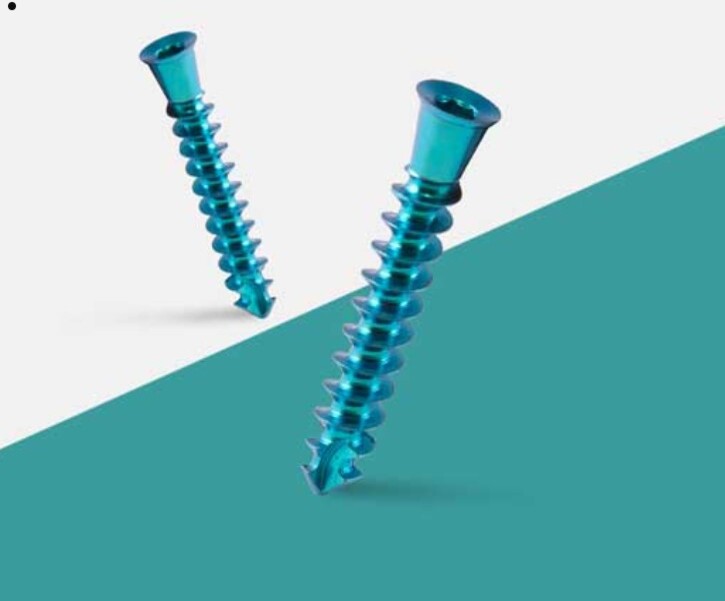 | Joint Replacement A THR Screw Manufacturer produces specialized screws used in Total Hip Replacement (THR) surgeries to secure implants and enhance joint stability. View product → |
 | Cancellous Screw We offer bone screws for orthopedic usage. These bone screws are available in different types like cortical bone screw, cannulated bone screws,... View product → |
Frequently asked questions
Where does an acetabular THR screw fit in hip replacement?
It passes through a hole in a cementless acetabular cup and gains purchase in pelvic bone. It does not attach the femoral stem to the thighbone.
When are no screws, one screw, or multiple THR screws used?
The choice depends on the cup design, initial press-fit stability, bone quality, defect pattern, and the surgeon’s fixation plan. Do not add screws solely because the cup has unused holes.
How do trajectory and length affect acetabular screw fixation?
The surgeon selects a safe trajectory and length that provide pelvic-bone purchase while avoiding vessels, nerves, the joint, and the inner pelvic cavity. A longer screw is not automatically stronger.
What compatibility checks prevent a mismatched THR screw?
Match the screw to the exact acetabular cup system, hole geometry, thread, diameter, length range, head profile, and driver. Confirm the manufacturer’s approved combination before use.
What should Buenos Aires buyers verify before ordering THR screws?
Request the exact product code, dimensions, material, sterilisation status, expiry date, lot or batch number, instructions for use, implant compatibility list, and traceability documents. Confirm that the supplier can support the required instrument set.