Seasonal purchasing patterns can obscure a crucial distinction: a modular bipolar cup is usually used for hemiarthroplasty, while total hip replacement requires an implanted acetabular component. By separating emergency fracture demand from scheduled arthroplasty, checking construct compatibility and analysing Buenos Aires-specific data, you can forecast inventory without buying the wrong components or treating shipment peaks as surgical demand.
Key takeaways
- Separate bipolar hemiarthroplasty cases from total hip replacement forecasts.
- Plan fracture and elective-surgery peaks as different demand patterns.
- Choose the procedure before ordering modular bipolar or total hip components.
- Check sizes, compatibility, documentation and lead times before stocking implants.
Separate Bipolar Hemiarthroplasty Demand from Total Hip Replacement Demand
A forecast labelled “modular bipolar cup total hip replacement seasonal demand” should not treat every hip component as one product. Count implants by procedure and function: a bipolar system replaces the femoral head while the patient’s native acetabulum remains, whereas conventional total hip replacement replaces both the femoral and acetabular surfaces.
Combining them creates a false seasonal signal.
| Product group | Count it as | What it represents |
|---|---|---|
| Bipolar cups and matching modular heads | Bipolar hemiarthroplasty demand | Femoral-head replacement, commonly after a displaced intracapsular femoral-neck fracture |
| Acetabular shells, liners and compatible total-hip heads | Total hip replacement demand | An implanted acetabular surface paired with a femoral component |
| Femoral stems and modular heads | Shared or procedure-specific demand | The femoral side used in either construct, tracked separately to prevent double counting |
For modular bipolar cup applications, count the cup and its compatible head against hemiarthroplasty cases, not against conventional total hip cases. A bipolar cup is not a substitute for a total-hip acetabular shell; treating it as one inflates projected total-hip volume and hides the actual fracture-related requirement.
Track femoral stems and heads separately because both procedures consume them, but do not assume identical size patterns. Record implant size, side, procedure and emergency or elective status. Keep trial components and instrument sets in a separate availability plan: they affect readiness, not implant-unit demand.
This separation also exposes whether a seasonal increase comes from fracture admissions or scheduled arthroplasty.
Why Fracture Admissions and Elective Surgery Create Different Seasonal Peaks
Forecast modular bipolar cup total hip replacement demand as separate streams, because a fracture surge and an elective arthroplasty list do not peak together. A modular bipolar cup is a hemiarthroplasty component: it articulates with a modular femoral head and the patient’s acetabulum.
Conventional total hip replacement uses an implanted acetabular cup as well, so these units cannot share one seasonal signal.
Count these product groups separately:
- Bipolar hemiarthroplasty cups and heads for urgent fracture cases.
- Standard total-hip acetabular components for planned arthroplasty.
- Femoral stems and modular heads, which can serve either pathway but have different size and replenishment patterns.
| Demand stream | What changes seasonally | Stocking consequence |
|---|---|---|
| Emergency fracture admissions | Winter trauma volume can shift with falls, referral patterns, age mix and local weather; Buenos Aires requires local monthly evidence rather than an assumed northern-hemisphere winter uplift. | Hold immediately available cup and head sizes plus instrument sets; annual averages can hide short stockouts. |
| Elective total hip replacement | Theatre schedules, surgeon lists, holidays and patient authorisation move cases between months. | Plan against confirmed requirements, then align orders with public tenders, budget closes and private-hospital replenishment cycles. |
Choose the Procedure Before You Choose the Cup
Use a modular bipolar cup primarily for an older patient with a displaced intracapsular femoral-neck fracture when replacing the femoral head while preserving the native acetabulum is appropriate. It is a hemiarthroplasty component, not the acetabular implant for total hip replacement.
| Option | What the procedure replaces | When it applies |
|---|---|---|
| Modular bipolar hemiarthroplasty | Femoral head; the native acetabulum remains | Displaced intracapsular fracture in an older patient with limited functional demand, substantial comorbidity, or lower expected independent mobility |
| Total hip replacement | Femoral head and acetabular surface | A selected, independently mobile patient with suitable health, life expectancy, pre-fracture function, and ability to remain mobile outdoors |
| Neither choice by product label alone | The complete clinical decision | Cases with acetabular disease, unusual fracture patterns, infection, or anatomy requiring a different reconstruction plan |
Plan total hip replacement for a fracture patient who was independently mobile before injury and is expected to remain active outdoors, provided comorbidity and life expectancy support the larger operation. It gives that patient an implanted acetabular bearing instead of leaving the native socket to articulate with the bipolar component.
Do not treat modular bipolar cup applications as interchangeable with elective total hip arthroplasty. Stocking a bipolar cup for a planned total hip case creates the wrong construct: it replaces neither the acetabular shell nor its liner. The distinction also matters for revision risk, acetabular erosion, instruments, and component demand.
Build a Buenos Aires Forecast from Cases, Sizes and Lead Times
Use 24 months of Buenos Aires hospital data before applying any seasonal uplift. Record the operation date, emergency or elective status, admission source, cup size, head size, stem pairing, cancellations, back orders and actual supplier lead time. Shipment totals alone mislead you when a distributor builds stock before a tender.
Separate the forecast into these product groups:
- Bipolar hemiarthroplasty cups and heads for fracture admissions.
- Acetabular components for planned total hip replacement.
- Femoral stems and heads, matched to the procedures and sizes they serve.
Compare monthly cases with monthly implant consumption, then calculate size-specific demand. A winter increase in fractures is a hypothesis, not a Buenos Aires planning assumption; test it against local admissions, falls, age distribution and referral patterns. Track holidays and elective theatre closures separately because they can reduce scheduled cases while emergency demand continues.
Public and private purchasing channels need separate calendars. Record tender publication, award, delivery window, approved-vendor requirements and consignment rules for each buyer. A quotation for hip replacement components Argentina should identify whether it covers implants, instruments, consignment stock and technical support, and which jurisdiction is contracting.
For total hip replacement implant supply in Buenos Aires, confirm ANMAT registration or authorisation, the local importer or legal representative, Spanish labelling and import documents before relying on a promised lead time. Komal Health Care Pvt Ltd can be assessed using the same evidence: size availability, complete instrument support and documented replenishment performance.
Related products
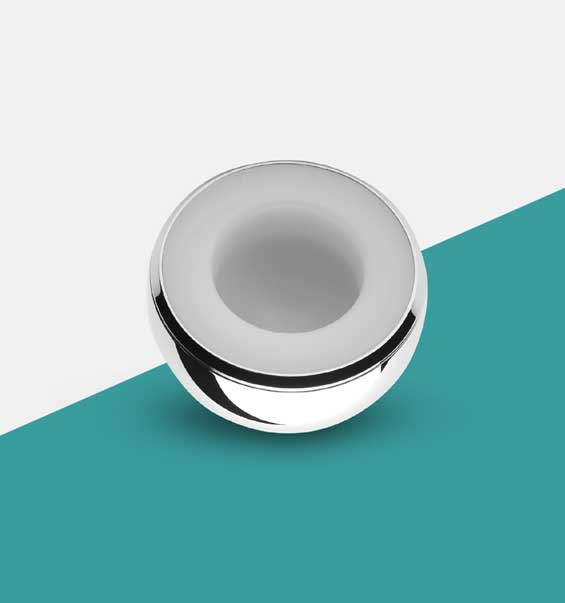 | Joint Replacement Modular Bipolar Cup Manufacturer A Modular Bipolar Cup Manufacturer specializes in producing advanced orthopedic components used in hip replacement surgeries. View product → |
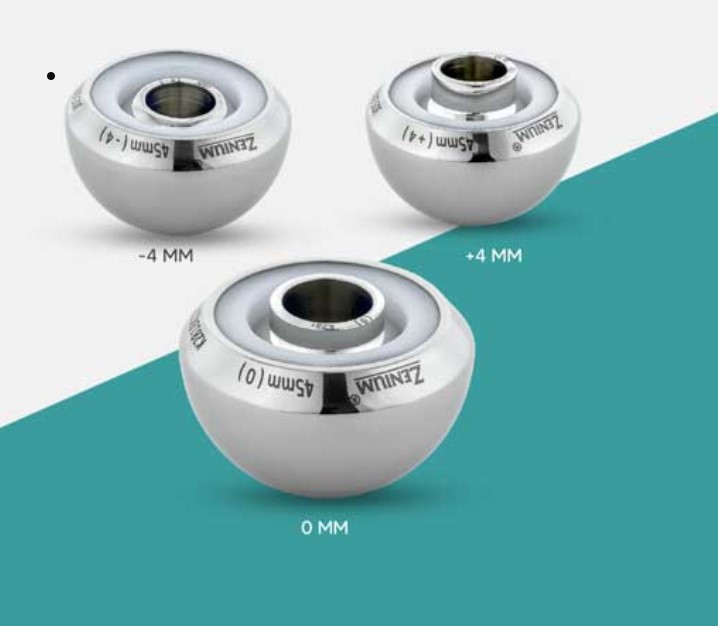 | Joint Replacement Modular Bipolar Cup (With Head) Manufacturer The Modular Bipolar Cup (With Head) is an advanced hip implant system used in hemiarthroplasty procedures, particularly for treating femoral neck... View product → |
Verify the Complete Construct Before Stocking a Modular System
Do not stock a modular bipolar cup head until the complete construct is proven compatible. The cup, inner bearing, femoral head, stem taper and insertion instruments must match an approved combination; a head with the right diameter can still fail if its taper or retention mechanism differs.
1. Request the manufacturer’s compatibility chart. Match head diameter, taper specification, locking or retention design, bearing material and shell-size range to the exact cup and femoral stem. Confirm that the proposed combination is approved, not merely physically assembleable.
2. Confirm the intended procedure. A bipolar cup is a hemiarthroplasty component: it replaces the femoral head and articulates externally with the patient’s acetabulum. It is not the acetabular implant for conventional total hip arthroplasty.
3. Check the regulatory file before requesting a delivery date. For hip replacement components argentina, verify ANMAT registration or authorisation, the Argentine legal representative or importer, Spanish labelling, and the import and distribution documents required for Buenos Aires.
4. Test supply continuity at size level. Require lot traceability, certificates of conformity, sterile-packaging and expiry controls, complaint and recall procedures, replacement instruments, and a plan for size-specific consignment stock. Ask how quickly the supplier replaces a recalled or damaged item.
A modular bipolar cup head supplier that cannot document approved combinations or replenish one high-use size is not a safe seasonal source. Treat hip replacement components argentina as a complete, traceable system rather than a catalogue of interchangeable parts.
Frequently asked questions
How does seasonal demand differ between bipolar hemiarthroplasty and total hip replacement?
Forecast them separately because bipolar hemiarthroplasty replaces the femoral head while the native acetabulum remains, whereas total hip replacement replaces both hip surfaces.
Why do fracture admissions and elective hip surgery produce different seasonal peaks?
Fracture admissions require urgent stock and respond to acute injury patterns, while elective procedures follow scheduled operating lists, surgeon availability and hospital planning cycles.
How should you forecast hip replacement components in Buenos Aires?
Use procedure volumes, historical monthly cases, required sizes, safety stock and supplier lead times to build a forecast for Buenos Aires hospitals and distributors.
What should you verify before stocking a modular bipolar cup system?
Confirm the complete construct, including cup and head compatibility, available sizes, instruments, sterile packaging, batch information and required product documentation.