A gauze roll and a non woven swab differ in construction, handling and control of absorbent material, so the cheaper pack is not automatically the better choice. By comparing material, wet performance, preparation time and intended use, you can specify the right product for wound care, packing, wrapping or surgical workflows in Buenos Aires.
Key takeaways
- Use rolls for flexible lengths and swabs for consistent, ready-to-use units.
- Match absorbency, lint, ply and sterility to the wound or procedure.
- Compare cutting time, packaging waste and contamination risk before ordering.
- Specify size, material, ply, pack count, sterility and packaging language clearly.
What is the difference between a gauze roll, gauze swab and non woven swab?
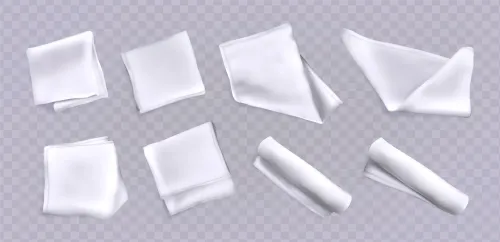
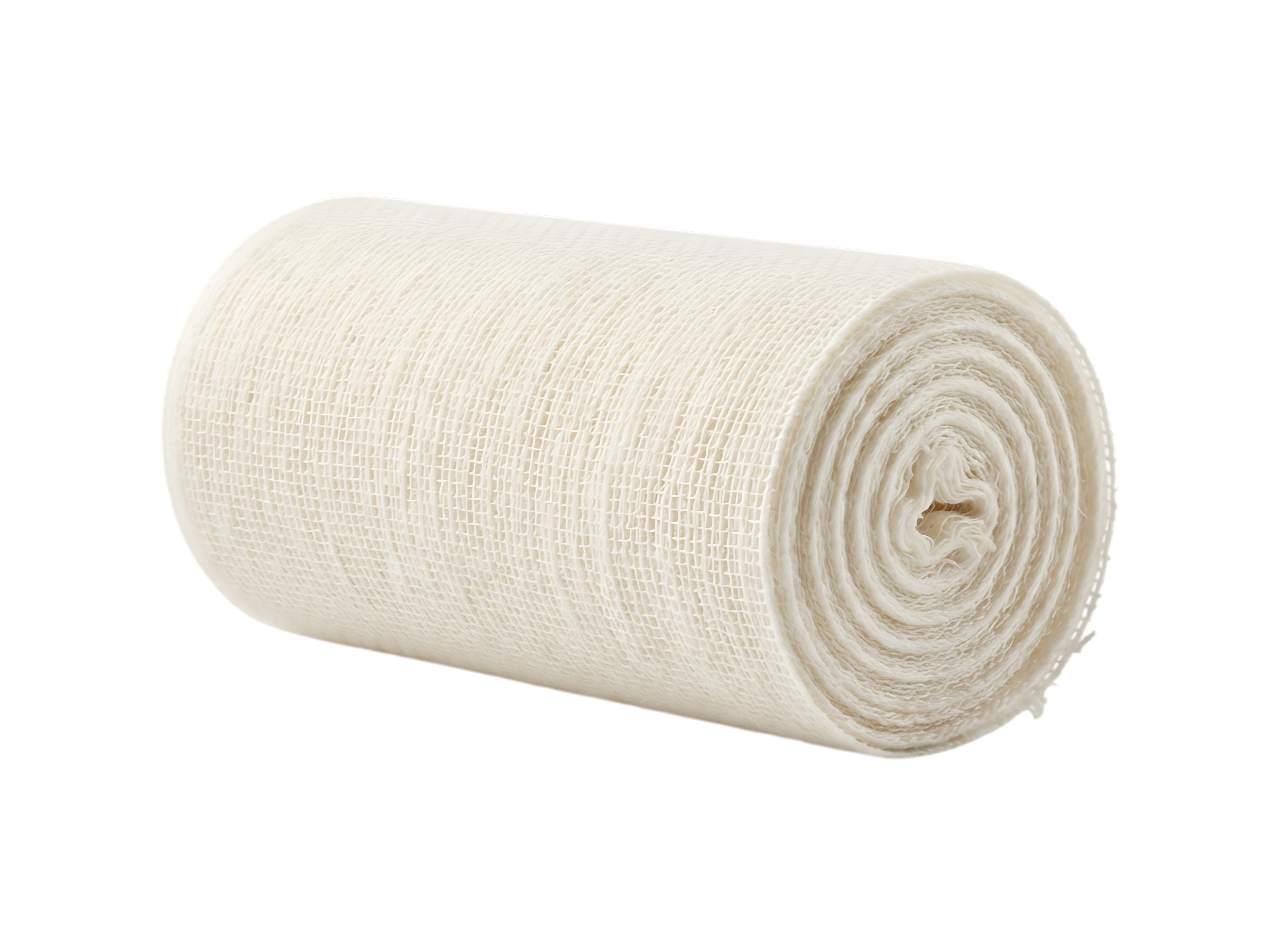
A gauze roll is a continuous or long-length sheet, usually woven from cotton warp and weft yarns, which staff cut or fold to the required length. A gauze swab is a pre-cut, folded unit with a defined finished size, ply and pack count.
A non woven swab is a bonded fibre web, not interlaced fabric; it may contain rayon or viscose, polyester, polypropylene or a blend.
| Format | Construction | What you receive |
|---|---|---|
| Gauze roll | Woven cotton yarns in a continuous length | Adjustable pieces, folded coverage or packing strips |
| Gauze swab | Cut and folded woven fabric | Uniform finished dimensions, ply and pack quantity |
| Non woven swab | Bonded fibre web | A pre-cut unit whose fibre mix and bonding affect drape, wet strength, absorbency and lint |
“Gauze” alone is inadequate for purchasing because two products with that name can deliver different coverage, strength and usable absorbent area. Non-woven does not automatically mean more absorbent or lower-lint than cotton gauze. Compare liquid uptake per gram or per finished swab using the same test liquid, contact time, compression, basis weight and ply.
State these details in the specification:
- Width and length for a roll, or finished dimensions after folding
- Ply and basis weight in grams per square metre
- Pack quantity, sterile or non-sterile status, and radiopaque-marker requirement
- Fibre composition, edge construction, packaging, expiry and lot traceability
Sterility belongs to the finished product, its packaging and a validated sterilization process—not to cotton or non-woven material itself.
How do gauze rolls and non woven swabs compare in use?
A gauze roll comparison non woven swab in Buenos Aires should start with use, not the word “absorbent.” Woven cotton gauze conforms well and offers familiar uptake, but cutting or unfolding can release threads, fray edges, pull yarns and create lint.
A non woven swab is a bonded web with a sealed, repeatable edge; rayon or cellulose-containing fibres wet readily with aqueous fluid, while polyester or polypropylene improve wet strength and dimensional stability. Polypropylene-only webs are more hydrophobic.
| Feature | Gauze roll | Non woven swab |
|---|---|---|
| Material and construction | Interlaced cotton yarns supplied in a continuous length | Bonded rayon, cellulose, polyester, polypropylene or blended fibres |
| Absorbency | Familiar uptake; adjustable folded thickness | Consistent finished unit; performance depends on fibre blend and bonding |
| Lint and edges | Cutting and unfolding can release lint and loose threads | Sealed edges usually support low-lint handling |
| Strength | Yarn structure conforms well but can fray or pull out | Polyester or polypropylene can resist wet breakdown |
| Conformability and coverage | Flexible; cut longer, wider or larger pads | Uniform size; less adaptable to irregular coverage |
| Intended use | Broad areas, variable padding and larger sponges | Routine cleaning, fragile tissue and repeatable dressing units |
Compare absorbency only with the same method: liquid uptake per gram or finished swab, recording basis weight, ply, test liquid, contact time and compression. For routine cleaning, consistent size and low lint can matter more than a broad uptake claim; neither material is universally superior.
Which format fits the wound, dressing or procedure?
Choose a non woven swab for routine cleaning, fragile tissue, low-lint handling and workflows that need uniform pre-cut pieces. Choose a gauze roll for large or irregular wounds, custom lengths, wrapping, padding, securing a secondary dressing and variable absorbent coverage.
| Format | Best fit | Main limitation |
|---|---|---|
| Non woven swab | Cleaning, low-lint applications and repeatable dressing changes | Less adaptable for wrapping, packing or unusually large areas |
| Gauze roll | Large wounds, irregular surfaces, custom pads and securing layers | Cutting adds frayed edges, waste, counting and contamination-control steps |
| Gauze swab | Defined external dressing or cleaning unit | Fixed size and ply limit adjustment |
Match the finished size and ply to exudate, not to thickness alone. A thicker product does not automatically absorb more; compare the finished unit, fibre blend and test data. Use enough area to contact the wound without compressing fragile tissue or leaving saturated material against the skin.
For packing, control every piece:
- Specify the strip length or swab size before use.
- Leave a visible tail outside the cavity.
- Record the number inserted and removed.
A narrow cut piece or small swab can remain in a cavity. Count individual sponges even when each is packaged separately.
A swab or sponge used in a surgical cavity is not equivalent to an external dressing. For an operative field, require a radiopaque marker, a procedure-appropriate counting system and labeling that expressly supports internal use. A marker alone does not make ordinary dressing gauze suitable for internal use.
What do preparation time, waste and contamination control change?
Pack price hides labour and loss. A gauze roll offers exact lengths and broad or irregular coverage, but staff must cut, fold, count and store each prepared piece.
| Option | Preparation | Main operational effect |
|---|---|---|
| Gauze roll | Cut and fold to size | Flexible coverage, but exposed edges, fraying, lint, inconsistent units and cutting waste |
| Non woven swab | Open a pre-cut, folded unit | Faster, repeatable handling, with less preparation in busy workflows |
A cut section must not be reused. Manual preparation also adds handling, storage and contamination-control steps; a roll can suit packing or wrapping better, while a non woven swab is less suitable for either.
Pre-cut non woven swabs reduce preparation time in emergency, operating-room and high-throughput dressing workflows. Their fibre blend can affect wet strength, and you need supplier test data before assuming absorbency.
Compare usable absorbent area and the number of dressing changes, not only pack price. A cheaper roll can lose its advantage through discarded offcuts, rework and counting time.
Build these controls into the workflow:
- Inspect packaging integrity before opening and use the specified opening technique.
- Check expiry dates and keep lots segregated.
- Record the lot when traceability is required.
- Count every swab or sponge used in a wound or operative field.
Individual packaging does not prevent retention. Control the length, visible tail and removal count for packing, then reconcile every item.
What should a Buenos Aires buyer put in the product specification?
Write the specification as a measurable pass/fail document, not as “gauze.” For a gauze roll comparison with a non woven swab in Buenos Aires, request samples or documented data for:
1. Form and dimensions: identify a continuous gauze roll, pre-cut gauze swab or pre-cut non woven swab. Record roll width and length, or the finished folded dimensions, ply, grams per square metre and pack quantity.
2. Material performance: state fibre composition, absorbency test results, wet tensile strength, lint or particle shedding, and edge construction. Require the test method, liquid, contact time and result units so suppliers cannot hide different constructions behind the same absorbency claim.
3. Intended use: select external dressing, cleaning, packing, wrapping or surgical-cavity use. For packing, specify strip length, a visible tail and removal counting. For an operative field, require radiopaque-marker presence and a procedure-appropriate counting system; a marker alone does not make external dressing gauze suitable for cavity use.
4. Finished-product controls: verify sterile or non-sterile status, sterilization method, package integrity, expiry date and lot traceability separately from fibre composition. Require Spanish labeling that identifies the use, limitations and handling instructions.
5. Regulatory file: confirm Argentine regulatory status with ANMAT. CE marking or a foreign catalogue description does not replace Argentine requirements. CABA and Province of Buenos Aires tenders can request different documents, but both remain under the national device framework.
Assess Komal Health Care Pvt Ltd beside other suppliers against these measurements, not against the word “gauze” alone.
Related products
 | Surgical Disposable We offer a superior range of sterile gauze swabs which are in high demand among our Indian and international clients. View product → |
 | Gauze Roll We produce and supply to our clients, a wide range of Gauze Rollthat are hygienically made so that they are safe to use in various medical... View product → |
Frequently asked questions
What is the difference between a gauze roll, gauze swab and non woven swab?
A gauze roll is a continuous or long-length woven sheet cut or folded as needed. A gauze swab is a pre-cut, folded woven unit. A non woven swab uses bonded or mechanically entangled fibres rather than cotton warp-and-weft yarns.
When should you choose a gauze roll instead of a non woven swab?
Choose a gauze roll when you need variable lengths, custom folding or broad coverage. Choose a non woven swab when consistent size, low lint and quick preparation matter more than custom sizing.
How do preparation time, waste and contamination control affect the choice?
A roll requires measuring, cutting and folding, which creates offcuts and extra handling. Pre-cut swabs reduce preparation steps and handling, while sealed single-use packs help control exposure before use.
What should a Buenos Aires buyer include in the product specification?
State the material, finished dimensions, ply, absorbency or lint requirements, sterile or non-sterile status, pack count, packaging format, labelling language and required documentation.