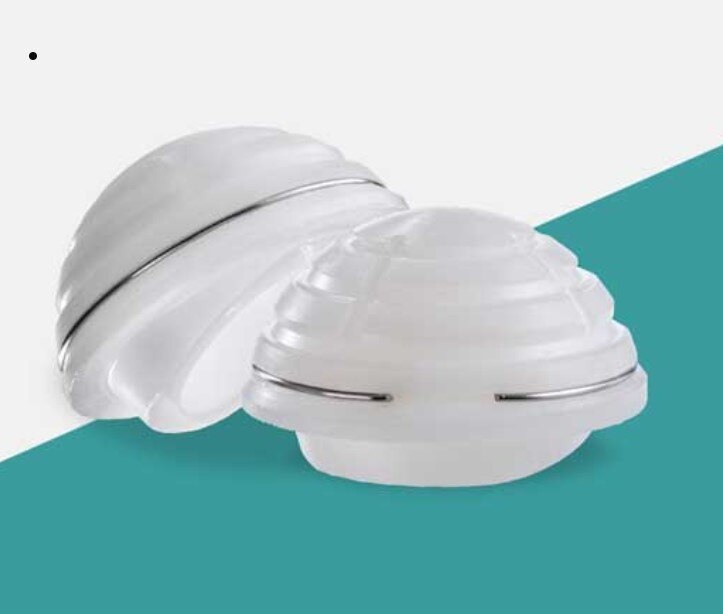
A usable specification must separate the shell’s outside diameter from the liner’s bearing diameter, then connect both measurements to a compatible femoral head and fixation method. By the end, you will have a practical checklist for sizing, compatibility, fixation, and Argentine procurement without treating a bipolar prosthesis size range as a total-hip cup standard.
Key takeaways
- Request shell, liner, head and instrument compatibility in one specification sheet.
- Match shell size to imaging and the prepared acetabulum, not the X-ray alone.
- Confirm liner material, inner diameter, locking mechanism and compatible femoral heads.
- Verify fixation holes, instruments, documentation and local ordering requirements before purchase.
Which measurements define a total-hip acetabular cup?
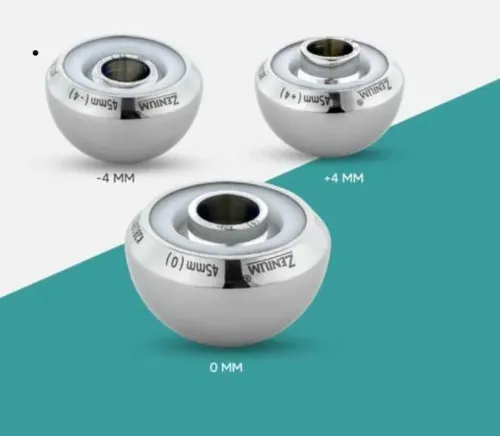
A total-hip acetabular cup is defined by a component set, not one nominal diameter. A modular construct can include a metal shell, articulating liner, femoral head and supplemental fixation. Request the shell outer diameter, shell thickness, shell internal diameter, size increments, liner internal diameter, compatible head diameters, shell geometry, fixation-hole pattern and required instruments.
A 52 mm shell measures 52 mm across its outside; its liner can have a substantially smaller bearing diameter. Match the liner to the shell family, locking geometry and inner diameter—not merely to a radiographic or catalogue number. A mismatched liner can lock incorrectly, alter the hip centre or provide inadequate thickness.
For acetabular cup specifications total hip replacement in Buenos Aires, remember that adult systems marketed in Argentina do not follow a national anatomical size series. Individual catalogues often span roughly the mid-40 mm to low-70 mm shell range in 2 mm increments, but the manufacturer’s catalogue controls the actual sizes.
The 37–55 mm range published for a bipolar hip prosthesis cannot substitute for total-hip shell sizing.
Request these fields for acetabular cup sizes Argentina:
- Shell family and size
- Shell thickness or minimum wall data, where supplied
- Liner family, size, material and inner diameter
- Femoral-head diameter and bearing couple
- Shell geometry and screw-hole configuration
- Required instrument tray and compatible fixation screws
| Component | Measurement or field | What it identifies |
|---|---|---|
| Shell | Outer diameter | Acetabular bone coverage |
| Liner | Inner diameter | Bearing size and head compatibility |
| Fixation | Hole pattern | Approved screw options and trajectories |
How do you select the shell size from imaging and the prepared acetabulum?
A planned diameter becomes the final shell only after the surgeon matches imaging, bone preparation, morphology, and the implant system’s reamer-to-shell specification.
Preoperative planning uses an anteroposterior pelvis radiograph and an AP or lateral hip view to estimate the hip centre, bone stock, component orientation, and provisional shell range. Add CT when three-dimensional bone loss, dysplasia, pelvic discontinuity, or unusual anatomy makes plain-film planning insufficient.
| Stage | What the surgeon assesses | Result |
|---|---|---|
| Radiographs | Hip centre, coverage, bone stock, orientation | Provisional shell range |
| CT | Three-dimensional defects and unusual anatomy | Refined plan or changed reconstruction |
| Trialing | Seating, coverage, orientation, stability, liner-head relationship | Confirmation or revision of the plan |
In surgery, sequential hemispherical reaming prepares the cavity while preserving the intended anterior, posterior, superior, and medial walls. Trial cups then show whether the component seats fully, covers the defect, restores the planned centre, and remains stable with the trial liner and femoral head.
Do not treat the familiar 1–2 mm interference rule as universal. Press-fit interference is design-specific, so the final shell must meet the manufacturer’s stated initial fixation condition rather than simply equal the largest trial that enters.
Choosing from guessed acetabular cup sizes argentina can cause insufficient coverage, excessive bone removal, poor initial stability, an altered hip centre, or an unavailable liner-and-head combination. The surgeon must make the final choice.
What must an acetabular cup liner specification include?
A liner specification must identify the bearing surface and every component that locks to it. For acetabular cup specifications for total hip replacement in Buenos Aires, request these fields:
- Liner material and grade: polyethylene, highly cross-linked polyethylene, ceramic, or metal
- Intended bearing couple and internal diameter
- Minimum or nominal liner thickness, where supplied
- Locking mechanism, anti-rotation features, and permitted shell orientation
- Neutral or elevated-rim geometry
- Offset options and their effect on reconstructed hip geometry
- Compatible shell family and approved femoral-head diameters
The liner’s internal diameter defines the bearing surface; it is not the shell’s outside diameter. A 28 mm, 32 mm, 36 mm, or larger head is usable only when the selected shell size, liner thickness, bearing material, taper, and system catalogue approve that combination.
| Liner choice | Required compatibility check | What goes wrong if assumed |
|---|---|---|
| Polyethylene or highly cross-linked polyethylene | Head diameter, shell lock, liner grade | Excessive wear or incorrect engagement |
| Ceramic | Liner material, head taper, diameter, locking system | Fracture, incompatibility, or seating failure |
| Metal | Liner material, taper, diameter, locking system | An unapproved bearing couple and avoidable wear risk |
An elevated-rim liner changes orientation and stability; an offset liner changes reconstructed geometry. Neither is a neutral liner with different packaging.
Before opening sterile packaging, verify the exact manufacturer catalogue code, implant system name, shell size chart, liner code, head code, and lot or batch documentation. The same nominal shell does not make different liner materials interchangeable.
How do fixation design and bone preparation change the specification?
Fixation design changes both the bone preparation and the fields you must specify. For acetabular cup specifications total hip replacement in Buenos Aires, compare the fixation method with the bone available, not with the catalogue diameter alone.
| Option | Required specification and preparation | When it fits |
|---|---|---|
| Cemented cup | Bone-cement type, handling instructions, cement pressurisation, and the specified mantle technique; prepare the acetabulum exactly as the technique guide directs. | Use only when that cement technique and bone preparation can be achieved. Incorrect mantle technique compromises fixation. |
| Porous-coated press-fit shell | Prepared hemispherical bone, the approved reamer-to-shell relationship, adequate interference, and immediate mechanical stability. | Use when the cavity can hold the shell securely. If initial stability is inadequate, migration, loosening, or early failure can follow. |
| Screw-assisted shell | Hole pattern, screw trajectories, permitted lengths, safe-zone instructions, screw-head design, and whether screws are optional or required. | Use when the holes and trajectories reach suitable available bone. Screws are not automatically interchangeable or mandatory. |
| Dual-mobility cup | Dedicated shell, mobile polyethylene component, compatible head, liner, and instruments. | Use when the complete approved construct is available; it is not a standard liner substitution. |
The surgeon decides the exact reaming sequence, cement steps, screw placement, and final fixation method from the device-specific technique guide. A screw-assisted system is unsuitable when its defined holes cannot safely fit the patient’s bone, while a cemented design is unsuitable when its specified mantle cannot be produced.
A dual-mobility construct fails the specification test if any approved component or instrument is missing.
What should Buenos Aires hospitals verify before ordering a cup system?
A technically complete listing names the device, the responsible entities, and the documents that let your hospital trace one sterile component from catalogue to patient. A Buenos Aires address, export website, or sales office does not prove local manufacture: the manufacturing site, legal manufacturer, exporter, and Argentine importer may be different entities.
1. Request the legal manufacturer, manufacturing site, exporter, Argentine importer or distributor where applicable, establishment authorization, and ANMAT authorization or registration for the specific device. Require Spanish-language labelling and instructions, sterile-barrier configuration, sterilization method, expiry date, storage limits, lot or batch number, and traceability records.
A statement that an implant is “sterile” without packaging and shelf-life evidence is incomplete.
2. Request the shell-to-liner and liner-to-head compatibility matrix, catalogue codes, shell and liner size chart, approved bearing combinations, instrument-tray list, screw specifications, hole pattern, screw lengths, trajectories, and safe-zone instructions. Check these documents against the surgeon’s approved system, not against a similar-looking cup.
Claims about acetabular cup sizes argentina do not replace the manufacturer’s actual catalogue.
3. Apply this documentary test to every acetabular cup manufacturer in Buenos Aires. Komal Health Care Pvt Ltd can be assessed alongside other suppliers only by its exact total-hip system, traceability, regulatory file, catalogue compatibility, and surgeon approval.
Never substitute a bipolar cup’s 37–55 mm listing for a total-hip shell range. Do not release any component until shell, liner, head, fixation, and lot-level documentation are confirmed as one system.
Related products
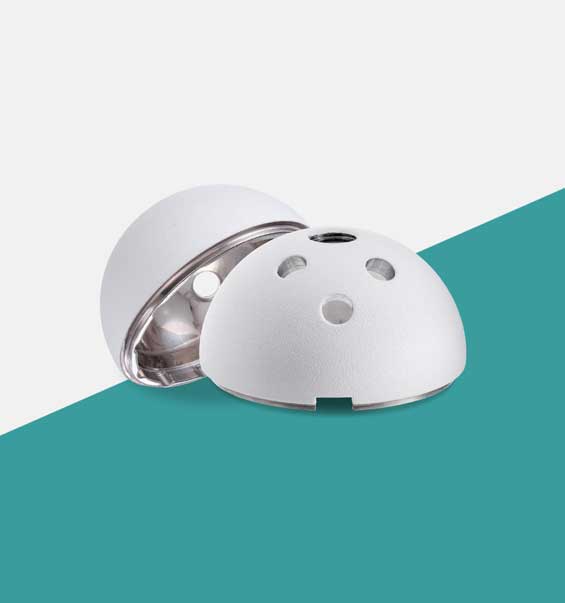 | Joint Replacement The Acetabular Cup is a key component in total hip replacement surgery, designed to fit into the hip socket (acetabulum). View product → |
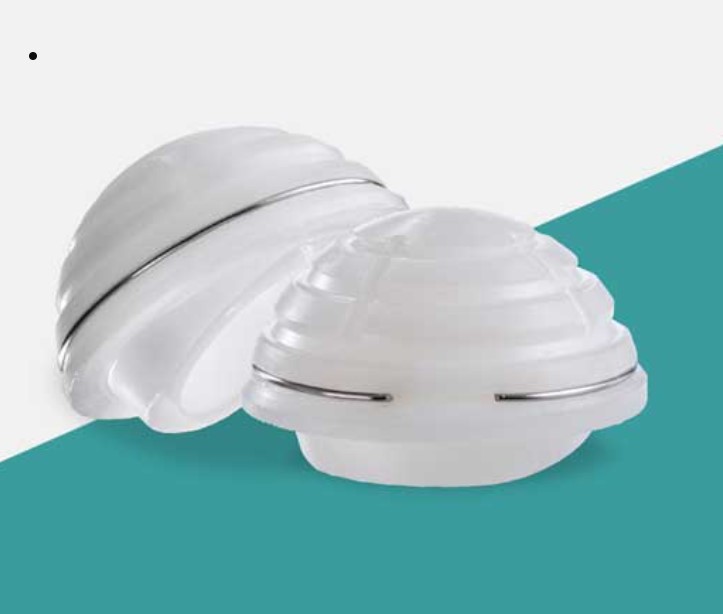 | Joint Replacement Acetabular Cup Cemented Manufacturer An Acetabular Cup Cemented Manufacturer produces acetabular components specifically designed for cemented fixation in total hip replacement... View product → |
Frequently asked questions
Which measurements define a total-hip acetabular cup?
Request the shell outer diameter, shell thickness, internal diameter, size increments, liner internal diameter and compatible femoral-head diameters. Also confirm shell geometry, fixation-hole pattern and required instruments.
How do you select the shell size from imaging and the prepared acetabulum?
Use calibrated imaging to estimate the native acetabular dimensions, then confirm the final choice against the reamed acetabulum during surgery. The prepared bone, shell coverage and planned fixation determine the usable size.
What must an acetabular cup liner specification include?
Specify the liner material, outer diameter, inner diameter, locking interface, orientation options, compatible shell sizes and compatible femoral-head diameters. Record whether the liner supports elevated-rim or dual-mobility configurations.
How do fixation design and bone preparation change the specification?
Cementless shells require an interference-fit plan and details such as porous coating, press-fit geometry and screw-hole configuration. Cemented components require cement mantle planning, instrumentation and a compatible shell design.
What should Buenos Aires hospitals verify before ordering a cup system?
Verify the complete component matrix, instrument trays, sterile-packaging details, lot and expiry information, technical documentation, training requirements and the supplier’s ability to support the selected system.
Related product
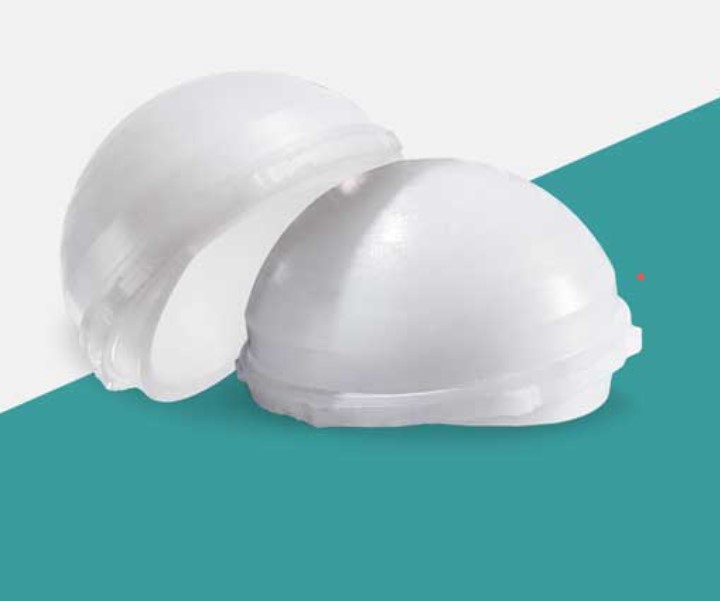 | Joint Replacement Acetabular Cup Liner Manufacturer An Acetabular Cup Liner Manufacturer specializes in producing liners that fit inside the acetabular cup during total hip replacement surgeries. View product → |