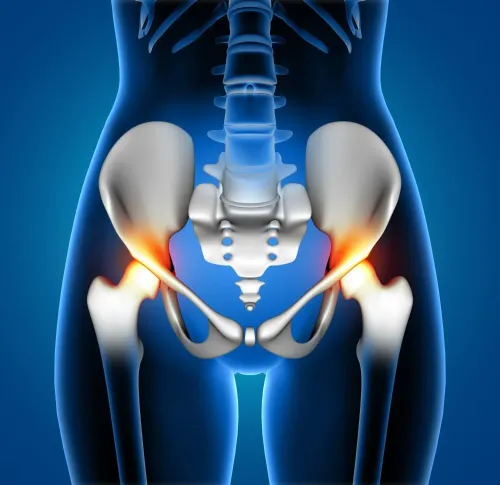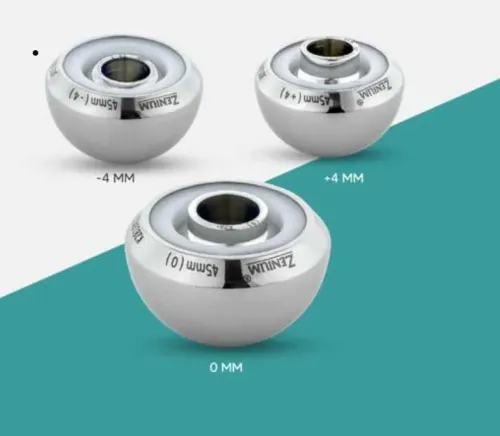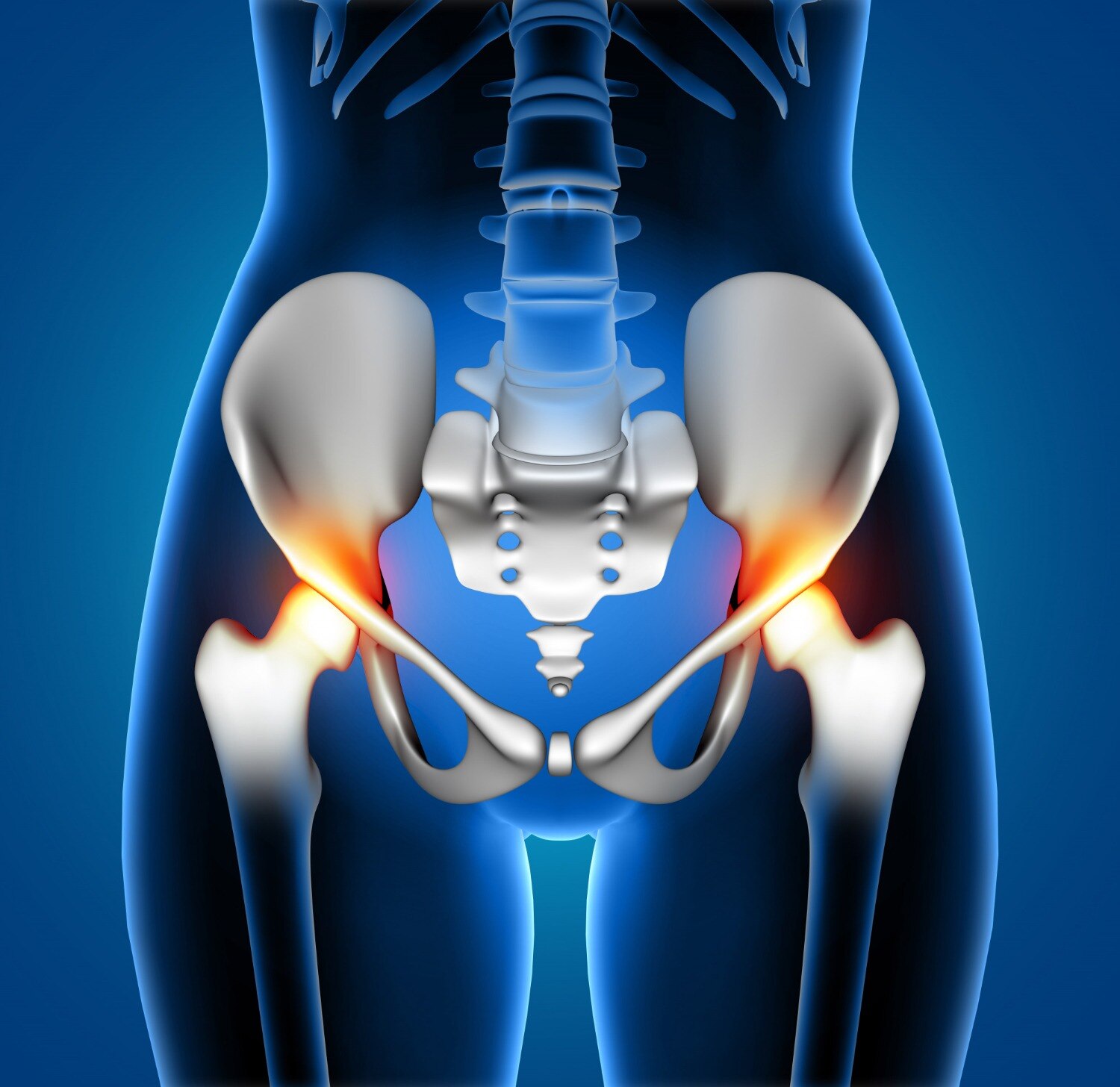
New groin pain, clicking, instability, a leg-length change, fever, drainage, or inability to bear weight can signal anything from liner wear to infection or fracture. The checks below help you identify urgent symptoms, understand the clinical work-up, and gather the component information needed for safe treatment or revision planning.
Key takeaways
- Seek urgent assessment for sudden pain, instability, or inability to bear weight.
- Use X-rays, infection tests, and records before blaming the acetabular cup.
- Match symptoms to loosening, wear, fracture, dislocation, or soft-tissue failure.
- Verify cup, liner, head, taper, instruments, and revision compatibility before replacement.
Recognise the warning sign and the urgency
New or worsening groin or thigh pain, painful weight-bearing, clicking, reduced hip movement, instability, recurrent dislocation, or an apparent leg-length change deserves assessment, but not every painful hip signals a loose cup. These are possible total hip replacement acetabular cup problems and other joint replacement prosthesis issues.
| Warning sign | Possible concern | Urgency |
|---|---|---|
| New or worsening groin or thigh pain | Loosening, liner wear, impingement, adverse tissue reaction, stem trouble, spine or tendon pain | Arrange prompt clinical review |
| Clicking, reduced motion, or painful weight-bearing | Liner displacement, wear, impingement, loosening, or fracture | Prompt review; escalate if worsening |
| Instability, repeated dislocation, or a new leg-length difference | Dislocation, component position, abductor deficiency, or fracture | Urgent assessment after a dislocation or sudden change |
| Fever, wound drainage, or increasing redness | Infection around the implant or infection elsewhere | Prompt infection assessment |
| Sudden severe pain, deformity, or inability to bear weight | Dislocation or periprosthetic fracture | Emergency evaluation |
Symptoms cannot reliably separate cup loosening from infection, liner wear, impingement, adverse tissue reaction, fracture, or dislocation. A painful hip can instead arise from the femoral stem, lumbar spine, sacroiliac joint, abductor tendons, trochanteric tissues, referred knee pain, or an occult fracture. Do not label it a loose cup before examination, radiographs, and infection assessment.
Follow the diagnostic work-up before blaming the cup
Before diagnosing aseptic loosening or planning revision, complete a work-up for total hip replacement cup for problems that tests the whole patient, not only the implant. Pain can come from infection, the femoral stem, spine, abductor mechanism, or fracture.
1. Examine gait, apparent leg length, hip range of motion, abductor strength, wound, lumbar spine, and neurologic function. Record instability, weakness, fever, drainage, and pain with weight-bearing.
2. Obtain anteroposterior pelvis and cross-table lateral radiographs. Compare them with the immediate postoperative image and every earlier follow-up film, looking for migration, altered cup inclination or version, progressive radiolucent lines, osteolysis, eccentric femoral-head position, screw breakage or back-out, liner displacement, fracture, and progressive bone loss. A single X-ray can hide a slow change.
3. Use CT when radiographs cannot define component position or acetabular defects; account for radiation and metal artefact. Use ultrasound for accessible fluid collections or abductor and iliopsoas assessment, and metal-artifact-reduction MRI for soft-tissue damage or adverse tissue reaction.
Exclude infection before calling the cup aseptically loose. Order serum CRP and ESR; if suspicion persists, arrange image-guided aspiration for synovial white-cell count, differential, Gram stain where appropriate, and multiple cultures. In a stable patient, the clinician may withhold antibiotics before aspiration or revision sampling because they reduce culture yield.
At revision, collect multiple separate deep-tissue samples; one negative culture or a superficial swab does not rule out low-grade infection.
Match the symptom to the failed structure
A migrated cup or widening radiolucent lines points toward fixation loss; an eccentric femoral head does not prove shell loosening. In a cementless cup, assess failed press-fit or absent osseointegration; in a cemented cup, inspect the cement–bone and cement–implant interfaces. Compare serial films for migration, osteolysis, screw back-out, fracture, and liner displacement.
1. Check for polyethylene wear, wear debris, liner dissociation or locking-mechanism failure, corrosion at modular interfaces, and periprosthetic fracture. A displaced liner can create eccentric head position while the shell remains fixed.
2. For instability, record cup inclination and anteversion, combined anteversion, femoral version, offset, leg length, head size, impingement, abductor function, spine stiffness, and the timing and direction of every dislocation.
The Lewinnek reference range—about 40° ± 10° inclination and 15° ± 10° anteversion—is not a stability guarantee because functional pelvic tilt changes component orientation during movement.
3. Test competing explanations before labelling the cup loose: anterior cup prominence can irritate the iliopsoas, while lumbar disease, abductor deficiency, trochanteric pain, or referred pain can mimic cup failure. In metal-on-metal hips, whole-blood cobalt and chromium plus ultrasound or metal-artifact-reduction MRI may assess adverse tissue reaction; ion levels alone do not decide revision.
A retained shell also requires exact liner geometry, head diameter, taper, and locking compatibility. Nominally matching diameters do not prove interchangeability.
Collect the records and prove component compatibility
Before contacting the surgeon, hospital, hip implant manufacturer, or acetabular cup supplier, assemble the complete implant record; a product name alone cannot support safe revision planning.
1. Request the implant brand and exact family, catalogue or reference number, lot or batch number, and serial number where applicable. Record the cup size and outer diameter, cemented or cementless fixation, screw number, length and diameter, liner material and thickness, liner inner diameter, femoral head size, taper specification, and procedure date.
2. Collect the operative report, implant stickers, discharge summary, and serial radiographs from immediately after surgery and later follow-up. Ask the surgeon to document shell geometry, screw-hole pattern, liner-locking mechanism, bearing couple, radiographic fixation, and available acetabular bone stock.
3. Do not treat a liner or head as interchangeable because its nominal diameter matches. The existing shell, liner geometry, locking interface, bearing material, head diameter, taper, and validated manufacturer combination must all agree; mixing systems can create untested wear, corrosion, or locking failure.
A stable revision assessment may consider isolated liner exchange or shell retention when fixation and geometry remain sound. Shell removal, hemispherical augments, a cage, custom triflange reconstruction, or full revision may be required for loosening or Paprosky-classified bone loss.
Before antibiotics in a stable revision case, collect multiple separate deep tissue samples for culture. A superficial swab or one negative culture cannot exclude low-grade infection, especially after antibiotics or with biofilm-forming organisms.
Evaluate the product evidence before choosing a replacement
Demand a technical file from the hip implant cup manufacturer or distributor before selecting a replacement. It must identify compatible shells, liners, femoral heads, tapers, bearing couples, screws, instruments, contraindicated combinations, and the validated surgical technique. A matching nominal diameter does not validate a liner from another system.
Ask for these records:
- Fatigue and fixation testing on the complete cup construct
- Wear testing for the stated bearing combination
- Locking-mechanism testing
- Corrosion or fretting assessment where modular interfaces require it
- Biocompatibility evaluation, sterilization validation, packaging-integrity testing, and shelf-life data
- Clinical studies or registry evidence for the design
| Evidence | What it establishes | What it does not establish |
|---|---|---|
| ISO 13485 certificate | A documented quality-management system | Clinical performance of one acetabular design |
| Wear and locking tests | Performance of the tested bearing and liner interface | Safety of an untested component combination |
| Clinical or registry data | Observed outcomes in a defined population | Identical results for every patient or construct |
Record the shell, liner, screws, and head against catalogue numbers, lot or serial numbers, sterilization status, expiry date, patient, surgeon, and procedure date. Require the supplier to support complaint handling, field-safety notices, UDI records, and rapid recall retrieval.
Hospitals evaluating Komal Health Care Pvt Ltd should apply these documentation and compatibility checks to its proposed construct, rather than relying on product claims alone. If records cannot prove the locking interface, taper, bearing pairing, and surgical technique, reject the combination until the manufacturer confirms it in writing.
Related products
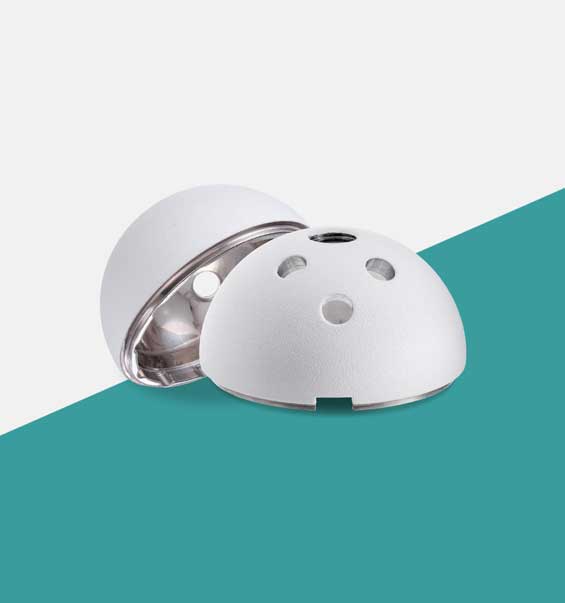 | Joint Replacement The Acetabular Cup is a key component in total hip replacement surgery, designed to fit into the hip socket (acetabulum). View product → |
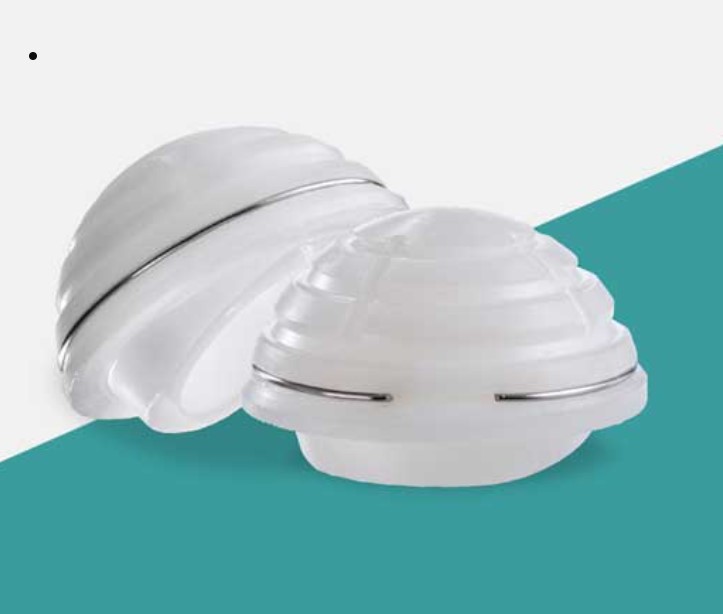 | Joint Replacement Acetabular Cup Cemented Manufacturer An Acetabular Cup Cemented Manufacturer produces acetabular components specifically designed for cemented fixation in total hip replacement... View product → |
Frequently asked questions
Which symptoms can indicate total hip replacement acetabular cup problems?
New or worsening groin or thigh pain, painful weight-bearing, clicking, reduced movement, instability, recurrent dislocation, or an apparent leg-length change require assessment. These symptoms do not prove that the cup is loose.
What tests should be completed before blaming the hip replacement cup?
The work-up can include physical examination, standing and comparison X-rays, infection blood tests such as C-reactive protein and erythrocyte sedimentation rate, and further imaging or aspiration when the findings require it.
How can you identify which hip replacement structure failed?
Compare the symptom pattern and imaging with the possible failure of the acetabular shell, liner, femoral head, stem, taper, fixation interface, surrounding bone, or soft tissue.
Which records help prove hip implant component compatibility?
Collect the operative report, implant stickers, catalogue and lot numbers, cup and liner sizes, head diameter, taper specification, stem details, imaging, and revision plan. Confirm compatibility using the manufacturer’s documented system information.
What product evidence should you evaluate before choosing a replacement cup?
Review the implant’s instructions for use, materials, fixation method, size range, liner options, revision instruments, sterilisation status, traceability documents, and evidence relevant to the planned patient and procedure.
Related products
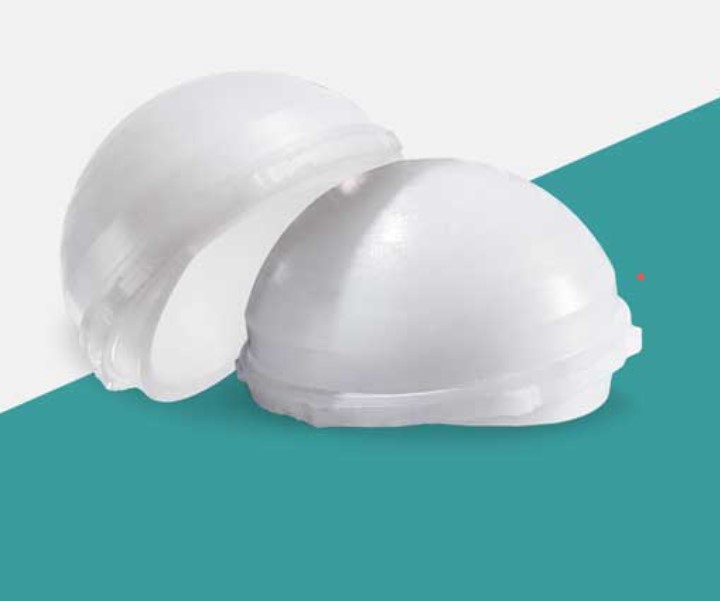 | Joint Replacement Acetabular Cup Liner Manufacturer An Acetabular Cup Liner Manufacturer specializes in producing liners that fit inside the acetabular cup during total hip replacement surgeries. View product → |
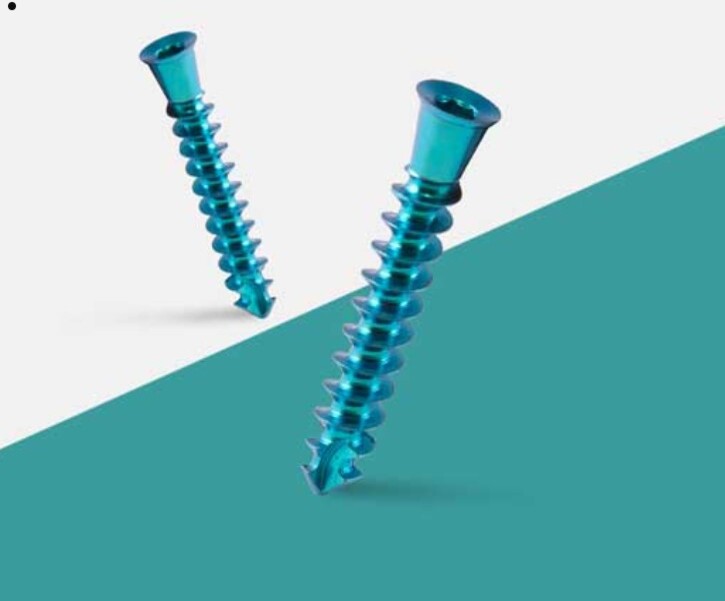 | Joint Replacement A THR Screw Manufacturer produces specialized screws used in Total Hip Replacement (THR) surgeries to secure implants and enhance joint stability. View product → |