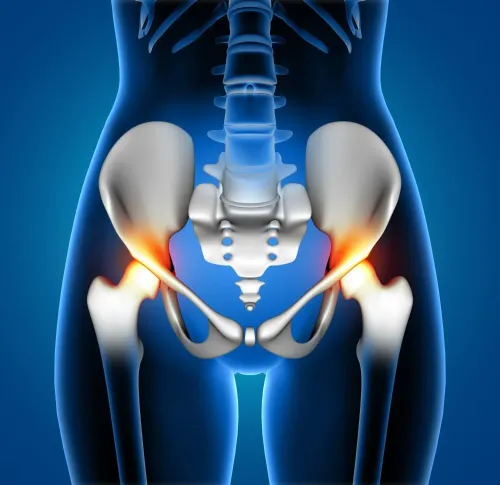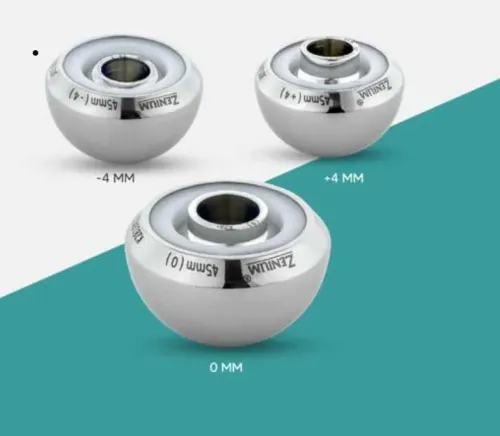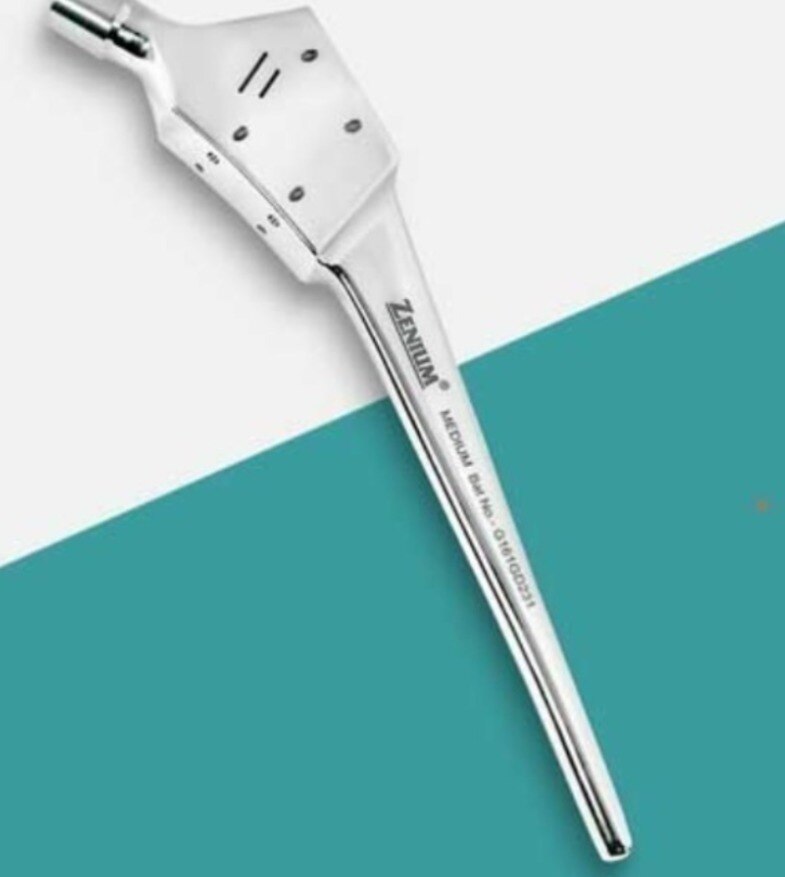
Fenestrated and non-fenestrated bipolar prostheses differ most visibly by openings in the shell, but that feature alone does not determine fixation, durability, or suitability for a patient. By comparing articulation, fixation strategy, sizing, component compatibility, clinical indications, and procurement evidence, you can specify the complete system rather than select a cup by diameter or marketing name.
Key takeaways
- Confirm whether fenestration supports the intended fixation and surgical technique.
- Match shell diameter, inner head, stem taper, and liner before assembly.
- Compare Fixed Bipolar and Modular Bipolar systems against inventory and workflow needs.
- Request licences, traceability records, and technical documents from Mexican suppliers.
What actually moves in a bipolar prosthesis, and how does fenestration change it?
A bipolar prosthesis has two potential articulations: the femoral head moves inside an internal polyethylene liner, while the metal outer shell moves against the patient’s acetabular cartilage. In vivo, friction, wear, or fibrous fixation can reduce inner-head motion, so “bipolar” does not mean dual-mobility total hip replacement.
- Bipolar hemiarthroplasty: the shell bears against the native acetabulum, and the head may move inside the liner.
- Unipolar hemiarthroplasty: one prosthetic head moves directly against the native acetabulum; there is no inner shell articulation.
- Total hip replacement: a prosthetic femoral head moves inside a prosthetic acetabular cup fixed to the pelvis.
Fenestrations are holes in the bipolar shell. Their purpose depends on the approved design: they can permit cement interdigitation or access for bone around the shell, but they do not prove biological fixation, better stability, or greater inner articulation.
A continuous non-fenestrated shell is not automatically inferior; stem fixation, cemented or uncemented technique, shell geometry, and the manufacturer’s validated construct determine fixation.
The key long-term concern for both designs is acetabular cartilage wear or erosion, which can cause groin pain and conversion to total hip arthroplasty. A fenestrated bipolar prosthesis comparison is meaningful only when stem fixation, shell diameter, bearing materials, head offset, and follow-up are matched. Holes alone do not demonstrate lower erosion risk.
When should you choose fenestrated or non-fenestrated hemiarthroplasty?
Choose the design from the femur, acetabulum, and likely next operation—not from the holes alone. In a femoral-neck fracture with preserved acetabular cartilage, either shell can support hemiarthroplasty. Fenestration is relevant only when the manufacturer’s instructions identify a fixation or cement-handling purpose for that exact component.
| Option | Best fit | Decision and limitation |
|---|---|---|
| Fenestrated shell | Selected primary fracture or revision | Consider it when openings support the documented cement technique or surgical handling; they do not prove superior bone ingrowth. |
| Non-fenestrated shell | Routine fracture hemiarthroplasty with an adequate femur and healthy acetabulum | A continuous shell simplifies inspection and packaging; it does not imply weaker fixation. |
| Either design | Poor bone quality | Select stem fixation separately. Cement interdigitation depends on cemented-stem technique; bone ingrowth depends on the approved porous, uncemented surface. |
| Neither design | Infection, inadequate femoral bone stock, or destructive acetabular disease | Treat infection with the appropriate staged or salvage reconstruction; use a revision stem, allograft, custom solution, or total hip replacement when hemiarthroplasty cannot restore fixation or the socket. |
Pre-existing acetabular arthritis, inflammatory disease, dysplasia, substantial groin symptoms, younger age, high activity, and longer expected survival favor total hip replacement over either bipolar option. A fenestrated bipolar prosthesis comparison is meaningful only when stem fixation, shell diameter, bearing materials, head offset, and follow-up are matched; comparing different constructs answers a different question.
How do you size and assemble the complete bipolar system?
Size the system from the patient’s anatomy and the manufacturer’s compatibility chart, not from a nominal head diameter alone. A bipolar hip implant procurement specification must identify the shell, inner bearing, stem family, taper, neck options, and whether fenestration belongs to the shell or another component.
1. Measure the excised femoral head with the supplied gauge in several orientations. Record the largest stable diameter, inspect the acetabular cartilage and rim, and select the bipolar cup in the manufacturer’s 2 mm diameter increments.
2. Insert the trial cup and reduce it onto the trial stem and neck. Confirm that the shell seats without force, clears the acetabular rim through the planned range of motion, and does not bind, rock, or overstuff the joint.
3. Check the femoral stem size and fixation method against the canal preparation and bone quality. Verify that the trial taper, neck length, and offset restore leg length and soft-tissue tension without excessive lateralisation or instability.
4. Confirm that the inner bearing, bipolar shell, femoral head, and stem taper are an approved combination in the instructions for use. Equal nominal diameters do not make components interchangeable; a mismatched taper or bearing can prevent seating or cause assembly failure.
5. Before implantation, inspect the final construct for taper damage, full seating, free inner-bearing movement, and secure locking. Recheck acetabular geometry: rim clearance, depth, version, inclination, and impingement during flexion, adduction, and rotation. Record the exact sizes, lot numbers, and fenestrated component selected.
What do Fix Bipolar and Modular Bipolar change for the operating team and inventory?
A fixed bipolar system reduces intraoperative assembly, while a modular bipolar system expands choices but adds compatibility decisions.
| System | Assembly and interchangeability | Revision and surgeon choice | Instruments and stock |
|---|---|---|---|
| Fix Bipolar | Use the supplied construct; do not assume its head, stem, taper, or neck fits another family. | Fewer intraoperative adjustments; revision often requires replacing a defined assembly. | Simpler instrumentation, but stock complete sizes and backup constructs. |
| Modular Bipolar | Select the approved outer head, bearing, neck length, offset, taper, and stem combination. Equal nominal head diameters do not prove compatibility. | Allows correction of leg length and offset and supports more selective revision when the stem remains suitable. | Requires modular trials, impactors, extraction tools, and deeper stock across heads, liners, necks, and stems. |
For bipolar hip implant procurement, request the instructions for use and compatibility matrix, then match every component by manufacturer, taper specification, bearing dimensions, outer diameter, and stem family. A modular shell without its compatible liner, or a head without the correct stem and neck, is not an implantable backup; it is an incomplete construct.
Confirm whether components arrive sterile and single-use or require facility sterilization. Do not reprocess a disposable component unless the IFU explicitly permits it. Fixed systems reduce mismatch risk, but they also limit the surgeon’s intraoperative correction options; modular systems reverse that trade-off and increase expiry, storage, count-control, and ordering errors.
What must you verify before buying from a bipolar implant supplier in Mexico?
A bipolar hip implant procurement decision must separate clinical suitability from supplier qualification. Define the exact component: “fenestrated” may describe openings in the outer shell, inner bearing, stem, or another part, and the label alone does not establish cement interdigitation or bone-ingrowth performance.
1. Ask the non fenestrated bipolar prosthesis supplier for catalog-specific drawings, materials, tolerances, approved combinations, stem and neck fatigue/static-strength results, range-of-motion and impingement data, and bearing-wear evidence. Check ISO 7206-series testing and ISO 21535 claims where applicable.
2. Verify the stainless-steel or other alloy specification, surface finish, dimensional tolerances, and compatibility of shell, bearing, head, taper, and stem. The IFU must identify assembly limits, cement use, instruments, cleaning, and sterilization instructions.
3. Review the sterilization method, sterility assurance evidence, validated packaging, seal integrity, transport conditions, expiry date, and shelf-life rationale. Reject stock with damaged packaging or an unreadable expiry.
4. Match each catalog number to lot or batch records, certificates of conformity, device history, and recall status. Request complaint trends, adverse-event handling, corrective actions, and replacement policy.
5. Confirm COFEPRIS authorization or registration for Mexico, destination-market requirements, and a current ISO 13485 certificate. ISO 13485 proves a quality system, not permission to sell.
6. Identify the importer of record, customs classification, Spanish IFU responsibilities, post-market reporting duties, minimum order, lead time, continuity plan, and supply terms. A bipolar prosthesis manufacturer in Mexico City still needs these records.
7. Compare fenestrated and non-fenestrated evidence only when fixation, shell diameter, bearing materials, offset, and follow-up match.
| Evidence basis | Acceptable comparison |
|---|---|
| Fixation | Same cemented or uncemented method |
| Geometry | Same shell, head, and offset |
| Follow-up | Same duration and endpoints |
Komal Health Care Pvt Ltd belongs on the shortlist only after this evidence review, not because its location or product label settles the comparison.
Related products
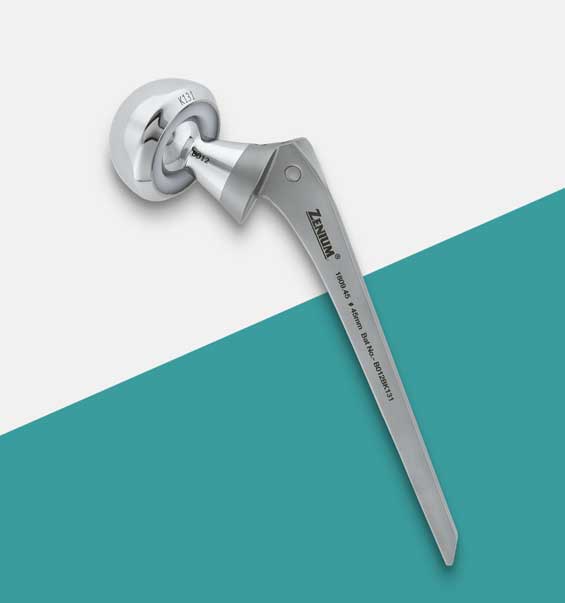 | Joint Replacement Bipolar Prosthesis (Non Fenestrated) Manufacturer The Bipolar Prosthesis (Non-Fenestrated) is a type of hip implant commonly used in hemiarthroplasty procedures, especially for treating femoral neck... View product → |
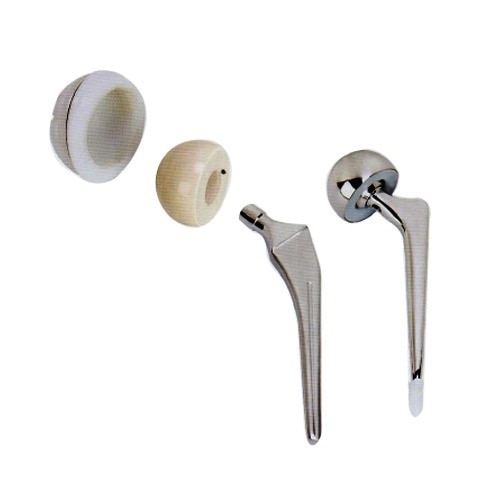 | Bipolar Hip Prosthesis ₹3500 We are manufacturer of Bipolar Prosthesis . Fix Bipolar and Modular Bipolar. Cup Size : 37 mm to 55 mm with 2 mm variation Material : S.S.316 L/LVM View product → |
Frequently asked questions
What moves inside a bipolar prosthesis?
The femoral head can move inside a polyethylene liner, while the outer shell moves against the acetabular cartilage. Fibrous fixation, friction, and wear can reduce inner articulation over time.
When should you choose a fenestrated or non-fenestrated bipolar prosthesis?
Choose by the planned fixation method, bone quality, surgical approach, and the surgeon’s technique. Fenestration can support cement interdigitation or tissue interaction when the system is designed for it; a non-fenestrated shell provides a closed outer surface when those openings are not needed.
How do you size and assemble a bipolar hip system?
Verify the outer shell diameter, polyethylene liner, femoral head size, stem taper, neck length, and compatibility markings. Assemble only components listed as compatible by the manufacturer.
What should you verify before buying a bipolar implant in Mexico?
Request the supplier’s legal and regulatory documents, product registration details, lot traceability, sterilisation information, instructions for use, compatibility charts, and evidence that packaging and expiry controls are managed.
Related products
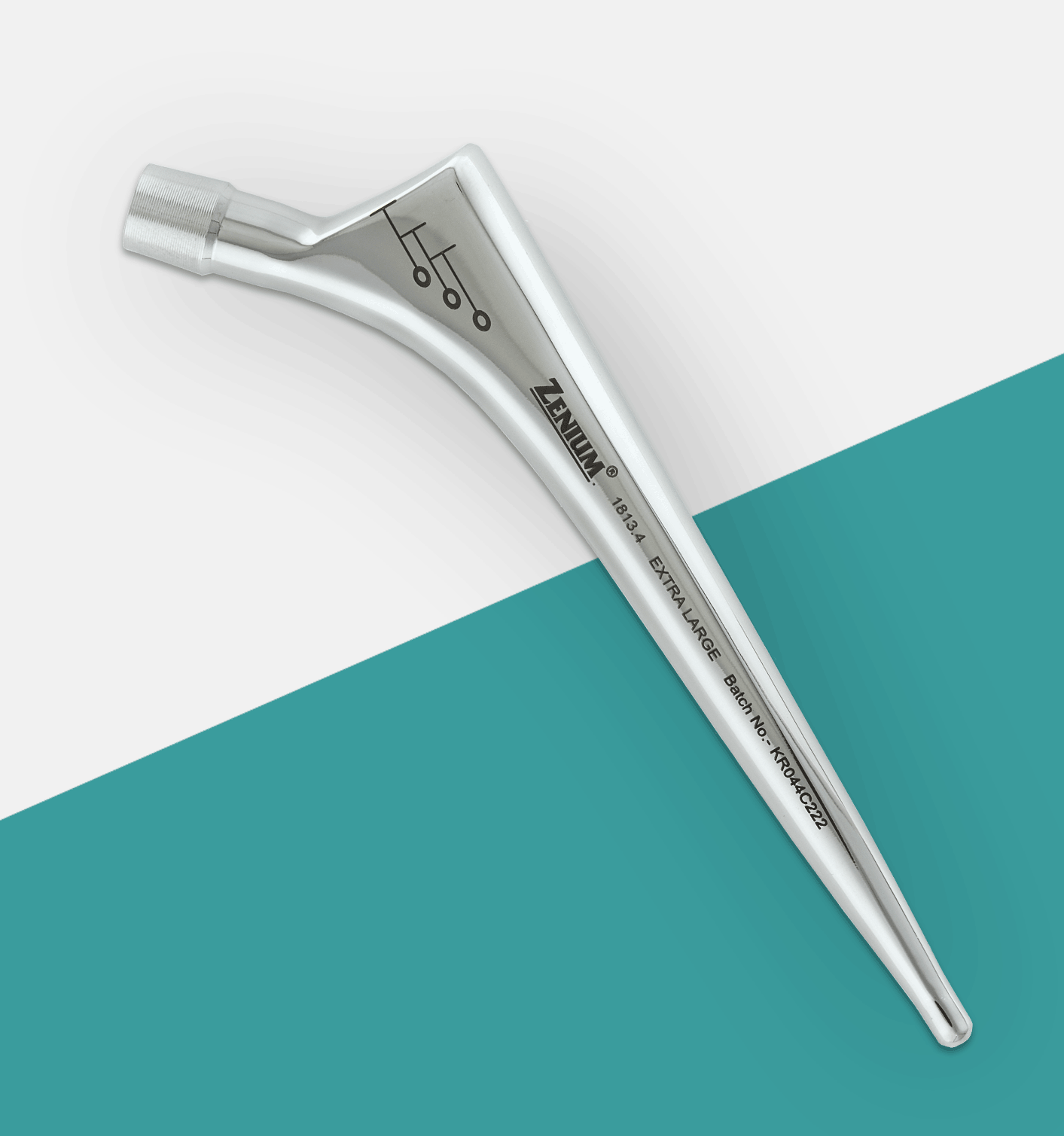 | Joint Replacement Bipolar Modular Stem (Cemented) Manufacturer The Bipolar Modular Stem (Cemented) is an orthopedic implant used in hip replacement surgeries, especially for elderly patients with fractured or... View product → |
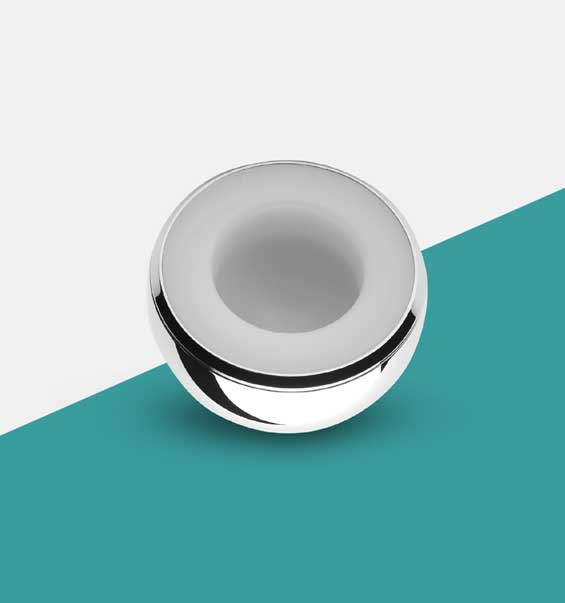 | Joint Replacement Modular Bipolar Cup Manufacturer A Modular Bipolar Cup Manufacturer specializes in producing advanced orthopedic components used in hip replacement surgeries. View product → |
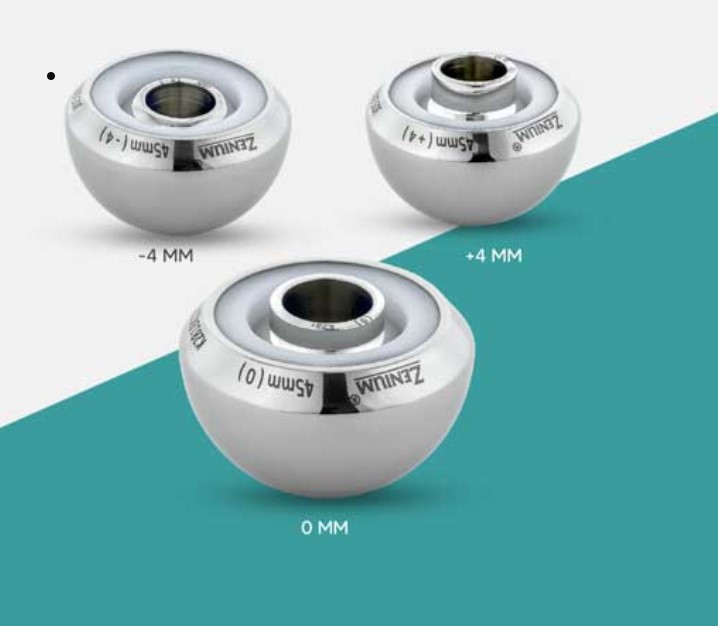 | Joint Replacement Modular Bipolar Cup (With Head) Manufacturer The Modular Bipolar Cup (With Head) is an advanced hip implant system used in hemiarthroplasty procedures, particularly for treating femoral neck... View product → |
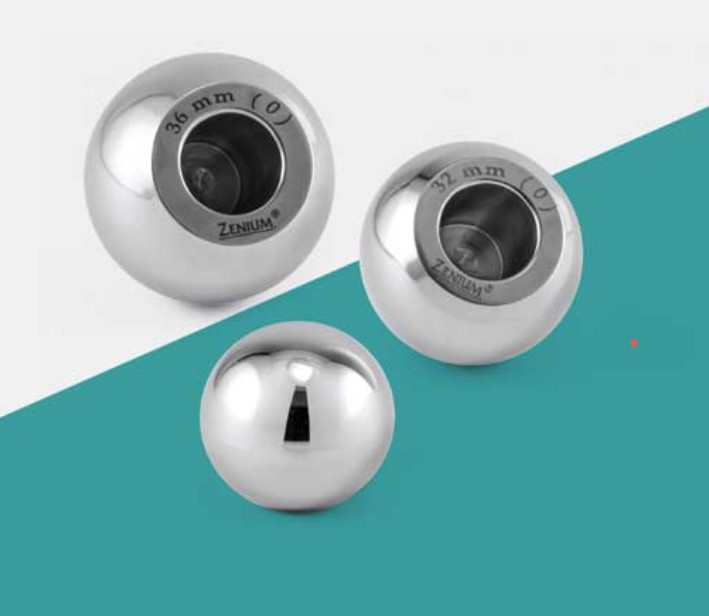 | Joint Replacement An Internal Head Manufacturer specializes in producing internal femoral heads used in hip replacement systems. View product → |