A THR tray can contain useful femoral preparation tools without being compatible with a non-fenestrated bipolar assembly. You will be able to identify the required implant data, separate reusable THR instruments from bipolar-specific tools, audit a tray, and document compatibility before the operation.
Key takeaways
- Identify the bipolar model and catalogue numbers before reviewing the THR tray.
- Match every component with its trial and instrument interface.
- Separate reusable THR tools from bipolar-specific instruments.
- Document a physical compatibility test before surgery.
Start with the implant system, not the THR tray label
Begin with the implant system, not the THR tray label. Identify the non-fenestrated bipolar model, manufacturer, catalogue numbers, size range and fixation technique, then obtain its compatibility matrix and Spanish-language instructions for use. A tray marked “THR” proves nothing: a non-fenestrated shell is not normally secured with acetabular screws.
- Confirm the shell diameter range, inner head or liner, femoral-head sizes, stem geometry, neck taper dimensions and cemented or uncemented technique.
- Match every implant to its intended trial and interface: bipolar shell trial, internal-head or liner trial, femoral-head trial, stem broach or rasp, taper protector, shell inserter, femoral-head impactor and extraction tools.
- Compare those catalogue numbers with the physical tray inventory. Ask whether the quoted package includes the bipolar shells, compatible stems, dedicated inserter, extraction tools and loaner-tray logistics; “THR instrument set” does not automatically include them.
- Verify Argentine regulatory status, the authorised local importer or distributor, implant traceability, Spanish IFU and availability of the matching sterile or reusable instruments.
Record this as THR instrument set compatibility, not as a visual tray check. Cup reamers, acetabular cup trials, screwdrivers and cup impactors are unnecessary for the bipolar component unless the IFU names them; using an unmatched impactor or taper can damage the bearing or prevent full seating.
A supplier’s claim—whether from a manufacturer or distributor—must therefore be tested against the system documentation, not the tray label.
Match each bipolar component to its trial and instrument interface
The shell outer diameter must match the bipolar shell trial, and the trial must seat in the specified shell impactor or inserter. Do not substitute an acetabular cup trial: a non-fenestrated bipolar shell is not a THR cup and is not normally fixed with screws.
Check compatibility in this order:
- Confirm the implant model, shell diameter range, inner-bearing sizes, and whether the system is fixed bipolar or modular bipolar.
- Match each shell size to its dedicated trial and shell impactor interface. Record any left/right requirement.
- Match the inner bearing or liner to the shell, then match the femoral head diameter and taper to that bearing and the approved stem.
- Match stem trials, broaches, rasps, and neck-resection guides to the stem geometry and to cemented or uncemented technique.
- Match the femoral-head impactor, extraction tool, and any modular-head removal instrument to the documented taper and assembly method.
| Option | What must correspond | Do not assume |
|---|---|---|
| Fixed bipolar | Shell, integral bearing, femoral head, stem taper, shell trial and inserter | A generic head or THR cup impactor fits |
| Modular bipolar | Shell, internal head or liner, femoral head, stem taper, dedicated trials and instruments | Any head or liner is interchangeable |
| THR components | Stem, broach, head trials and femoral-head impactor | The acetabular cup instruments suit bipolar surgery |
Ask a non fenestrated bipolar prosthesis supplier for the component-level compatibility chart, IFU, tray list, and approved stem and head combinations. Reject “universal” claims without those records; cup reamers, screwdrivers, and cup impactors remain unused unless the IFU specifically assigns them to the bipolar system.
Separate reusable THR tools from bipolar-specific instruments
Reuse only the femoral-preparation and femoral-head tools from a total hip replacement set when their dimensions and interfaces match the bipolar system. Femoral rasps, broaches, stem trials, neck-resection guides, femoral-head trials and dislocation instruments can support the procedure. They do not validate the bipolar shell.
| Instrument group | Use in bipolar hemiarthroplasty | Decision |
|---|---|---|
| Femoral rasps, broaches and stem trials | Prepare and size the femoral stem | Use only with the matching stem geometry and technique |
| Femoral-head trials and impactor | Check head size, neck length and taper; seat the head on the stem | Use the specified taper and impactor |
| Bipolar shell trials and shell impactor or inserter | Select and position the non-fenestrated outer shell | Required when identified by the implant system |
| Acetabular reamers, cup trials and cup impactors | Prepare or insert a fixed acetabular cup | Unnecessary for a native acetabulum; do not substitute them for a shell inserter |
| Acetabular screwdrivers and cup extraction tools | Place screws or remove a fixed cup | Exclude unless the IFU expressly assigns them to that bipolar model |
For bipolar components for hospital procurement, request the exact instrument interface, shell trial range, head taper, extraction tool and reusable-tray contents. Reject a tray that relies on force, improvised adapters or a generic cup impactor; a mismatched interface can damage the shell, taper or instrument.
Audit the tray, documentation and local procurement package
Do not accept a quotation because it says “THR instrument set.” Accept it only after the implant, tray contents and supply documents identify the same system and interfaces.
1. Record the exact implant model, shell outer-diameter range, inner-bearing sizes, femoral-head options, stem model, neck-taper dimensions and cemented or uncemented technique. Require a component-level compatibility chart naming the approved stems, heads and bipolar assembly.
2. Compare the quotation against a signed tray inventory. It must state whether it includes shells, inner heads or liners, femoral-head trials, stem trials, broaches or rasps, bipolar inserters, femoral-head impactors and extraction tools.
Do not count acetabular cup reamers, cup trials, screwdrivers or cup impactors unless the manufacturer’s instructions specifically assign them to this bipolar system.
3. Request the surgical technique or Spanish-language IFU, reusable-tray list, sterilization and cleaning limits, shelf-life details, lot number format, and a statement identifying the authorized local importer or distributor. Verify Argentine regulatory status through the applicable ANMAT documentation.
4. Confirm whether instruments arrive sterile, reusable, or as a loaner tray, and record delivery responsibility and timing. For bipolar components for hospital procurement, also document left/right or universal tools and the matching extraction method.
Komal Health Care Pvt Ltd should provide these records for its quoted system rather than relying on “universal” or “fits most THR sets.” A non fenestrated bipolar prosthesis supplier that cannot identify every implant lot and corresponding tray item has not supplied a traceable package.
Apply the same checklist when sourcing a non fenestrated bipolar prosthesis THR instrument set in Buenos Aires.
Related products
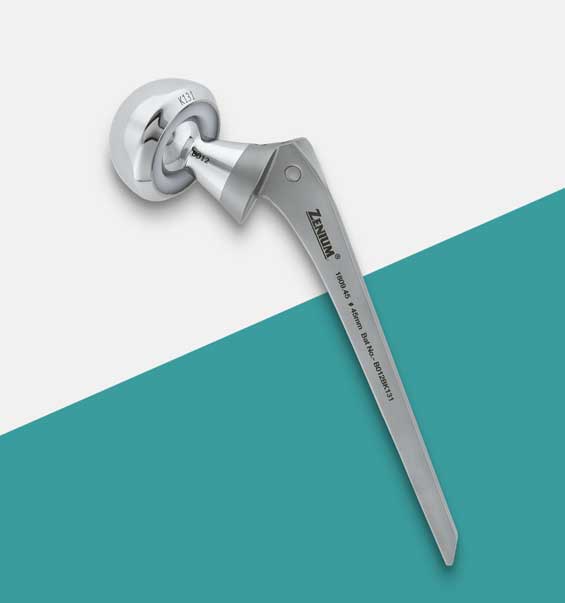 | Joint Replacement Bipolar Prosthesis (Non Fenestrated) Manufacturer The Bipolar Prosthesis (Non-Fenestrated) is a type of hip implant commonly used in hemiarthroplasty procedures, especially for treating femoral neck... View product → |
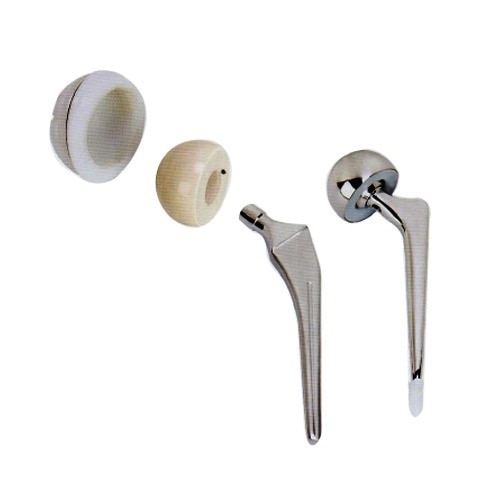 | Bipolar Hip Prosthesis We are manufacturer of Bipolar Prosthesis . Fix Bipolar and Modular Bipolar. Cup Size : 37 mm to 55 mm with 2 mm variation Material : S.S.316 L/LVM View product → |
Run a documented compatibility test before surgery
A documented dry run confirms THR instrument set compatibility before the patient enters the operating room. Use the exact non-fenestrated bipolar implant sizes and the tray intended for that case, not substitute components from a similar-looking set.
1. Record the implant catalogue numbers, stem sizes, taper specification, bipolar shell sizes, inner heads or liners, femoral-head trials, stem trials, shell trial and dedicated inserter. Check every item against the manufacturer’s compatibility matrix and instructions for use.
2. Assemble the selected stem trial, femoral-head trial, bipolar shell trial and inserter. Each connection must seat fully and release with the specified mechanism; stop if engagement needs abnormal force, leaves visible gaps or allows rocking.
3. Broach or rasp the femoral canal using the planned stem instruments, then mount the stem trial and femoral head. Confirm that the femoral-head impactor contacts the intended head surface rather than the taper or bearing.
4. Reduce the assembled trial in the relevant acetabular model or the manufacturer’s approved trial setup. Check shell motion, head capture and clearance through the planned range without an instrument touching or scratching the bearing surface.
5. Fit the shell inserter, cup impactor if the instructions identify one, and extraction tools. Demonstrate attachment, controlled impaction and removal without damaging the shell, taper or trial.
Record tray numbers, instrument interfaces, staff initials, date, photographs and any failed fit. Do not release the set until mismatches are resolved and the final configuration is signed off.
Frequently asked questions
Why should you start with the implant system instead of the THR tray label?
A tray labelled “THR” does not prove compatibility. Identify the non-fenestrated bipolar model, manufacturer, catalogue numbers, size range and fixation technique first.
How do you match bipolar components to a THR instrument set?
Check each shell, head, neck and trial against the manufacturer’s compatibility matrix, catalogue numbers and instrument interfaces.
Which instruments are reusable THR tools and which are bipolar-specific?
Separate general tools such as rasps, broaches and impaction handles from bipolar trials, shell holders, head gauges and other system-specific instruments.
What should a hospital procurement package contain?
Request the compatibility matrix, Spanish-language instructions for use, component catalogue, tray inventory, sterilisation information and traceability documents.
How do you test compatibility before surgery?
Assemble the actual implant, trial parts and instruments together, check engagement and alignment, record the lot or catalogue numbers, and obtain sign-off before the procedure.
Related products
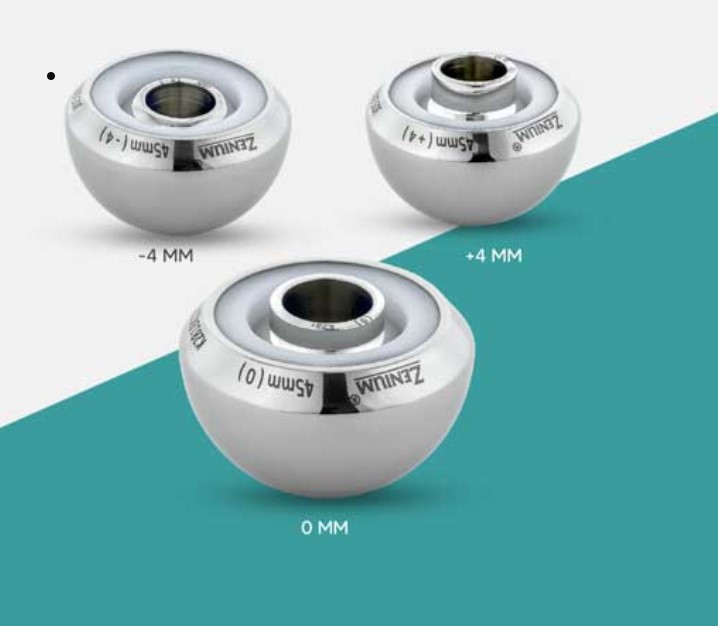 | Joint Replacement Modular Bipolar Cup (With Head) Manufacturer The Modular Bipolar Cup (With Head) is an advanced hip implant system used in hemiarthroplasty procedures, particularly for treating femoral neck... View product → |
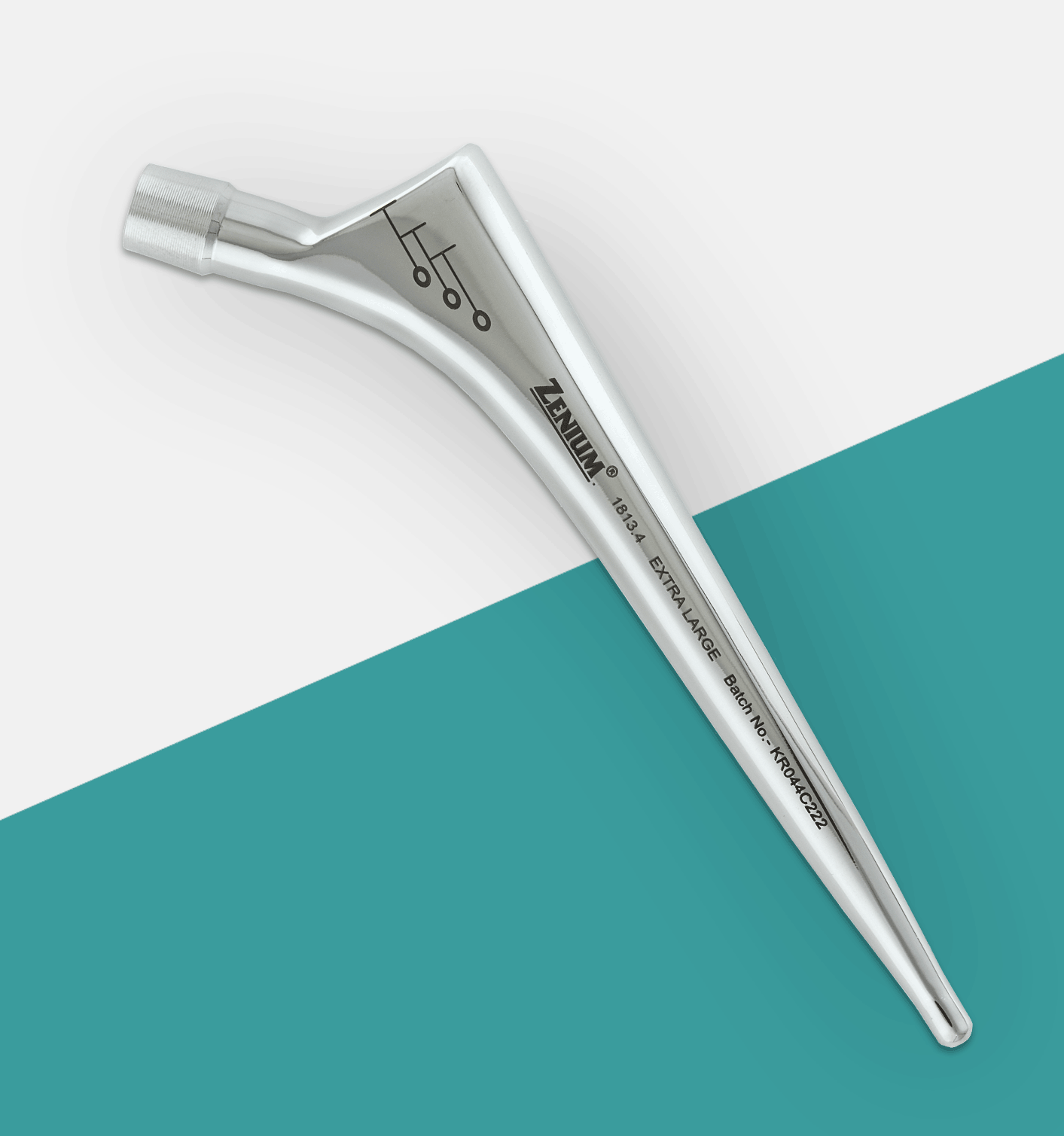 | Joint Replacement Bipolar Modular Stem (Cemented) Manufacturer The Bipolar Modular Stem (Cemented) is an orthopedic implant used in hip replacement surgeries, especially for elderly patients with fractured or... View product → |
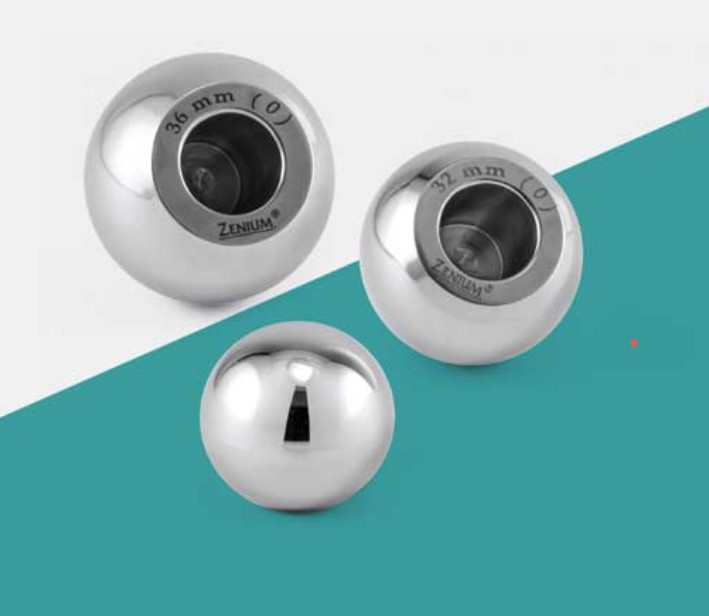 | Joint Replacement An Internal Head Manufacturer specializes in producing internal femoral heads used in hip replacement systems. View product → |
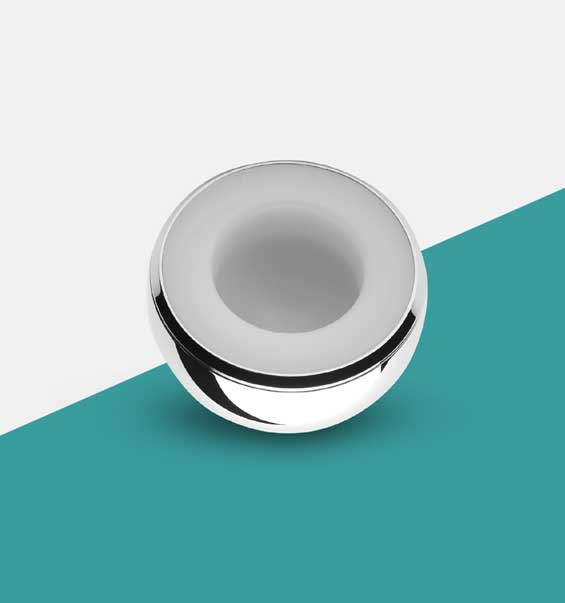 | Joint Replacement Modular Bipolar Cup Manufacturer A Modular Bipolar Cup Manufacturer specializes in producing advanced orthopedic components used in hip replacement surgeries. View product → |