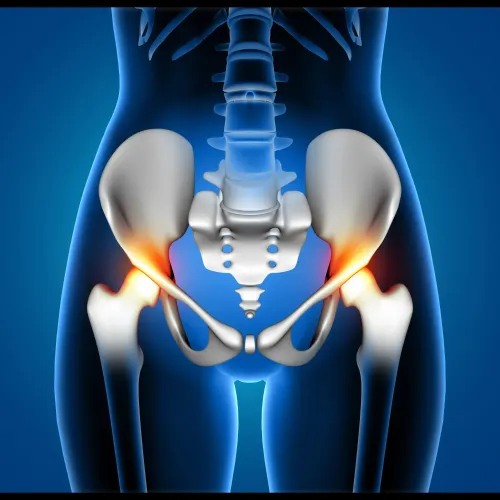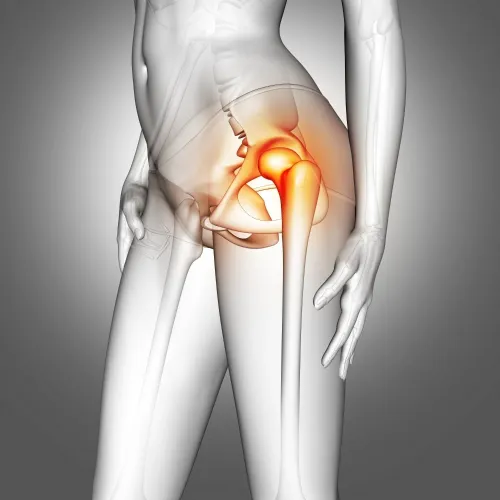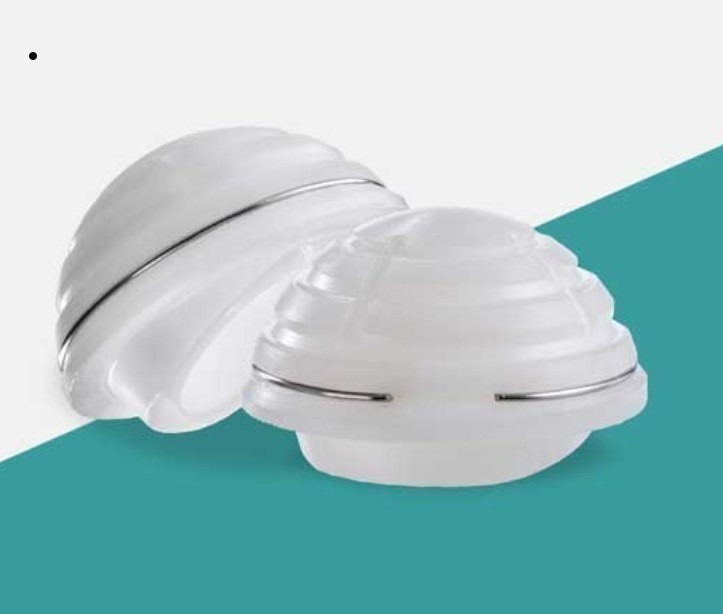
A successful hip replacement procedure depends on more than just one implant component. Joint stability often comes from how different implant parts work together during movement. That’s one reason Modular Cup systems continue drawing attention among orthopaedic professionals in Chile.
Acetabular reconstruction requires careful planning because the cup component directly influences articulation, load distribution, and long-term movement behavior. Surgeons frequently evaluate factors such as shell positioning, liner compatibility, and fixation performance while selecting modular cup systems.
Komal Health Care Pvt Ltd supports these procedural needs with orthopaedic implant solutions designed around modern surgical expectations and compatibility requirements. In many hospitals, modular systems are preferred because they provide flexibility during implantation and support individualized reconstruction strategies.
There’s also growing emphasis on patient mobility expectations after surgery. People no longer view hip replacement as simply pain management. They expect smoother movement, improved balance, and better participation in daily activities. Implant systems now play a central role in those quality-of-life discussions.
Orthopaedic procurement teams across Chile are becoming increasingly selective as well. They look beyond pricing and focus more on manufacturing consistency, implant reliability, and procedural support systems. Hospitals understand that dependable implants can influence both surgical workflow and patient confidence.
At the same time, revision concerns remain an important topic in orthopaedic care. Surgeons often consider future adaptability while choosing implant systems today. Modular approaches can support those long-term treatment perspectives.
Komal Health Care Pvt Ltd continues supporting healthcare providers with orthopaedic implant systems focused on precision, compatibility, and dependable clinical performance.